
Reviewed · KYOTO COOKING CLASSES
Kyoto: Japanese Washoku Bento Small Group Cooking Class
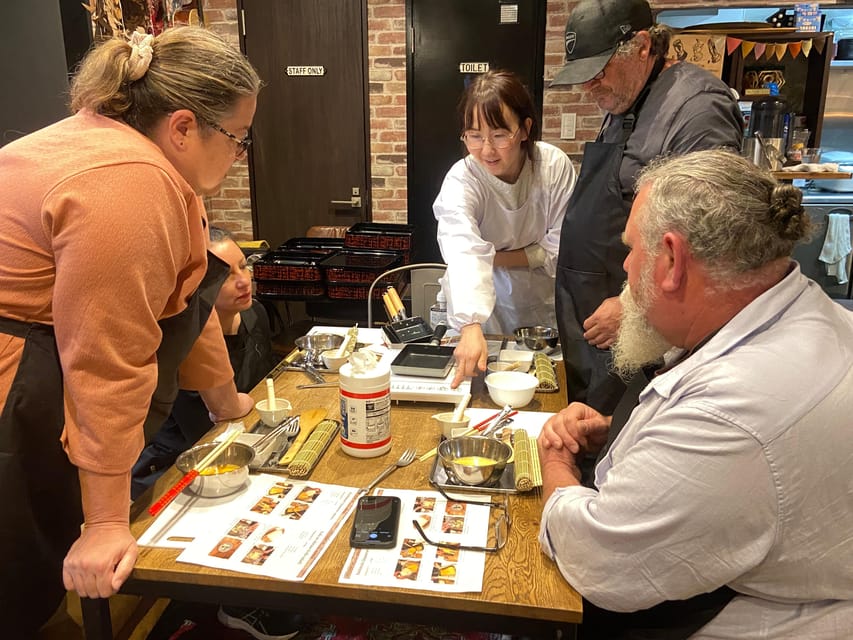
Bento class time in Kyoto has a very specific thrill: you cook the lunch that locals actually pack. In this small-group washoku class, you learn how to make a complete bento box, guided by an English-speaking chef, then sit down and eat what you made together. You’ll focus on fresh, seasonal Japanese flavors and the balance of taste, color, and texture that washoku is known for.
Two things I really like are the hands-on cooking time and the real technique lessons. You’re not just assembling pre-cut food, you’re practicing steps like frying tempura and making dashi stock, plus using proper Japanese knife approach. One possible drawback: you need to arrive on time, because the chef will pick you up and arriving more than 15 minutes late can mean your reservation gets canceled.
Key things to know before you book
- Small group, max 5 people, so you get more time at the workstations
- Hands-on washoku basics, including tempura frying and dashi stock making
- Knife skills with a Japanese approach, not just quick instructions
- You cook 4 bento dishes, including sushi rolls, tempura, tofu salad, and a Japanese rolled omelette
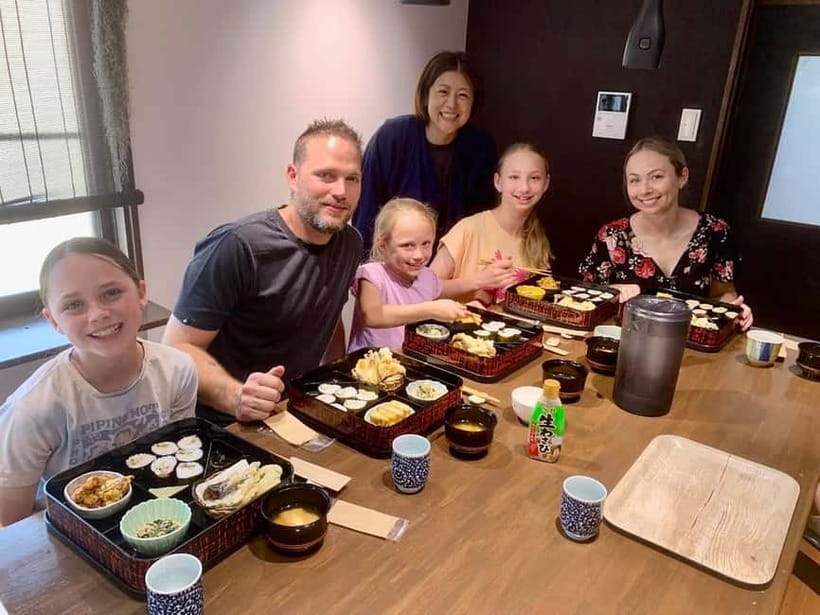
- Made to eat together, so the class ends with a proper shared meal
Kyoto Bento, Without the Guesswork
Kyoto is famous for food, but this class gives you something better than a list of famous dishes. You learn how Japanese home cooking thinks: separate components, clear flavors, and a lunch that travels well. That’s what a bento box is really about, not just a cute container.
The washoku angle matters too. Washoku is built around fresh ingredients and the way flavors balance across a meal. When you cook bento components side by side, you start to understand why Japanese dishes so often taste light, clean, and intentional, even when they include fried items like tempura. Instead of memorizing recipes, you’re learning the logic behind the food.
You can also read our reviews of more cooking classes in Kyoto
Finding Kyoto Laundry Cafe and Meeting Your Chef
Your meeting point is Kyoto Laundry Cafe, near Saiin Station (Hankyu Railway). Plan to get there early. On the day of the program, the chef will come to pick you up at the meeting location, and if you arrive more than 15 minutes after the scheduled meeting time, your reservation is automatically canceled.
That detail changes how you should plan your Kyoto day. Give yourself cushion time, especially if you’re switching trains or walking through residential streets. This is a small-group class, so they run it like a kitchen schedule, not a casual meetup.
What You Actually Cook in a 150-Minute Bento Session
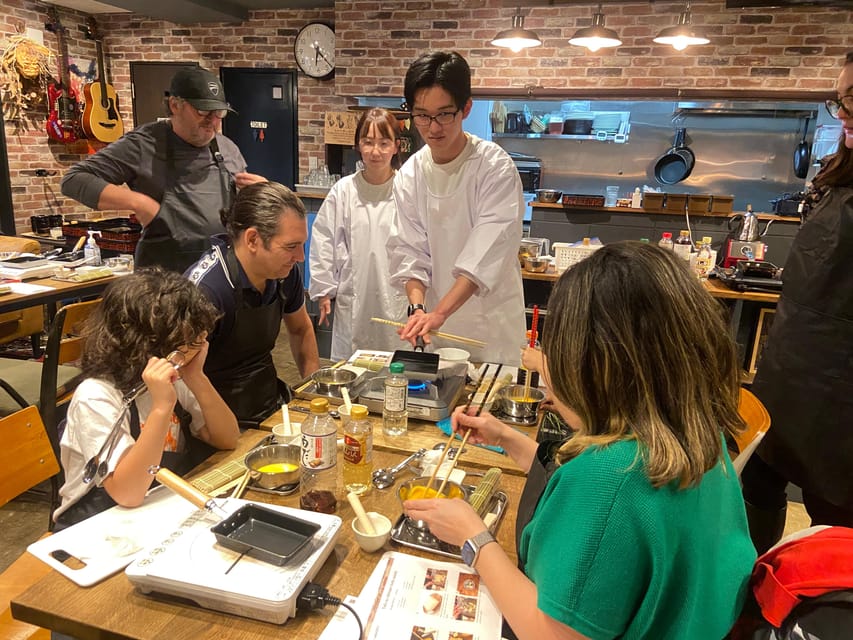
This is a 150-minute class, and it moves. You cook, you learn technique, and you eat. The structure is built around making a full bento box with four dishes:
- Sushi rolls
- Tempura
- Tofu salad
- Japanese rolled omelette
Even though the dishes sound familiar, the value is in the method. The class is designed so you get practical reps: knife work, cooking temperatures and timing, and how to build flavor with ingredients like dashi stock and seasonings.
A common theme in the feedback for this class is that you make a lot of food, not just one small dish. Come hungry. You’ll likely be surprised at how quickly that bento comes together once you’re cooking with a chef at your shoulder.
Washoku and Bento: Why Separate Dishes Taste Better
The bento idea seems simple until you try to build one correctly. Japanese lunch boxes usually contain separate dishes that each taste good on their own, then also work together as a balanced meal. That balance includes contrasting textures, like crisp tempura alongside softer tofu, plus different color tones so the meal feels composed.
In this class, you learn that washoku is not only about taste, it’s also about harmony. The chef explains how flavors and textures work together, and you apply that thinking while assembling your own bento box. Afterward, you’re not just leaving with a meal, you’re leaving with a mental model for how Japanese home lunches are constructed.
Knife Skills and the Japanese Approach
You’ll get instruction on knife skills, including how to hold and handle the knife in a Japanese-style approach. This is one of those lessons that pays off far beyond bento.
If you’ve ever struggled with inconsistent cuts, this is where the class can help. Better cuts cook more evenly, and they also make the presentation look cleaner. Even if you don’t become a sushi chef overnight, you’ll leave with a few practical habits you can use back home, especially when you’re chopping vegetables for simple weekday meals.
More Kyoto temple visits, food tours, tea experiences, and day trips to compare
Tempura Frying: Crisp Texture, Not Just Hot Oil
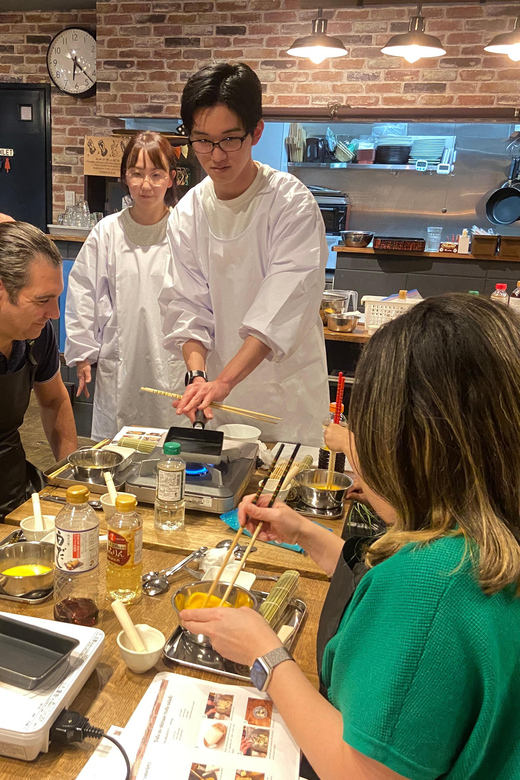
Tempura has a reputation that can trick people. Many Western cooks treat it like batter plus frying. In a proper lesson, you learn that tempura is about texture control.
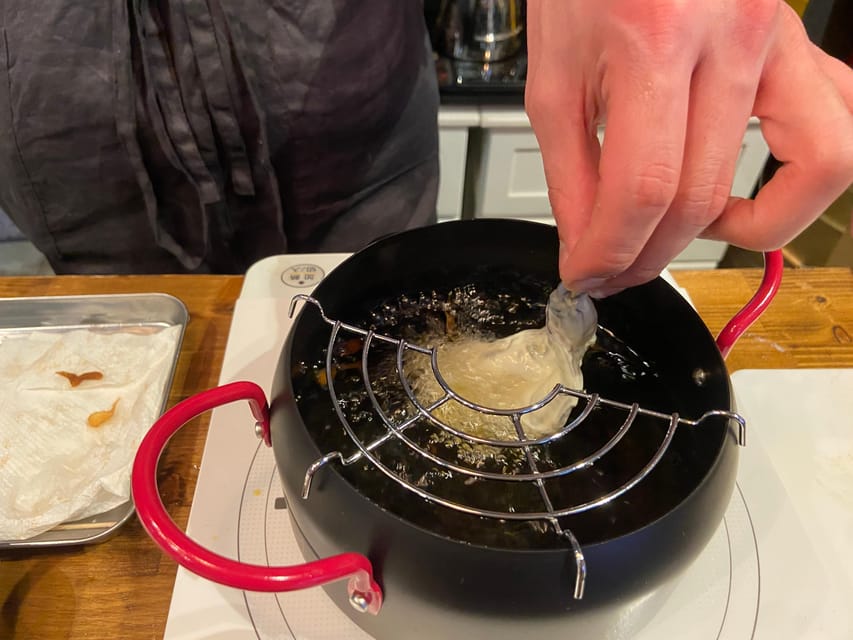
You’ll learn tempura frying techniques and practice as part of your bento. That means you’re paying attention to timing and heat, and you’re learning what makes tempura feel light and crisp instead of heavy. When your tempura comes out well, it’s obvious why Japanese cooks obsess over the details. Crispness, batter behavior, and freshness all matter.
Dashi Stock: The Flavor Base You’ll Actually Use Again
If you want one skill that keeps paying you back, it’s dashi. Dashi is a foundational stock in Japanese cooking, and it shows up across so many dishes.
In this class, you learn how to make dashi stock from a local chef. Once you understand what dashi is doing for flavor, you can start applying the idea to soups, sauces, and quick meals. Even if you don’t cook everything exactly the same way at home, you’ll gain a sense for how Japanese home cooks build savory depth without relying only on heavy sauces.
The Four Bento Components, Step by Step
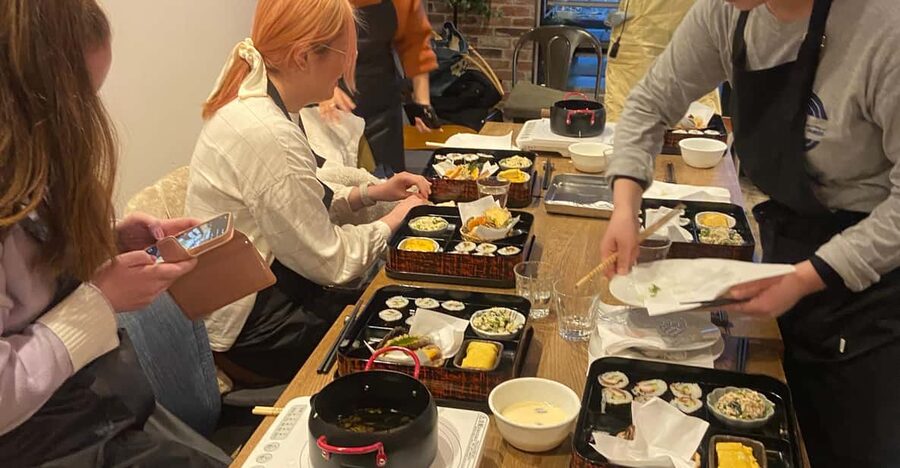
Here’s how the bento pieces come together in real life.
Sushi Rolls
You make sushi rolls as one of your bento dishes. The useful part is not just the final roll, it’s learning how the process works in a kitchen setting with guidance. You’ll see what matters for the roll to hold, how ingredients are handled, and how sushi fits into a lunch box where everything needs to be both portable and tasty.
Japanese Rolled Omelette
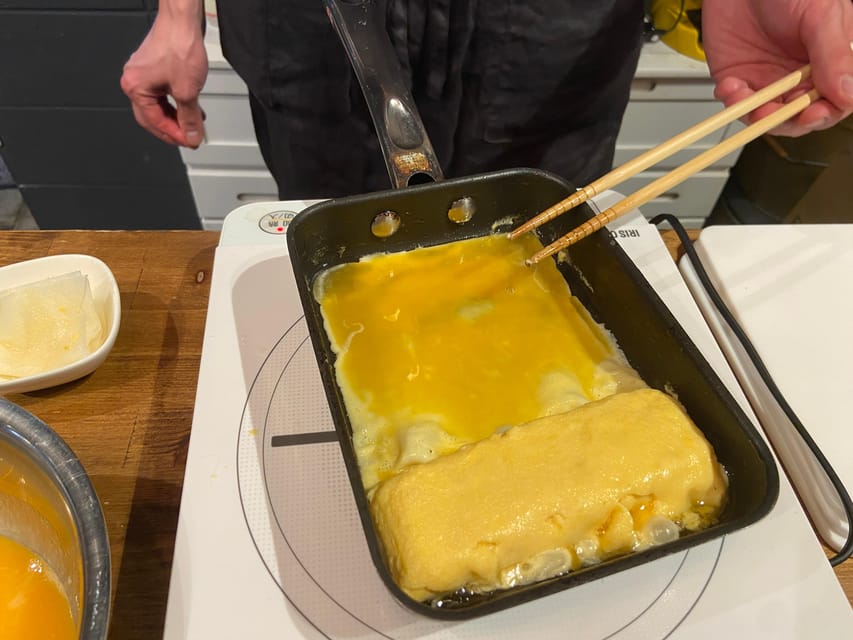
The Japanese rolled omelette (often called dashimaki) is another signature bento item. It looks simple until you try it, because the technique is all about controlled cooking and shaping. Even if your first attempts are imperfect, you’ll get direct coaching on how to manage the pan and timing so the omelette layers come out right.
Tofu Salad
Your tofu salad rounds out the meal with a lighter, fresh element. This dish tends to feel comforting and balanced after frying, and it’s exactly the kind of component that makes bento feel complete. You’ll learn how to handle and combine ingredients so the salad tastes intentional, not like a leftover side.
Tempura
Finally, you cook your tempura so you end with both texture and crunch. Tempura gives the bento the kind of contrast that makes the box feel special even on a regular day.
Utensils, Equipment, and Why It Feels Like Real Cooking
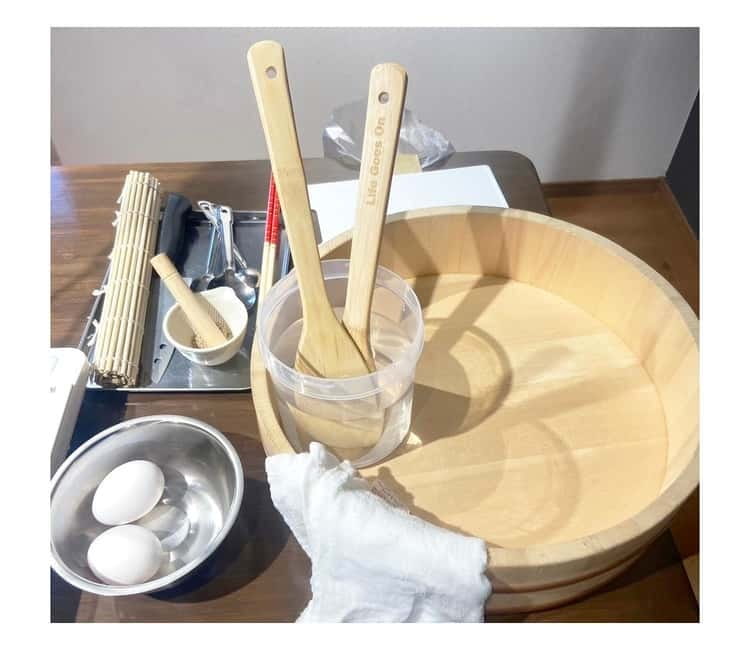
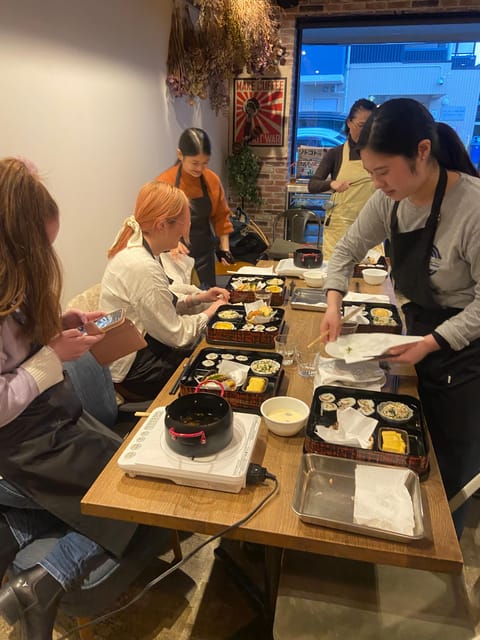
One reason this class gets strong reviews is that it feels organized like a real kitchen setup. You get aprons and equipment, and each dish is taught with the right tools and techniques for the job.
That matters because Japanese cooking often depends on small details. The right utensil for a dish, the right handling of ingredients, and the right sequence all reduce frustration. Instead of guessing, you’re working with a chef who can correct your form and explain the why behind the step.
Eating Together, Not Just Finishing a Task
After you cook your bento components, you sit down and eat together while chatting with the class. This is not only a meal, it’s a reset point that lets you reflect on what you learned.
If you enjoy asking questions, this part of the experience is where you can connect technique to flavor. You can also compare results with others in the group and notice how small choices affect the final taste.
The setting is also part of the appeal. Since the class is limited to five participants, it’s more relaxed than big group cooking shows. You get time to talk and not just rush from station to station.
Language and Communication That Actually Helps
The instructor speaks English and Japanese, which is a practical advantage. If you’re traveling in Japan, you can usually get by with basic phrases, but cooking is where language gets tricky fast. Here, English explanations help you understand steps and timing, and you can still benefit from Japanese terms the chef shares as part of the cultural context.
Many participants specifically highlight clear communication and helpful explanations. That’s the difference between a class that’s only entertaining and one that’s truly useful.
Instructor Styles You Might Meet
The chef for this experience is listed as Yamamoto Rie, and you may also be taught by other instructors such as Chef Ai or Chef Miyu depending on the day. In some sessions, a helper such as Nana may join as well.
The takeaway for you is this: the class is built around teaching technique and helping you execute. So even if your chef name changes, you can expect the same core focus on washoku bento skills, tempura, dashi, knife approach, and hands-on cooking.
Price and Value: Is $58 Worth It?
At $58 per person for 150 minutes, this class is priced in the “serious experience” range, not a casual demo. The value comes from what’s included: instructor time, ingredients, equipment and aprons, and four bento dishes made by you.
You also get a small group format, max five participants. In cooking classes, group size directly affects how much personal instruction you receive. If you’ve done classes where you feel like an observer, you’ll appreciate the hands-on structure here.
One more value point: many people report getting recipes after the class, which extends the usefulness beyond the kitchen time. Even if you don’t cook every component again soon, having a method for dashi and basic bento building makes it easier to repeat what you learned.
Who Should Book This Bento Class
This class is a great fit if you:
- Want a hands-on meal experience in Kyoto that goes beyond eating
- Like practical skills, especially dashi, tempura frying, and knife technique
- Prefer small-group instruction where you can ask questions
- Want a lunch you can recreate, not just a one-time tasting
It may not fit if you:
- Need accessibility support, because the activity is listed as not suitable for wheelchair users
- Have diabetes, since it is listed as not suitable for people with diabetes
- Are traveling with young children, since it is not suitable for children under ages 2, 3, and 4 (and babies under 1 year)
Should You Book This Kyoto Washoku Bento Class?
I think you should book if your goal is skill and confidence. The best part of this class is that it teaches you the mechanics behind Japanese home cooking: how dashi builds flavor, how tempura gets crisp, and how knife work shapes results. Then you apply those skills immediately by cooking a full bento box and eating it while it’s still fresh.
If you’re the type who enjoys structured practice, you’ll leave feeling proud, not just full. If you’re the type who worries about being late, plan extra buffer time to Kyoto Laundry Cafe. Get there early, show up ready to cook, and you’ll turn a Kyoto afternoon into a repeatable lunch skill set.
More Workshops & Classes in Kyoto

More Cooking Classes in Kyoto
More Tour Reviews in Kyoto


Not for you? Here's more nearby things to do in Kyoto we have reviewed







Kyoto Cooking Classes, compared.
 ★ 5.0Ramen Cooking Class at Ramen Factory in KyotoFrom $1311,937 reviews
 ★ 5.0Sushi Making in Kyoto! Same-day bookings welcome!From $53713 reviews
 ★ 4.9Ramen Cooking Class at a Ramen Factory with SouvenirFrom $127532 reviews
 ★ 5.0Ramen, Gyoza, and Onigiri Cooking ClassFrom $90445 reviews
 ★ 5.0The Original Small-Group Sushi Making Class in KyotoFrom $69436 reviews
 ★ 5.0Kyoto Ramen and Gyoza Cooking Class with Professional ChefsFrom $86282 reviews
 ★ 4.9Afternoon Japanese Izakaya Cooking ClassFrom $67241 reviews
 ★ 5.0Izakaya Style Cooking ClassFrom $71219 reviews
Browse the lists this tour appears in