
Reviewed · KYOTO COOKING CLASSES
Kyoto: Afternoon Japanese Izakaya Cooking Class
Kyoto smells like soy, ginger, and hot grill smoke. An afternoon izakaya cooking class turns that mood into hands-on learning, with you cooking multiple Japanese home dishes and then eating what you make. I like that the class is built in two cooking rounds, so you get real practice instead of one single demo.
Two standout wins: you get clear English instruction step-by-step, and you leave with a recipe set you can actually follow back home. One thing to consider, though, is the pace. It’s interactive, and you’re expected to keep moving and talking while you cook and eat.
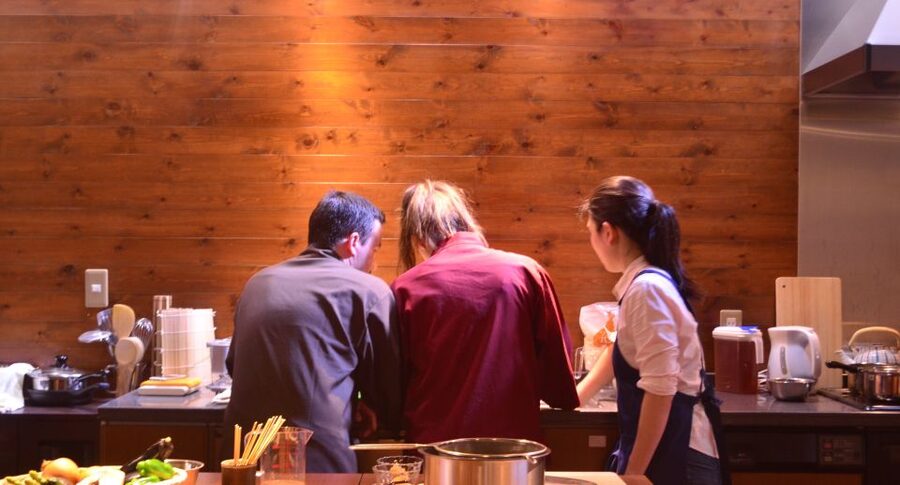
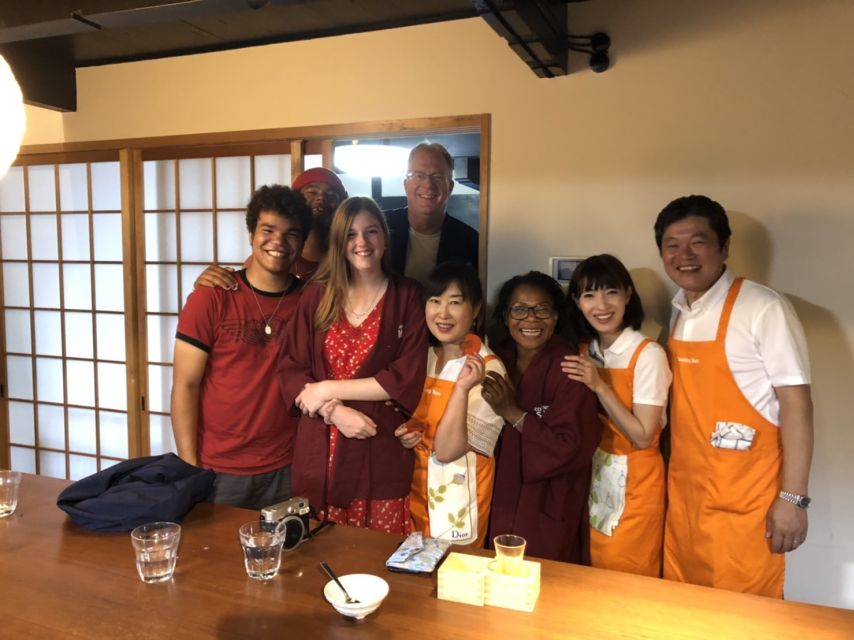
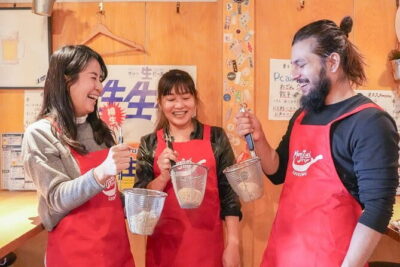
You’ll meet at Cooking Sun in Shimogyo Ward, and the atmosphere feels like a friendly neighborhood kitchen. In past sessions, instructors have included English-speaking guides such as Thatcher, and you may also see team members named Yumi and Yumiko leading parts of the lesson. If you’re worried about being a confident cook, don’t. Many reviews say even non-cooks can succeed because the workflow is organized and tasks are explained in simple order.
Key Highlights Worth Booking
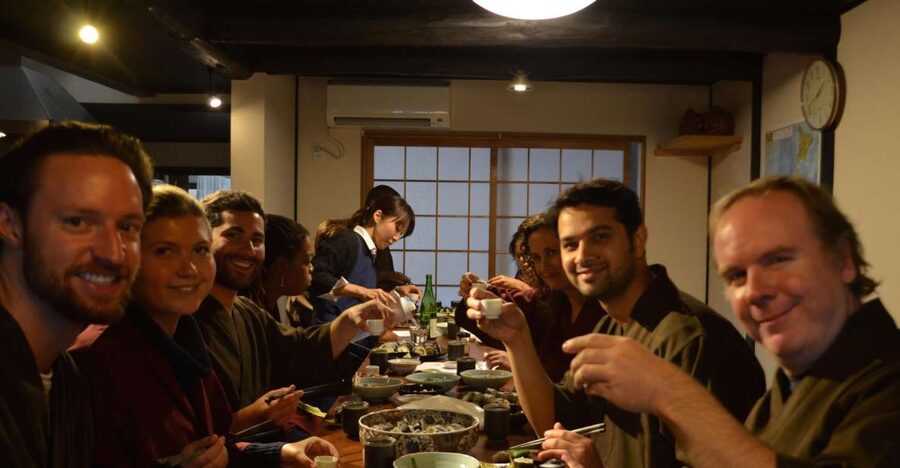
- Two-round format: Cook first, then cook again, and eat twice during the 3-hour flow.
- English-led, step-by-step teaching: Clear guidance that helps you finish dishes without guessing.
- Take-home recipe set: A written set you can use later, not just a quick souvenir.
- Izakaya-style dining energy: You talk with the chef while cooking and eating, not in silence.
- Menus can include favorites like okonomiyaki: Some classes specifically mention it as a highlight.
- Dietary needs can be handled: A vegetarian request was met with separate utensils and pans in one review.
Kyoto’s Afternoon Izakaya Cooking Class, What You Actually Do
This is a 3-hour, afternoon-focused way to learn Japanese food culture without spending your whole trip in line. The point is simple: you cook Japanese home dishes in an izakaya style setting, where food, conversation, and timing all matter.
The structure is also practical. You don’t just watch. You work at the counter, with ingredients, tools, and instructions timed so you finish dishes as a group.
You can also read our reviews of more cooking classes in Kyoto
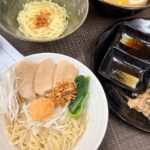
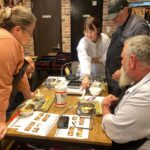
What that means for you
If you like learning by doing, you’re in the right place. You’ll also get a better sense of what Japanese home cooking feels like day to day, not just how dishes look in photos. Many reviews emphasize how the recipes are written so you can repeat them later, which is rare for short experiences.
What you might find challenging
It’s not a slow cooking day. It moves. Expect multiple tasks, short explanations, and quick resets between steps. If you hate multitasking in the kitchen, you may need to mentally prepare for a steady rhythm.
Getting There at Cooking Sun (Shimogyo Ward) and What to Bring
The meeting point is Cooking Sun, Funayacho, Shimogyo Ward, Kyoto (Kyoto 600-8466). Plan to arrive a bit early so you can settle in before cooking starts.
You don’t need to bring cookware or an apron. Aprons and utensils are included. Still, I recommend you bring:
- A basic water bottle mindset (hydration helps when cooking is active)
- Closed-toe shoes, especially in older neighborhood buildings where floors can be busy
Because the class is wheelchair accessible, the space is set up with that in mind. If you have specific mobility or transfer needs, you’ll want to communicate them clearly when booking, since the class relies on you moving through the kitchen workflow.
Round One: Cooking 2 to 3 Home Dishes With Your Chef
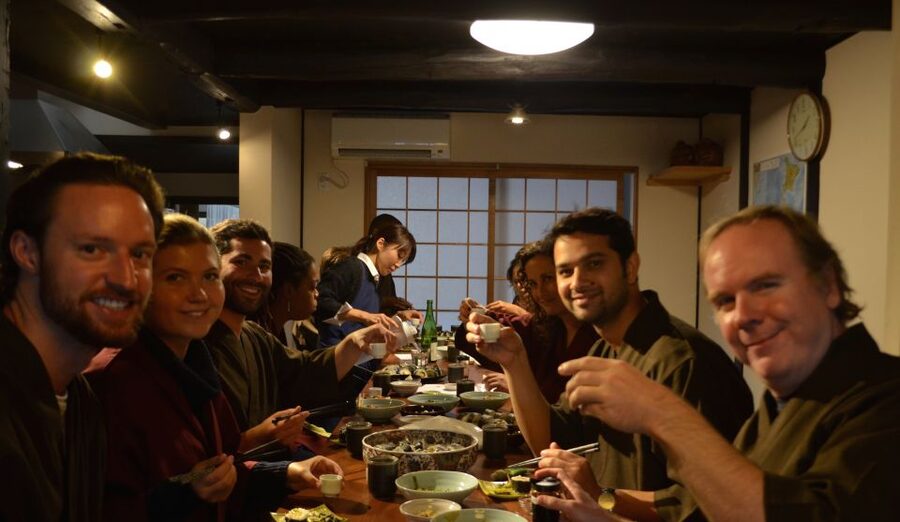
The first cooking round is where you build momentum. You’ll cook 2 or 3 dishes together with your chef, following guided steps as the class gears up.
This is the part that most people end up remembering: the sense of, okay, I can do this. Reviews repeatedly highlight that the instructors keep instructions simple, with the kind of timing that prevents beginners from falling behind.
You can also read our reviews of more drinking tours in Kyoto


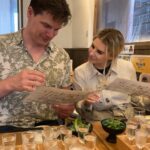


A few dish clues to look for
The exact menu can vary, but you can take a strong hint from what shows up in strong reviews. One person called out okonomiyaki as the best they’ve had. Another mentioned starting with making dashi broth. Also, multiple reviews mention pantry staples like mirin and dashi, which tells me the class often teaches seasoning foundations rather than only flashy plating.
If you’re new to Japanese cooking, that foundation matters. Dashi and mirin are not random ingredients. They’re part of how Japanese kitchens build flavor layers fast.
What makes this round useful
You’ll practice technique, not just recipes. Even if you end up with different dishes than another person, the method is consistent:
- ingredients are portioned and organized,
- tasks are broken into doable steps,
- and you get immediate feedback through the process.
That’s the value. You’re learning what to do next, not memorizing a list.
Round Two: Learn Another 2 to 3 Dishes, Then Eat Again
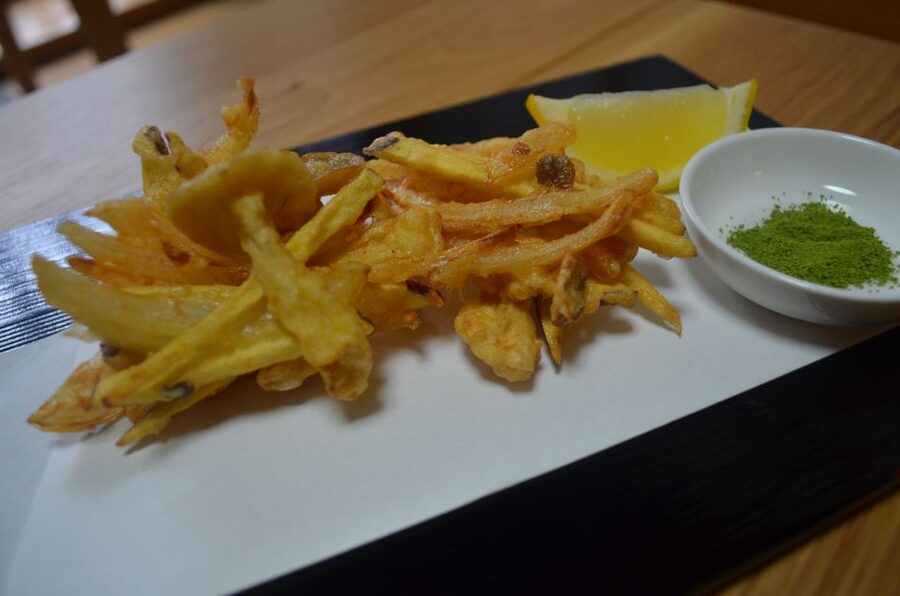
After the first meal cycle, you head back into the kitchen for 2 to 3 more dishes. Then you return to eat once more.
This second round is a smart design choice. It teaches you how to keep your flow going when the kitchen gets busy. It also gives you a fuller picture of izakaya-style eating, where the best meals are a collection of items, not one single centerpiece.
Why the two-round approach is better than one big recipe
A one-dish class can be fun, but it often leaves you with a narrow idea of Japanese cooking. A two-round class spreads your learning across multiple textures and flavors. One review said the pace felt fast, but it worked because the class packed in a lot of meaningful cooking.
So if you’re short on time in Kyoto, this format is efficient. You get several dishes, proper instruction, and a complete experience, all in one afternoon.
The eating part matters
You’re not just tasting bites during a demo. You cook, then you eat the dishes. That reinforces flavor decisions while they’re fresh in your mind.
It’s also where the izakaya vibe comes through. One review mentioned being ready to talk with your chef while cooking and eating at the same time, which is very much how casual Japanese dining runs.
The Instructors, English Support, and a Friendly Kitchen Atmosphere
This class runs with an English-speaking instructor. That’s not just a comfort perk. It changes how much you learn because you can ask questions in real time.
In reviews, the standout theme is tone. The guides are relaxed, informative, and genuine. Names that came up include Thatcher, Yumi, and Yumiko. Multiple reviews also called out friendly staff and clear explanations that make the kitchen feel manageable.
If you’re worried you won’t understand Japanese cooking
You’ll likely be relieved. Reviews repeatedly mention that tasks feel easy to follow because instruction is step-by-step. One reviewer even noted they were skeptical at first but still had a great experience, including for someone who isn’t a fan of cooking.
And for experienced cooks, there’s still value. One chef of 30 years said they learned a lot. That usually means the class focuses on fundamentals and technique choices, not only beginner tricks.
Dietary needs are taken seriously
If you have dietary requirements, the key detail is this: you should tell the local supplier upon booking. One review specifically mentioned vegetarian accommodation with separate utensils and pans, which is exactly what you want to hear when you’re planning food carefully.
Price and Value: Is $67 Worth a 3-Hour Kyoto Class?
At $67 per person for a 3-hour class, this sits in the “worth it if you’ll use it later” category. Here’s how I’d judge value for you:
What you’re paying for
- Hands-on cooking for multiple dishes across two rounds
- Ingredients included
- Apron and utensils included
- English instruction
- A take-home recipe set, repeatedly mentioned as detailed and easy to follow
The best value test is simple. If you think you’ll cook Japanese food again at home, this price makes sense because you leave with a usable system, not just a meal.
Why it’s more than a meal
Many cooking classes are basically a guided snack. This one is set up so you do the work, learn the steps, then eat what you made. That creates payoff in two places: during the 3 hours and later when you try the recipes.
If you’re trying to choose between a class and another pricey Kyoto experience, pick the one that gives you skills. This one leans hard into skills.
What You’ll Learn Beyond Recipes (The Izakaya Mindset)
Japanese food isn’t only about taste. It’s also about timing, seasonality, and how dishes share a table. Even in a short class, you’ll absorb that mindset.
From the review themes, here’s what you can expect to take away:
- How savory broth and seasonings build flavor (dashi and mirin show up in discussion)
- How to break cooking into small steps without losing the end result
- How to cook dishes that feel at home in casual dining, like izakaya plates
The izakaya angle is useful for visitors. It teaches you how Japanese people actually eat for fun. Instead of thinking, I need one perfect dish, you think, I’ll enjoy a set of items, each with its own role.
Who This Kyoto Cooking Class Fits Best
This class is a good match if:
- you want a hands-on Kyoto activity that isn’t all shopping or temple lines
- you like food culture as something you can learn through technique
- you want recipes you can reproduce at home, even if you’re not a confident cook
It’s also a smart pick for small families and mixed groups. One review mentioned a whole family enjoying it, including teenagers. Another review said it worked even with a vegetarian request. That suggests the instructors can handle different comfort levels and needs.
If you’re coming only to eat and do zero cooking, you might feel it’s too hands-on. But if you’re willing to work for your meal, it’s a strong choice.
Should You Book Kyoto’s Afternoon Japanese Izakaya Cooking Class?
If you want a real cooking skill, not just a photo with food, I’d book it. The reasons are consistent in the feedback: clear English teaching, organized steps, delicious results, and a recipe set that helps you recreate dishes later.
Book it sooner rather than later if:
- you’re short on time in Kyoto but want a high-value food experience,
- you’d like a calmer break from sightseeing,
- or you want something you can bring home, literally, in your kitchen.
Skip it only if you strongly dislike fast-paced group cooking or you need a very quiet, sit-and-watch style experience. Otherwise, this is the kind of afternoon you’ll remember when you’re cooking Japanese food months down the road.
FAQ
How long is the Kyoto Afternoon Japanese Izakaya Cooking Class?
The class lasts 3 hours.
What is the price per person?
The price is $67 per person.
Will the class be taught in English?
Yes, the instructor teaches in English.
How many dishes will I cook?
The class is split into two parts. In the first part you cook 2 or 3 dishes, then you cook another 2 or 3 dishes in the second part, with eating at the end of each portion.
Where do I meet the class?
You meet at Cooking Sun, Funayacho, Shimogyo Ward, Kyoto, Kyoto 600-8466.
Is the class accessible for wheelchair users?
Yes, it is wheelchair accessible.
More Drinking Tours in Kyoto


More Cooking Classes in Kyoto


More Tour Reviews in Kyoto


Not for you? Here's more nearby things to do in Kyoto we have reviewed





Kyoto Cooking Classes, compared.
 ★ 5.0Ramen Cooking Class at Ramen Factory in KyotoFrom $1311,937 reviews
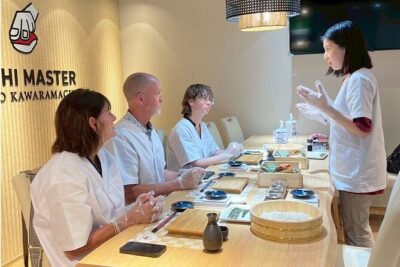 ★ 5.0Sushi Making in Kyoto! Same-day bookings welcome!From $53713 reviews
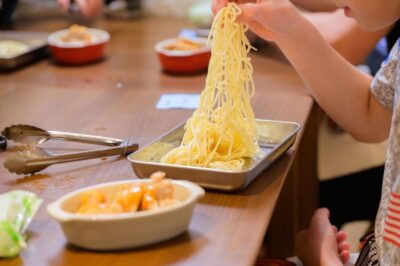 ★ 4.9Ramen Cooking Class at a Ramen Factory with SouvenirFrom $127532 reviews
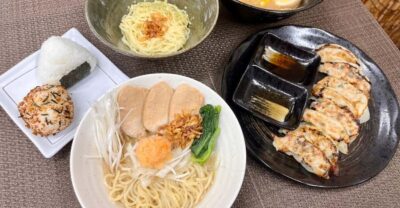 ★ 5.0Ramen, Gyoza, and Onigiri Cooking ClassFrom $90445 reviews
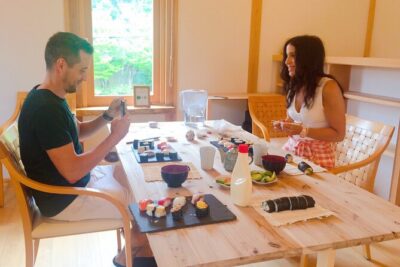 ★ 5.0The Original Small-Group Sushi Making Class in KyotoFrom $69436 reviews
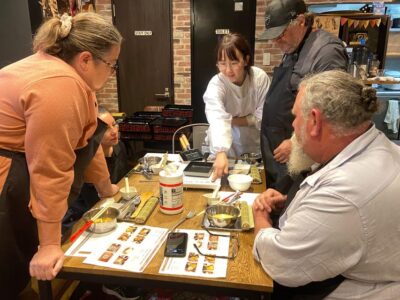 ★ 5.0Japanese Washoku Bento Small Group Cooking ClassFrom $58380 reviews
 ★ 5.0Kyoto Ramen and Gyoza Cooking Class with Professional ChefsFrom $86282 reviews
 ★ 5.0Izakaya Style Cooking ClassFrom $71219 reviews
Browse the lists this tour appears in