
Reviewed · KYOTO TEMPLE & SHRINE TOURS
Sacred Pathways: Discover the Philosopher’s Path of Kyoto
Kyoto’s Philosopher’s Path is peaceful walking, not a race. This small-group tour follows the tree-lined canal beside the stream, with stops that connect Zen ideas to what you actually see. You move at a chill pace, with nature, gardens, and temple details along the Eastern mountains.
Two things I really like are the quiet, low-crowd feel and the way the guide turns temple scenes into understandable stories. The possible downside is that it’s about 5 km of walking, so you’ll want a decent fitness level.
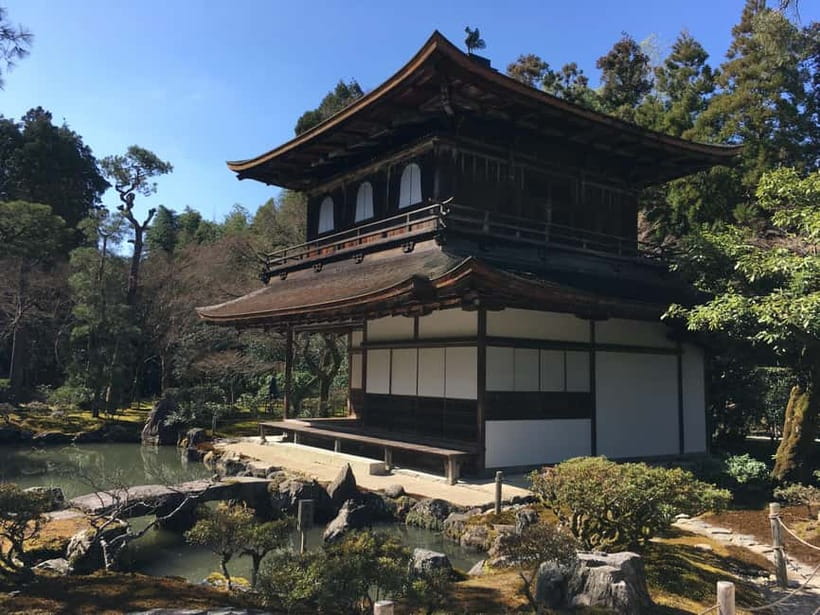
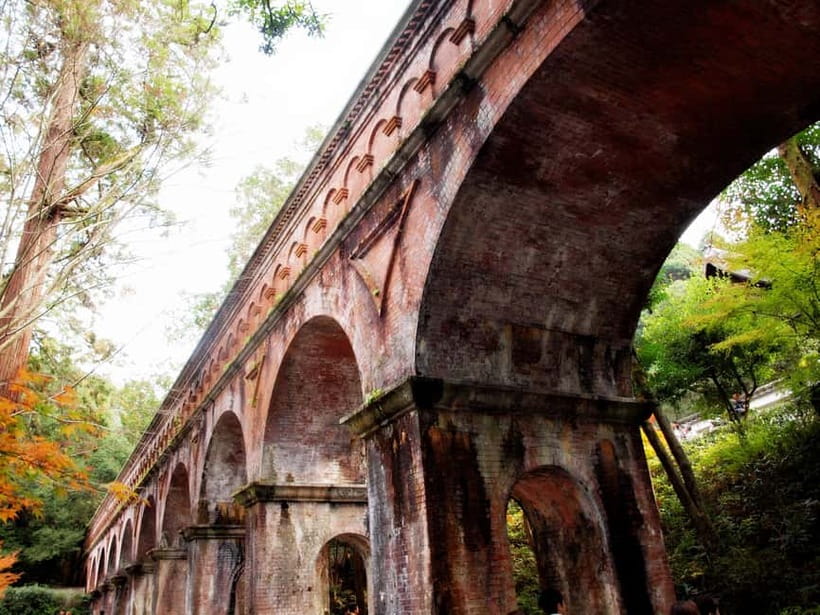
The big “wow” moments are Ginkakuji Temple’s garden, with carefully raked gravel and stones you notice more when someone explains the logic, and Nanzenji’s striking temple grounds with its imposing aqueduct. I also love that you don’t need cash for temple entry, because all entrance fees are included.
If you’re traveling with young kids, this one may not work as-is since children under 10 are not suitable.
Key Things That Make This Tour Worth Your Time
- Philosopher’s Path pace: a steady walk that leaves room for photos and calm stops
- Ginkakuji garden details: the Zen look of gravel, stones, and moss becomes easier to appreciate
- Nanzenji aqueduct stop: impressive architecture adds variety beyond gardens
- Small group format: no bus energy, and not more than eight people
- Fees handled for you: entrance tickets are included, so your day stays simple
Philosopher’s Path Walking, Stream Sounds, and Morning-Quiet Vibes
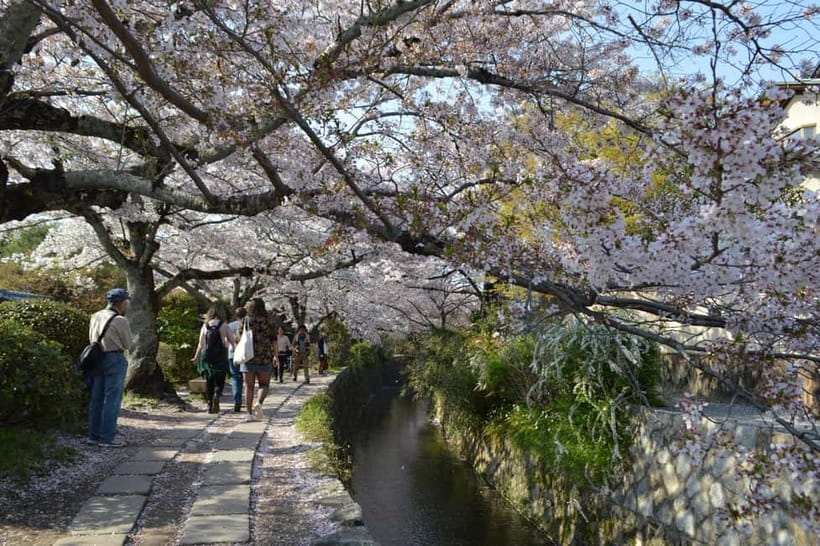
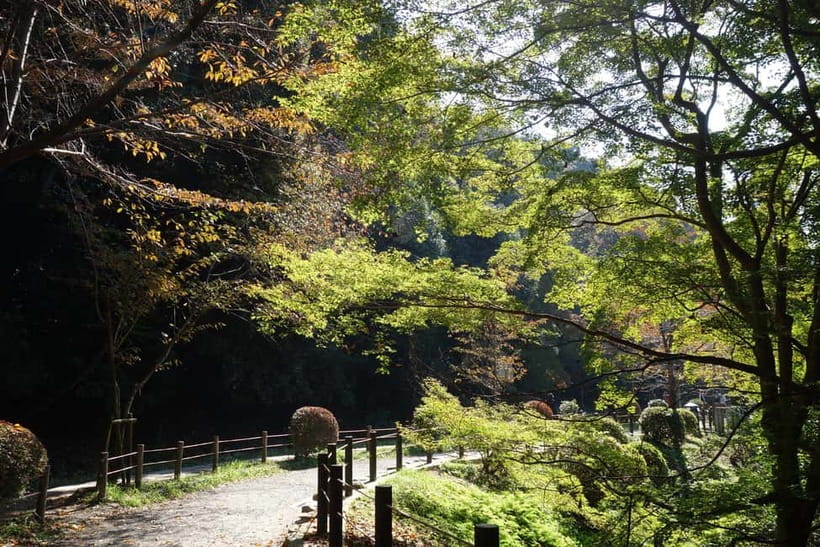
Kyoto’s Philosopher’s Path is the kind of place where you start slowing down without trying. The path hugs the foot of the Eastern mountains, and it runs alongside a tree-lined canal with a stream you can actually hear. That constant soft sound does a lot of work for your mood, especially when your day in Kyoto usually includes crowds and queues.
What makes this tour feel different is the pacing. You’re not shuffled through stops. You walk, stop, look, and then keep going, which matters because the small visual stuff is the point here. Think about how the light hits dew on moss, how leaves rustle above the water, and how a garden design looks different once you notice the patterns.
Also, the route has practical comfort built in. Along the way, you’ll find small cafes and shops, so it’s easy to take a pause for tea or browse without turning the walk into a strict itinerary problem. This matters if you like your sightseeing days to feel human, not scheduled to the minute.
You can also read our reviews of more tours and experiences in Kyoto.

Ginkakuji Temple and the Zen Garden That Teaches You How to Look
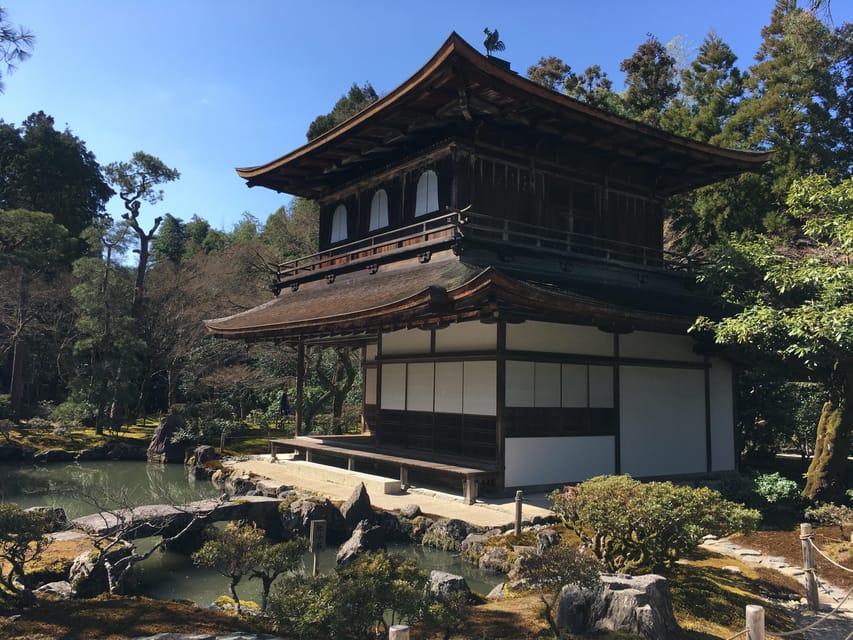
Ginkakuji Temple, often called the Silver Pavilion, is one of those places where the garden doesn’t just look pretty, it teaches your eyes. The standout here is the Zen garden style: meticulously arranged gravel, artfully placed stones, and that sense of calm structure. When you walk through without context, it can be easy to think it’s simply decorative. With a guide, it becomes visual thinking.
I like that this stop is treated as a real experience, not a quick photo pull. You’re given time to absorb the garden’s logic, from the raked gravel texture to the way moss can soften the whole scene. The result is that you start noticing how the garden guides your attention, almost like a quiet lesson in composition.
This is also where the tour’s Zen focus starts paying off. Zen influence isn’t only about temples you visit. It shows up in how Japanese art, aesthetics, and even everyday thinking value restraint and observation. If you care about culture beyond sightseeing checklists, this garden stop is a strong reason to choose a guided day.
A small practical consideration: gardens can feel more fragile than they look, so you’ll want to keep your footsteps careful and follow any on-site guidance. If you plan to photograph, go slow. The best angles are often the ones you discover by pausing for a few seconds longer than you planned.
Nanzenji’s Aqueduct: When Kyoto Gets Big, Stone-Cool, and Architectural
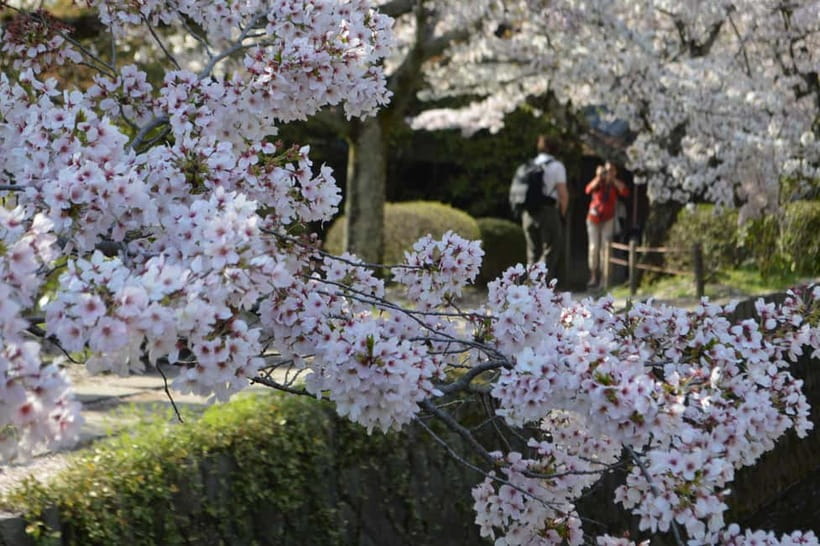
Nanzenji brings a different kind of wow. Instead of focusing mainly on garden neatness, you get impressive temple architecture and an imposing aqueduct that makes the whole setting feel more dramatic. It’s a striking contrast within the same half-day, and it keeps the walk from becoming too one-note.
This stop also adds depth to your understanding of Zen spaces. You start to see that Zen in Kyoto isn’t only about quiet gravel and stones. It’s also housed in large, serious structures that were built to last and designed to shape how you move through the area.
And because you’re on a chill pace schedule, you should get enough time to notice details without feeling rushed. If you like architecture, you’ll probably spend extra moments looking up and around. The aqueduct area can feel like you’re stepping into a different scale of Kyoto history, one where engineering and spirituality share the same ground.
If it rains, the atmosphere can shift in a way that changes how gardens and stone surfaces read. Wet light tends to soften contrasts, and that can make temple textures and moss look extra vivid. Just be ready with rain protection so you can keep enjoying the day instead of thinking about getting dry.
The Bilingual Guide Factor, and Why Stories Change the Whole Day
The guide isn’t just there to point. They connect what you’re seeing to why it exists. You get insights into Zen and how it influenced arts and culture, and the explanations help the temples land with more meaning than a simple map-based visit.
I love the small-group setup here. The tours run with no more than eight people, and the format avoids the usual group-tour tools like flags and mics. That translates into a better experience on the ground. You can hear your guide, you can ask questions, and you’re not constantly dodging other groups.
From the guide examples shared with this experience, you may get hosts like Kevin or Craig. Their role is especially valuable when you want to understand details that tourists often miss. People tend to remember gardens and aqueducts, but the real payoff is how quickly context makes those scenes click.
If your travel style includes asking, Why is this arranged that way, or What does this symbol mean, you’ll get a lot out of the explanations. It’s also a useful approach if you want a day that feels relaxed but still genuinely informative.
Price and What Your $64 Ticket Buys in Real Value
At $64 per person for a 4-hour experience, the headline price looks straightforward. The real value comes from what’s included. All entrance fees are covered, and that’s not a small thing in Kyoto. Temple entry adds up, and it’s one less hassle when you’re walking all day.
You also get a bilingual guide and a digital city guide, which helps you continue the story later, not just while you’re standing in front of a gate. When you’re spending only half a day in one area, interpretation matters. You’re not paying just for walking, you’re paying for understanding.
Food and drinks are not included, so budget for tea stops if that’s your thing. The route has cafes and shops, and having time for a warm cup of tea is part of the charm. But you’re making your own choices, so you won’t feel locked into packaged meals.
Overall, this feels like the kind of pricing that works best when you want more than photos. If you love Kyoto but don’t want to spend your time reading signs and guessing, the included guidance turns the day into better value than a do-it-yourself walk.

How the Timing Works for a 4-Hour Day on Foot
This is a half-day style experience. You get 4 hours, and it includes a relaxed stroll with multiple stops. The key is that the schedule supports a slow pace, so you’re not constantly moving from one checkmark to another.
Plan for the walk portion to be continuous enough to add up. The tour is about 5 km (3 miles) total walking, so treat it like an active city stroll, not a casual promenade. There are chances to pause, and you can likely fit in a short tea stop thanks to the character of the route, but your feet will still do real work.
The meeting point can vary by option booked. So instead of showing up with guesswork, confirm the exact spot for your chosen departure time and arrive on time. Kyoto is easy to navigate, but a timed meeting still benefits from punctuality.
If you’re pairing this with other Kyoto highlights later the same day, I’d keep your expectations realistic. You’ll likely feel pleasantly tired by the end, since you’re mixing walking with temple time and garden viewing.
Walking Fitness, Age Limits, and Who This Tour Fits Best
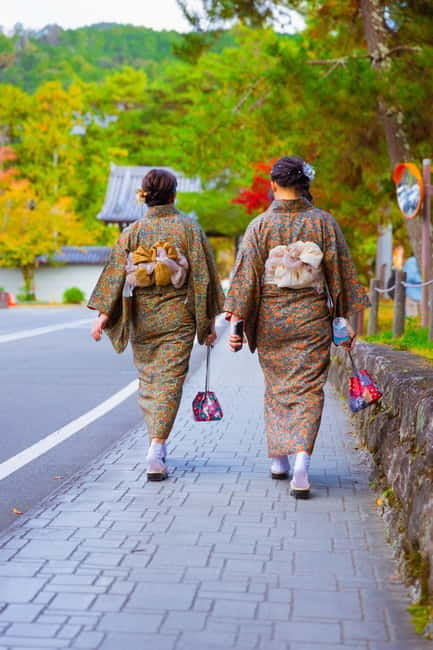
The big practical filter is fitness. Since you’ll walk around 5 km, you should have at least moderate comfort with walking in city and temple settings. Uneven ground can be part of temple areas, and gardens often have paths that are not designed for fast movement.
This tour also has clear age boundaries: children under 10 are not suitable. If you’re traveling with kids under ten, you’ll need to enquire about a private option. On the other end, it’s not suitable for people over 95.
If you’re a solo traveler who wants a calm day without the pressure of crowds, you’ll likely enjoy the small group format. If you’re with a friend or partner and you prefer a guide-led pace, this also works well because you can both absorb the sights without constantly splitting attention.
If you hate walking or need a fully seated option, this one may be a mismatch. The tour is designed around movement along the Philosopher’s Path, not just a short stop-and-go route.
Should You Book Sacred Pathways: Discover the Philosopher’s Path of Kyoto?
I’d book this tour if you want Kyoto to feel calm, natural, and meaningful. It’s a strong choice if you care about Zen and want your eyes to understand what they’re seeing, especially at Ginkakuji Temple and the Zen garden design. The Nanzenji aqueduct stop adds variety and makes the half-day feel more complete.
Choose another option if you can’t manage about 5 km of walking, or if you’re traveling with children under 10 and don’t want to enquire about a private setup. Also, if you prefer totally independent temple exploring with zero guidance, you might not get the same advantage from the guide-led context.
If your goal is a relaxed, well-paced walk with entrance fees handled and a bilingual guide telling you the stories behind the stones, this experience makes a lot of sense.
FAQ
How long is the Sacred Pathways tour?
The tour lasts 4 hours.
About how much walking is involved?
It is about 5 km (3 miles) of walking.
What is included in the price?
All entrance fees are included, along with a bilingual guide and a digital city guide.
Do I need cash for temple tickets?
No. Entrance fees are included, so you do not need to bring cash for those entries.
Are food and drinks included?
No. Food and drinks are not included.
What languages are the tours offered in?
The live guide is available in English and French.
What group size should I expect?
This is a private or small group tour, with no more than eight people per tour.
Is it allowed to bring a drone?
No. Drones are not allowed.
More Tour Reviews in Kyoto
Not for you? Here's more nearby things to do in Kyoto we have reviewed





Kyoto Temple & Shrine Tours, compared.
 ★ 4.9Tea Ceremony Ju-An at Jotokuji TempleFrom $293,207 reviews
 ★ 4.8Arashiyama Bamboo, Temple, Monkeys, or Secret Sake BreweryFrom $87886 reviews
 ★ 5.0Arashiyama Bamboo Forest, Monkeys, Matcha & Temple TourFrom $53759 reviews
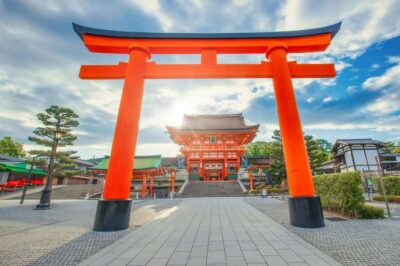 ★ 4.4Osaka/Kyoto: Arashiyama, Nara & Fushimi Inari Shrine w/LunchFrom $61754 reviews
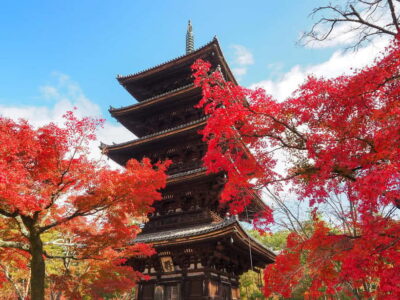 ★ 4.2Ninnaji Temple Entry TicketFrom $5650 reviews
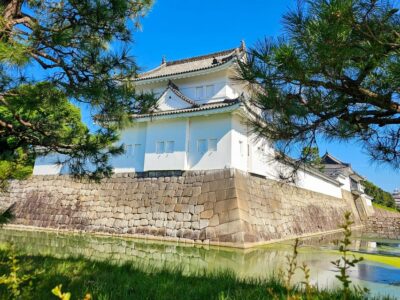 ★ 4.7Imperial Palace & Nijo Castle Guided Walking TourFrom $49453 reviews
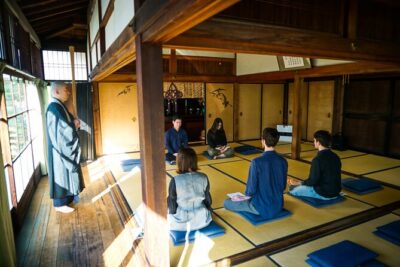 ★ 5.0Kyoto Zen Meditation & Garden Tour at a Zen Temple with LunchFrom $110441 reviews
 ★ 5.0Zen Experience in a Hidden TempleFrom $109437 reviews
Browse the lists this tour appears in