
Reviewed · KYOTO TEA CEREMONIES
Tea ceremony and kimono experience at Kyoto, Tondaya
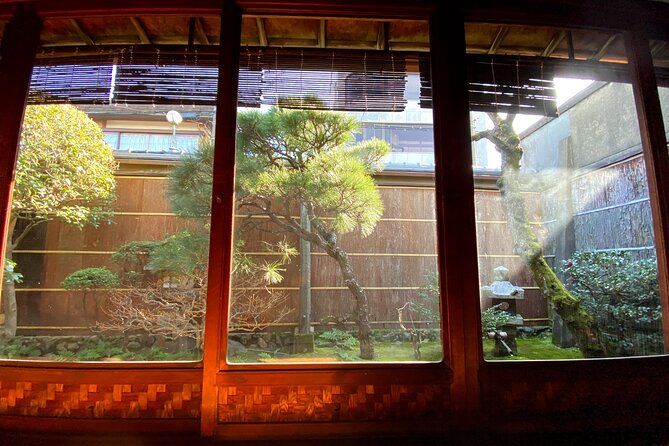
That first inhale of matcha aroma feels like Kyoto. This tea ceremony and kimono experience takes place inside a real machiya, a traditional wooden townhouse, and you also get dressed in an elegant kimono that turns your photos from typical sightseeing to something special. The best parts are the historic house setting and the hands-on way the staff guide the tea moment without making you worry about getting it wrong. One thing to consider is that this is a group experience, so during busy sessions the tea room can feel crowded and the ceremony can be harder to see or hear clearly.
You’ll spend about 1 hour 30 minutes at Tondaya-Nishijin Japanese Cultural Experience Museum in Kyoto, starting with a quick kimono fitting, then exploring the house, and ending with a tea ceremony where you drink matcha and a sweet comes along. Since time can shift based on crowding, I’d plan your day with some flexibility and avoid tight connections right after.
Key takeaways before you go
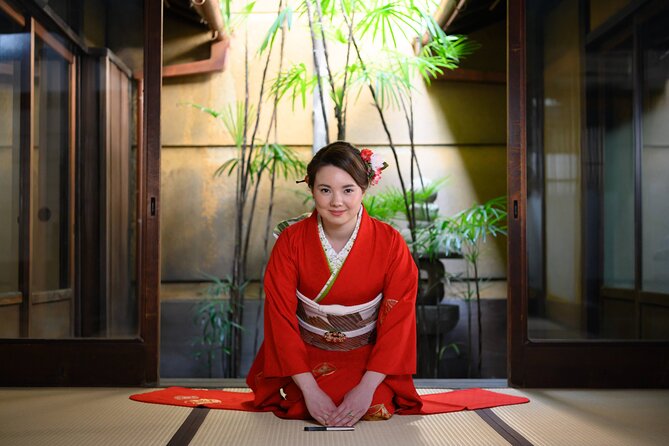
- A machiya townhouse, not a generic venue: The ceremony happens in a historic Kyoto house space.
- Silk kimono fitting on arrival: You’re dressed promptly, then you get time for photos around the home.
- Tea ceremony plus a house tour flow: You don’t just watch tea, you also walk through the traditional rooms.
- Expect a group setup: Some sessions can feel tight, so private is a smart choice if you want more visibility.
- Socks are required: Bring them to protect the cultural setting, or buy them there.
- Location can be tricky: Signage isn’t described as strong, so using GPS can save stress.
A real Kyoto house for kimono and tea
Kyoto has no shortage of things to book. The challenge is sorting what feels like culture from what feels like a photo stop with tea on the side. At Tondaya-Nishijin, you get both in one place: a traditional machiya townhouse setting and a formal tea ceremony sequence, with kimono dressing as the gateway into the experience.
I like that the experience is structured so you are not left scrambling. The process starts with getting into your kimono quickly, then you’re given room to breathe and look around. Even if you’re not a tea-nerd, you can still enjoy how the space, clothing, and ceremony work together to create a distinctly Japanese moment.
The “house first” approach also matters. Instead of starting with a lecture and then moving to something staged, you experience the rhythm of the home, including quiet architectural details and the seasonal-feeling atmosphere inside.
You can also read our reviews of more tours and experiences in Kyoto.

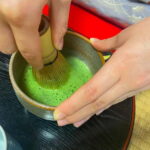
Tondaya-Nishijin: Nishijin cultural experience in a machiya
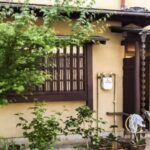
This experience is based at Tondaya-Nishijin Japanese Cultural Experience Museum at 697 Ishiyakushichō, Kamigyo Ward. The key word here is machiya. You’re in a historic wooden townhouse in Kyoto, now used as a cultural experience space.
A big part of why this works is that Kyoto’s machiya style is not just decorative. The rooms, the layout, and the way light and air move through the house are exactly the kind of details that make tea feel grounded. Some of the experience is also about showing you a side of Kyoto you might miss if you only stick to the biggest streets and most famous corners.
From the experience description, the townhouse was built during the Meiji period, and the house tour includes moments where you notice how seasonal breezes move inside. That sounds simple, but it helps you shift from tourist mode into “slow down and notice” mode.
Kimono fitting: silk, color choice, and photo time
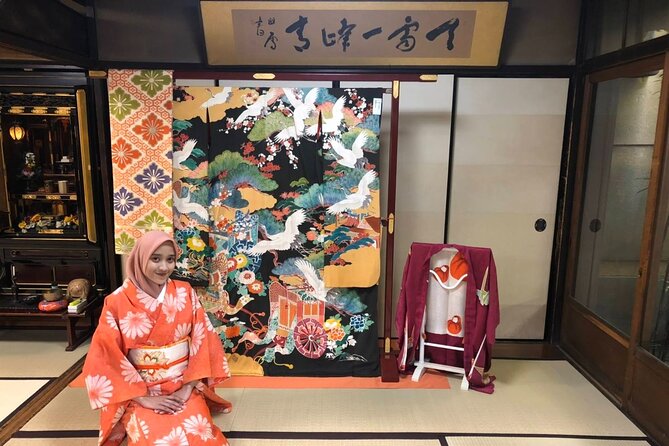
The experience begins with an on-arrival kimono fitting. The team fits you promptly in an authentic silk kimono. One of the most exciting practical details is that you’re not just handed a robe. You get dressed properly, and you also get a chance to select your kimono color choices.
After you’re in your outfit, you’re welcome to take photos around the house. This is not a small hallway situation. The machiya setting gives you real texture in your photos, and the staff’s calm, practical support helps you feel comfortable. A number of reviews point out that the kimono garments are well made and the whole dressing process feels respectful and skillful.
One practical thing: socks are required. The experience notes you should bring socks to protect cultural assets. If you forget, you could buy socks on site. And yes, you’ll want those socks to avoid slipping or feeling uneasy once you’re dressed.
Tip I’d follow: if you’re the type who wants great photos, don’t rush the photo portion. Use it to slow your pace inside the home, because the later tea room is where time can feel tighter.
The tea ceremony moment: matcha, sweets, and a guided flow
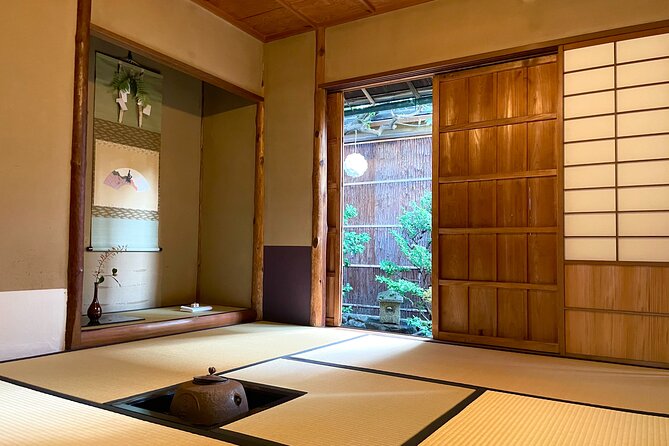
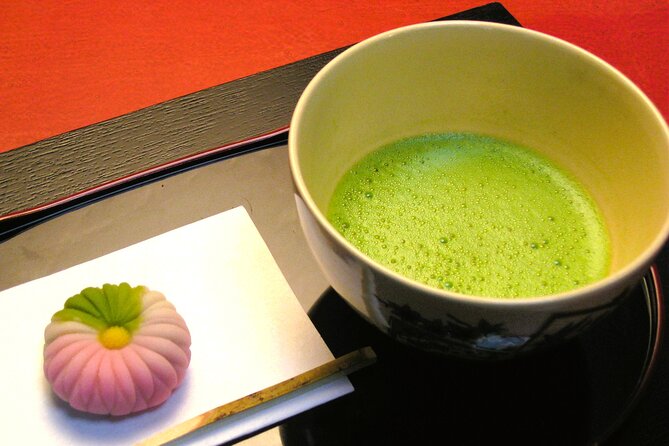
Once your kimono and house time are set, the tea ceremony takes place inside the townhouse. You watch a traditional tea ceremony performance and then participate in the tea ritual itself. You drink matcha tea, and a sweet is part of the experience.
There’s also an introduction video showing how to wear kimono and the process of the tea ceremony. That matters because even people who know nothing about tea can follow what comes next. You can focus on the sequence and the feeling of the ritual rather than translating every step in your head.
Since this is conducted in a group, the experience is not meant to feel like a private masterclass. It’s more like an organized, guided introduction. Some parts of the ceremony are clearly meant to be seen and learned, including instructions on the proper way to drink.
Here’s the consideration to plan around: in busier sessions, group size can affect visibility and sound. A handful of people mention that they could not clearly see or hear the tea host during crowded moments. That doesn’t mean the ceremony is bad. It means your enjoyment will depend on how packed your time slot feels and where you end up seated or standing.
If you care most about hearing every detail of the tea steps, consider choosing the private experience option. The tour description explicitly offers private for people who prefer a more quiet setting, and reviews suggest the difference is noticeable.
Walking the townhouse: Meiji-era rooms and quiet details
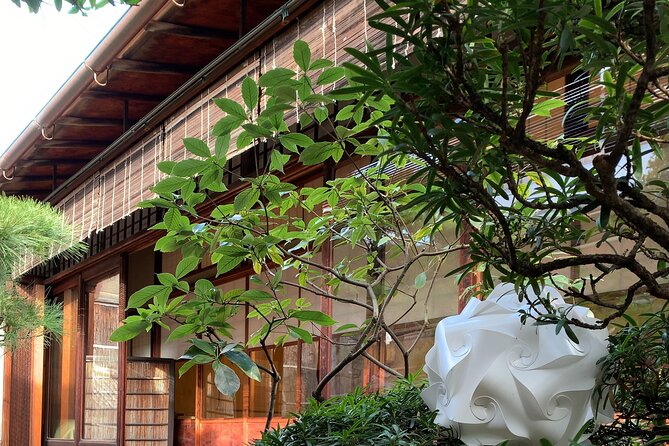
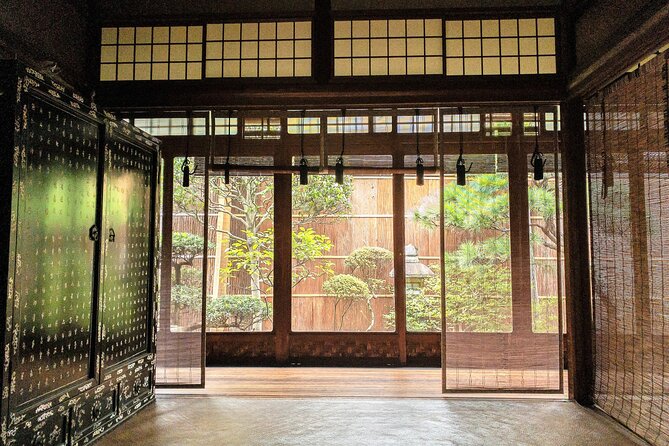
Between kimono dressing and tea, you also get to explore the machiya. You’re guided around a traditional home space built in the Meiji period, and the atmosphere is part of the point.
In reviews, people repeatedly praise how authentic the house feels. The furniture, the rooms, and the overall tone come across as a real cultural environment rather than a decorated set. Some visitors even describe the experience as not touristy, especially when things run smoothly and the group moves at a calm pace.
Even if you’re not obsessing over architecture, the house tour gives you context for why tea rituals belong here. Tea in Japan often connects to aesthetics, seasonality, and respectful attention to small things. When the setting is a real home with real age, that idea lands more easily.
One drawback to acknowledge: with larger groups, the tour pace can feel rushed. Some people mention difficulty moving through rooms without bumping into others. So if you want quiet and space to look, private again is the safer bet.
Time, group size, and how the experience “feels”
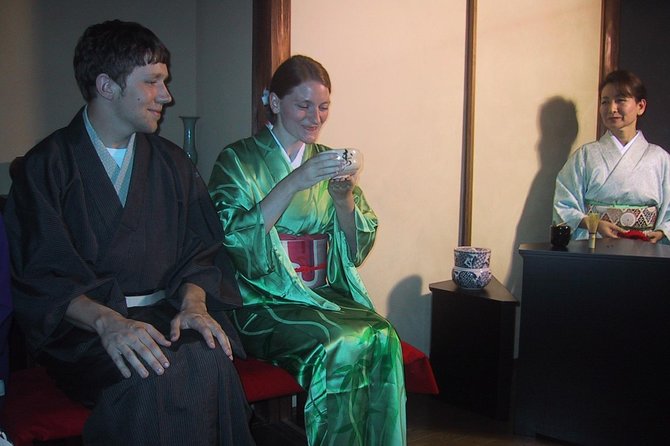
The maximum activity time is set at 1.5 hours. The tour notes that timing may vary depending on crowding, so treat this as a flexible block rather than a stopwatch promise.
The provider describes a maximum of 20 travelers, but in real life, what you experience can still feel crowded because you are sharing small spaces like dressing areas and the tea room. Reviews include reports of chaotic or overheated conditions in crowded tea rooms, along with moments where the explanation felt too brief.
That’s why I think of this experience as two things, and you should decide which one matters more to you:
- If you want kimono dressing in a real house plus a classic tea ritual, this is a strong option.
- If you want a long, deeply explained tea lesson with lots of time to see details up close, the group format can leave you wanting more.
You can also help yourself by not stacking this with another “must-see” attraction right afterward. Give yourself buffer time because the experience may run differently depending on the crowd.
Price and value: where your money goes
At $178.34 per person, this is not a budget activity. The value story is that your price covers three major components:
- the tea ceremony experience
- the kimono experience
- the entrance fee to the cultural space
So you’re paying for more than a show. You’re paying to be dressed properly, to access the machiya environment, and to take part in a structured tea moment. If you’ve been on other Kyoto tours that feel like quick photo stops, you’ll likely see why some people feel this is worth it.
But the price also sets a high expectation. Some reviews criticize the experience as overpriced for the short ceremony time and limited explanation. A few people also mention issues like tea taste, tea temperature, or the sweet being less special than expected.
My take for value: if you want an authentic setting and kimono dressing experience in a historic house, the cost can make sense. If you are coming mainly for tea expertise, you may feel the ceremony is too brief for the price, especially in groups.
A practical compromise: if you’re unsure, choose the private option. That often targets exactly the weaknesses people complain about, namely crowding and not being able to see or hear well.
Logistics that actually matter in Kyoto
This tour uses a mobile ticket, which makes it easier to manage your day once you’re in Kyoto.
The meeting point is near public transportation, so you should be able to reach it without a car. However, the location can still be hard to spot because signage might not be obvious. One review notes that GPS helped them find it when it was tricky otherwise.
So, here’s my practical advice: use GPS, arrive a little early, and do a quick check that you’re at the correct entrance for Tondaya-Nishijin Japanese Cultural Experience Museum.
Finally, remember you’ll need socks. That is the one “prep” item that can genuinely make or break your morning, because you cannot easily improvise once you’re in the house setting.
Who should book this, and who should pass
This is a good fit if you want:
- an authentic Kyoto machiya setting
- a guided tea experience with matcha and a sweet
- a real kimono fitting and photo time in traditional rooms
- a structured cultural activity you can do without worrying about etiquette
It’s also a good fit for couples and first-timers, especially if you like the idea of switching from street walking to a more contained cultural experience.
I’d be cautious if your top priority is:
- hearing every detail clearly from the tea host in a quiet room
- spending more time on tea philosophy and deeper explanation
- avoiding any chance of crowding impacts on sightlines
For those situations, the private experience option is where your money is more likely to match your expectations.
Should you book Tea Ceremony and Kimono at Tondaya?
If you want a classic Kyoto tea ceremony paired with a kimono fitting inside a real machiya, this is one of the more compelling ways to do it. The strengths are clear: the historic townhouse setting and the kimono dressing that feels like real craftsmanship, plus a guided tea moment you can actually enjoy even if you’re new to it.
I’d book this when you can go in with realistic expectations about the group format and ceremony length. If you dislike crowds, value perfect sightlines, or want a more calm, focused experience, consider paying extra for the private option instead.
One last nudge: go with comfortable flexibility in your schedule, bring socks, and plan to use GPS to get there smoothly. Then you’ll be set up to enjoy the part that makes this experience special, tea in a true Kyoto house, with silk kimono time that photographs beautifully and feels culturally grounded.
FAQ
What is the duration of the tea ceremony and kimono experience?
The maximum experience time is set at 1 hour 30 minutes, and timing may vary depending on how crowded the tour is.
Where does the experience start?
The meeting point is Tondaya-Nishijin Japanese Cultural Experience Museum, 697 Ishiyakushichō, Kamigyo Ward, Kyoto, 602-8226, Japan.
What is included in the price?
The experience includes the tea ceremony, the kimono experience, and an entrance fee.
Do I need to bring socks?
Yes. The experience asks you to bring socks to protect cultural assets. If you do not bring them, you can buy socks there.
Is this experience group-based or private?
This experience is conducted in a group with other participants. If you prefer a more private setting, you can select the private experience option.
What should I know about tickets?
You’ll receive a mobile ticket.
Is there free cancellation?
Yes. You can cancel up to 24 hours in advance for a full refund. If you cancel less than 24 hours before the start time, the amount paid is not refunded.
More Tour Reviews in Kyoto
Not for you? Here's more nearby things to do in Kyoto we have reviewed



Kyoto Tea Ceremonies, compared.
 ★ 4.9Tea Ceremony in a Traditional Tea House in KiyomizuFrom $493,519 reviews
 ★ 4.9Tea Ceremony Ju-An at Jotokuji TempleFrom $293,207 reviews
 ★ 4.345-Minute Tea Ceremony Lesson ExperienceFrom $222,378 reviews
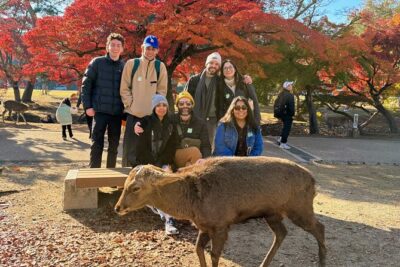 ★ 5.0World Heritage Kyoto & Nara Uji Authentic Matcha ExperienceFrom $1291,573 reviews
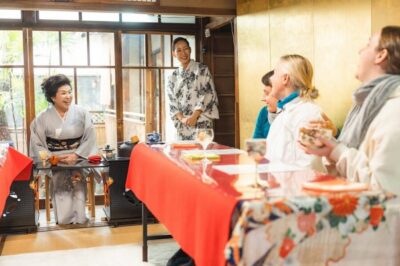 ★ 4.9Table-Style Tea Ceremony at a Kyo-MachiyaFrom $451,211 reviews
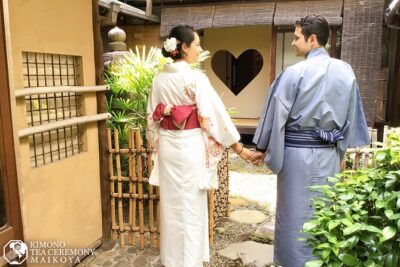 ★ 5.0Kimono Tea Ceremony at Kyoto Maikoya, NISHIKIFrom $65911 reviews
 ★ 5.0Arashiyama Bamboo Forest, Monkeys, Matcha & Temple TourFrom $53759 reviews
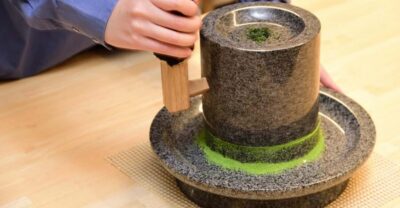 ★ 4.9Tea Museum Tickets and Matcha Grinding ExperienceFrom $23739 reviews
Browse the lists this tour appears in