
Reviewed · KYOTO TEA CEREMONIES
Tea ceremony by the tea master in Kyoto SHIUN AN
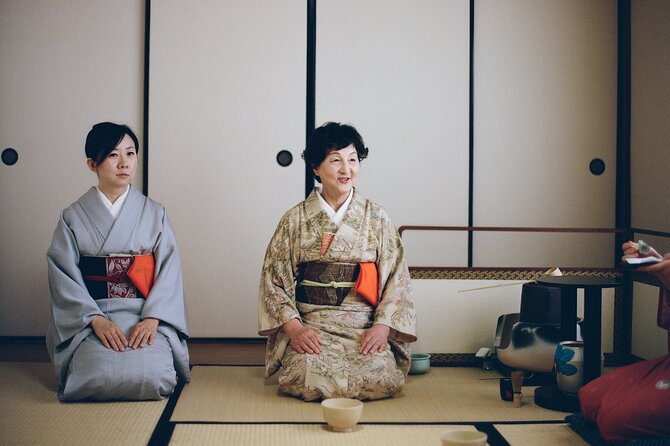
Kyoto can feel loud. This small-group tea ceremony is calm, precise, and very hands-on. I especially like the chance to make your own matcha (not just watch) and the warm, structured teaching that explains the meaning behind the steps. One thing to factor in, though: the meeting place is a bit out of the way, and there can be stairs to manage.
Held near the Zen Buddhist monastery Daitoku-ji, the setting alone gives the experience extra gravity. You’re also relatively close to Kinkaku-ji (Golden Pavilion), about four bus stops away, which makes this a smart pairing with other “north Kyoto” sights.
The ceremony itself runs about 45 minutes in a small group, with a maximum of 6 people in most cases, and up to 8 during peak times. You’ll handle the tea utensils, taste matcha twice, and enjoy two kinds of Japanese sweets in seasonally styled surroundings.
Key highlights worth caring about
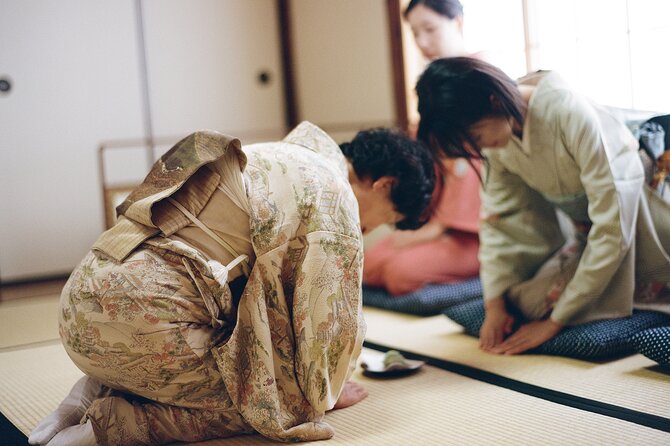
- Tea master with a Tea Name: you’ll get instruction from a tea professional with formal qualifications
- Small groups (6, up to 8): more time for questions and hands-on guidance
- You actually make matcha: you learn the basics and try it yourself by the end
- Seasonal tea room details: scrolls and flower arrangements get explained, not just shown
- Two matcha servings plus sweets: you get more than one tasting moment
- Bring patience for logistics: this is in a quieter residential area and can be tricky to find quickly
Why this tea ceremony near Daitoku-ji feels special
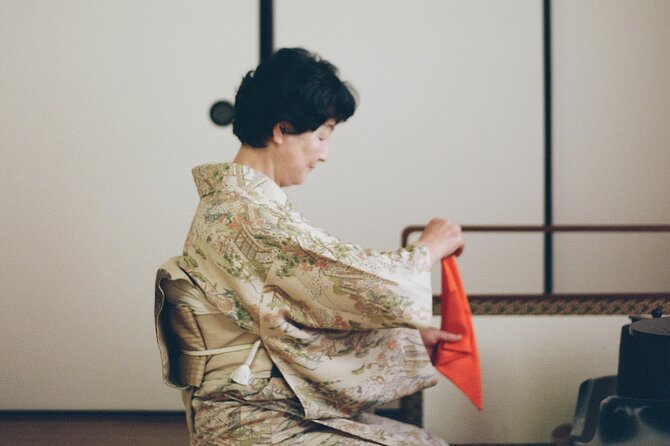
This is the kind of Kyoto activity that’s easy to over-simplify when you’re booking from a list. The real value here is that the tea ceremony is treated like a living tradition, with attention to room layout, utensils, and timing.
Daitoku-ji Temple is deeply connected to the tea culture that helped shape Japanese aesthetics and manners. That matters because the ceremony here is not framed as a quick “green tea tasting.” It’s framed like a spiritual and thoughtful practice, with steps you follow in a specific way and a room you’re encouraged to actually look at before you start.
Another practical plus: SHIUN AN is also a convenient base for pairing with Kinkaku-ji. If you’re doing the Golden Pavilion day, this is a nice rhythm shift. Instead of rushing between ticket lines and crowded paths, you slow down, sit, and learn a craft that rewards focus.
You can also read our reviews of more tours and experiences in Kyoto.

Getting to SHIUN AN: where you’ll meet, and how to plan your arrival
Your meeting point is 955-1 Idachō, Kamigyo Ward, Kyoto. The activity starts there and ends back at the same point, so you’re not juggling a second location or complicated transfer.
It’s also near public transportation, which is a relief. Still, several practical tips matter:
- Leave enough time to find the place. This is in a quieter residential neighborhood, not right in the usual tourist cluster.
- Use a map app for the final approach so you can avoid last-minute stress.
- If stairs are a concern for you, take it seriously. One review called out difficult stairs. Since you’re also on traditional tatami seating and you’ll be given socks, plan for a steady, careful route to the tea room.
The host will bring you into the tea room at the start. That means your timing matters, because you’ll want to settle in calmly before the explanations begin.
Inside the tea room: scrolls, flowers, and why they explain the ceremony
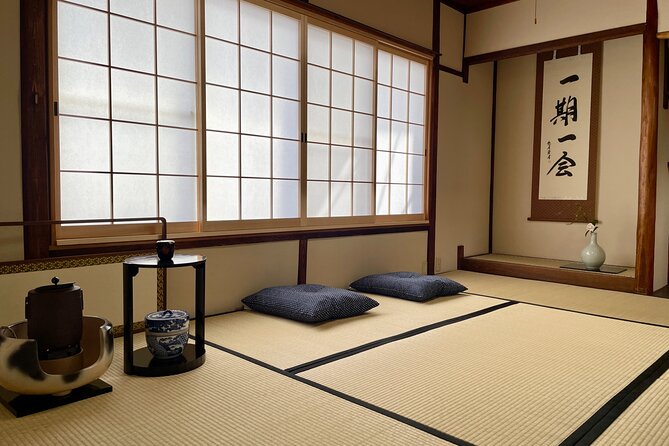
Before matcha ever hits the bowl, you start with the room. The host takes you in to admire the hanging scrolls and flower arrangements, and then walks you through why those details matter.
That’s a key part of how this experience stays authentic. A lot of tea ceremonies get marketed as a “show.” Here, the focus is on the full setup: the room decoration, the layout, and the sense that every object and gesture belongs to the same practice.
You’ll also hear a structured introduction to the ceremony:
- the steps involved
- the utensils used
- the importance of the tea room and how it shapes the mood of the session
If you like travel experiences where you understand the “why” and not only the “what,” this is a strong fit. You’ll get enough context to appreciate the choreography without needing a textbook.
Matcha basics you’ll practice: utensils, socks, and hands-on guidance
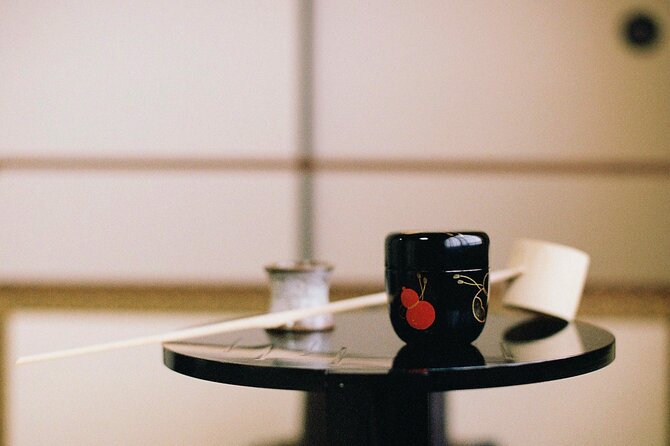
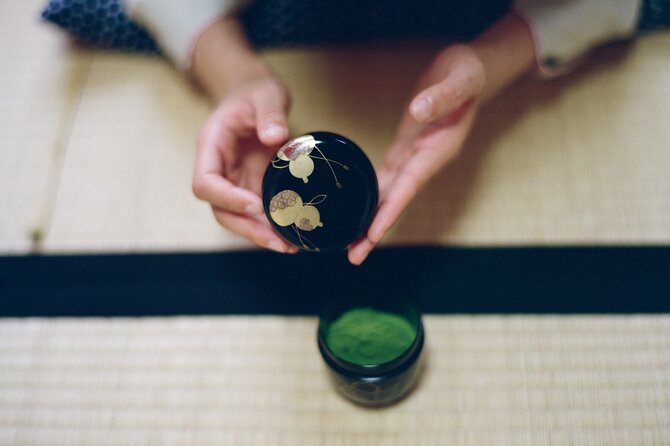
The ceremony includes a full utensil kit for your session: you’ll be provided with a tea container, tea bowl, tea scoops, and a whisk. The host also explains how to make matcha, then you try it.
Before you sit down, you’ll receive traditional items that make the setup easier:
- white socks for the tatami floor
- a fold fan
This is one of those small details that changes how the experience feels. Tatami requires appropriate footwear, and socks make you feel like you’re participating in the space rather than hovering as an observer.
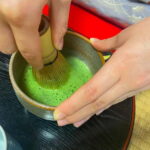
Then the session moves from explanation to action. At some point during the ceremony, you’ll watch the serving process, sip along with the group, and finally get your own chance to make a bowl. One review highlighted that this was a true hands-on learning experience with a professional tea master.
Also worth noting: the tour description says every tea master has a Tea Name and that it indicates formal professor-level qualification. That aligns with the overall impression from the experience structure: this is not casual “matcha for tourists.” It’s training-style instruction in a traditional format.
The tasting flow: two bowls of matcha and seasonal sweets
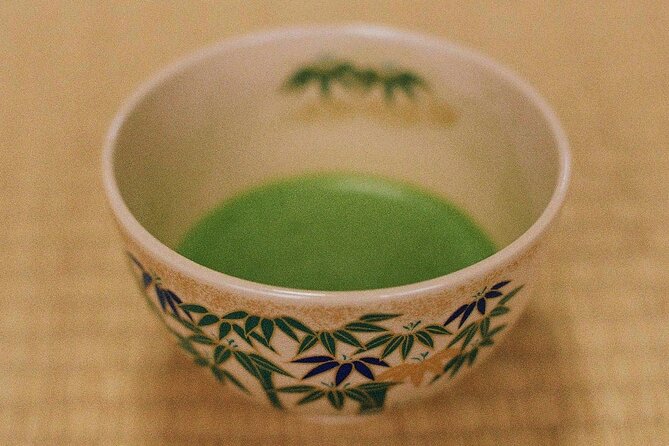
You don’t just end with a single sip and a photo. The ceremony includes two bowls of matcha for you, plus two kinds of Japanese sweets.
That tasting rhythm matters. Matcha can taste different depending on preparation and whisking technique. Having more than one bowl lets you settle into the flavor and notice the effect of technique. It also gives you time to pay attention to texture and balance, not just sweetness.
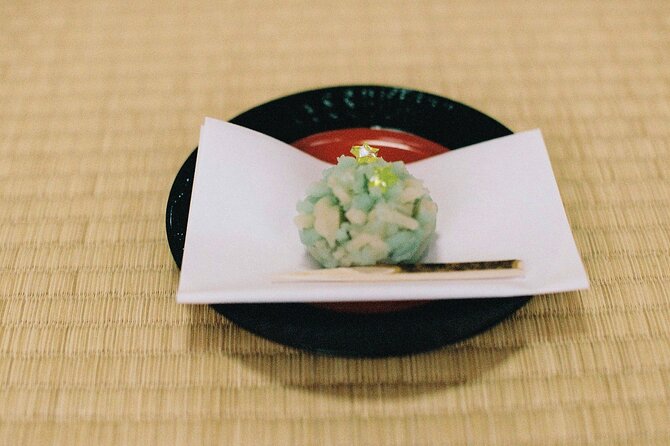
The sweets are seasonal, which keeps the experience from feeling like a packaged snack. Since you’ll likely be introduced to what you’re eating alongside the matcha, it helps make the tasting feel integrated into the ceremony rather than separate.
What the group size really changes (max 6, up to 8)
This is a small group experience, with a maximum of 6 travelers in most sessions. In peak seasons it can increase to a maximum of 8.
On paper, that just sounds small. In practice, it changes two big things:
- You can get help while you’re learning. When you’re whisking and scooping and trying not to splash, you want a real chance to ask questions or get corrected.
- The pace stays calm. Tea ceremonies are slow by nature. A large crowd compresses that. A small group lets the host keep the tempo and still support everyone.
If you’re looking for quiet, focused cultural time rather than a high-energy, multi-stop day, this format is a big part of the value.
Time, price, and value: 45 minutes for about $33
The price is $33.03 per person, and the session runs about 45 minutes.
At first glance, tea ceremonies can look “expensive for a drink.” But you’re not paying for matcha alone. You’re paying for:
- formal instruction from a tea master
- use of the utensils and tea bowl setup
- the matcha and sweets
- the chance to make your own bowl
- guidance on the meaning and structure of the steps
When you add up what’s included, the price feels more like a workshop than a tasting. You also get extras that reduce hassle on your end, like socks and a fold fan. If you’re comparing against tours that show you a ceremony but don’t teach you how to do it, the “you make it” part is what pushes this toward good value.
Best way to pair this with Kyoto sightseeing
You’re about four bus stops away from Kinkaku-ji (Golden Pavilion Temple). That makes the timing easier if you’re spending a day in north Kyoto.
I’d plan it like this:
- If Kinkaku-ji is the big ticket item for the morning or afternoon, schedule the ceremony as a slower reset a short ride away.
- Avoid stacking too many tight stops right before the tea ceremony. The point is calm attention, and travel momentum can work against that.
Also, keep in mind this takes place in a quiet residential area. You might not want to start the ceremony right after the most crowded part of town. Give yourself breathing room.
Who this tea ceremony suits best
This is a strong match if you:
- want a quieter Kyoto experience that’s not another line, ticket, or crowd situation
- like hands-on cultural learning, especially learning a craft step-by-step
- enjoy explanations, including why room elements like scrolls and flower arrangements are part of the ceremony
- want something more authentic than a rushed performance
It’s also a good option for people who like structure. The host starts with the room, then explains steps and utensils, then you taste, then you make your own bowl.
If you have mobility concerns, take the stairs note seriously. And if you need easy, central logistics right next to major attractions, you may find the location slightly inconvenient. It sounds small, but when you’re tired after walking, “out of the way” can feel bigger than it looks on a map.
Should you book SHIUN AN’s Kyoto tea ceremony?
I think you should book this if you want an authentic, calm Kyoto break where you actually learn. The best reason is the balance: you’re shown the ceremony in the right traditional setting, you’re taught the meaning of the steps, and you finish by making your own bowl. That turns it from sightseeing into skill.
I’d skip or think twice if you strongly prefer very central locations, have trouble with stairs, or dislike any situation where sitting on tatami-style floors and following etiquette is part of the deal.
If you’re the kind of traveler who likes your cultural experiences to be slow, precise, and teachable, SHIUN AN is a very good use of an hour in Kyoto.
FAQ
How long is the tea ceremony at SHIUN AN?
It lasts about 45 minutes.
How big is the group?
The group size is capped at 6 travelers for each session, and during peak seasons it can increase to a maximum of 8.
Where do I meet for the experience?
The meeting point is 955-1 Idachō, Kamigyo Ward, Kyoto, 602-8302, Japan.
What is included in the price?
You get tea bowls and utensils for the ceremony, matcha and Japanese sweets, and you’re also provided white socks and a fold fan.
Do I get to make matcha myself?
Yes. The ceremony includes instructions so you can make your own bowl of matcha by the end.
Is there an English translation?
The experience description indicates guests receive instruction throughout. The session also includes support during the ceremony process, though specific language details beyond translation are not listed here.
Is pickup or drop-off included?
No. Pickups and drop-offs are not included.
Is the location easy to reach by public transport?
It’s near public transportation. The meeting point is in Kyoto, and the experience ends back at the same location.
What if I have food allergies?
You should let the operator know about any food allergies.
What is the cancellation policy?
Free cancellation is available up to 24 hours before the experience starts for a full refund. If you cancel less than 24 hours in advance, the amount paid is not refunded.
More Tour Reviews in Kyoto
Not for you? Here's more nearby things to do in Kyoto we have reviewed


Kyoto Tea Ceremonies, compared.
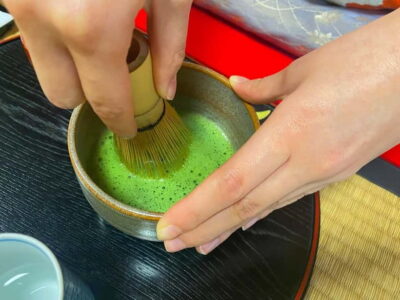 ★ 4.9Tea Ceremony in a Traditional Tea House in KiyomizuFrom $493,519 reviews
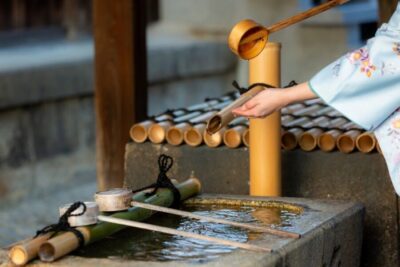 ★ 4.9Tea Ceremony Ju-An at Jotokuji TempleFrom $293,207 reviews
 ★ 4.345-Minute Tea Ceremony Lesson ExperienceFrom $222,378 reviews
 ★ 5.0World Heritage Kyoto & Nara Uji Authentic Matcha ExperienceFrom $1291,573 reviews
 ★ 4.9Table-Style Tea Ceremony at a Kyo-MachiyaFrom $451,211 reviews
 ★ 5.0Kimono Tea Ceremony at Kyoto Maikoya, NISHIKIFrom $65911 reviews
 ★ 5.0Arashiyama Bamboo Forest, Monkeys, Matcha & Temple TourFrom $53759 reviews
 ★ 4.9Tea Museum Tickets and Matcha Grinding ExperienceFrom $23739 reviews
Browse the lists this tour appears in