
Reviewed · KYOTO TEA CEREMONIES
Tea Ceremony Experience in Kyoto
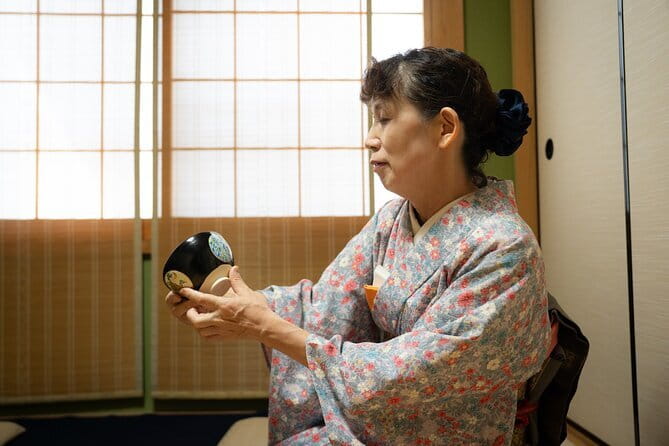
Kyoto can feel like a blur, so slow down. This tea ceremony is a calm, hands-on way to understand Japanese mindfulness through matcha making and wagashi tasting. I love that you can actively participate, not just watch, plus the guidance is led by Chisato and her long experience. One thing to consider: this session is not wheelchair accessible, and you should plan for a traditional, seated-style format.
You’ll also like how approachable it feels. The goal here is to lower the barrier that often surrounds tea ceremony etiquette, so beginners do not feel lost. The ceremony runs about 1 hour, is capped at a maximum of 6 people, and the setting is convenient for adding to your day near Kamogawa Delta and Demachiyanagi Station.
Key highlights you will actually care about
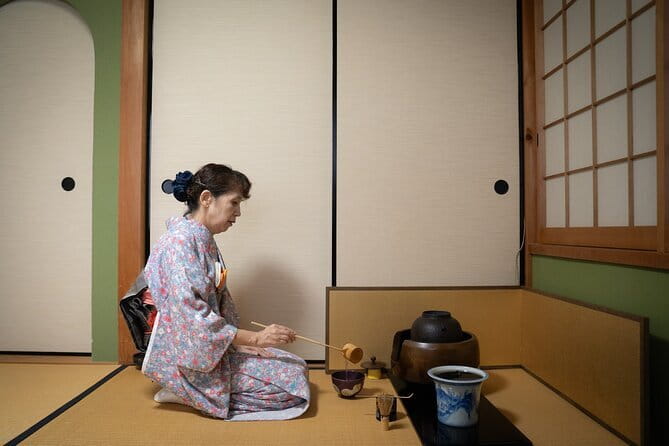
- Make your own matcha with step-by-step instruction, not just a demonstration
- Led by Chisato, with teaching experience described as 30+ years
- English instruction, with encouragement to keep questions simple
- Small group size (max 6) for more attention and a calmer pace
- Wagashi included, so you taste the tea pairing culture, not just the tea
- 15-minute walks to scenic areas, making it easy to slot into a Kyoto itinerary
Where This Kyoto Tea Ceremony Fits on Your Day
This experience takes place in Kyoto at Tea Ceremony Experience Chisato, 67-23 Shimogamo Matsunokichō, Sakyo Ward (606-0816). From a planning perspective, the location is handy because you are about a 15-minute walk from the Kamogawa Delta area, and also about a 15-minute walk from Demachiyanagi Station, which is a common starting point for visiting Kibune Shrine and Rurikou Temple.
That matters because tea ceremony workshops are best when you do not rush them. If you can come from a pleasant riverside walk or before an afternoon outing, you’ll feel more ready to slow down and focus. The ceremony itself is about an hour, and you end back at the meeting point, so you can treat it like a clean, simple block in your day.
Another practical plus: you get a mobile ticket, which is one less thing to worry about while you are navigating Kyoto.
You can also read our reviews of more tours and experiences in Kyoto.
Tea Ceremony in Plain Terms: What You Will Learn
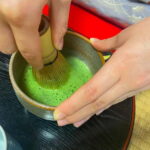
Matcha tea ceremony can sound formal and intimidating. This one is designed to avoid that trap. The teacher-led session emphasizes that you do not need prior experience. You learn the steps behind matcha preparation and the meaning behind the movements, where harmony and mindfulness are the point, not performance.
Chisato, the host, is described as having over 30 years of experience. That long practice shows up in how the lesson is paced. The goal is not to overwhelm you with rules. It is more about helping you grasp the rhythm: how you whisk, how you handle the tea moment, and how you keep your attention in the process.
And yes, you can make your own tea if you wish. That single feature changes the whole experience. Watching a demonstration can be interesting, but making the matcha gives you a personal connection to why the ritual matters.
The Walk In: Meeting Point and Arrival Feel
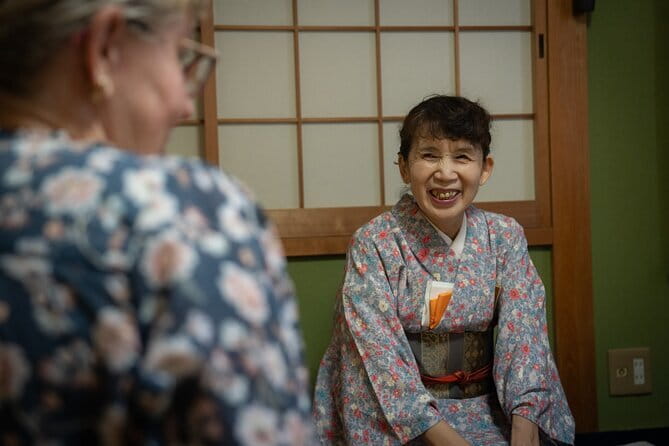
You start at Tea Ceremony Experience Chisato, and you return there when the session ends. That may sound minor, but it helps you avoid stress. Kyoto is famous for being walkable, yet easy to get slightly turned around in. Knowing you have one stable meeting location makes the schedule feel safer.
When you arrive, you will likely get a short welcome and an orientation to what you are about to do. Since the session is guided and structured, you do not need to arrive early to figure out logistics. Still, I recommend giving yourself a small buffer so you can settle in without feeling rushed.
The group limit is 6 travelers, which usually means more time for questions and fewer awkward pauses. This is also a good setup if you are traveling with kids, since a smaller group typically makes it easier to accommodate different attention spans.
How the 60-Minute Session Flows
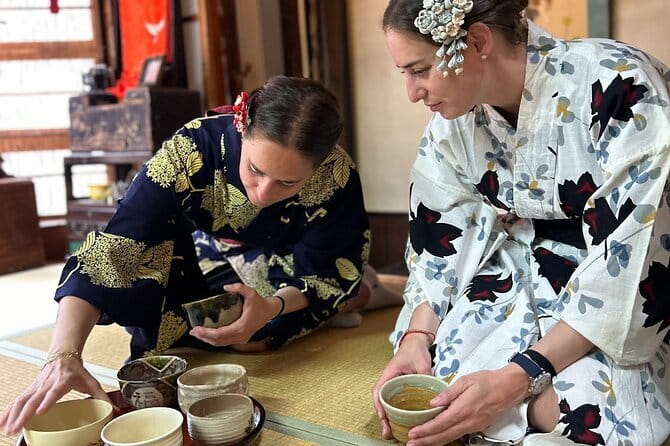
The experience runs about 1 hour. While the exact minute-by-minute schedule is not listed, the experience is clearly built around a few core parts: introduction, matcha preparation, wagashi pairing, and a guided wrap-up.
Here is what that flow looks like in practice:
1) Welcome and what to expect
You begin with guidance from Chisato. The emphasis is on lowering the barrier that makes tea ceremonies feel exclusive. You get a sense of the purpose of the ceremony, not just the technique.
If you are new, do not worry. The instruction is geared toward beginners. You can go in without memorizing etiquette ahead of time.
2) Matcha preparation, step by step
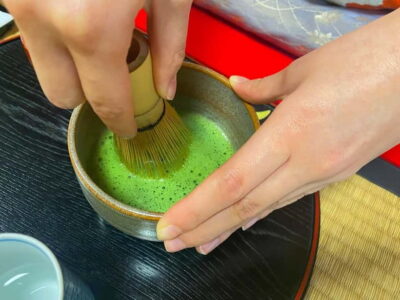
Next comes the hands-on matcha making. You will learn the whisking process, and the movements are taught with mindfulness in mind. The goal is for you to understand that the ritual is not only about taste, it is about attention.
This part is the main draw, because the experience explicitly offers you the option to make your own tea. If you take that option, you will feel the difference between a casual cup of matcha and one prepared with care.
3) Wagashi, the sweet pairing culture
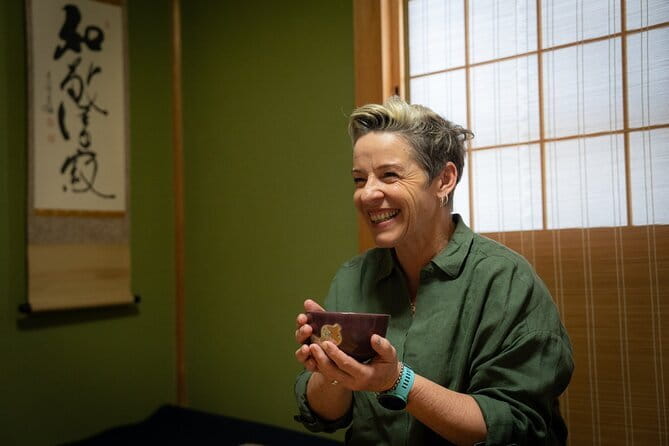
Wagashi are included. These traditional Japanese sweets are not random snacks. They are part of the tea moment and they complement the experience of tasting matcha.
That pairing is one of the most satisfying parts for many people because wagashi can be a completely new taste category if you have never tried it. It is also a great way to slow down, since you experience flavors in a more deliberate, seated setting.
4) Enjoy and reflect
Finally, you settle into the tasting. The ceremony is guided and calm, which helps if you tend to rush through food experiences. The whole point is to be present, not multitasking on your phone.
If you have questions, keep them short and simple. The session is conducted in English, and clarity tends to work best when your questions are direct.
Pricing and Value: Is $39.09 Worth It?
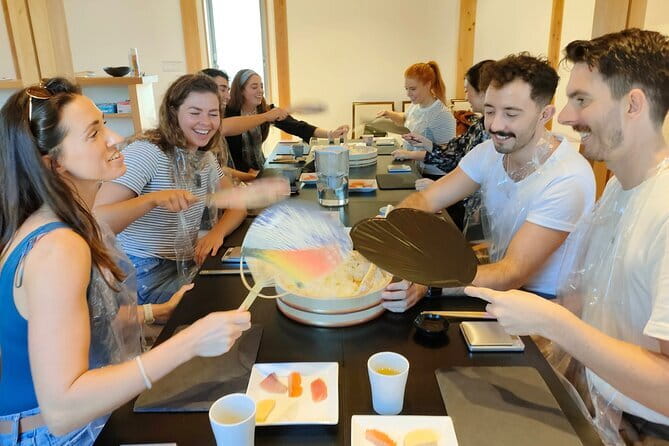
At $39.09 per person, this is not the cheapest thing in Kyoto, but it also does not try to sell you an expensive add-on like a formal kimono rental. Based on what is included, it is priced like a focused cultural lesson.
What you get that supports the cost:
- Matcha is included, and you can prepare it yourself
- Wagashi is included, so the tea experience feels complete
- A guide is included, led by Chisato, with 30+ years of experience
- Small group size (max 6) supports a less rushed atmosphere
Where you might feel the price pinch:
- If you only want a quick bite, this is still an hour-long, seated cultural activity
- If you are expecting a large sightseeing package, this is more of a single, meaningful stop rather than a tour with multiple locations
For me, the value comes down to whether you want hands-on learning and a calm moment. If yes, the price feels fair for what is included.
What Is Included, What Is Not
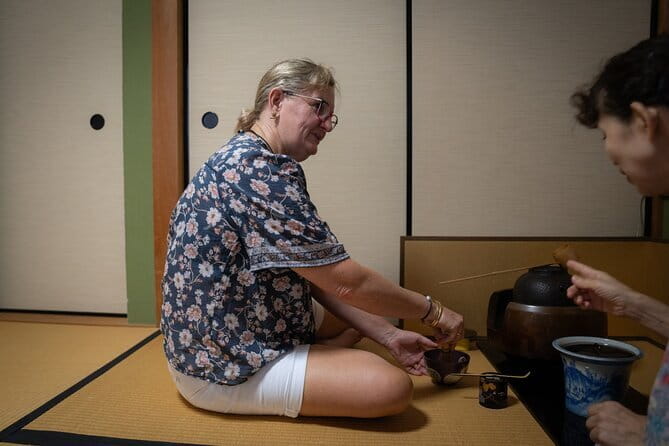
Included in the experience:
- Matcha
- Wagashi (Japanese traditional sweets)
- Guide
Not included:
- Kimono
- Tips
That is useful information for budgeting. If you want a kimono look, you will need to arrange it separately. If you do not care, you can show up as you are and focus on the tea lesson itself.
Tips are not listed as included, so plan to use your own judgment. (In many parts of Japan, tipping is not required the way it might be in some other countries, but you can decide based on your comfort level.)
Language and Communication: How to Make Your Questions Count
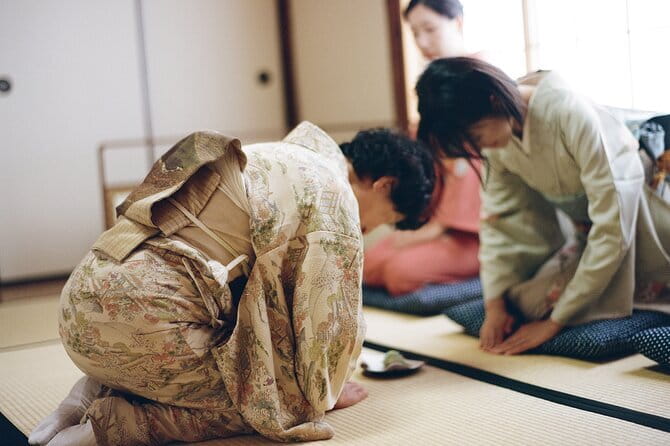
This ceremony is run in English. That is a big deal, because tea ceremony etiquette is easiest to learn when you can ask what things mean without guessing.
One more practical note: it helps to make your questions simple. If your thoughts are complex, you might find it takes longer to land the point. Short questions usually work better, and you will still get the value out of the explanation.
If you want to get the most out of the hour, think of two or three things you genuinely want to understand, like:
- what you are doing when whisking
- why wagashi comes with tea
- what mindfulness looks like in a practical ritual
Then ask those questions early enough that they fit into the flow.
Accessibility and Comfort Considerations
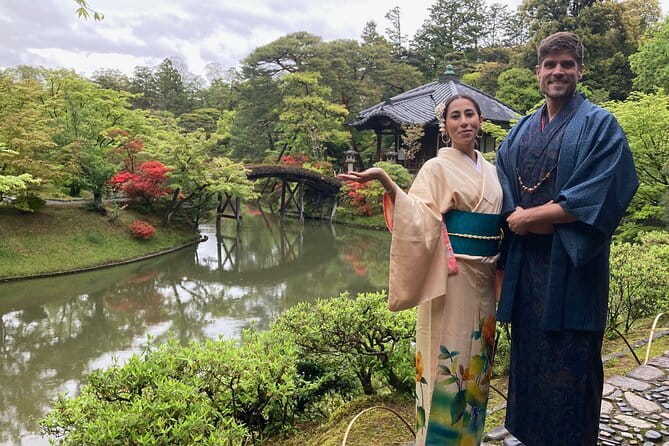
This experience is not wheelchair accessible. The tea ceremony format is not set up for wheelchair access, so if mobility is a concern, you will want to choose a different activity.
Comfort-wise, assume a traditional seated setting. Dress in a way that lets you sit comfortably for about an hour and focus on the ritual.
Pair It With Nearby Kyoto Moments
The best way to enjoy this tea ceremony is to build a small, calm pocket around it.
Because you are about a 15-minute walk from Kamogawa Delta, you can start with a relaxed riverside stroll, then come in for the grounded tea experience. If you are visiting the Kibune Shrine and Rurikou Temple area, the 15-minute walk from Demachiyanagi Station makes it a good stop either before or after your main sightseeing push.
Just remember, tea ceremony works best when you are not late and not rushed. If you schedule it right after a long commute across Kyoto, you may feel out of sync with the quiet pace.
Who This Experience Is Best For
This tea ceremony is a good match if you want:
- a beginner-friendly introduction to matcha and tea ceremony meaning
- hands-on participation, not just watching
- an English-led cultural activity in Kyoto
- a calm, seated experience that fits neatly into an itinerary
It is also a strong option for families who want something cultural that still feels manageable. The session is small, and the teaching style is described as patient and kind.
If you are a tea super-fan already, you may still enjoy the focus on mindfulness and the chance to refine your whisking technique. But do not come expecting a long, academic lecture. This is a lived experience.
Should You Book This Kyoto Tea Ceremony Experience?
Book it if you want a focused, calm hour where you learn matcha preparation and actually get to make your own tea. The small group size, English guidance by Chisato, and the included wagashi make it feel complete without surprise add-ons like kimono.
Skip it or look for another option if you need wheelchair access, or if you prefer a multi-stop sightseeing tour instead of one meaningful ritual. Also, if you hate sitting still and doing one activity slowly, this style may feel too quiet.
If you want one Kyoto experience that is both authentic and doable, this matcha lesson is a solid bet.
More Tour Reviews in Kyoto
Not for you? Here's more nearby things to do in Kyoto we have reviewed

Kyoto Tea Ceremonies, compared.
 ★ 4.9Tea Ceremony in a Traditional Tea House in KiyomizuFrom $493,519 reviews
 ★ 4.9Tea Ceremony Ju-An at Jotokuji TempleFrom $293,207 reviews
 ★ 4.345-Minute Tea Ceremony Lesson ExperienceFrom $222,378 reviews
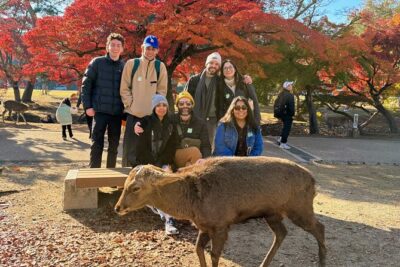 ★ 5.0World Heritage Kyoto & Nara Uji Authentic Matcha ExperienceFrom $1291,573 reviews
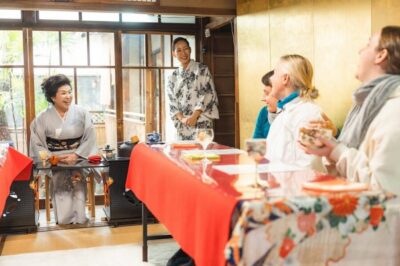 ★ 4.9Table-Style Tea Ceremony at a Kyo-MachiyaFrom $451,211 reviews
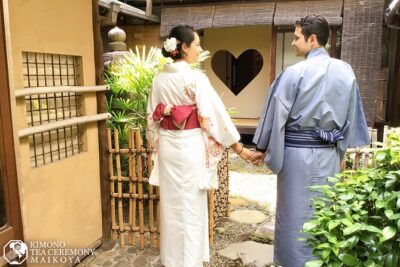 ★ 5.0Kimono Tea Ceremony at Kyoto Maikoya, NISHIKIFrom $65911 reviews
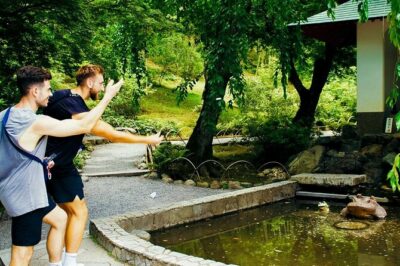 ★ 5.0Arashiyama Bamboo Forest, Monkeys, Matcha & Temple TourFrom $53759 reviews
 ★ 4.9Tea Museum Tickets and Matcha Grinding ExperienceFrom $23739 reviews
Browse the lists this tour appears in