
Reviewed · KYOTO TEA CEREMONIES
Tea Ceremony Experience in Traditional Kyoto Townhouse
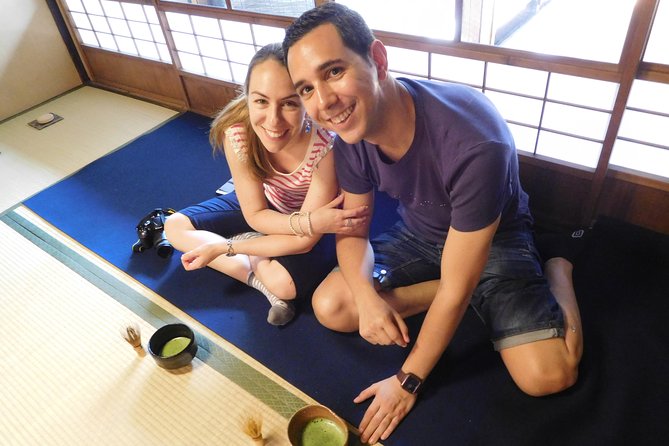
Matcha tastes different when you make it yourself. This tea ceremony in a traditional Kyoto machiya lets you learn matcha basics in a real 80-year-old townhouse setting at Ami Kyoto, then practice with hands-on brewing guided by the hosts at a small-group pace. You also get that thoughtful tea-ritual context, including how this kind of practice once appealed to monks and samurai.
One consideration: it runs about 1 hour, so it is not a slow, all-day experience. If you want extra time for questions or a longer, more ceremonial pace, plan to keep your schedule flexible.
Key Highlights at a Glance
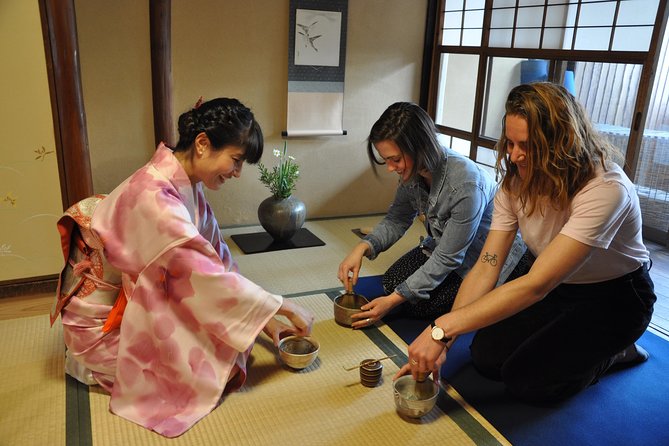
- Inside a traditional 80-year-old machiya: Get a rare look at one of Kyoto’s remaining wooden townhouses in Shimogyo Ward.
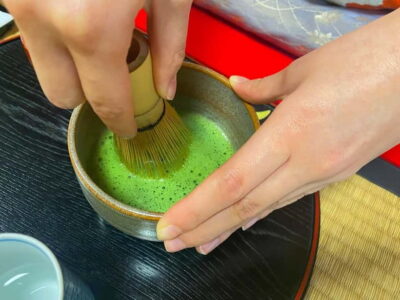
- Hands-on matcha workshop: Learn the steps and brew your own cup, not just watch.
- Organic farm matcha: You learn with top-quality matcha that is grown on an organic farm.
- Clear, professional instruction: Explanations stay simple, and the demonstration is thorough.
- Kyoto sweets with your tea: Enjoy Japanese sweets, including cakes from a famous Kyoto confectionary.
- Small group size (max 6): More attention, less waiting around, and a calmer room.
Step Into a Traditional Machiya at Ami Kyoto
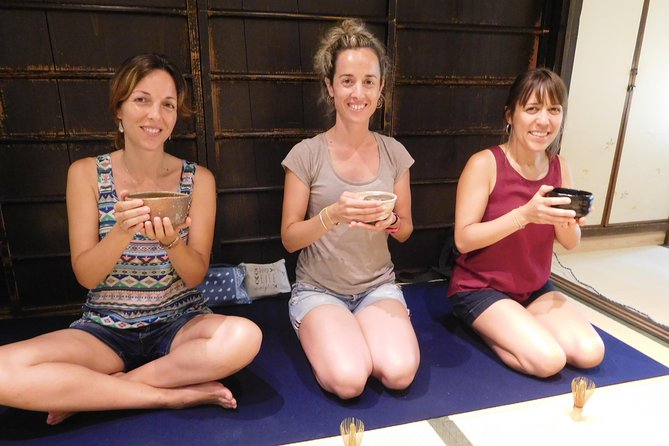
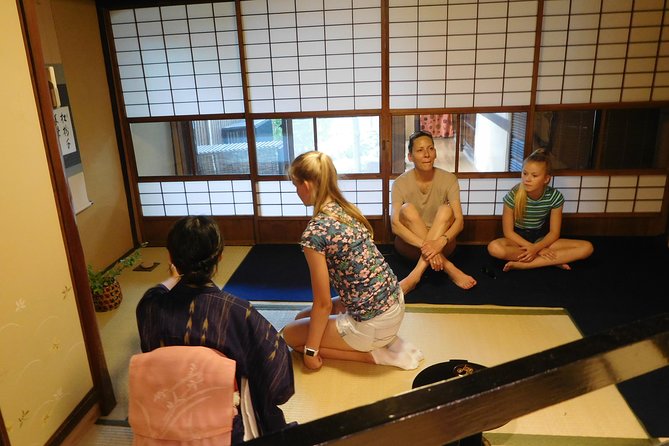
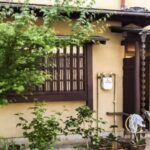
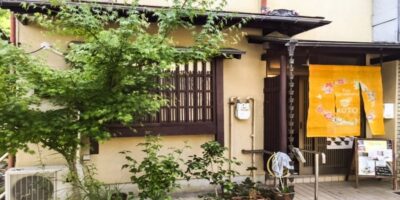
The address matters here because the setting is the point. Your tea experience starts at 605 Nishidachō in Shimogyo Ward, and the whole session is hosted in a traditional machiya, the old-style Kyoto wooden townhouse. This particular home is described as about 80 years old, and you can feel that age in the way the space holds the sound and the light. It is the kind of room where the ritual makes sense, because you are not trying to stage a Kyoto moment in a generic space.
What I like most is that this is not just about drinking tea. You are stepping into a real everyday architecture from Kyoto’s past, then using that setting as part of the lesson. That does two useful things for you: it helps you understand the ceremony as lived culture, and it makes your photos feel less like a tourist stop and more like part of a genuine experience.
There is also a practical upside. A small group, capped at 6 travelers, means the hosts can keep the pace human. You are not rushing through a script while people drift in and out. Instead, you get a focused workshop feel, with time to follow along.
You can also read our reviews of more tours and experiences in Kyoto.

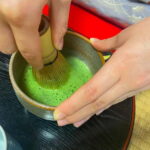
How the Hands-on Matcha Workshop Works (and Why It’s Better Than Watching)
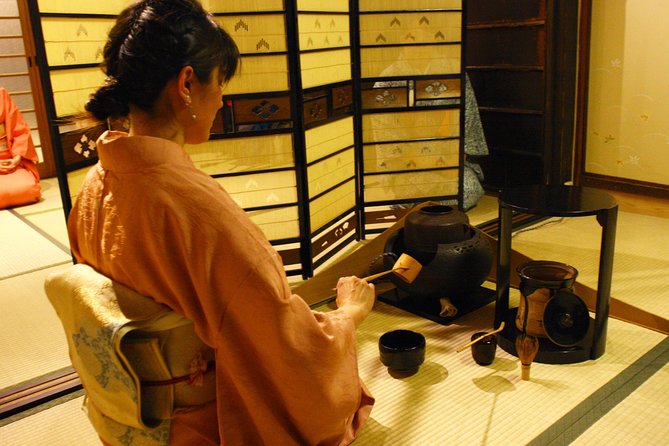
This experience is a matcha workshop plus a tea ceremony. That wording is important, because it signals that you will do more than observe. You’ll learn the ins and outs of making matcha, then you’ll brew your own cup with guidance, and you’ll see personalized demonstrations from the host.
When you actually make the tea, you understand why matcha gets treated like more than a drink. For me, the biggest shift is sensory. Matcha is not just green tea with a different color. It demands attention because the process affects the result, and the ceremony teaches you to slow down enough to care about the cup you are making.
The workshop also uses a quality ingredient approach. You learn how to brew matcha from an organic farm, and that matters because better ingredients make better lessons. When your matcha tastes strong and clean, the steps feel meaningful instead of random.
If you are brand new to tea ceremonies, this format is forgiving in a good way. The hosts explain clearly and in a simple way, then back it up with a thorough demonstration. That combination is what you want: clarity first, practice second.
The Tea Ceremony Context: More Than a Cup of Green
The tea ceremony part is not just showmanship. You’ll get background on the history and meaning behind the ritual, including how it was once favored by monks and samurai. That detail changes how you experience the moment. It stops being only about technique and turns into a story of why ritual matters in the first place.
This kind of context is one of those “small” additions that makes the whole hour feel more satisfying. When you know that matcha culture developed around discipline and calm, the ceremony feels intentional rather than performative. You are not trying to remember steps for the sake of remembering steps. You are learning a way of paying attention.
It also helps you connect the ceremony to Kyoto beyond the obvious sights. Kyoto can feel like a checklist if you stick to temples and markets only. A short workshop gives you a different kind of cultural entry: how people used everyday practices to build focus and respect.
And yes, there is room for fun. The experience is hands-on enough that it feels like you are learning a skill, not memorizing rules.
Organic Matcha and Your Cup: What You Actually Take Away
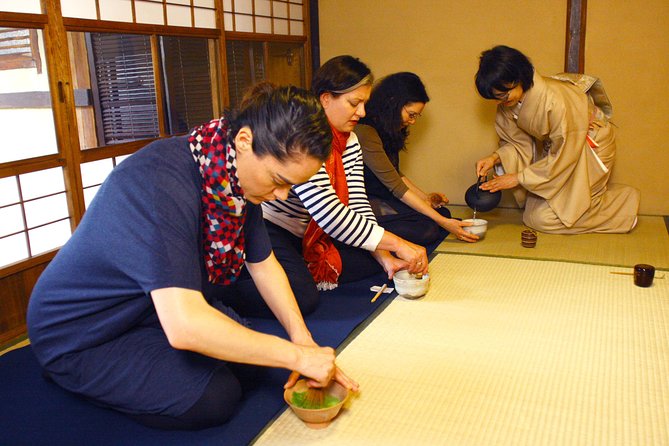
Included in the experience is a bowl of matcha green tea, plus Japanese sweets. But the value is not only that you get to taste what you learned. It is what that tasting teaches you.
Using organic farm matcha is the backbone of the lesson. It helps you understand how quality influences the drink, and it gives you a reference point for what a good cup should taste and feel like. Then the workshop ties that ingredient quality to technique. In other words, you leave knowing that matcha is both ingredient-driven and process-driven.
One more practical benefit: you get to see how the hosts handle the flow of the ceremony while still making it approachable. The instruction you receive is described as professional and thorough, with explanations that stay clear and simple. For you, that means fewer awkward moments. You know what to do next, and you are not left guessing.
And because the group stays small, your cup does not become a rushed finish line. You get personal guidance during the process, which is exactly what you need if you want to feel confident, not just accomplished.
Japanese Sweets Pairing: Kyoto Confectionery in a Tea Moment
Your tea is paired with Japanese sweets. The overview also notes that you enjoy cakes from a famous Kyoto confectionary. This is more than a sweet add-on. In a traditional tea setting, sweets usually serve a purpose: they balance your palate and give you something comforting to experience alongside the matcha.
In practical terms, it makes the hour more complete. Instead of tasting one thing and leaving, you taste a small Kyoto menu moment tied to the ceremony. That pairing helps you notice contrasts, like how the sweetness changes the way the matcha flavor lands.
If you like dessert as part of your travel, this is a big plus. It means you are not just getting a cultural lesson, you are also getting a Kyoto treat that feels like it belongs in the same room as the ritual.
Itinerary Focus: One Stop, Lots of Value Inside Ami Kyoto
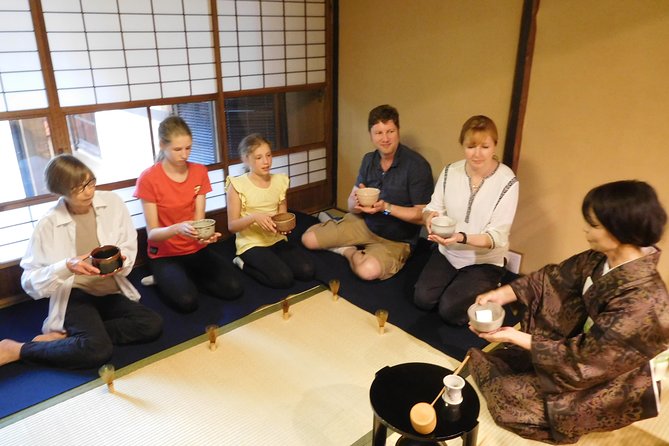
This is a simple schedule: one main stop at Ami Kyoto. It lasts about 1 hour, and the activity ends back at the meeting point. That single-stop structure is good for your planning. Kyoto is busy, and it is easy to burn time moving between things. Here, the travel time is minimal because your start and finish are the same location.
At Ami Kyoto, you spend time inside the machiya townhouse. That is the core activity, and everything else supports it: the explanation, the demonstration, your hands-on brewing, and the tasting of matcha with sweets.
A minor drawback of single-stop tours is that you cannot “save” your day with extra activities nearby if the timing slips. Still, because it is only about an hour, it usually works well as a mid-morning or mid-afternoon cultural break, especially if you are already doing temples or walking in central Kyoto.
Getting There in Kyoto: Meeting Point and Timing Tips
You meet at 605 Nishidachō, Shimogyo Ward, Kyoto, 600-8397, Japan, and it runs close to public transportation. That is helpful because you can avoid the stress of long transfers. You also do not need hotel pickup or drop-off, so you will want to arrive on your own.
Since you get a mobile ticket, keep your phone ready. It reduces fumbling at check-in. Also plan for Kyoto walking. Even if the area is connected by transit, the final steps can still be a little stroll through neighborhood streets.
Because the experience is capped at 6 travelers, arriving a few minutes early is smart. It gives you time to settle in and helps you start the workshop without feeling rushed.
Who Should Book This Matcha Workshop?
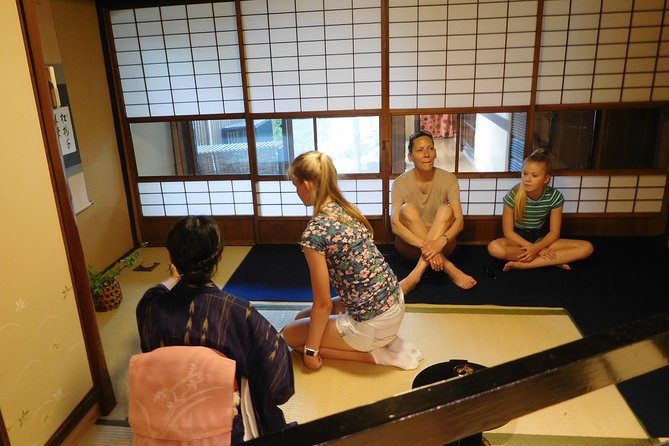
I think this is a great fit if you want a Kyoto experience that feels hands-on and real, not only scenic. The machiya setting, the small group size, and the fact that you brew your own matcha make it especially appealing if you like learning by doing.
It also works well if you are traveling with family or mixed-age groups. One of the stand-out points from the experience is that the hosts keep explanations clear and simple, and the session feels enjoyable even for people who are not tea experts.
If you are someone who enjoys culture through daily practices, you will likely appreciate the attention to ritual meaning, including the references to monks and samurai. And if you care about value, the price includes both matcha and sweets, so you are not paying extra once you arrive for basic parts of the experience.
If you are only looking for a quick photo stop, this may feel too instructional for your style. But if you want a focused hour where you learn something you can remember, this is a solid choice.
Should You Book This Tea Ceremony at Ami Kyoto?
Yes, I would book it if you want an authentic-feeling Kyoto experience in a short time. The big wins are the machiya setting, the hands-on matcha brewing, and the combination of clear instruction with a thorough demonstration. Add in organic farm matcha and Kyoto confectionary sweets, and you get a well-rounded hour rather than a one-note activity.
I would hesitate only if you are chasing a long ceremonial pace or you dislike being in a workshop format. Since it runs about 1 hour and returns to the meeting point, it is designed to be efficient and concentrated.
FAQ
How long does the tea ceremony experience last?
It lasts about 1 hour.
Where is the meeting point in Kyoto?
The meeting point is 605 Nishidachō, Shimogyo Ward, Kyoto, 600-8397, Japan, and the experience ends back at the same location.
What is the price per person?
The price is $27.59 per person.
What is included in the experience?
You get a bowl of matcha green tea and Japanese sweets.
Is hotel pickup and drop-off included?
No, hotel pickup and drop-off are not included.
What is the group size limit?
The experience has a maximum of 6 travelers.
Do I receive a mobile ticket?
Yes, this activity uses a mobile ticket.
When will I get confirmation after booking?
Confirmation is received within 48 hours of booking, subject to availability.
Is it near public transportation?
Yes, it is near public transportation.
More Tour Reviews in Kyoto
Not for you? Here's more nearby things to do in Kyoto we have reviewed



Kyoto Tea Ceremonies, compared.
 ★ 4.9Tea Ceremony in a Traditional Tea House in KiyomizuFrom $493,519 reviews
 ★ 4.9Tea Ceremony Ju-An at Jotokuji TempleFrom $293,207 reviews
 ★ 4.345-Minute Tea Ceremony Lesson ExperienceFrom $222,378 reviews
 ★ 5.0World Heritage Kyoto & Nara Uji Authentic Matcha ExperienceFrom $1291,573 reviews
 ★ 4.9Table-Style Tea Ceremony at a Kyo-MachiyaFrom $451,211 reviews
 ★ 5.0Kimono Tea Ceremony at Kyoto Maikoya, NISHIKIFrom $65911 reviews
 ★ 5.0Arashiyama Bamboo Forest, Monkeys, Matcha & Temple TourFrom $53759 reviews
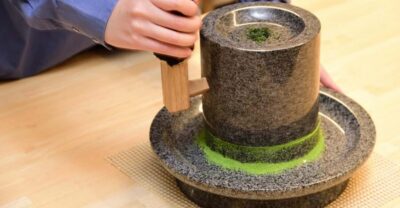 ★ 4.9Tea Museum Tickets and Matcha Grinding ExperienceFrom $23739 reviews
Browse the lists this tour appears in