
Reviewed · KYOTO TEA CEREMONIES
Tea Ceremony in 150 Years Old Townhouse with Tables and Chairs
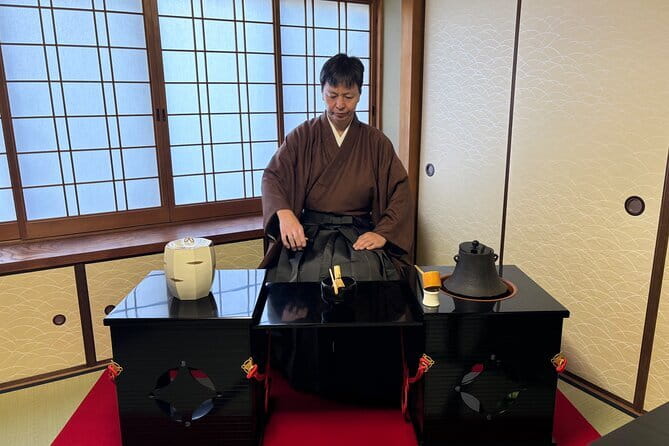
Matcha has a way of slowing Kyoto down. This 50-minute session in a 150-year-old townhouse teaches tea etiquette, then puts you at the table to make your own cup of matcha with clear guidance.
I love the quality and payoff here. You get Uji matcha (two cups) plus seasonal Japanese sweets, and the whole thing feels intimate instead of rushed. The main thing to consider is that the rules are strict, so plan for socks, modest clothing, no perfume, and limited phone use in the tea room.
Key things I’d mark on my Kyoto to-do list
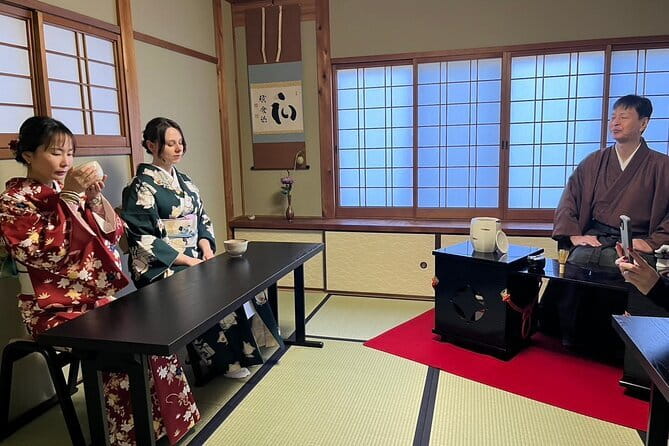
- Hands-on matcha making with a tea master guiding you step by step
- Uji matcha tasting included, served as two cups of high-quality tea
- Seasonal authentic sweets paired with your tea, not a random snack
- A small group (max 15), which keeps the experience calmer and more personal
- A real neighborhood setting around Ninenzaka and Sannenzaka, not a generic studio
Stepping into Ninenzaka and Sannenzaka, the calm part of Kyoto
If Kyoto feels like too much motion, this is a nice antidote. The experience is based in the Ninenzaka and Sannenzaka area in Higashiyama Ward, where you can pair it with a slow stroll instead of another crowded “photo stop.”
Your meeting place is Tea Ceremony & Cultural Experience Kangetsu Kyoto at 349-19 Masuyachō, Higashiyama Ward (the address is on the booking details). It’s also described as near public transportation, so you do not have to plan a complicated commute.
Even if you are only doing this as one short activity, the location matters. Being in the older streets of Kyoto makes the etiquette feel less like a performance and more like a living tradition you are actually stepping into.
You can also read our reviews of more tours and experiences in Kyoto.

Price and value: $28.90 that buys real tea time
At $28.90 per person for about 50 minutes, this is priced like an experience, not like a souvenir line. What makes it feel like value is that it is not just watching.
You get tools to prepare your own tea, two cups of high-quality matcha made in Uji, Kyoto, and two types of seasonal authentic Japanese sweets. That is the kind of “you leave with something” payoff, because you get both the ritual and the taste.
Two practical value notes:
First, bottled water is not included. If you tend to get dry-mouthed after a few speeches, you may want to grab water nearby before you go in.
Second, optional kimono is available, but it costs extra. The base price still works well without it, especially since this is mainly about the tea.
Inside a 150-year-old townhouse: the etiquette rules you should respect
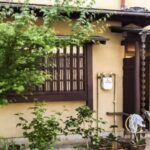
This is held in a traditional townhouse that is described as about 150 years old. That age shows in the feel of the space, quieter and more grounded than modern classrooms.
The ceremony also comes with clear etiquette rules. They ask you to:
- Wear socks in the tea room (if you forget, you can buy socks on site)
- Wear clothing that does not expose too much skin
- No perfume, because it interferes with the smell of incense and tea in the room
- Use smart phones only in the tea room
- Understand that video recording during the instructor’s demonstration is prohibited
That might sound fussy, but it actually protects the experience for everyone. Matcha is delicate, and part of tea culture is the atmosphere. If you show up wearing heavy fragrance or treating the tea room like a movie set, it tends to ruin the vibe fast.
One more timing tip: arrive promptly. One small delay can throw off a short session like this, and the whole point is that you get enough time to learn, make tea, taste, and ask questions.
How the ceremony runs: from explanation to your own cup
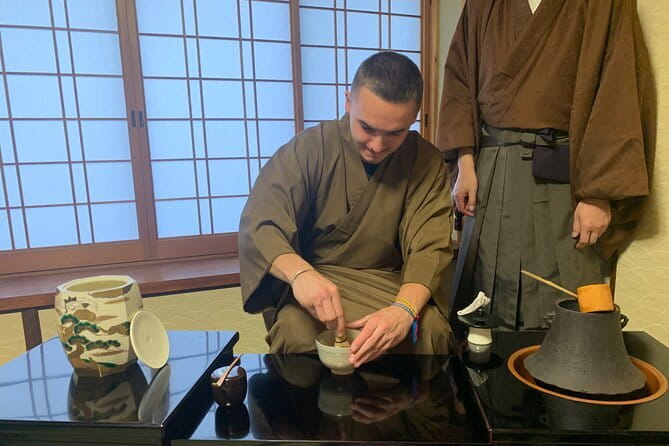
You should expect a tight flow, because the session is about 50 minutes and the group is small. The experience is described as happening in Kyoto’s traditional townhouse setting, with an instructor teaching you the meaning behind tea culture, plus practical instruction on how to behave and what the tools are for.
The core structure looks like this:
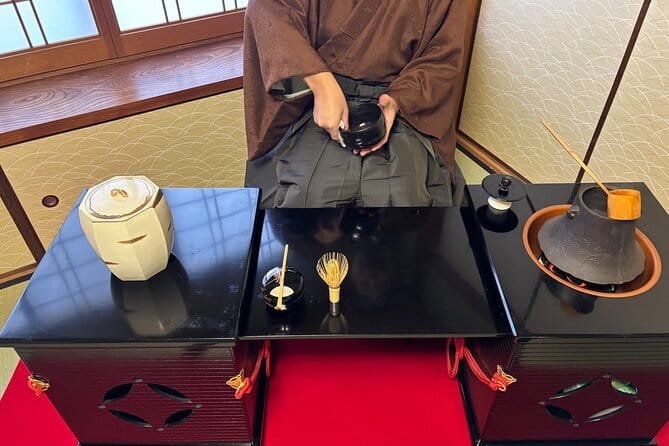
1) You receive instruction and guidance about the ceremony, including tea etiquette, utensils, and rituals
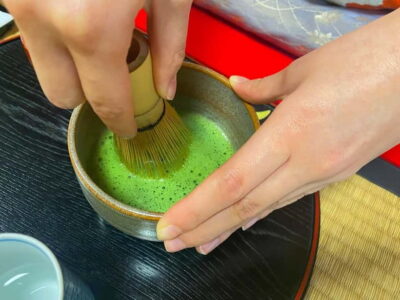
2) You get time to prepare your own cup of matcha using the provided tools
3) There is a question-and-answer segment
4) You end by enjoying traditional Japanese sweets with your tea
What I like about this pacing is that you are not stuck in lecture mode. Even if you know nothing about matcha, you still have a chance to participate, which usually makes the whole thing stick in your memory.
And because the experience is run in English every day, you do not have to worry about language gaps turning the lesson into guesswork. If you like asking questions, this session gives you a moment to do it, not just at the end while everyone is packing up.
The matcha itself: what Uji tea tastes like when you do it properly
Matcha in Japan is not just “green powder.” In this ceremony, you taste two cups of high-quality matcha made in Uji, Kyoto. That matters because Uji is known for matcha, and the whole point of the class is to help you taste with context, not just drink something green.
When you taste your tea, you are also getting a sense of why the ceremony takes time. You learn how to prepare it, then you drink it, and the difference is usually obvious. Instead of a quick sip, you take it in as part of the ritual.
You also get seasonal sweets paired with the tea. The sweets are described as two different types and beautiful seasonal authentic Japanese sweets. In practice, that pairing keeps the lesson from feeling one-note. Tea sets the tone, and the sweets give you something to balance and compare.
One of the best “expectation checks” here: do not rush your tasting. Even if you are a fast eater, slow down for the tea and sweets. The ceremony is short, so the only way it feels like more than a show is if you let it land.
Sweets, Q&A, and the polite ending that makes it feel complete
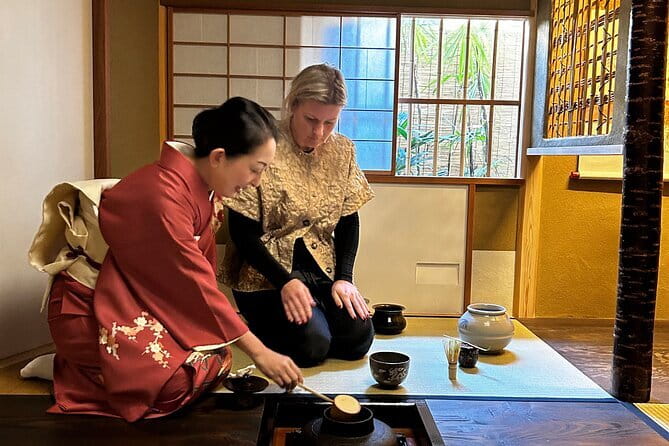
A lot of activities stop once the tea is poured. Here, you get a more complete ending. After the hands-on portion, there is time for questions and answers, and then you enjoy the included sweets.
That Q&A is where you can connect the ritual to real life. If you ever buy matcha later and wonder how to store it or how to judge quality, this kind of lesson can help you ask better questions in the shop.
It is also a relief that the sweets are included and not an add-on. For some people, food is the hook. For others, food is the reward. Either way, you leave satisfied.
Can you buy matcha before you walk away?
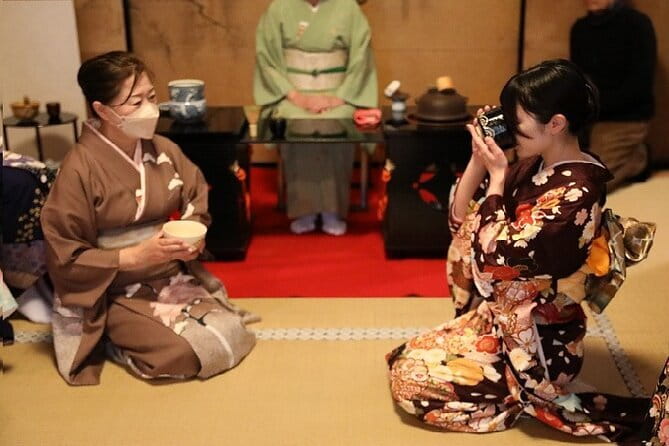
Yes. The experience includes time in the same setting where you can buy matcha. Some participants specifically liked that they could purchase high-quality matcha in the shop right there.
This is a smart feature. You get a baseline understanding of what you tasted, and then you can buy matcha that matches your new preferences. If you are the type who brings home one edible thing from each trip, this is a better bet than a random packet you do not know how to use.
If you do plan to buy, keep it practical. If you have space issues, check how you will carry it. If you are traveling light, consider whether you want to mail it or pack it securely.
Optional kimono: fun if you want it, but not required
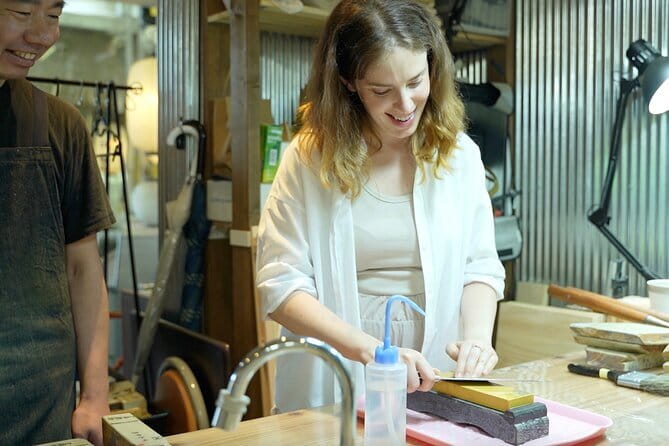
Kimono is offered as an add-on. You can rent a two-piece type kimono for 1,000 JPY.
Based on what people reported enjoying, kimono adds atmosphere, especially for photos and for feeling like you stepped into another era. But the ceremony itself is the main draw, and you still get the hands-on matcha making either way.
Also remember: kimono is not included in the base price. If you want the costume look, add it before you decide if the total fits your budget.
Group size and tone: calm with a few real-life rules
The maximum group size is 15 travelers, which is the sweet spot for a short tea ceremony. Small enough that instruction feels personal, large enough that you still have energy in the room.
Tone also matters here. Tea ceremonies are quiet by design, and the rules like no perfume and limits on phone behavior protect that calm. If you like structured experiences and you are willing to follow instructions, you will probably enjoy this a lot.
If you dislike rules, or you feel uncomfortable being asked to change behavior (phones, scent, socks), you may find the setup more annoying than meaningful. Still, the rules are straightforward, and most people adapt quickly once they are in the room.
Who this tea ceremony is perfect for
This is ideal for:
- Beginners who want a structured introduction to matcha and tea culture
- Couples who want a quieter Kyoto activity that feels special without being all day
- Families with older children, since the experience does not allow kids under 7
- People who like hands-on learning, not just watching
It is also a great fit for people who want a Kyoto moment that is not about temples or shopping. This is tradition you can taste, literally.
Quick way to decide: should you book it?
I think you should book this if you want a short, authentic matcha experience with real participation. The combination of hands-on matcha making, Uji tea included, and seasonal sweets is a strong value for the time, and the small group format keeps it from feeling like a factory.
Skip it, or at least reconsider if:
- You do not want to follow etiquette rules like no perfume and socks required
- You hate limited phone and no-video policies
- You are traveling with a child under 7
If you match the “respectful, curious, and ready to participate” vibe, this is one of those Kyoto activities that feels worth repeating later, because you now know what you are tasting.
FAQ
How long is the tea ceremony experience?
It lasts about 50 minutes.
What does the experience cost?
The price is $28.90 per person.
Is this experience offered in English?
Yes, the experience provides English sessions every day.
What is the maximum group size?
The group size is limited to a maximum of 15 travelers.
Where do I meet, and does it end there too?
You meet at Tea Ceremony & Cultural Experience Kangetsu Kyoto (日本文化体験教室 寒月 京都二年坂349-19 Masuyachō, Higashiyama Ward, Kyoto 605-0826, Japan). The experience ends back at the same meeting point.
What should I wear, and can I use perfume?
You should wear socks, wear clothing that does not expose too much skin, and perfume is strictly prohibited because it interferes with the smell of incense and tea in the room.
Is kimono included?
Kimono is not included, but you can rent a two-piece kimono for 1,000 JPY.
Are phones and video recording allowed?
In the tea room, smart phones are allowed, but video recording during the instructor’s demonstration is prohibited.
Is there an age limit for children?
Yes. Children under 7 years old are not allowed.
What is the cancellation policy for a full refund?
You can cancel for a full refund if you cancel at least 24 hours in advance of the experience start time (based on local time).
More Tour Reviews in Kyoto
Not for you? Here's more nearby things to do in Kyoto we have reviewed


Kyoto Tea Ceremonies, compared.
 ★ 4.9Tea Ceremony in a Traditional Tea House in KiyomizuFrom $493,519 reviews
 ★ 4.9Tea Ceremony Ju-An at Jotokuji TempleFrom $293,207 reviews
 ★ 4.345-Minute Tea Ceremony Lesson ExperienceFrom $222,378 reviews
 ★ 5.0World Heritage Kyoto & Nara Uji Authentic Matcha ExperienceFrom $1291,573 reviews
 ★ 4.9Table-Style Tea Ceremony at a Kyo-MachiyaFrom $451,211 reviews
 ★ 5.0Kimono Tea Ceremony at Kyoto Maikoya, NISHIKIFrom $65911 reviews
 ★ 5.0Arashiyama Bamboo Forest, Monkeys, Matcha & Temple TourFrom $53759 reviews
 ★ 4.9Tea Museum Tickets and Matcha Grinding ExperienceFrom $23739 reviews
Browse the lists this tour appears in