
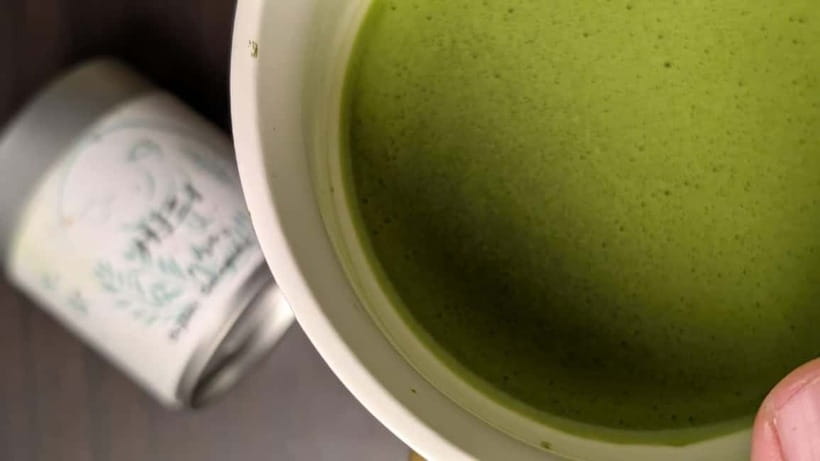
Reviewed · KYOTO TEMPLE & SHRINE TOURS
Whisk Your Own Matcha: A Zen Matcha Experience at Temple
Whisking matcha turns minutes into calm. This small temple tea lesson is special because you do it hands-on, whisk your own matcha with traditional tools, and learn how each step fits Zen thinking. It is the kind of activity that gives you a quiet reset in the middle of Kyoto chaos.
I especially like the way the host ties the ritual to meaning, sharing what the gestures represent and why matcha has been used for centuries as part of mindful practice. I also love the payoff at the end: you get to taste the tea alongside a traditional Kyoto sweet, plus there is a photo shoot included so you leave with something more than just a souvenir price tag.
One thing to consider: the location is a small temple, and a few recent booking experiences described difficulty spotting it. If you are the type who hates last-minute wandering, start early and follow the meeting directions carefully.
Key highlights at a glance
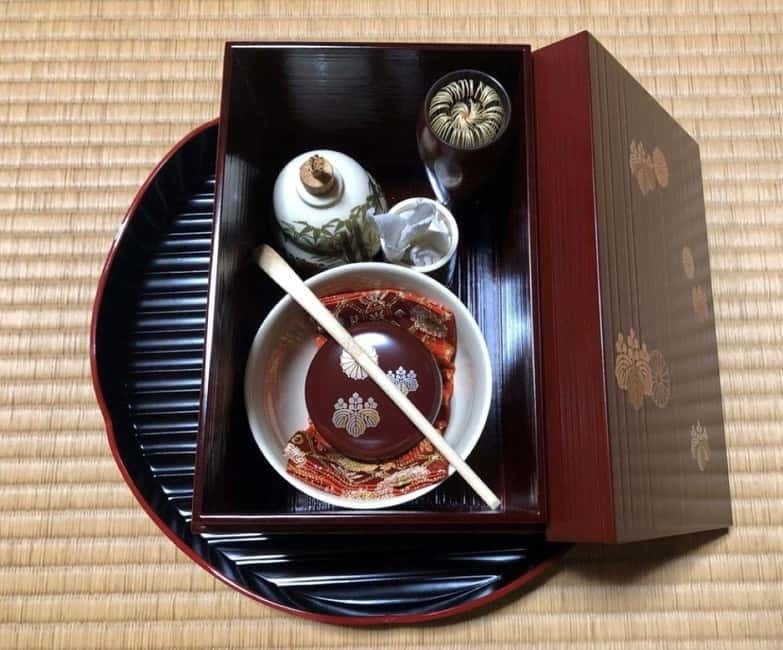
- Hands-on matcha whisking using traditional tea tools
- English-led tea ceremony with time for questions and guided pacing
- Temple setting at Shokoji Temple for a calmer, more grounded Kyoto moment
- Kyoto sweets pairing, including mochi in the sweet options mentioned by guests
- Included photo shoot so you can capture the ritual without hunting for a photographer
- Private-feel sessions are possible, depending on the group setup
Why a temple matcha lesson is worth your Kyoto time
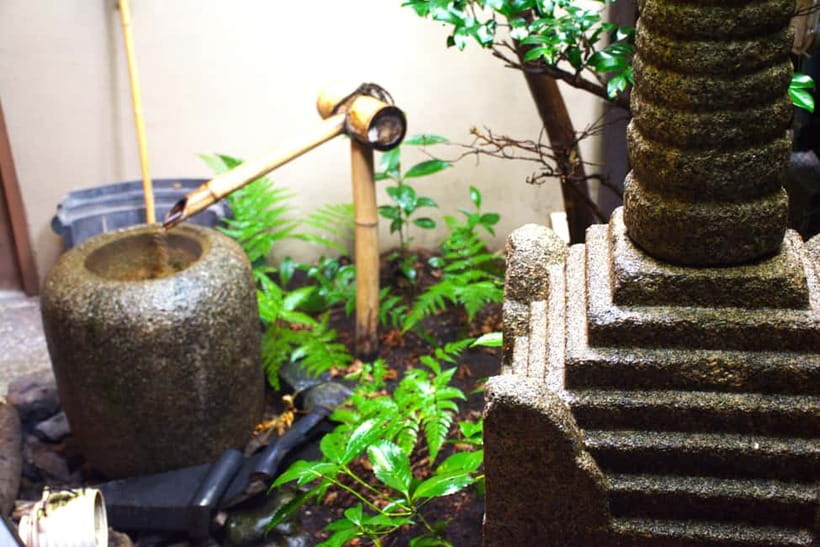
Kyoto is full of temples. The trick is choosing the ones where you do something, not just look. This matcha experience works because you are not only observing, you are participating. You whisk your own bowl, and that physical action makes the lesson stick.
The temple atmosphere also matters. You can feel the shift from the street level energy of Kyoto to something slower. Even if you are not into Zen philosophy, you still benefit from the pacing. You learn to pause, prepare, and then pour your attention into one small task at a time. That is a rare skill while sightseeing, and it is exactly what a good tea ceremony can teach.
Two things make it especially practical for a first visit. First, you get an orientation to what you are seeing, since the host explains the history and the cultural meaning behind the gestures. Second, you end up tasting the result instead of just getting a photo op. You leave knowing what matcha actually feels like when it is made the traditional way.
You can also read our reviews of more tours and experiences in Kyoto.
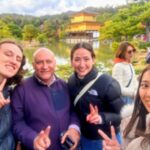
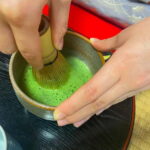
The tea ceremony, step-by-step, with real meaning behind the gestures
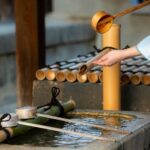
The core of this session is the tea ceremony itself. It is hands-on, guided, and paced for learning. You will whisk your own matcha in a traditional setting using the tools provided, following the host’s direction as you go.
What I find useful is that the explanation is not just a lecture. The host connects each gesture to why it exists. That matters because the ceremony can look like a bunch of synchronized motions if you do not have context. With the context, you start noticing details: how the whisking changes texture, why the handling is careful, and how the rhythm of preparation supports a calmer mindset.
Expect a real try-your-best moment. You are learning a technique, not performing a flawless imitation of someone else’s craft. If you are a beginner, great. The point is to understand the steps and build enough comfort to appreciate the taste you are about to drink.
Zen tea in particular is often described through practice, not slogans. In this experience, you feel that through the structure. You focus on the bowl and tools, then you move to drinking, then you relax. It is a short block of time, but the ritual gives it shape.
Whisking matcha: the texture lesson you can taste
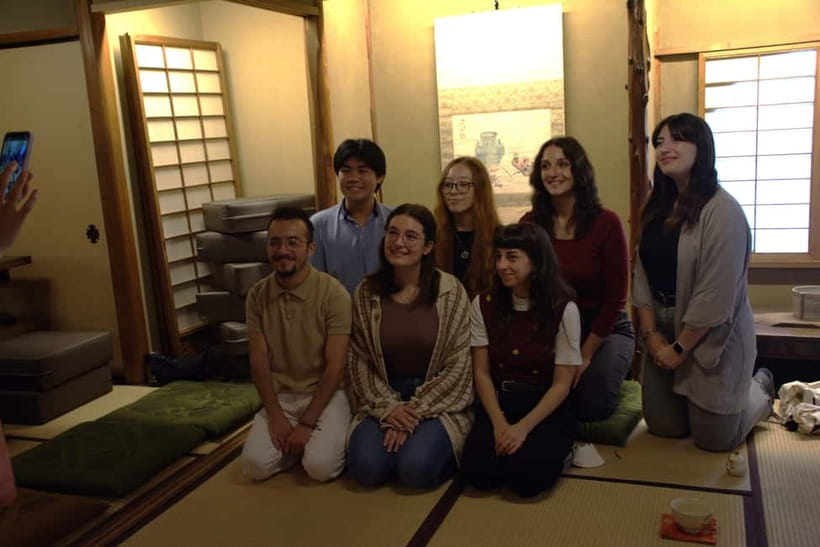
Matcha is not just tea powder. It is a different experience from brewing leaves in a cup. When you whisk it properly, you are creating a froth and a smooth blend, and that affects the flavor and feel.
In your 45 minutes, you get the actual action of whisking, which is where most people either get hooked or realize they have been drinking matcha in a simplified way. You learn how the ritual turns powder into something creamy and balanced.
This is also where the ceremony becomes more than theory. The host’s guidance helps you avoid the common pitfalls, like under-whisking or rushing. Even if your first bowl is not perfect, you will understand what to aim for. And because you are tasting what you made, you get fast feedback, the kind you do not get from just watching.
Kyoto sweets: the part people forget, and you shouldn’t
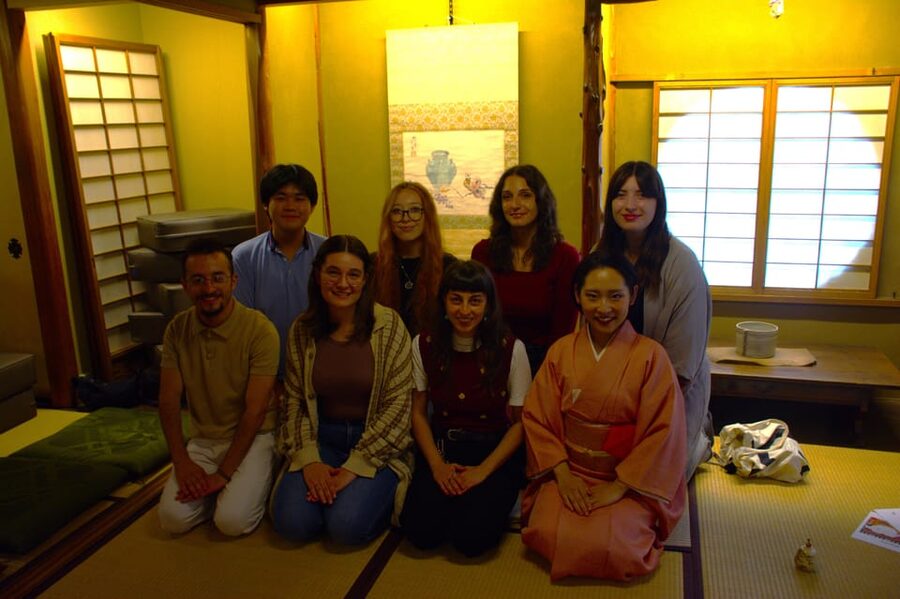
The included sweet is part of why this works as a complete experience. Tea ceremonies often get described like it is only about the matcha, but sweets matter because they set the mood and balance the drink.
You will be savoring tea alongside a traditional Kyoto sweet, and mochi shows up in guest experiences as one of the sweets served. That pairing makes sense. Matcha can feel earthy and slightly bitter if you treat it like regular tea. A sweet bite gives you contrast, so the matcha tastes more rounded, not just sharp.
If you have dietary restrictions, you might want to ask ahead. The activity information confirms a Kyoto sweet is included, but it does not list alternatives. Since the experience runs only 45 minutes, there is not a lot of spare time to improvise food choices.
Getting personal guidance in English, with time to ask questions
The instructor is listed as English-speaking, which is a big deal in Kyoto. I find matcha lessons can be frustrating when you can hear the words but cannot follow the purpose. Here, you are guided in a way that supports learning, and guests have specifically praised hosts for answering questions and explaining details clearly.
One name that appears in multiple guest accounts is Sakura. In those experiences, Sakura was described as friendly, well informed, and willing to answer questions, including advice for where to buy matcha afterward. That kind of practical follow-through is exactly what you want. You do not just learn the ritual, you leave with a sense of what to do next.
Also, note the session can feel more personal than you might expect. Some guest accounts described a very private ceremony, not a group spectacle. If you want a quieter, more one-on-one learning vibe, this is a good style of class to look for.
Where Shokoji Temple fits into your route, and how to find it
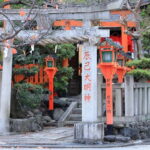
The meeting point is at Shokoji Temple. From Kyoto Station, take the north central exit and head straight north. Walk along Karasuma Street for about 10 minutes. Shokoji Temple should be on your right, just past several intersections.
It is described as small but distinctive, with an entrance sign. Still, a couple of recent experiences mentioned trouble finding the ceremony, especially when signs were not obvious. So I would treat this like a meetup at a quiet side street, not like a major landmark.
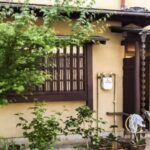
Here is a practical workaround based on guest tips: some people have had success locating nearby orientation points near Ichinen-Zaka and Ninen-Zaka. One helpful clue mentioned a place called Grapevine Cafe on the corner of Ichinen-Zaka Street and Ninen Zaka Path, where vines are visible at the top and you may need to knock to enter. That may or may not match what you see on the day, but it can help you get your bearings if you feel turned around.
If you are running late, use the contact number provided for the activity. The phone listed is 080-5259-3796. Starting early is the simplest fix. With Kyoto, the best plan is to arrive with buffer, then wait somewhere calm.
Price and value: is $32 for 45 minutes actually fair?
At $32 per person for about 45 minutes, this sits in the mid-range for hands-on cultural classes. The value comes from what you get, not just what you watch.
You receive:
- tea
- a traditional Kyoto sweet
- a photo shoot
- instruction in English
- the chance to whisk your own matcha
Transportation is not included, and tips are not included. That is normal for Japan, but it does mean your total cost depends on how you get there. Still, for the time, the included sweet, and the photo, it is not an overpriced performance. It is closer to a short cultural workshop than a long guided tour.
Where value can vary is in group setup. Some guest accounts described very private sessions, which makes the experience feel more premium. If your session is more group-based on a given day, you still get the hands-on whisking, but the feeling may be less intimate.
Also, pay attention to the human side. A small number of accounts mentioned a no-show or confusion with locating the meeting spot. Most sessions likely run smoothly, but if you want low risk, arrive early, double-check the meeting instructions, and keep your phone ready.
Who should book, and who should think twice
This experience is best for adults and older teens who want a short, meaningful cultural activity that does not require prior tea knowledge. If you are the type who enjoys craft-like learning, this fits well because you learn through doing.
It is also a good choice if you want a break from heavy walking. Forty-five minutes in a calm temple setting is an efficient recharge in the middle of Kyoto sightseeing.
There are a few clear limitations:
- Not suitable for children under 10
- Not suitable for people with back problems
- Party groups are not allowed
- Alcohol and drugs are not allowed
- Wheelchair accessibility is listed, which is reassuring if you need mobility accommodations
If you are traveling with a group that is loud or party-focused, this is probably not the right vibe. The whole point is mindfulness and calm, so keep the mood respectful and quiet.
Should you book this Zen matcha temple session?
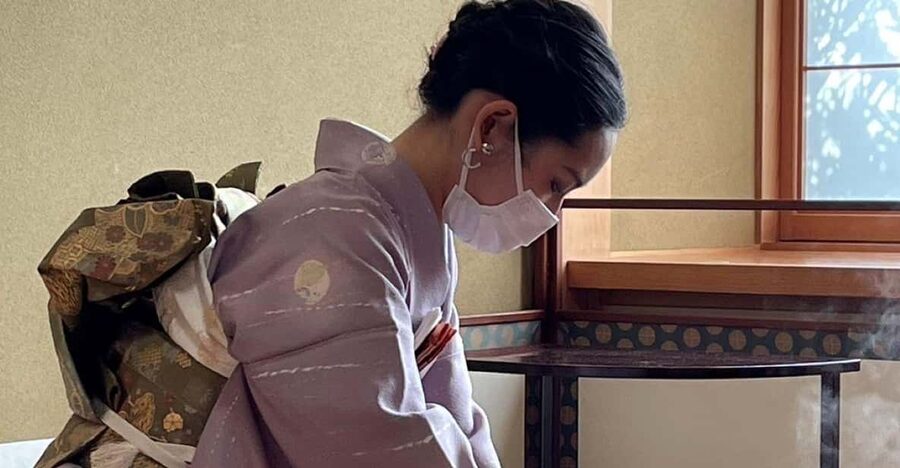
If you want something more than a standard temple photo, I think this is a solid book. The big win is the mix of hands-on whisking, English guidance, and tasting tea with a Kyoto sweet. The included photo shoot is also a practical touch, because you get a record of the experience without planning your own setup.
I would book with two precautions. First, plan your arrival time with buffer, because the temple is small and easy to miss if you rush. Second, if you rely heavily on meeting points without much flexibility, keep your expectations realistic, since a few accounts mentioned guide or location issues.
If you are a beginner, great. If you already know about matcha, you will still benefit because you are working with the actual ritual and tools, not just reading about it.
FAQ
How long is the matcha experience?
It lasts about 45 minutes.
How much does it cost?
The price is $32 per person.
What is included in the price?
Tea, a traditional Kyoto sweet, and a photo shoot are included.
What should I bring or plan for?
Transportation to the location is not included, and tips are also not included. The rest of what you need for the ceremony is provided as part of the experience.
Is the instructor English-speaking?
Yes, the instructor is listed as English.
Is the experience suitable for children or people with back problems?
Children under 10 are not suitable, and it is also not suitable for people with back problems.
Where do I meet, and what if I get lost?
Meet at Shokoji Temple. From Kyoto Station, take the north central exit, go straight north, and walk along Karasuma Street for about 10 minutes. Shokoji Temple is on your right just past several intersections. If you have trouble, you can call 080-5259-3796.
More Tour Reviews in Kyoto
Not for you? Here's more nearby things to do in Kyoto we have reviewed

Kyoto Temple & Shrine Tours, compared.
 ★ 4.9Tea Ceremony Ju-An at Jotokuji TempleFrom $293,207 reviews
 ★ 4.8Arashiyama Bamboo, Temple, Monkeys, or Secret Sake BreweryFrom $87886 reviews
 ★ 5.0Arashiyama Bamboo Forest, Monkeys, Matcha & Temple TourFrom $53759 reviews
 ★ 4.4Osaka/Kyoto: Arashiyama, Nara & Fushimi Inari Shrine w/LunchFrom $61754 reviews
 ★ 4.2Ninnaji Temple Entry TicketFrom $5650 reviews
 ★ 4.7Imperial Palace & Nijo Castle Guided Walking TourFrom $49453 reviews
 ★ 5.0Kyoto Zen Meditation & Garden Tour at a Zen Temple with LunchFrom $110441 reviews
 ★ 5.0Zen Experience in a Hidden TempleFrom $109437 reviews
Browse the lists this tour appears in