
Reviewed · WALKING TOURS
[2.3km / 1.43mi] Kyoto East Early Morning Walking Tour
Kyoto feels like a secret before 8 a.m. This Kyoto East Early Morning Walking Tour lets you glide through Higashiyama on foot, with an English guide and classic sights timed for calmer streets.
I like the format most: a small group capped at 6 that keeps questions flowing, plus a guide who doesn’t just point, she explains. I also love the practical payoff, because after the temples you get local food and shopping tips you can actually use that day.
One heads-up: this is an active morning walk. You’ll cover about 2.3 km with slopes and steps, and it is not suitable for mobility impairments, baby strollers, or large luggage.
Quick hits before you go
![[2.3km / 1.43mi] Kyoto East Early Morning Walking Tour - Quick hits before you go](https://media.thekyototraveler.com/wp-content/uploads/2-3km-1-43mi-kyoto-east-early-morning-walking-tour-1.jpg)
- Small group, max 6: more chat with your English guide, less waiting around
- Early start in Kyoto East: calmer streets and better morning photo light
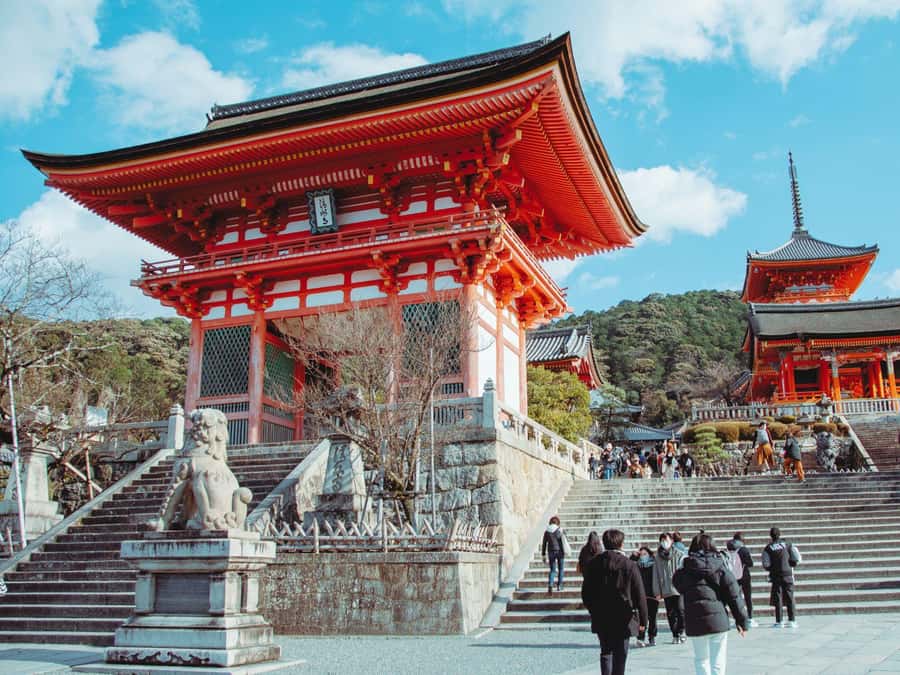
- Key Higashiyama stops: Kiyomizu-dera, Yasaka Shrine, and Sannenzaka streets
- Local stories with real context: you learn what you’re seeing, not just where it is
- Ask for after-tour plans: food and shopping recommendations from a Kyoto insider
- Comfort matters: bring water and shoes, because you will climb steps and slopes
Why this early start makes Kyoto East feel different
![[2.3km / 1.43mi] Kyoto East Early Morning Walking Tour - Why this early start makes Kyoto East feel different](https://media.thekyototraveler.com/wp-content/uploads/2-3km-1-43mi-kyoto-east-early-morning-walking-tour-2.jpg)
Kyoto East has a way of teaching patience. If you hit Higashiyama later in the day, the crowd energy changes everything. You end up threading through people and rushing your photos. This tour flips that. You start early, when streets feel more human and the city still feels like it’s waking up rather than working full-time.
The walking pace also helps. You’re out for about 2 hours, with a total distance around 2.3 km. That’s not a marathon, but it’s enough to connect sights in a way that buses and taxis never do. You feel the neighborhood, and the route gives you time to slow down and look closely.
And it’s not a generic checklist tour. You’re walking through the famous Higashiyama area, but the guide’s local stories are what make the places click. The tour is not a Gion geisha walking tour, so you won’t be chasing that specific scene. Instead, you focus on temples, shrines, and the old-street rhythm of East Kyoto.
You can also read our reviews of more walking tours in Kyoto
The 2.3 km walk: how intense is it, really?
Let’s talk feet honestly. The route includes slopes and steps, and you should expect some uphill moments. In Kyoto East, that’s normal. Streets rise, lanes tighten, and the old neighborhood has plenty of stairways between viewpoints and entrances.
This matters for two reasons.
First, comfort. If your shoes are too soft, too slick, or you’re wearing something you’d normally use on flat streets, you’ll feel it by the time you reach the temple approach areas. Bring comfortable walking shoes and plan for a warm day with a hydration break.
Second, timing. Because it’s an early morning walk, your body is waking up too. That’s why the tour works well for early birds. You get moving before the heat and crowds peak, which is exactly what one guide-style review highlighted as especially worth it in summer.
If you are sensitive to stairs or you need mobility support, this one is not the match. The tour specifically says it’s not suitable for people with mobility impairments, and it bans baby strollers. So for accessibility and convenience, choose your route carefully.
Kiyomizu-dera in the morning: more than a famous temple
![[2.3km / 1.43mi] Kyoto East Early Morning Walking Tour - Kiyomizu-dera in the morning: more than a famous temple](https://media.thekyototraveler.com/wp-content/uploads/2-3km-1-43mi-kyoto-east-early-morning-walking-tour-4.jpg)
Kiyomizu-dera is one of Kyoto’s headline names for a reason. Even if you’ve seen photos, standing near it early gives you a different experience. The morning timing helps your brain settle. You can actually read the space, not just sprint through it.
On this tour, Kiyomizu-dera isn’t treated like a stop you drop into and rush out of. You walk through the approach and surrounding streets, and your guide shares stories that connect the temple to the wider culture of Kyoto East. That’s the value of a guided walk: you understand what you’re looking at while your feet do the work.
Here’s what you should plan for at Kiyomizu-dera:
- Expect walking paths that include steps and changes in elevation
- Give yourself time to stop for photos, because the early light can be great
- Listen for the guide’s context, since that’s what turns a landmark into a place with meaning
One more practical note: entrance fees are not included. So you’ll want some cash or a way to pay, depending on your preferences. If you’d rather skip paid entry, you can still enjoy the morning walk atmosphere, but plan your budget if you want full access.
Yasaka Shrine and the Higashiyama rhythm you only get on foot
After Kiyomizu-dera, the tour keeps you inside Higashiyama’s classic layout: temple and shrine energy mixed with old-street movement. Yasaka Shrine is a major anchor here, and the morning timing helps you experience it without the later-day rush feeling.
What I like about Yasaka Shrine on foot is how it sits in its neighborhood. You don’t just arrive at a photo spot. You approach through streets where everyday life is still part of the scene. That’s where walking tours earn their keep. You get continuity. You see how people move through the area, not just where to stand for pictures.
Your guide will explain cultural context along the way. In Kyoto, the same alley can feel like a museum hallway or a living street, depending on when you’re there and how you’re looking at it. A good local guide helps you slow down and read the environment.
Also, this tour is designed to help you get your bearings fast. If it’s your first time in Kyoto East, you’ll start to understand why the area is arranged the way it is, and how the big landmarks relate to each other.
Sannenzaka streets: when old Kyoto becomes a walkable feeling
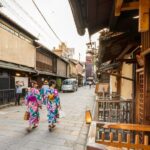
Sannenzaka (San-nen-zaka) is where the old-town vibe really hits. Think of it as Kyoto’s “you should slow down” zone. It’s scenic, photogenic, and perfect for getting those layered old-street shots where you can see buildings, slopes, and the flow of pedestrians.
What makes Sannenzaka work on an early morning tour is pacing. You can actually enjoy the street instead of dodging shoulder-to-shoulder traffic. You’ll have time to pause, take photos, and watch the morning movement settle in.
Here’s how to enjoy this part:
- Keep your camera ready, but don’t forget to look up
- Plan for extra walking at the edges, because viewpoints and side steps invite detours
- Let the guide’s story make the street feel purposeful, not just pretty
This is also where local tips start to feel more relevant. When your guide has already been pointing out how people shop, where to eat, and what to look for, you’re more prepared to choose what comes next. By the time you finish the main route, you’re not guessing.
More Kyoto temple visits, food tours, tea experiences, and day trips to compare


Small group energy: why max 6 changes everything
![[2.3km / 1.43mi] Kyoto East Early Morning Walking Tour - Small group energy: why max 6 changes everything](https://media.thekyototraveler.com/wp-content/uploads/2-3km-1-43mi-kyoto-east-early-morning-walking-tour-5.jpg)
This tour is capped at 6 guests. That’s not a marketing number. It changes the whole feel of the morning.
With a small group:
- The guide can adjust the pace when the group includes slower walkers
- You get more time for questions, especially about what you’re seeing and what it means
- You’re less stuck waiting for people who are constantly stopping or getting lost
That “question-friendly” atmosphere is something one reviewer praised, calling out the guide’s patience and strong English. If you want a tour where you can ask, rather than just listen, this setup is a big plus.
Language matters too. The tour is English guided, and the guide’s explanations are the difference between collecting images and actually understanding the place.
You may meet Akari, who is described as from Kyoto city and known for sharing insider information. If you’re lucky enough to have her, you’ll likely get extra depth on how Kyoto traditions connect to what’s right in front of you.
What you actually learn: history and culture that sticks
This isn’t a “walk and point” tour. The guide includes stories about each highlighted spot, and you’ll hear unique background that helps you notice details you’d otherwise ignore.
Even if you’re not a history buff, these small teaching moments make the sights feel more personal. For example, learning why a temple or shrine is significant changes the way you look at shapes, spaces, and even visitor behavior around you.
And because it’s a walking route, you learn in context. Instead of a classroom explanation, you get the story right as you pass the real setting. That’s why the tour can feel like you’re getting more than sightseeing without a lecture vibe.
Local tips after the tour: turning a walk into a day plan
One of the best parts is what happens after you see the big sites. The tour includes local tips and recommendations for food and shopping, based on your guide’s perspective.
This is the practical “why it’s worth $20” angle. You’re not just paying for movement and photos. You’re paying for a shortcut to better choices. Instead of wandering hungry and guessing, you get a starting map of where to eat and where to shop.
If you’re staying near the tourist zones, the tips can help you find nearby options that feel more like East Kyoto life and less like generic souvenir aisles. And if you tell your guide what you like, you’ll be able to aim your afternoon.
Price and value: what $20 covers, and what to budget
The price is $20 per person, and for Kyoto East in a small group with an English guide, that can be good value.
Here’s how to think about it:
- You get a guided morning walk of about 2 hours
- You visit major Higashiyama highlights, including Kiyomizu-dera, Yasaka Shrine, and Sannenzaka
- You get local tips for food and shopping
What’s not covered:
- Entrance fees
- Food and drinks
- Hotel pickup and drop-off
- Transportation to and from the meeting point (since it’s a walking tour)
So, treat the $20 as the guided experience cost, not the total Kyoto day cost. If you plan to pay temple or shrine entrances, add that to your budget. If you’re comfortable with spending a bit more, you’ll likely come away feeling like the guide time was well spent.
Who should book this Kyoto East early morning walk
This tour is a smart fit if you want:
- A small group experience with an English guide
- Higashiyama highlights without spending all morning in crowds
- A route that includes story and context, not just photos
- Local recommendations for what to do after the tour
It’s especially great for first-time visitors who want to get their bearings fast. It can also work for repeat Kyoto travelers, because the guide stories and insider tips can add a fresh layer of appreciation even when you already know the big landmarks.
Who should skip:
- Anyone who struggles with stairs and slopes
- Anyone traveling with baby strollers or needing to bring large luggage
- Anyone who wants a relaxed, no-walking sightseeing option
Should you book this Kyoto East Early Morning Walking Tour?
If you like mornings, comfortable shoes, and guided context that helps you understand what you’re seeing, I’d book this. The small group size, the early timing, and the focus on Higashiyama landmarks add up to a morning that feels efficient and satisfying, not rushed.
Book it especially if you care about learning and want your guide to set you up with food and shopping ideas for later that day. Skip it if you want a low-effort walk, need stroller access, or you have mobility limitations.
FAQ
How long is the Kyoto East Early Morning Walking Tour?
The tour runs for about 2 hours.
What distance will I walk?
You will walk about 2.3 km (around 1.43 miles).
What sights does the tour include?
The tour includes stops such as Kiyomizu-dera Temple, Yasaka Shrine, and Sannenzaka, along with other Higashiyama highlights.
Is the tour in English?
Yes, it is an English guided walking tour.
Are entrance fees included?
No, entrance fees are not included.
What should I bring, and is anything not allowed?
Wear comfortable walking shoes and bring water. The tour does not allow baby strollers, smoking, or luggage or large bags. It is also not suitable for wheelchair users or people with mobility impairments.
More Walking Tours in Kyoto

More Tours in Kyoto

More Tour Reviews in Kyoto
Not for you? Here's more nearby things to do in Kyoto we have reviewed



Walking Tours, compared.
 ★ 4.7Kyoto Geisha Walking Tour: Gion District & Hidden GemsFrom $253,273 reviews
 ★ 4.9Gion Magical Night Walking Tour with Geisha TriviaFrom $242,393 reviews
 ★ 4.7Gion Geisha District Walking Tour – Stories of GeishaFrom $202,187 reviews
 ★ 4.5Night Walk in Gion: Kyoto’s Geisha DistrictFrom $212,003 reviews
 ★ 5.0Kyoto Gion Geisha District Walking Tour – The Stories of GeishaFrom $251,441 reviews
 ★ 5.0Nishiki Market Brunch Walking Tour (7 Tastings + Brunch)From $681,355 reviews
 ★ 5.0Kyoto Arashiyama Walking Tour: Bamboo, Monkeys, Gardens & SecretsFrom $651,216 reviews
 ★ 5.0Kyoto Gion: 2-Hour Geisha Culture & History Walking TourFrom $231,186 reviews
Browse the lists this tour appears in