
Reviewed · GION & GEISHA DISTRICT TOURS
Kyoto Gion: 2-Hour Geisha Culture & History Walking Tour
Geisha hunting begins here. In just 2 hours, this small-group Gion walk threads traditional culture through streets you can’t quite grasp from a map. You’ll cover a few iconic stops, plus quieter lanes where the atmosphere feels like the Kyoto people actually live with.
I love that the tour mixes a real chance to spot a geisha with clear explanations of how geisha training works, including the craftsmanship behind kimono and hairstyles. I also like the variety of stops for photos and context, from the 1,000-year-old Yasaka Shrine to the Edo-period townhouses at Gion Shirakawa.
One tradeoff: this is mostly walking, and you might not see a geisha every time. If it’s hot, you’ll feel it, and the tour does not include planned drink breaks.
Key points I’d mark on your mental map
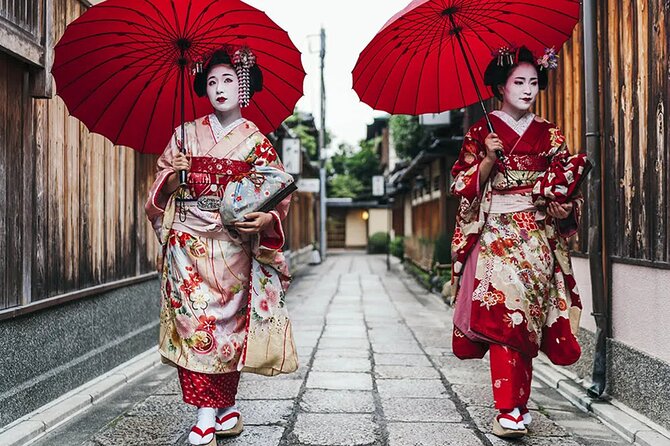
- Geisha chance on Hanamikoji Street with stories that make what you see easier to understand
- Yasaka Shrine (1,000-year-old) gives you a meaningful anchor in the middle of the walk
- Hokan-ji Temple is called out as one of the most photogenic spots in Kyoto
- Edo-period townhouses at Gion Shirakawa add old-town texture beyond the main lanes
- Pontocho + Kamogawa River pause helps you slow down and take in the mood of the evening
- Small group size (max 15) keeps the pace friendly and the questions flowing
Gion in two hours, and why that time box works
Kyoto can be overwhelming on your first day. This tour is short on purpose, about 2 hours on foot, so you get a focused hit of Gion without burning half your sightseeing day. With a maximum of 15 people, it also feels easier to talk with your guide when questions pop up.
The price, $23.88 per person, is reasonable for a guided route. You’re not just paying for a walk, you’re paying for context at multiple stops, and the sites listed on the route are marked as free to enter. If you’re trying to balance “must-sees” with something that feels personal, this format is a strong fit.
You can also read our reviews of more walking tours in Kyoto
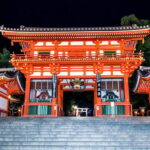
Meeting by Shijo-ohashi: simple start, easy orientation
You meet at McDonald’s near the Shijo-ohashi Bridge area, address 105-1 Hashimotochō, Shimogyo Ward. The good news is that this area is near public transportation, so you’re not stuck with a complicated arrival plan.
When a tour starts in a familiar hub like this, you can spend less energy figuring out where to be, and more energy looking at the streets once you’re there. I also appreciate that the itinerary is designed like a gentle crawl rather than a fast sprint.
Bring comfortable shoes. Even though it’s only a couple hours, you’ll be on sidewalks and small paths, not sitting in one place.
Hanamikoji Street: where the geisha world gets explained
Hanamikoji Street is the heart of the geisha district, and the guide starts you there for a reason. This isn’t just “look at the street,” it’s where you learn the rules behind the world people associate with geisha and maiko, especially the idea of strict training and the artistry of performance.
You’ll hear about the graceful dances and the craftsmanship behind kimono and hairstyles. That matters because if you only see costumes, you miss the point. Once you understand how much preparation goes into the details, even a brief sighting on the street feels more meaningful.
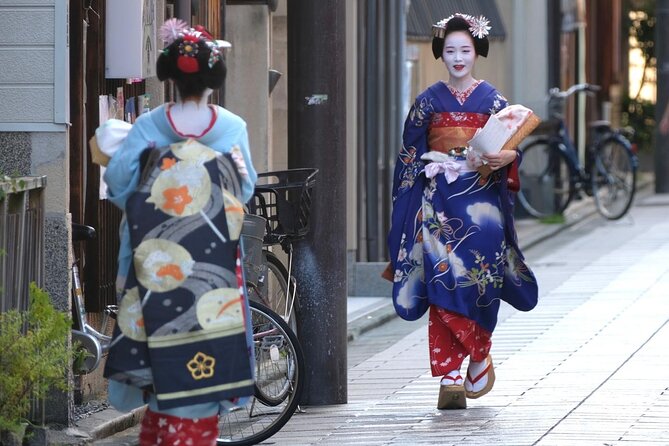
The tour also emphasizes a practical goal: you might spot a geisha if you’re lucky. If you are hoping for that, don’t treat it like a guarantee. Think of it as a chance, improved by timing.
Sannenzaka Ninenzaka: the photo street with a story behind it
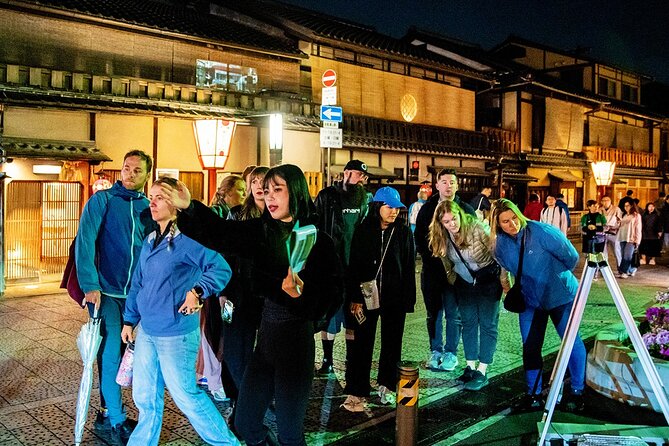
Next you’ll walk through Sannenzaka Ninenzaka, a lane people love for photos because it feels so Kyoto. There’s also an old rumor attached to this area, the one about falling and dying in two years. Your guide explains what’s behind that eerie claim and, importantly, separates the myth from the actual meaning.
This is a stop that can go two ways. If you rush it, you’ll mostly get background. If you slow down for a few minutes, you’ll leave with an explanation that makes the street feel more than just a backdrop.
Tip: if you’re trying to get pictures without blocking others, do quick shots, then step aside. These lanes are meant for walking through, not for setting up a long photo production.
Yasaka Shrine: the 1,000-year-old reset point
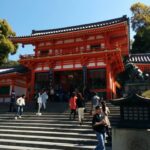
Yasaka Shrine is a standout on the route because it’s described as a 1,000-year-old shrine. After time on streets and alleyways, this kind of landmark gives your brain a clear anchor.
What I like about including a shrine in a Gion walk is that it keeps the focus balanced. You’re not only chasing entertainment or aesthetics, you’re also seeing how spiritual sites sit next to traditional neighborhoods. Even if you’re not a religion expert, the scale and age create an immediate sense of continuity.
You’ll get about 20 minutes here, which is enough for a respectful look without turning the whole tour into a long ceremony.
You can also read our reviews of more historical tours in Kyoto

Hokan-ji Temple: where the photos usually win
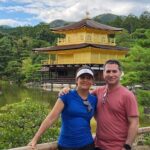
Then you head to Hokan-ji Temple, described as the most photogenic spot in Kyoto on this route. The best value of this stop is that your guide helps you see what to look for, not just where to stand.
A temple that’s famous for photos can turn into a crowd scene fast. The structured timing, about 20 minutes, helps you get your shots and still move on with the rest of the walk rather than getting stuck waiting for the perfect moment.
If you’re traveling with kids or anyone who just wants quick wins, this is the stop that often satisfies the “I want something pretty” crowd without needing extra planning.
Pontocho and the Kamogawa River: letting the evening breathe
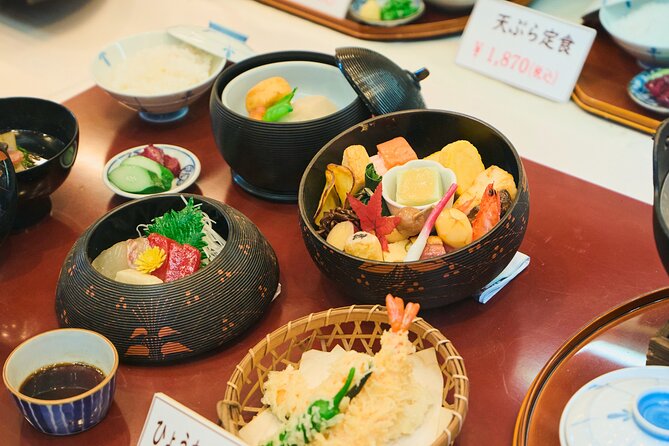
Pontocho is described as a historic gourmet street. It’s a great shift from “look at buildings” to “feel the atmosphere,” because you can sense how this area supports food culture and evening life.
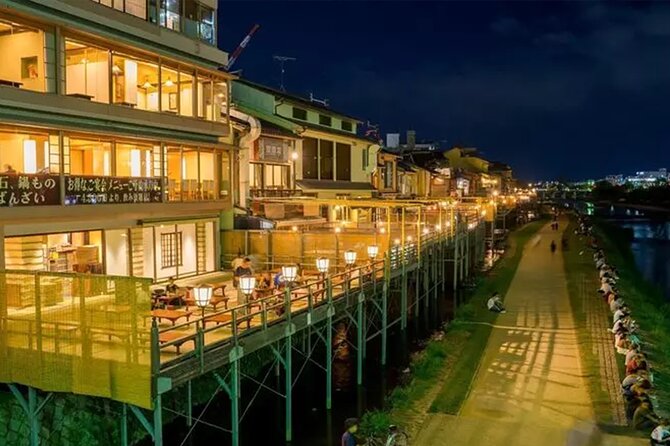
Right after that, the tour includes a local chill-out spot by the Kamogawa River. This is one of those choices that makes the whole tour feel less like a checklist. It gives you a moment to stand still, notice the light, and enjoy the fact that Kyoto doesn’t always need to be photographed to be memorable.
If you’ve had a long day in Kyoto, this is also a smart place to catch your breath. The tour does not mention drink stops, so if you need water, plan ahead and carry a bottle.
Gion Shirakawa: Edo-period townhouses you can actually see
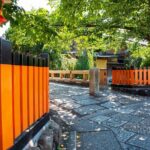
Gion Shirakawa is where you get Edo-period townhouses. This stop matters because it’s easy to think of Gion as just a single street view. Seeing these older wooden townhouses gives you a more grounded sense of how the district’s architecture supports the culture.
About 20 minutes here is a good amount of time to notice details like building shapes and the way the streets frame the structures. You’ll also get stories from your guide, which is what turns “pretty buildings” into “I get why these survive.”
If you love old neighborhoods, this part is one of the best payoffs.
Yasui-Konpiragu: Shinto worship in the middle of the walk
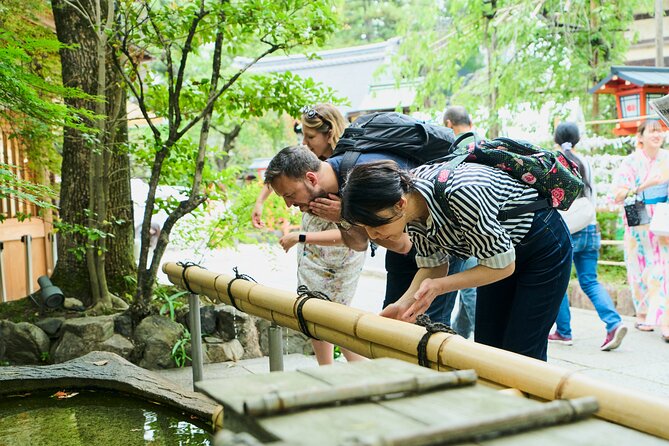
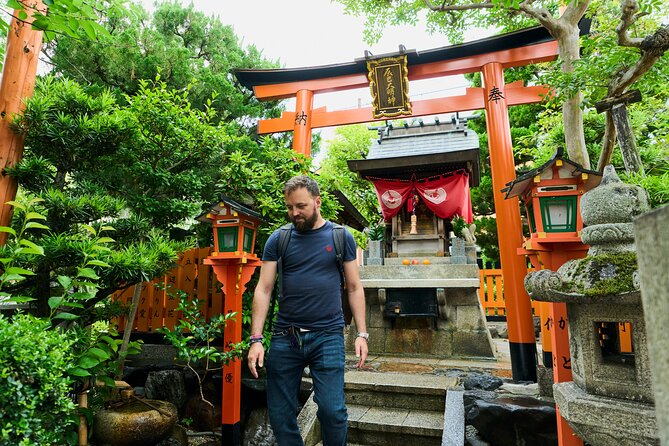
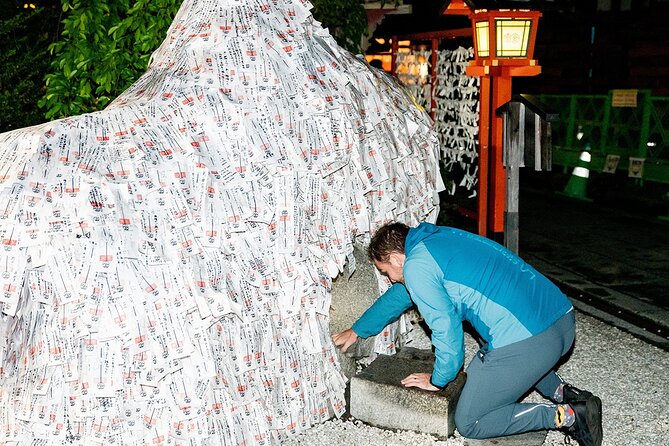
The tour also includes Yasui-Konpiragu, where you’ll experience Shinto worship. This stop adds a different angle to your visit. It’s not only about geisha culture, it’s also about the living religious traditions that exist alongside it.
You’ll have around 15 minutes. That time is short, but it’s enough to observe respectfully and absorb what your guide explains about how worship works in this context.
Timing your route for a geisha sighting
The tour’s big “maybe” is the chance to spot a geisha. The practical advice from the experience is to plan your timing carefully. One tip that comes up clearly is that a tour around 5-6 pm can improve your odds, when streets feel active and you’re more likely to see movement along the traditional lanes.
At the same time, there’s a caution about going too late. If you push the timing later in the evening, some areas and sites may not be as convenient to view. As a rule of thumb, try to schedule your walk so you still arrive with daylight or at least early evening light.
If you don’t see a geisha, you’re not leaving empty-handed. You still walk through key Gion lanes and get the cultural context for what you might have seen.
Price and value: what $23.88 is really buying
For $23.88 per person, you get a guided route through multiple landmarks, including a 1,000-year-old shrine stop and an Edo-townhouse area. The itinerary also lists admission ticket free for the stops on the route, so you are paying mostly for the guide, the storytelling, and the route design.
You also get local recommendations as part of the experience. Several guides on this tour are praised for sharing restaurant and even rooftop bar suggestions, which can help you turn a short tour into better evening plans.
When I judge value on a walking tour, I look at three things: guide quality, stop quality, and time efficiency. This one scores well on all three because you cover several meaningful points without dragging on.
Who this tour fits best
This is best for you if you want culture with direction. If your Japan trip includes Kyoto highlights but you feel like you need a human to connect the dots, you’ll enjoy how your guide links streets, costumes, and traditions.
It’s also a good fit if you like photos but want context. Temple and townhouse stops are built in, yet the stories behind them keep the photos from feeling random.
Because the tour calls for moderate physical fitness, choose it if you’re comfortable walking for about two hours. If you’re sensitive to heat, plan for water and consider going earlier in the day.
Should you book it?
I’d book this tour if you want a tight, guided introduction to Gion that goes past postcard views. The chance to spot a geisha is the headline, but the real strength is how you learn the “why” behind what you’re seeing, from training traditions to Edo-era architecture.
Skip or reconsider if your top priority is sitting down and resting. This is a walking route, and there are no planned breaks for drinks. Also, if seeing a geisha is the only outcome you care about, manage expectations, because luck is part of the experience.
FAQ
How long is the Kyoto Gion: 2-Hour Geisha Culture & History Walking Tour?
The tour lasts about 2 hours.
How much does the tour cost?
The price is $23.88 per person.
Where is the meeting point?
The tour meets at McDonald’s – Shijo-ohashi Bridge, 105-1 Hashimotochō, Shimogyo Ward, Kyoto.
Is this tour a small group?
Yes. It has a maximum of 15 travelers.
Do I get a mobile ticket?
Yes. The tour includes a mobile ticket.
Are there admission fees for the stops?
The stops listed on the route show admission ticket free.
Is there a chance to see a geisha?
Yes. The tour is designed to give you a chance to spot a geisha.
What is the physical activity level?
Travelers should have a moderate physical fitness level.
What is the cancellation policy and what happens in bad weather?
You can cancel for a full refund up to 24 hours before the experience starts. The experience requires good weather, and if it is canceled due to poor weather, you will be offered a different date or a full refund.
More Walking Tours in Kyoto
More Tours in Kyoto

More Tour Reviews in Kyoto
Not for you? Here's more nearby things to do in Kyoto we have reviewed


Gion & Geisha District Tours, compared.
 ★ 4.7Kyoto Geisha Walking Tour: Gion District & Hidden GemsFrom $253,273 reviews
 ★ 4.9Gion Magical Night Walking Tour with Geisha TriviaFrom $242,393 reviews
 ★ 4.7Gion Geisha District Walking Tour – Stories of GeishaFrom $202,187 reviews
 ★ 4.9Best of Kyoto: Gion, Geisha, Pagodas & CobblestonesFrom $242,058 reviews
 ★ 4.5Night Walk in Gion: Kyoto’s Geisha DistrictFrom $212,003 reviews
 ★ 5.0Kyoto Night Foodie Tour in Gion (9+ dishes + 6 Sake tastings)From $1631,762 reviews
 ★ 5.0Kyoto Gion Geisha District Walking Tour – The Stories of GeishaFrom $251,441 reviews
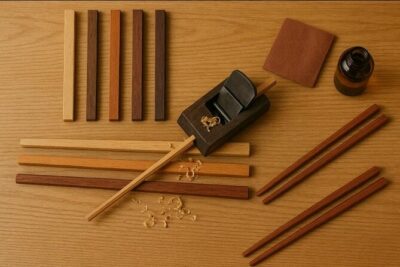 ★ 5.0Chopsticks Making Workshop in Gion with Engraving OptionFrom $15958 reviews
Browse the lists this tour appears in