
Reviewed · GION & GEISHA DISTRICT TOURS
Kyoto Gion Geisha District Walking Tour – The Stories of Geisha
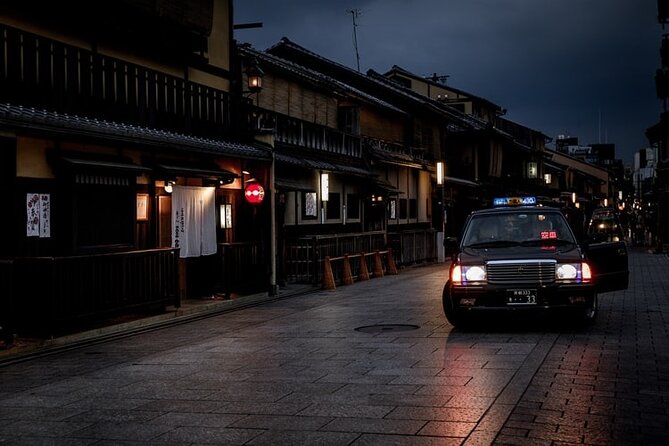
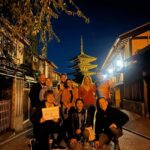
Gion looks different after dark. This geisha-focused walk trades daytime crowds for Gion at night, with stories tied to Kyoto’s older performing arts world. I like that the group stays small, maximum 15, so questions feel normal and you are not just herded along. One heads-up: it is a street walk, so plan for cold weather and bring your own water since bottled water is not included.
I also love how the route mixes famous photo stops with cultural context you can actually use. From the Okuni legend behind Kabuki to quiet shrine stops like Yasaka Shrine, you start seeing why Gion is more than a scenery set. The one possible drawback is that this is an overview style tour, so if you want a long, one-on-one explanation of geisha life every minute, you may want an extra day or a different format.
Key Takeaways Before You Go
- After-dark timing helps you feel the neighborhood instead of just passing it
- Max 15 people makes the guide’s explanations easier to follow
- Free-entry stop pattern keeps the tour focused and budget-friendly
- Kabuki and geisha connections give you a fuller picture of Kyoto entertainment history
- Lantern-lit photo opportunities show Gion in a calmer, more atmospheric way
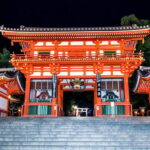
- Route ends at Yasaka Shrine, so you can keep walking or transition to other sights easily
Gion After Dark: Why This Tour Feels Like Kyoto, Not a Checklist
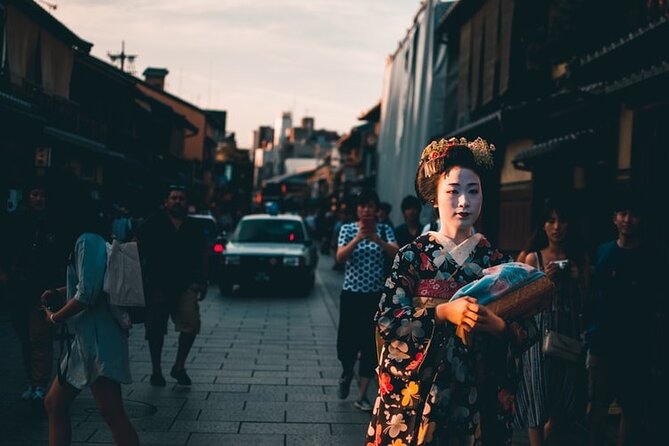
If you only see Gion in daylight, you miss the rhythm. After dark, the streets feel narrower, quieter, and more intentional. This tour leans into that shift, taking you through Gion after the biggest tourist waves have left, so you can pay attention to architecture, street layouts, and the small details that day trippers tend to rush past.
The other big reason this works is the guide storytelling. In the real world, most people do not know the right questions to ask about geisha and maiko. On this walk, guides explain terms, traditions, and how appointments shaped where people go and why certain buildings matter. I found it easier to remember because the facts are tied to what you are physically standing in front of.
You can also read our reviews of more walking tours in Kyoto
Price and Value: $25 for Two Hours, and What Makes It Worth It
At $25 per person for about 2 hours, the price is refreshingly straightforward. What you are paying for is not just walking from point A to point B. You are paying for a tight, small-group format, evening timing, and a local guide who links geisha culture to nearby landmarks like the Izumo-no-Okuni statue and Gion’s performance culture spaces.
Also, the tour includes all fees and taxes, and the stops listed are free to enter. That matters in Kyoto, where it is easy for a budget to quietly leak away into entrances. The one cost you might want to plan for is your own comfort items. Bottled water is not included, and in cooler months you will likely want a warm drink in your bag before you start.
Your Group Size Will Actually Affect Your Experience
Maximum 15 travelers sounds like a small detail, but it changes everything. When a group is larger, a guide cannot pause, and you stop asking questions because you do not want to slow the line. With this tour, the smaller size gives the guide space to answer you directly.
I noticed this in how many guides got praised for being friendly and responsive, including Shin, Deborah, Melanie, Joy, and Manuel. When the tour stays intimate, it becomes less like a lecture and more like a conversation with a well-informed local. You also get a better sense of the neighborhood’s flow because the pace is more human.
Timing, Weather, and What to Wear for a Night Walk
This is a night walk in Kyoto, and that is not a minor detail. The experience requires good weather, and if conditions are poor you will be offered a different date or a full refund. Even when the forecast looks okay, evenings can cool off fast once you are out walking.
Use what the reviews taught me as a practical guide. People specifically mentioned needing a big coat in winter, so dress like you are walking longer than you think you are. Layers help. If you are sensitive to cold, bring gloves and a hat, and wear shoes you trust on uneven sidewalk surfaces.
One more small practical tip: since bottled water is not included, you should bring a light bottle or plan to buy something before the meeting point.
The Itinerary: From Kabuki Origins to Yasaka Shrine at Night
The walk is about two hours and moves at a pace that keeps you from feeling rushed. It also gives you a logical story arc: where Kyoto’s performing arts legends connect, how Gion’s street life is structured, and how sacred spaces frame the district.
Stop 1: Izumo-no-Okuni Statue, and the Kabuki Link
You begin in Gion with the Izumo-no-Okuni statue, a bronze sculpture tied to Okuni, a legendary figure credited as the founder of Kabuki theater. It is a free stop, and it sets a tone that the tour does not treat geisha culture as an isolated topic.
Why this matters for you: once you understand that Kyoto entertainment has older roots than modern impressions, the rest of the walk makes more sense. Kabuki is not the geisha world, but the connection helps you see how performance culture developed in the same city and similar social spaces.
Also, if you like history that connects to real places, this is a strong starting point. It gives your brain something concrete to anchor the later street stories onto.
The Minamiza Theater Stop: Traditional Performance Space in the Background
The route also includes Minamiza, described as a historic theater in Kyoto known for Kabuki performances. Even if you are not going inside, standing in the orbit of a famous theater area helps you understand why certain arts traditions lived so close to the life of entertainment districts.
A realistic drawback: if you expected this tour to include ticketed theater time, it is not built that way based on the info provided. This is a walking tour with cultural stops, not an evening show.
Still, you will appreciate it more if you know you are touring context, not replacing a performance. If you want both, consider pairing the walk with a separate cultural program later.
Stop 2: Tatsumi Bridge and the Shinbashi Area Atmosphere
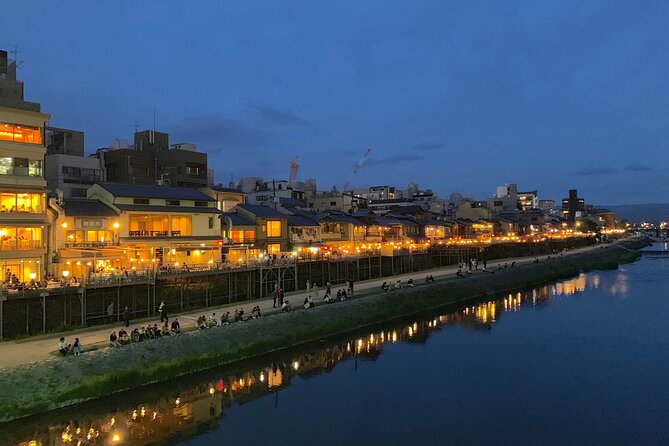
Next up is Tatsumi Bridge, tied to the Gion Shinbashi area, which is known for its streets, tea houses, and geisha culture. This is one of those locations where the street geometry matters. Bridges and lanes shape how neighborhoods feel, and the guide’s explanations help you see the district like a local, not just like a tourist with a camera.
This stop is also a chance to slow down. People who like photography tend to enjoy evening bridges and the way lights reflect. You may find it easier to take photos without the same daytime crush.
Stop 3: Hanamikoji Street, Where Machiya Houses Tell a Story
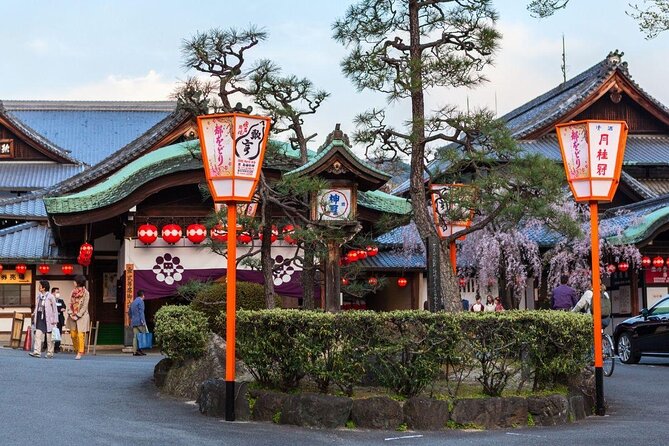
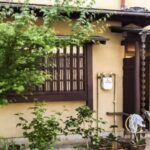
Then you hit Hanamikoji Street, one of Gion’s most iconic thoroughfares. The tour frames it as a historic street lined with machiya houses, upscale restaurants, and teahouses.
Here is what I think you will get out of it: Hanamikoji is not just a famous lane. It is a living street where architecture and business types reflect the neighborhood’s history. When the guide points out what matters, you start noticing building styles and why certain streets became tied to specific social worlds.
One caution: this street can still attract attention even after the biggest crowds leave. Keep your expectations realistic. You are looking for atmosphere and understanding, not a guaranteed private walking corridor.
Stop 4: Gion Corner, Condensed Traditional Arts
The walk includes Gion Corner, described as a cultural center and performance venue that showcases traditional Japanese arts in a condensed format. This is a smart stop because it lets you connect what you learn on the street to a place that packages cultural demonstrations.
A drawback to consider: because it is described as a condensed experience, it is better for quick context than for deep specialization. If you want hands-on workshops or multi-hour performances, you will likely need a separate activity later.
But for a first-time introduction, it is a useful bridge. You finish the walk with a clearer idea of what kinds of performances and arts tie into Kyoto’s broader cultural identity.
Stop 5: Yasaka Shrine, Gion’s Shinto Anchor
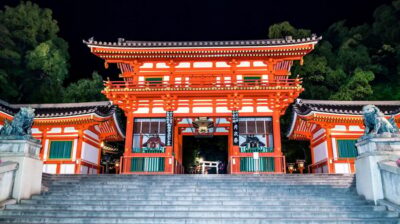
The tour concludes at Yasaka Shrine, also known as Yasaka Jinja or Gion Shrine. The route positions it as one of Kyoto’s prominent and visited shrines, with a known festival atmosphere.
Why this ending works: it reminds you that the geisha district is not just nightlife or entertainment branding. It sits in a city where shrine traditions and community events still shape how people move through space.
Finishing here also helps your next step. If you want to keep exploring on foot, Yasaka Shrine is a practical point to transition from your guided walk to your own rhythm.
What You Will Learn About Geisha, Geiko, and Maiko
The core theme is geisha culture in Kyoto, and the tour stories are built around how the world worked historically and how it presents today. Reviews praise guides for explaining geiko and maiko history, and for sharing the kind of background that standard sightseeing stops do not provide.
You should expect a mix of:
- Terminology and how roles fit together
- Historical context for how entertainment districts developed
- Clues about codes and street logic, the practical side of how appointments and buildings influenced daily life
The tone in reviews is consistent. Guides like Ben, Adrian, Kenji, Nami, and Joy are repeatedly described as friendly, engaging, and able to answer questions. I like that because geisha culture can sound mysterious if you only see headlines. A good guide makes it readable without turning it into a stereotype.
Photo Tips and Street Behavior That Keep the Night Respectful
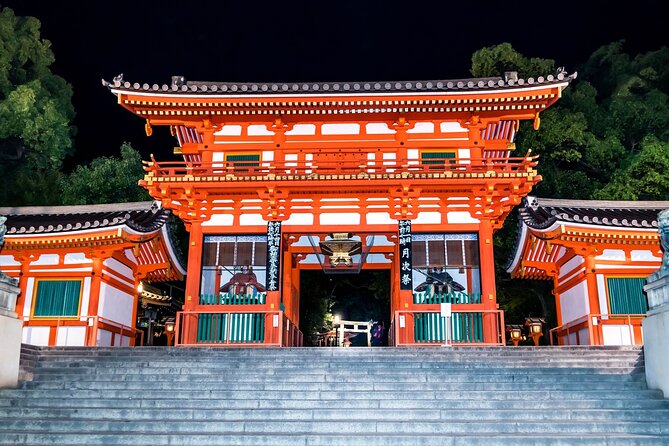
This tour is designed to be seen at night, and nighttime lighting can be great for pictures. Still, remember: you are walking through a working neighborhood with cultural practices tied to real people’s routines.
Practical approach:
- Keep your camera ready, but do not block sidewalks.
- Step aside for photos if the street gets narrow.
- Ask the guide before you reposition, especially near quieter areas.
If you follow that simple logic, you get better photos and you feel better about how you are moving through the district.
Who This Tour Suits Best (and Who Might Want Something Else)
This is a strong fit if:
- You are a first-time Kyoto visitor and want geisha culture with context
- You prefer smaller groups and question-friendly guides
- You like evening atmosphere and walking routes that avoid peak daytime crowd energy
- You want a fast, organized introduction in about two hours
It may be less ideal if:
- You want a long, show-like experience or a ticketed performance included in the schedule
- You are looking for an ultra-specific topic, like fashion details only, rather than an overview of the district and its traditions
Should You Book the Kyoto Gion Geisha District Walk?
I think you should book this if you want a practical introduction to geisha culture that actually fits into an evening schedule. The value is strong at $25 for a small-group, after-dark walk that ties together street landmarks like Hanamikoji Street and Yasaka Shrine with deeper cultural context.
Make the decision easier by planning for one thing: comfort. Dress warmly, bring water, and give yourself enough time to enjoy the slow parts without feeling rushed.
If you are the kind of traveler who likes learning the story behind what you see, this walk delivers. Just treat it as what it is, a guided overview that helps you understand Gion faster, and then you can choose what to explore on your own afterward.
FAQ
How long is the Kyoto Gion Geisha District Walking Tour?
It is about 2 hours.
How much does the tour cost?
The price is $25.00 per person.
What is the group size?
The tour has a maximum of 15 travelers.
Where do we meet and where does the tour end?
You start at Ben’s Cookies Kyoto Shijo, 89 Shinchō, Shimogyo Ward, Kyoto, and the walk ends at Yasaka Shrine, 625 Gionmachi Kitagawa, Higashiyama Ward, Kyoto.
Do I need a printed ticket?
No. You receive a mobile ticket.
Are the tour stops free to enter?
The listed stops show free admission, including the Izumo-no-Okuni statue, and the stops are presented without paid entries.
Is bottled water included?
No, bottled water is not included.
What happens if the weather is bad?
If the experience is canceled due to poor weather, you will be offered a different date or a full refund.
Is the tour accessible for most people?
Most travelers can participate. Service animals are allowed, and it is near public transportation.
More Walking Tours in Kyoto

More Tours in Kyoto

More Tour Reviews in Kyoto
Not for you? Here's more nearby things to do in Kyoto we have reviewed



Gion & Geisha District Tours, compared.
 ★ 4.7Kyoto Geisha Walking Tour: Gion District & Hidden GemsFrom $253,273 reviews
 ★ 4.9Gion Magical Night Walking Tour with Geisha TriviaFrom $242,393 reviews
 ★ 4.7Gion Geisha District Walking Tour – Stories of GeishaFrom $202,187 reviews
 ★ 4.9Best of Kyoto: Gion, Geisha, Pagodas & CobblestonesFrom $242,058 reviews
 ★ 4.5Night Walk in Gion: Kyoto’s Geisha DistrictFrom $212,003 reviews
 ★ 5.0Kyoto Night Foodie Tour in Gion (9+ dishes + 6 Sake tastings)From $1631,762 reviews
 ★ 5.0Kyoto Gion: 2-Hour Geisha Culture & History Walking TourFrom $231,186 reviews
 ★ 5.0Chopsticks Making Workshop in Gion with Engraving OptionFrom $15958 reviews
Browse the lists this tour appears in