
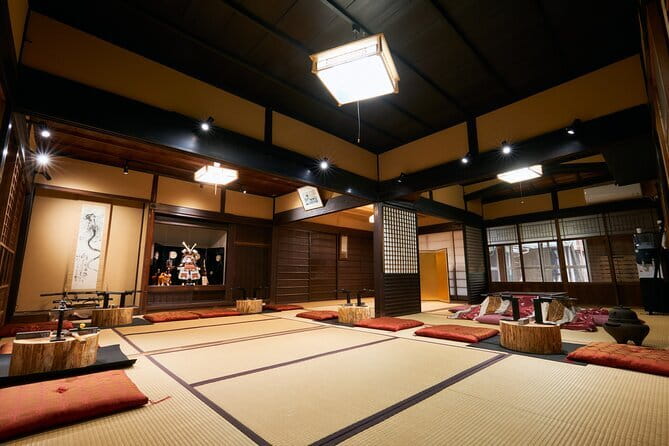
Reviewed · KYOTO SAMURAI & NINJA EXPERIENCES
Authentic Ninja Weapon Forging Experience in Kyoto
Sparks, steel, and a souvenir you made yourself. This hands-on Kyoto workshop at Atelier NIN lets you heat and hammer metal, then shape, engrave, darken, and polish a real ninja weapon to take home. Instead of watching ninja movies or only visiting a museum, you do the work with guidance from the craft team.
Two things I like a lot are the clear step-by-step flow and the strong focus on making your weapon feel authentic. You also get a kanji engraving moment that makes the finished piece more personal than the usual buy-a-keychain stop.
One drawback to consider: the location is a bit off the most common Kyoto routes, and you may need to use a taxi to get there smoothly, especially if your day is packed.
Quick hits before you go
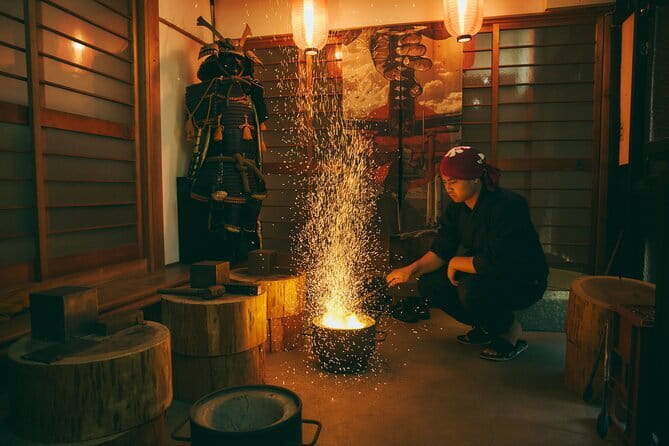
- You choose between three shuriken styles or a kunai, then forge it yourself
- No experience needed, but you do real metal work with tools provided
- 800°C furnace and hammering are the headline steps, with safety coaching throughout
- Kanji engraving adds a one-of-a-kind touch you can actually see later at home
- Blackening plus polishing gives the finished look, then you take it home in a box and bag
Kyoto Ninja Weapon Forging at Atelier NIN, Not a Museum Stop
This is the kind of Kyoto experience you pick when you want something hands-on, not just scenic. The workshop is built around the idea that ninja weapon culture is more than a movie prop. You learn how the metal is heated and shaped, then you apply the final surface steps that give your weapon a more convincing, finished look.
What makes it especially fun is that the session has a rhythm. You start by getting kitted up in traditional craft clothes, then you move through forging and shaping steps in a logical order, and you end with the part that feels like your own signature. Even if you’re visiting solo, the small group size helps you stay engaged because the craft staff can keep an eye on how you’re doing.
You should also go in with the right mindset. This is not about becoming a swordsmith for life. It’s about doing enough real work, safely, that the finished shuriken or kunai feels legitimate, and you understand what you made.
You can also read our reviews of more tours and experiences in Kyoto.

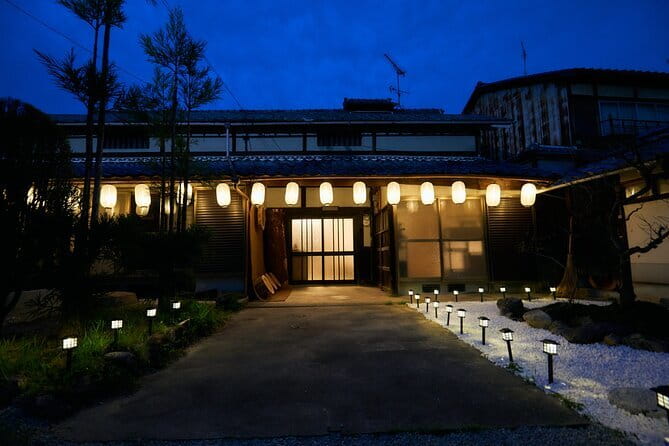
Getting to Studio NIN on Yasenosechō, and Why It Matters
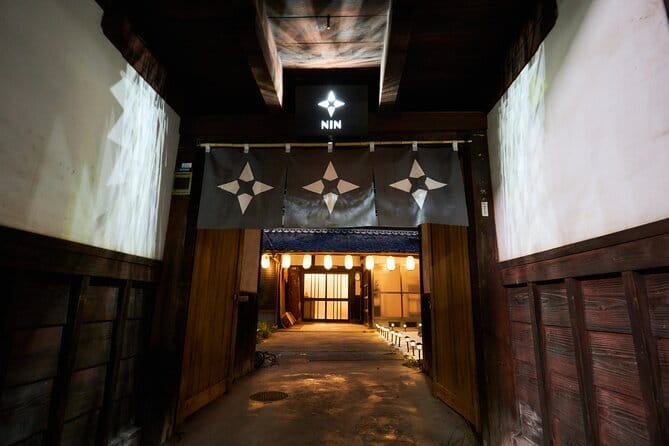
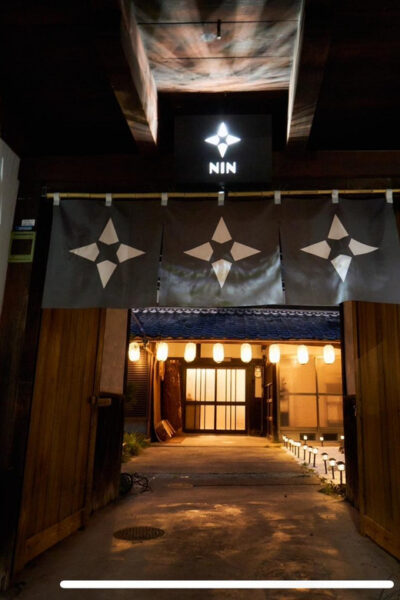
The meeting point is Studio NIN in Yasenosechō, Sakyo Ward: 八瀬168-1, Yasenosechō, Kyoto 601-1254. The activity ends back at the meeting point, so you’re not stuck planning an awkward second hop across town after the workshop.
It’s also described as being near public transportation. Still, one practical warning stands out: the studio can be off the beaten path. If you’re the type who hates last-minute scrambling, have a taxi plan ready. In Kyoto, a taxi app and a few minutes of buffer can save you from turning a fun workshop into a stressful dash.
Timing matters too. The full session runs about 2 hours 30 minutes, so you’ll want to schedule it when you can show up on time and not rush your meals and transfers.
The 2.5-Hour Workshop Flow, From Ninja Outfit to Finished Weapon
Here’s the structure of the experience in the order you’ll likely feel it in your hands and head. It’s not a “watch and take photos” event. You participate through the shaping steps and personalize the final result.
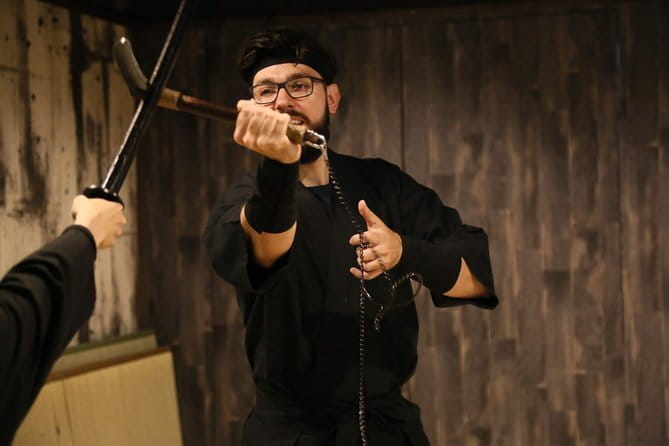
- Suit up like a craftsman
You change into samue, a traditional blacksmith uniform. You also wrap a tenugui around your head. It’s silly for a few minutes, then it helps you settle into the craft atmosphere fast.
- Choose your ninja weapon
You pick from three shuriken styles or one kunai. This choice affects the shape you’ll be refining, and it’s one reason the workshop feels more like a real make-your-own project.
- Forge the steel at high heat
The core of the workshop is heating your piece in an 800°C furnace, then hammering as it’s hot. This is where you feel the craft most strongly. It also sets the foundation for everything after, because shaping starts with getting the metal into the right form.
- Shape and sharpen with a belt sander
Next comes refinement. You use a professional belt sander to sharpen and transform your piece into something closer to its final form. You’ll be guided, and the tools are part of the setup so you’re not trying to improvise.
- Kanji engraving for personalization
After the forging and shaping steps, you choose a kanji character. Staff engrave it with precision, making the weapon feel like a true keepsake instead of a generic souvenir.
- A ninja knowledge session
You get a dedicated knowledge time about ninja weapon history, weapons, and what’s often described as secret techniques. Even if you don’t memorize it all, you walk away understanding the “why” behind what you made.
- Blacken the steel for the authentic look
You apply a special solution to protect the metal and give it a darker finish. This step matters visually, and it also helps the weapon look more like a tool than raw metal.
- Final polish to bring out the shine
The last step is polishing, then you’re done. You leave with a completed piece that’s meant to be displayed.
Throughout, the workshop is designed so you can do the key actions without needing prior training. That said, you’ll still be working with metal and hand tools, so just plan to focus and follow directions.
Choosing Shuriken Styles or a Kunai, and How to Pick
This workshop gives you a real choice: three shuriken styles or one kunai. Since the session lasts about 2.5 hours, that selection is not trivial. The shape you choose changes what the later steps feel like, especially during shaping, engraving, and finishing.
If you like variety and the classic ninja look, the shuriken options are a fun direction. If you want something that feels simpler and more “utility tool” in vibe, the kunai is often the crowd-pleaser choice.
A practical tip: before you go, glance at photos of shuriken and kunai designs so you have a quick decision. Once you’re in the workshop mood, you’ll appreciate making the choice early and then focusing fully on forging.
Hammering Hot Steel and Refining It Safely
The most intense moment is the forging step. The workshop uses an 800°C furnace, and you do hammering while the metal is hot, with staff guiding the process. This is the part that turns it from a craft demo into an actual making experience.
Two practical things make this work easier:
- Specialized tools are provided, including items like files for sharpening and hammers
- You’re not doing the risky parts alone. Staff are actively involved, and the session is framed around safety while learning
After hammering, the shaping step uses a belt sander. That’s a big help, because it speeds up the work and makes it more achievable in a single workshop session. You’re still doing hands-on shaping, but the tools are appropriate for the metal and the expected result.
Physically, the experience calls for moderate fitness. You should expect standing, leaning in, and doing careful hand movements. If you’ve got wrist issues or mobility limits, you might want to think twice. If you’re generally comfortable with hands-on activities, you should be fine.

Kanji Engraving, Blackening, and That Final “It’s Real” Finish

The engraving is one of the smartest souvenir ideas in the whole experience. You pick a kanji character, and staff engrave it precisely. It’s not just decorative. It’s personal, and it also gives you something to read or explain later if people ask about your trip.
Then comes blackening. You apply a special solution that protects the metal and gives a dark finish similar to what you’d expect from a traditional tool look. The purpose is both visual and functional, at least as described for the workshop process.
Finally, there’s polishing to bring out shine. That last step can make a huge difference in how the weapon looks under normal light back at home. It’s also what helps the item feel finished, not half-done.
You’ll also be set up for transport. The workshop includes preparing a clean box and bag so you can take your weapon home without turning your entire suitcase into a metal dust problem.
The Ninja Knowledge Session, What You Gain Besides Cool Photos
A lot of “theme” workshops forget the story. This one doesn’t. You get a ninja knowledge session about ninja history, weapons, and secret techniques. The value here is simple: it helps you connect the craft steps to the cultural context.
You’ll likely leave able to talk about what you made in a more meaningful way than just saying it’s a shuriken or kunai. Even if you don’t remember every detail, the session gives you a mental model for why the forging and shaping steps matter.
This matters because it makes the workshop more than a one-hour activity. You’re not just producing an object. You’re building understanding that stays with the object when you hang it up later.
Price and Value at $151.92, and What’s Included
At about $151.92 per person with a mobile ticket, this isn’t a cheap craft afternoon. The value comes from the fact that you’re paying for:
- Real guided metalwork, including furnace heat and hammering time
- Access to specialized tools like hammers and files
- Craft uniforms, including samue and tenugui-style prep
- A complete workflow, not just shaping a piece, with engraving, blackening, and polishing
- A ready-to-transport box and bag
If your goal is a wearable souvenir, you can find cheaper options in Kyoto. But if your goal is a handmade weapon-style object with a process you can actually understand, the price starts to make more sense.
One more value point: the group size is capped at 25 travelers. Smaller groups tend to mean more attention at the stations, which matters when you’re working with hot metal and sharp tools.
Who Should Book This Workshop, and Who Might Pass
This is best for you if:
- You want a hands-on Kyoto experience that’s not another museum line
- You enjoy making things and learning how they’re made
- You’re okay with moderate physical effort and paying attention to safety steps
- You want a personalized souvenir via kanji engraving
You might consider passing if:
- You dislike activities involving tools, sanding, or heat-related safety instructions
- You’re extremely schedule-tight and don’t want any risk that the off-route location could eat time
- You expect zero physical work. Even with guidance, the process is active
It’s also a strong choice for people who like authenticity. You’re not just buying a ninja-themed item. You’re creating a piece through the same kind of workflow the workshop frames as craft-based.
Should You Book Atelier NIN Ninja Weapon Forging?
Yes, I’d book it if you want the rare Kyoto activity where you create a personalized, take-home object through real steps like 800°C forging, hammering, shaping, kanji engraving, and finishing with blackening and polish.
If your priorities are comfort, easy logistics, and minimal effort, you might be happier with a workshop closer to the busiest routes. But if you can handle a bit of travel and you want a souvenir with a story you actually know, Atelier NIN is a top pick.
FAQ
Do I need prior experience to make a ninja weapon?
No experience is required. Skilled craftsmen teach you, and you’re guided through the steps while you work.
What weapons can I choose from?
You can choose from three shuriken styles or one kunai.
What is included in the experience?
Specialized tools (such as files to sharpen steel and hammers), uniforms for craftsmen, and a clean box and bag to take your weapon home are included.
How long is the workshop?
The duration is about 2 hours 30 minutes.
Can I personalize the weapon?
Yes. You choose a kanji character, and staff engrave it with precision.
Where does the activity take place?
It starts at Studio NIN, 八瀬168-1 Yasenosechō, Sakyo Ward, Kyoto, 601-1254, Japan, and it ends back at the meeting point.
Is there free cancellation?
Yes. You can cancel up to 24 hours in advance for a full refund.
More Tour Reviews in Kyoto
Not for you? Here's more nearby things to do in Kyoto we have reviewed






Kyoto Samurai & Ninja Experiences, compared.
 ★ 5.0Kyoto Samurai ExperienceFrom $1191,294 reviews
 ★ 4.9Kendo and Samurai Experience with Uniform and GearFrom $103815 reviews
 ★ 4.9Samurai Sword Class by Experts in Traditional ArtsFrom $64657 reviews
 ★ 4.5Skip the lines Basic Ticket at SAMURAI NINJA MUSEUM KYOTOFrom $28632 reviews
 ★ 5.0Ninja 1-hour Hands-on Lesson by Japanese master in Kyoto -EntryFrom $80489 reviews
 ★ 4.8Ninja Weapon Forging ExperienceFrom $148478 reviews
 ★ 4.5Samurai Kenbu Traditional Sword Dancing ShowFrom $32426 reviews
 ★ 5.0Samurai Training with Modern day Musashi in KyotoFrom $132256 reviews
Browse the lists this tour appears in