
Geisha lore in Kyoto makes you look up. This guided walking tour connects geiko and meiko stories to the streets and temple gates around Kiyomizu, with lots of photo stops and a guide who keeps the history human. I especially like how the route mixes big sights with smaller, local-feeling spots, and how the guide answers questions in plain language. One thing to plan for: it is a 2-hour walk with some stairs, so comfortable shoes are not optional.
You’ll meet at street level by the Yajikita statue, right by the Lawson and Starbucks near the Sanjyo street and Kamogawa path intersection, then head through the Kyoto you came for. Photography is welcome, but video recording is not, and you should be ready for all weather.
Key highlights I’d put at the top
- Geiko and meiko context that helps you understand Kyoto streets, not just visit landmarks
- Kiyomizu-area shrine and temple stops focused on architecture, art, and local customs
- Photo-friendly pacing with a break and time to shoot at photogenic spots
- Hidden-lane style detours that show everyday Kyoto life alongside the famous sights
- English guide experience with time for questions, plus guides like Lily have stood out
Kyoto geisha culture in a walkable Kiyomizu pocket
Kyoto has a way of looking different once someone explains what you are seeing. This walking tour is built for that moment, when a temple gate, a street corner, or a small shrine starts to make sense. The focus is on Kyoto traditions, and the geisha-world side you are likely hoping for is handled in context, not as a vague mystery.
Two parts are especially strong. First, I like the way the tour frames geiko and meiko culture as something connected to Kyoto’s arts and customs. You are not just told names and dates. You get the kind of stories that help you notice patterns, like how certain spaces are used, and why certain traditions stayed alive in this city.
Second, I like the pacing and photo rhythm. The tour includes a break and built-in time for photos at photogenic locations. That matters in Kyoto because the most satisfying shots often require you to slow down, stand still, and actually look.
The consideration is simple: the tour is designed for walking. There are stairs, and the format is not for people with mobility impairments or wheelchair users.
You can also read our reviews of more walking tours in Kyoto
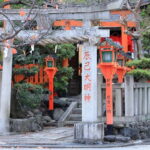
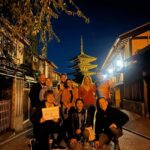
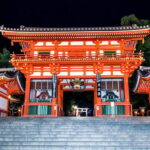
Meet at Yajikita statue, then follow the Kamogawa streets
Getting started right matters more than you’d think in Kyoto. This tour uses a very specific meeting point so you can find it fast: meet in front of the Yajikita statue at the intersection of Sanjyo street and the Kamogawa path. There is a Lawson and a Starbucks nearby, which makes it easier to orient yourself.
The tour also ends back at the meeting point. That is good if you want to keep your day simple. It means you are not stuck planning your return to a faraway station after a walking day.
Before you set off, do one practical thing the tour asks for: use the restroom before it begins. They warn that it will be a while before the first break. In a city where you often do not find toilets exactly when you want them, this one tip can save stress later.
Also, the tour runs in English. If you want someone to explain Kyoto culture clearly, without complicated phrasing, that helps a lot.
What your 2-hour route feels like: stairs, breaks, and photo time
The main walking tour is shorter than the full temple marathon types. Expect about 2 hours of walking. That makes it a good fit for your first days in Kyoto, or for when you still want energy left for Kiyomizu afterward.
There will be stairs. The good news is they only call out that there are some stairs, not that the whole route is a climb. Still, wear comfortable shoes and move at the pace your body can handle. Kyoto stone steps can be slick or steep, even on days when it looks calm.
You’ll also get a break. On this kind of guided walk, a break is not just about convenience. It helps you reset so you can enjoy the next set of stops instead of feeling like you’re rushing through everything.
Weather is part of the deal here. Bring an umbrella or raincoat because the tour is designed to keep moving in different conditions. Think practical, not poetic.
One more detail that affects your experience: video recording is not allowed. Photos are allowed, but you should be respectful and ask permission before taking pictures of people.
Shrine and temple stops you can actually connect to Kyoto life
You can visit shrines and temples on your own in Kyoto. The difference here is what you learn while you are standing there. The tour focuses on architecture, art, and customs, so you know what you are looking at when you see gates, rooflines, carvings, and the way visitors move through sacred spaces.
Even without a huge list of stop names, the structure is clear: the guide takes you through stunning shrines and temples in the Kyoto city core, and then adds lesser-known spots that feel more local. That combination is the sweet spot for a short walking tour. You still get the iconic visual cues, but you do not leave only with postcards.
Here is what you’ll notice as you go:
- The design choices often point to Buddhist or Shinto ideas. Once you know what to watch for, the buildings stop being random scenery.
- Small details in carvings, layout, and the surrounding streets can tell you how people use the space day-to-day.
- Side areas around the main sites can show you how Kyoto residents live beside tradition, not just in front of it.
The tour also explicitly mentions geisha culture interest. That is important because geisha-related sites and stories can feel disconnected if you only look at them as entertainment. With the guide framing the cultural background, you’re more likely to see why certain places and roles exist in the first place.
Possible drawback: if you are the type who needs a strict, minute-by-minute itinerary with exact temple names announced in advance, this format may feel more flexible than you expect. The emphasis is on learning and pacing rather than ticking off a scripted checklist.
Geiko and Meiko stories you can spot in the streets
This is where the guide can make or break the tour, and it sounds like the guides are strong storytellers. One name that comes up is Lily, who is described as friendly, knowledgeable about Japanese culture, and open to questions. That question-friendly style matters in this topic. Geisha culture can get simplified online, and you do not want that.
The tour’s approach keeps you grounded. You learn about geiko and meiko as part of Kyoto’s broader arts and traditions, not as isolated trivia. When you understand that, you will start noticing the little cues on the street, like how craft and ceremony connect to everyday Kyoto spaces.
Another thing I like: the tour is not only about facts. It’s about meaning. The guide shares stories that help you connect architecture and customs to the human side of the city. That is why the tour can feel more satisfying than a standard sightseeing walk.
Also, the reality check. One review noted that geisha were not seen. That is not a “bait and switch” problem, it is just how this culture works in public. What you can count on is the cultural education. If your main goal is literally seeing geisha on the street, set expectations for learning over spotting.
You can also read our reviews of more guided tours in Kyoto


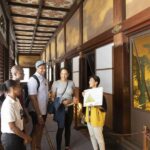


Chion-in temple extension: extra time, extra cost, worth it if you want more
There is an optional add-on that changes the length and mood of your day. Along with the shorter main walk, the tour can offer an extended Chion-in temple visit.
What to expect:
- Extra time: about 40 to 50 minutes added on the day
- Cost: currently 1,000 yen per person
Should you add it? If you want more temple time and you enjoy lingering over details, it’s a solid option. If you only have a narrow schedule, or you want to keep your afternoon free for Kiyomizu viewpoints and shopping, you might prefer to stick with the main 2-hour walk.
My advice: decide based on your energy, not on pressure. A temple visit adds meaning, but it also adds walking and standing. Plan for it like you would plan a mini half-day activity.
Price and value: what $39 really covers in Kyoto
At $39 per person, this tour sits in the budget-friendly zone for a guided walk in central Kyoto. What makes it feel like good value is what you get for that price.
You receive:
- A friendly, energetic, professional guide
- A structured walk through Kyoto streets focused on temples, shrines, and cultural stories
- A break during the tour
- Plenty of time for photos at photogenic spots
- English-language interpretation
What you do not get:
- Hotel pickup and drop-off
- Meals
- Personal expenses
So you should budget a few extras: transit to the meeting point, snacks or drinks, and anything you want to buy afterward. Because meals are not included, I recommend you eat before you start. The tour itself asks you to use the restroom before it begins, which also hints that you are on a guided schedule for a while.
Discount note: booking at mashberrytourism.com is discounted, and you can reserve and pay later, with booking that lets you pay nothing today. If you like keeping plans flexible, this can make the decision easier.
Also, the rating is strong: 5 out of 5 based on 7 reviews. That is not a huge sample size, but it is consistent with the tone of the feedback: people highlight the guide’s passion, clarity, and the photo stops.
Good to know: weather, rules, and respectful photography
This is the practical section that keeps your experience smooth. First: you need to plan for all weather conditions. Bring an umbrella or raincoat. A walking tour in Kyoto can turn unpleasant fast if you get stuck in rain without a plan.
Second: wear comfortable shoes with good grip. You will walk a lot and there are stairs. Even if it is only “some,” Kyoto steps can add up to real effort by the end.
Third: photography rules. Photography is allowed, but if you want photos of people, ask permission first. That is a nice, respectful touch. Video recording is not allowed. If you travel with a device for video, you will need to switch your thinking to photos and notes during stops.
Finally: the tour is not suitable for wheelchair users and people with mobility impairments. If accessibility is a concern, it’s worth choosing a different format that avoids stairs and uneven walking.
Who should book this tour, and who should skip it
This tour is best for you if:
- You want a guided introduction to Kiyomizu-area shrines and temples without spending a full day
- You care about geiko and meiko culture, and you want it explained with context
- You like asking questions and chatting with a guide, rather than only listening passively
- You want photo time built into the schedule
Skip it or rethink it if:
- You have limited mobility, use a wheelchair, or cannot handle stairs
- You hate walking. Even though it is only 2 hours of walking, Kyoto walking adds up quickly
- You mainly want the thrill of spotting famous figures on the street. The tour emphasizes cultural education over guaranteed sightings.
Should you book this Kyoto geisha culture walking tour?
If your goal is to understand Kyoto as a living culture, not just a photo route, I think this is a strong pick. The value comes from the combination of shrine and temple stops, the guide’s attention to geiko and meiko culture, and the practical pacing with a break and photo time.
I’d book it if you have about half a day, want English guidance, and you can handle stairs with comfortable shoes. I would not book it if accessibility or video recording is a must-have.
If you like Kyoto best when someone helps you see the why behind the what, this is the kind of tour that can become a highlight for the right reasons.
FAQ
How long is the Kyoto geisha culture and Kiyomizu guided walking tour?
The main tour has a shorter duration with 2 hours of walking.
Where is the meeting point for the tour?
Meet in front of the Yajikita statue at the intersection of Sanjyo street and Kamogawa path. There is a Lawson near and a Starbucks in front of it.
Is hotel pickup or drop-off included?
No, hotel pickup and drop-off are not included.
What is included in the tour price?
You get a friendly, energetic, professional guide and a guided walking tour through historic Kyoto with insights into local life, plus a break and time for photos at photogenic spots.
Are meals included?
No, meals are not included.
Is there an extended Chion-in temple option?
Yes. An extended Chion-in temple visit can be added on the day, with an extra 40 to 50 minutes. The cost is currently 1,000 yen per person.
Can I take photos and record video during the tour?
Photography is allowed, but you should ask permission before taking photos of people. Video recording is not allowed.
What should I wear or bring?
Wear comfortable shoes since there is a lot of walking and some stairs. Be prepared for all weather conditions and bring an umbrella or raincoat if necessary.
Is this tour suitable for wheelchair users or mobility impairments?
No. It is not suitable for people with mobility impairments and not suitable for wheelchair users.
What is the cancellation policy?
You can cancel up to 24 hours in advance for a full refund.
More Walking Tours in Kyoto



More Tours in Kyoto

More Tour Reviews in Kyoto
Not for you? Here's more nearby things to do in Kyoto we have reviewed



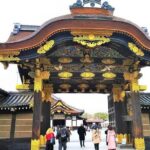
Kiyomizu-dera & Higashiyama Tours, compared.
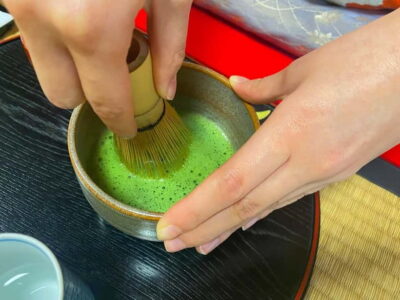 ★ 4.9Tea Ceremony in a Traditional Tea House in KiyomizuFrom $493,519 reviews
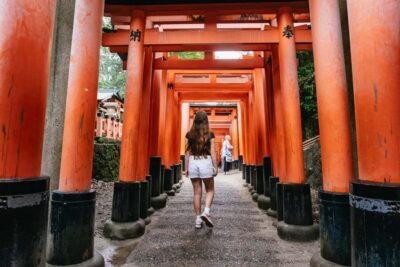 ★ 4.7Nijo Castle, Kiyomizu & Fushimi Inari Guided TourFrom $54700 reviews
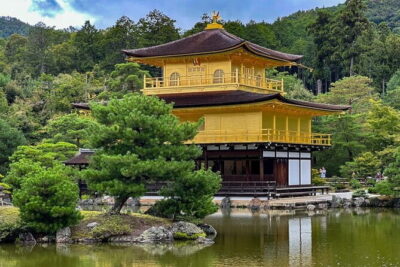 ★ 5.0Nijo, Kinkaku-ji, Arashiyama, Kiyomizu & Fushimi InariFrom $51699 reviews
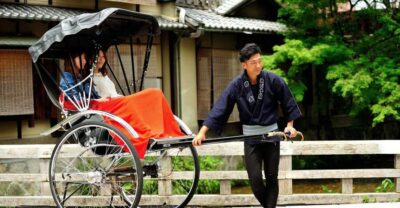 ★ 5.0Private Rickshaw Tour of Gion and Higashiyama AreaFrom $51144 reviews
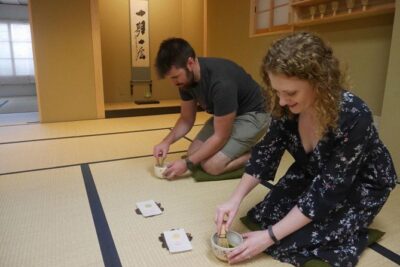 ★ 5.0Kyoto Tea Ceremony & Kiyomizu-dera Temple Walking TourFrom $109115 reviews
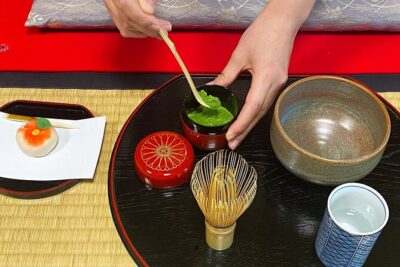 ★ 5.0Kyoto Kiyomizu Tea Ceremony with Scenic Garden ViewsFrom $50101 reviews
 ★ 4.7Kimono/Yukata Rental 5 Minute from Kiyomizu-deraFrom $1989 reviews
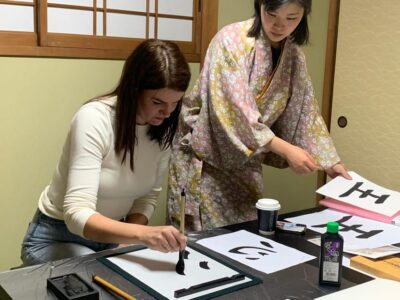 ★ 5.0Kyoto Ninenzaka : Japanese Calligraphy Class in TownhouseFrom $4959 reviews
Browse the lists this tour appears in