
Reviewed · FUSHIMI INARI SHRINE TOURS
Inside of Fushimi Inari – exploring and lunch with locals
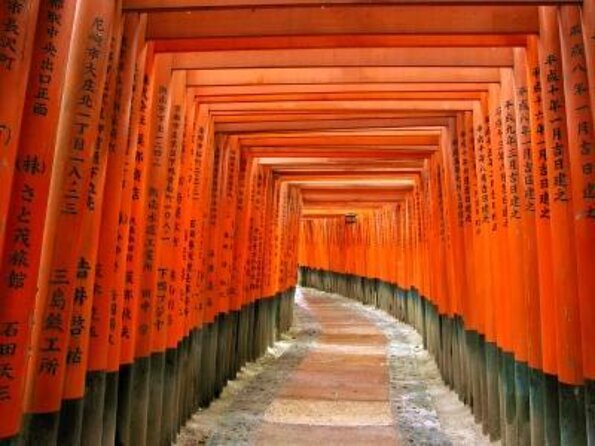
Red torii can feel chaotic. This tour turns it into a calmer, guided walk. You get a small-group hike with an included soba noodle lunch, plus a Japanese tea and boiled egg break, all while your guide explains what you’re seeing at Fushimi Inari-taisha. One thing to keep in mind, the forest route includes stairs and a short climb to the summit, so you’ll want a moderate fitness level.
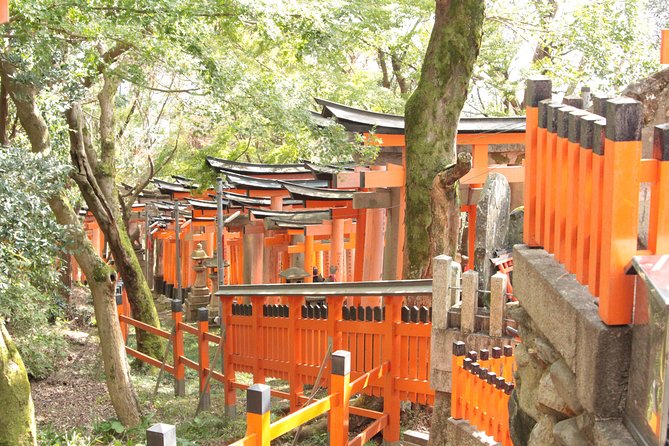
What makes this experience appealing is the balance of famous views and quieter moments. You start at the main shrine and the thousands of red gates, then shift into an alternative path through bamboo and cedar forests with smaller shrines, a waterfall, and even a gate factory stop. In my practical view, it’s one of those half-day tours where guidance matters because you’re moving at the right times and on the right paths.
Key things I’d plan around
- Small-group format that keeps the experience from feeling like a stampede
- Alt route through bamboo and cedar, with stops at quieter worship spots and a waterfall
- Summit time to see the top shrine at 233m, including a short but real climb
- Included lunch and snacks, with soba plus tea and a boiled egg break
- Dietary options available (vegetarian, halal friendly, and gluten free food)
- Guides with a pace-control style, like Go, Satsuki, and Ko are praised for
Fushimi Inari, but on a calmer route
Fushimi Inari-taisha is one of Kyoto’s most iconic spiritual landmarks, and yes, the red torii gates can draw major crowds. The good news is this tour is built to give you a more human pace, with a small group capped at a low number depending on the schedule. That matters because you spend less time stuck in the middle of foot traffic and more time actually noticing details.
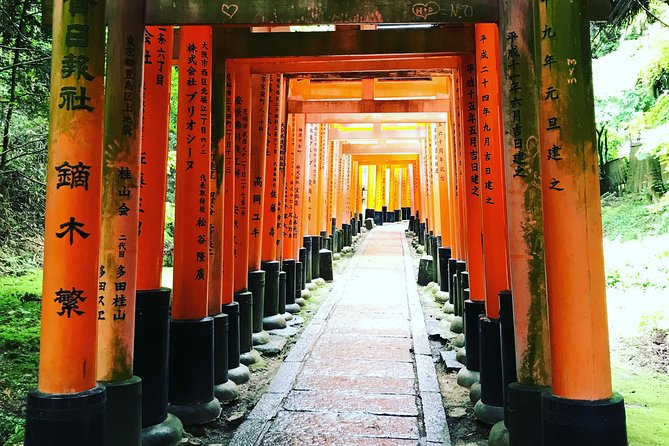
I like that your guide doesn’t treat this as a quick photo grab. You’re guided through both the main shrine area and the story behind the torii gates, then you switch into an alternative walking route through nature. The “feel” of the day changes, from shrine sightseeing into a slow hike with breaks that help your legs recover.
More Kyoto temple visits, food tours, tea experiences, and day trips to compare
Meeting point at Great Torii Japan and how the start flows
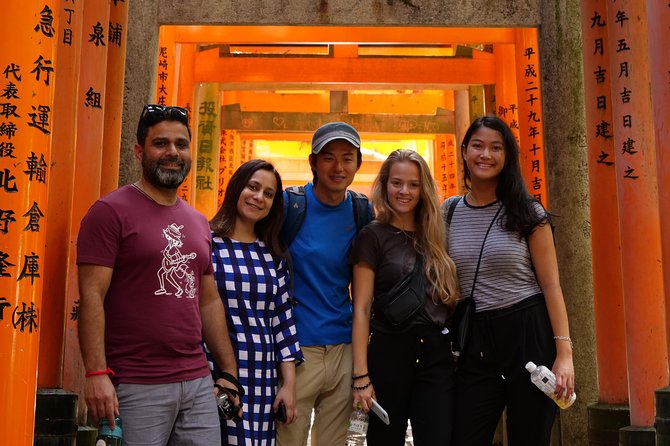
The tour starts at Great Torii Japan (Fushimi Ward, 深草薮之内町68番地), and it ends back at the meeting point. The schedule is designed around a half-day window, about 4 hours, so you can fit it into a Kyoto itinerary without losing an entire day.
Because this is small-group hiking, arriving on time matters. I’d show up a bit early and stay alert for the guide’s distinctive look. One past hiccup described a guide who was waiting at the meeting point ahead of time but had trouble connecting, so it’s worth doing the simple things: be there early, and be ready to spot your guide quickly.
Entering the red torii world with real explanations
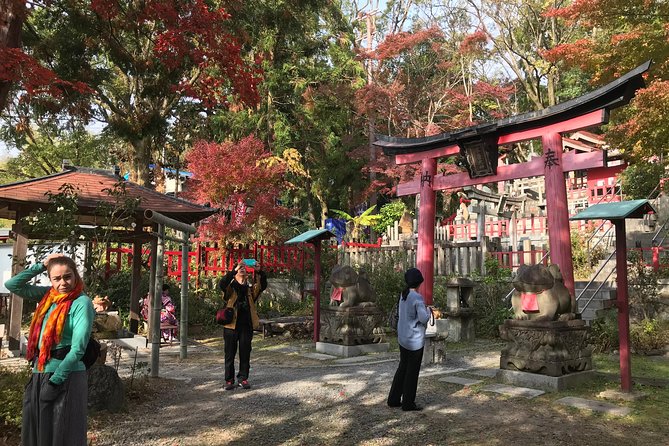
Your first major block is the main shrine area and the famous thousands of red gates. Expect time to do classic sightseeing, plus commentary on the history and cultural background of the shrine and the torii gates. This is where a guide earns their keep, because you can walk the same route on your own and still miss the meaning of what you’re looking at.
You also get a guided sense of sequence. Instead of randomly wandering, you’re shown where to look first at the shrine and gates, then how to move onward. That structure helps you avoid the feeling of chasing the most crowded path, since the day is clearly built for a transition into quieter walking.
Bamboo and cedar forests, waterfall views, and a gate factory stop
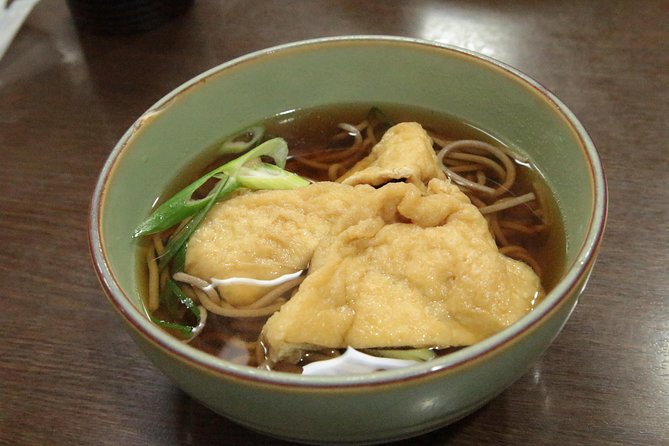
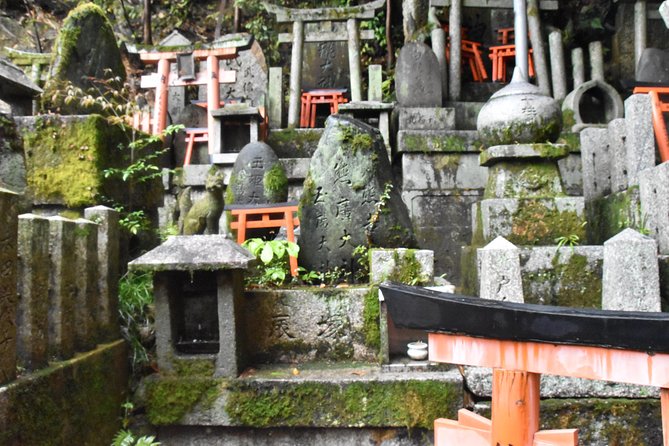
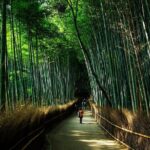
Here’s where the tour becomes more than shrine tourism. After the main area, you move into a peaceful forest path through bamboo and cedar trees. This part is designed for easy walking at first, with smaller, more authentic-feeling worship spots, including worship stones and a waterfall stop.
I find that waterfall moments work well on a hiking schedule because they give you something to pause for besides photos. They’re also a mental reset. When the trail shifts from formal shrine grounds into nature, your brain stops comparing yourself to other people’s vacation checklists and starts paying attention to the walk itself.
Then there’s the gate factory stop, which is a detail you don’t usually get on standard Fushimi Inari visits. It adds a practical layer to what you’re seeing. Those red gates are not just scenery, they’re part of a living tradition, and understanding that production connection makes the whole place feel less like an Instagram backdrop and more like a functioning cultural site.
The summit push to the 233m top shrine
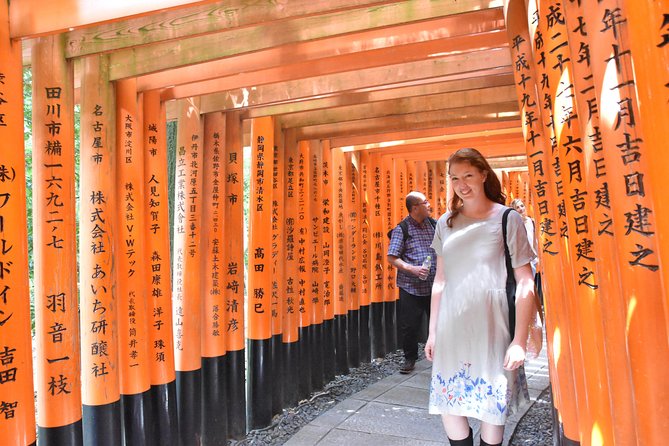
The route to the summit includes a climb through the forest, about 20 minutes to reach the top shrine area at 233m. Even though it’s not a long hike by distance, it’s noticeable because it’s uphill and full of steps.
Your guide will show you around the summit shrine once you get there. This is the payoff zone where the views and the quieter atmosphere tend to feel very different from the busy lower trails. One review note that the trek up and away from the crowds is part of what makes the experience special, and that’s exactly how I’d frame the summit segment for your expectations.
The main drawback here is effort. Several comments call out stairs and steep sections. If stairs make your day annoying, you’ll want to think hard about whether this route fits you. The good news is the tour is paced for the group, with guides praised for adjusting speed to match people.


Lunch and the in-between breaks that keep the hike enjoyable
Food is included, and that’s a big value factor on a short day trip. You’ll have soba noodle lunch during the hiking portion, plus a break with Japanese tea and a boiled egg.
This matters because Fushimi Inari can stir up hunger fast. When lunch is scheduled into the tour, you avoid the common Kyoto problem of losing time hunting for something good while everyone’s legs get tired. Soba also works well on a walking day because it’s filling without being so heavy that you feel sluggish afterward.
Dietary needs are handled too. The tour notes vegetarian, halal friendly, and gluten free food availability. Still, I’d treat this as a reason to confirm your needs at booking rather than assuming every dietary option is identical to every other restaurant in town.
How hard is it, really, for your legs and knees?
This tour is described as requiring moderate physical fitness. In plain terms, you should be comfortable walking uphill on uneven ground and managing stairs. One key theme in feedback is that this hike can feel more challenging than people expect, especially if you’re thinking of it as a gentle stroll between torii gates.
If you’re the kind of traveler who can do a couple thousand steps without planning your day around it, you’ll likely be fine. If you struggle with steep stairs, consider that the summit climb is part of the experience and can’t be skipped without changing the tour.
One smart way to manage it is to go with the group pace. Guides such as Go, Satsuki, and Ko are praised for adjusting pace, which can make the difference between a tense hike and a manageable one.
Value for $72.26, and what makes the price make sense
At $72.26 per person, you’re paying for more than a route. You’re paying for:
- A guided experience at a major landmark that can be easy to misunderstand on your own
- A small-group hiking format
- Included soba lunch
- A tea and boiled egg snack break
- Admission ticket coverage as part of the tour
If you compare it to buying lunch and trying to “DIY” the hidden route, you’ll likely spend similar money on food and transport. The biggest difference is time and stress. A guided alternative route means you’re not stuck sorting out where to go once you’re already at the shrine complex.
I also like that the tour uses a mobile ticket, which keeps you from adding another layer of logistics to a day that already includes walking and climbing.
Before you go: timing, shoes, and staying flexible
Even if your itinerary is tight, plan for weather. The tour states it works best with good weather, and if conditions aren’t right, you’ll be offered another date or a full refund. That means you should book thoughtfully, ideally with a Kyoto day that has some flexibility.
Footwear is your big practical decision. Expect stairs and uphill forest walking, so wear shoes with good grip. If your knees get grumpy on descents, take your time on step sections and keep a steady rhythm with the group.
Finally, because the meeting point is at Great Torii Japan and the experience starts on schedule, give yourself buffer time. Kyoto can be confusing on foot, and small-group tours have less patience for delays than big bus tours.
Should you book this Fushimi Inari tour?
Book it if you want the classic Fushimi Inari moments, but also want a chance to breathe. This is a smart pick for first-time visitors who feel overwhelmed by crowds and for return visitors who want a different route through bamboo, cedar, and quiet shrine spots.
Skip it or choose a gentler option if stairs and steep climbs are a problem for you. The summit climb is part of the core experience, and the walk can feel more challenging than expected. Also, if your schedule is extremely rigid, keep in mind the tour depends on good weather.
If you do book, I’d treat it like a walking day with an excellent payoff: torii gates, a calmer route, and real breaks built into the plan.
FAQ
How long is the tour?
The tour runs about 4 hours (approx.). It includes time for Fushimi Inari sightseeing, forest-route walking, the summit area, and an included lunch and snack break.
Where does the tour start and end?
The tour starts at Great Torii Japan in Fushimi Ward, Kyoto, and ends back at the same meeting point.
What is the group size?
The experience is described as small group. One detail lists a group limit of up to 12 participants, and another detail states a maximum of 6 travelers, so check your specific booking details.
Is lunch included?
Yes. You’ll have soba noodle lunch as part of the tour, along with a Japanese tea and boiled egg break.
Can the tour accommodate dietary restrictions?
Yes. The tour notes that vegetarian, halal friendly, and gluten free food are available.
Is admission included?
Yes. An admission ticket is included.
What fitness level do I need?
You should have a moderate physical fitness level. The route includes walking in forest paths and a climb to the summit area.
Is this tour using a mobile ticket?
Yes. The tour includes a mobile ticket.
Does weather affect the tour?
Yes. The experience requires good weather, and if it’s canceled due to poor weather, you’ll be offered a different date or a full refund.
More Lunch Experiences in Kyoto


More Tour Reviews in Kyoto

Not for you? Here's more nearby things to do in Kyoto we have reviewed




Fushimi Inari Shrine Tours, compared.
 ★ 4.8Fushimi Inari, Kinkakuji, Bamboo Grove 1 Day Bus TourFrom $1224,316 reviews
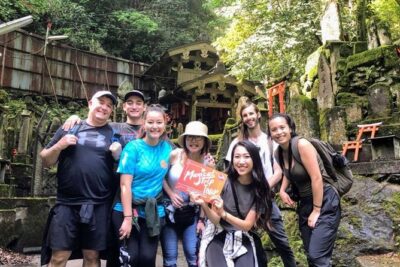 ★ 5.0Fushimi Inari Hidden Hiking Tour (Private Option Available)From $631,750 reviews
 ★ 4.7Kyoto/Osaka: Nara, Fushimi Inari Taisha, Arashiyama Bus TourFrom $521,275 reviews
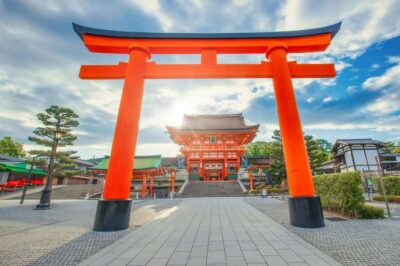 ★ 4.4Osaka/Kyoto: Arashiyama, Nara & Fushimi Inari Shrine w/LunchFrom $61754 reviews
 ★ 4.7Nijo Castle, Kiyomizu & Fushimi Inari Guided TourFrom $54700 reviews
 ★ 5.0Nijo, Kinkaku-ji, Arashiyama, Kiyomizu & Fushimi InariFrom $51699 reviews
 ★ 5.0Kyoto Fushimi-Inari Night Walking TourFrom $43320 reviews
 ★ 4.93-Hour Fushimi Inari Shrine Hidden Hiking TourFrom $72270 reviews
Browse the lists this tour appears in