
Reviewed · KYOTO BIKE & E-BIKE TOURS
Kyoto: Full-Day City Highlights Bike Tour with Light Lunch
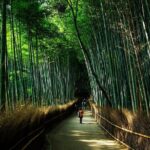
Cycling Kyoto beats waiting around for transport. I especially loved the shades of green in the Arashiyama Bamboo Forest and the photo-worthy lines of Fushimi Inari torii gates. It is a smooth way to see the big sights plus quieter lanes without feeling rushed.
You cover western and eastern Kyoto in one day, with a guide keeping the pacing easy and the stops timed well for the walking you still need to do. It is structured, but it still feels like you are wandering with a local who knows where the time goes.
One drawback to plan for: this is a long ride day, about 44 km (27 mi), and it is not the right choice if your fitness is low or you cannot comfortably handle a bike.
Key highlights to look forward to
- Arashiyama Bamboo Grove: famous swaying stalks, calm feel, great momentum for photos
- Fushimi Inari Taisha: vermilion torii that lead into long shrine trails
- Gion + Hanamikoji area: traditional streets, including spots like Tatsumi Bridge
- Kiyomizu-dera: UNESCO World Heritage Temple and the Otowa Spring area
- Kinkaku-ji Golden Pavilion: a Zen temple gleaming above its reflecting pond
- Small group of up to 8: more breathing room and easier navigation through side streets
Why biking this route feels better than buses
Kyoto can be a lot. Even when the sites are close on a map, the city’s traffic, crowds, and constant turning can make a day feel like logistics instead of travel. This tour solves that by putting you on a bike from Saga-Arashiyama Station, then stringing together the west-to-east highlights you would normally spread across multiple days.
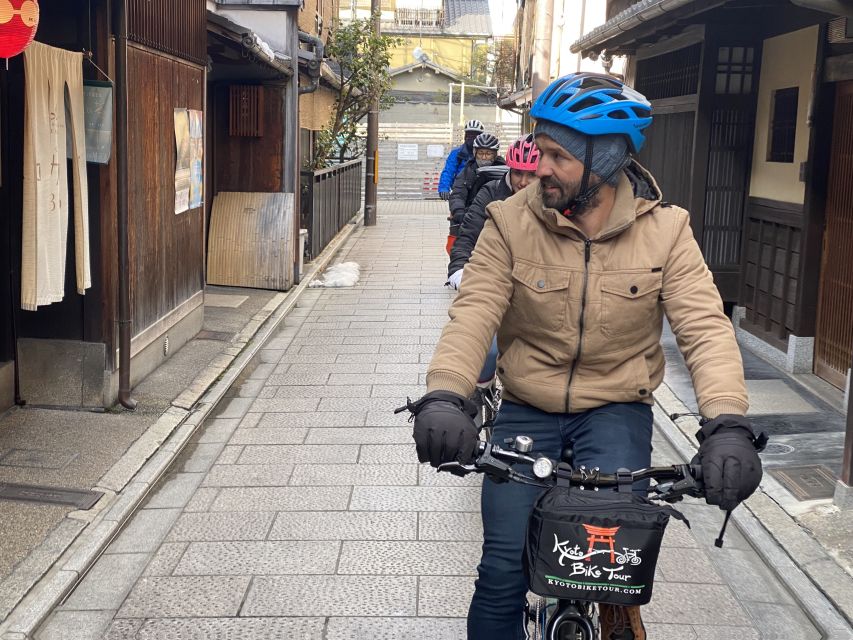
I like that the day starts with bike fitting and a safety briefing before you roll. It means you are not learning to balance while you are also trying to read signs and judge street gaps. Helmets are provided, and bottled water is included, which helps on warmer days when you still have walking time at each stop.
The route is also thoughtful about what bikes can do well. You ride between sights, but you do not force biking into places that require slow footwork. The result is a day that feels active, yet still sightseeing-first.
You can also read our reviews of more cycling tours in Kyoto
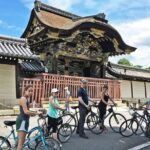

The small-group advantage (up to 8) and why it matters
This tour runs as a small group limited to 8 participants, guided in English by a bilingual guide. That size is the big practical difference. Smaller groups can slow down without turning the whole schedule into chaos. They also make it easier to regroup after traffic lights, narrow streets, or any stop where someone needs an extra minute.
You also get a guide who can manage the human side of Kyoto. Side streets can surprise you, and shrine approaches often get crowded fast. In practice, the guides leading these tours, such as Rob, Cass, Peter, Ray, and Adi, tend to keep everyone moving together at a pace that feels doable, while still giving you time to actually look.
If you like photos, you will likely appreciate the fact that the tour is not just a check-list sprint. Guides often help people find good angles and the right timing for major landmarks, including the Golden Pavilion area.
Arashiyama Bamboo Forest, where the pace turns quiet
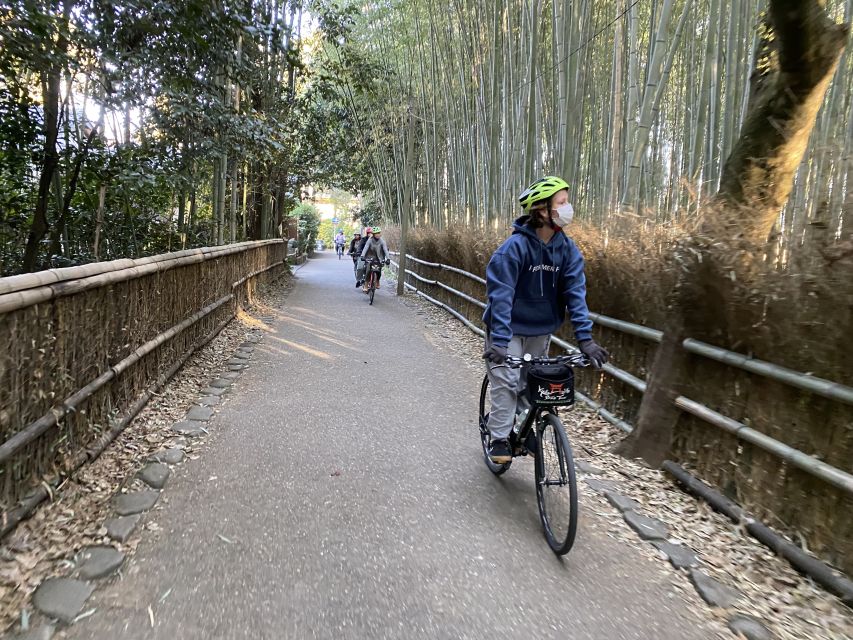
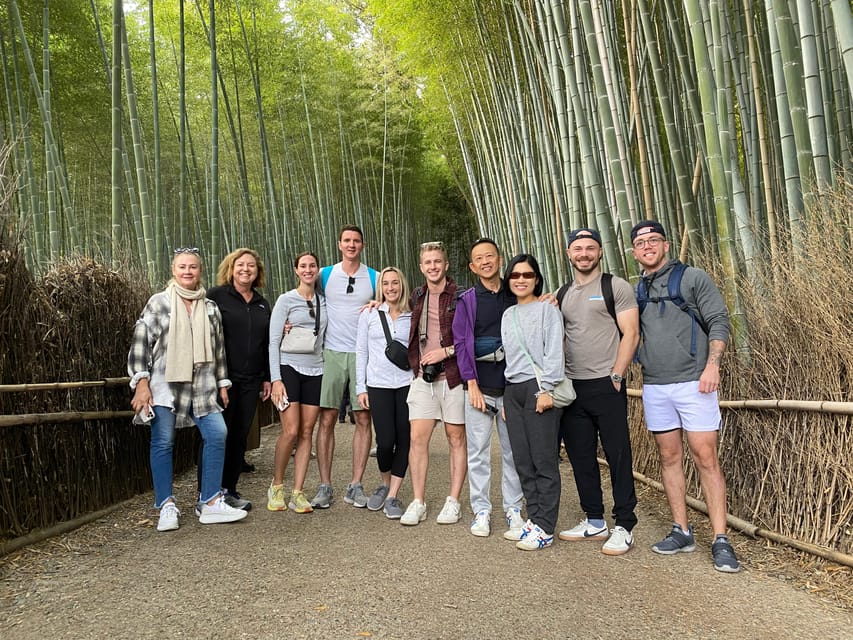
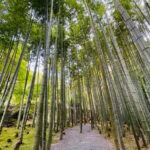
Your first major stop is Arashiyama Bamboo Forest, with about 30 minutes there. This is one of Kyoto’s most recognizable scenes, but it is also one of the few where the experience feels physical, not just visual. The bamboo stalks move in waves, and the whole place has a soft, almost hush-like rhythm.
What I think you will like most is how the tour frames it. Instead of treating it like a drive-by picture spot, you have time to cycle in, stop, and look around. The guide keeps the group together and helps you notice details that you might otherwise miss, like the way the path funnels views deeper into the grove.
Possible consideration: it is photographed for a reason, so you can expect other people at peak times. If you are sensitive to crowds, keep your expectations realistic. The best strategy is to stay flexible, slow down your pace, and let the quiet moments happen in between camera moments.
Fushimi Inari Taisha: torii trails beyond the main view
Next is Fushimi Inari Taisha Shrine Senbontorii, again with about 30 minutes. Yes, you will see the famous vermilion torii you expect. But the real magic is what the tour gets right: you are not only looking at the main area. You are also moving through the network of trails behind the main buildings.
That means you get the feel of walking into a tunnel of color, with the fox statues adding a narrative layer to the scene. Fox symbolism is part of how this shrine is understood, and spotting the different statues is an easy way to make the walk feel like more than a photo line.
A drawback to keep in mind: even if you are on a bike getting you to the area, the torii trails involve walking and stairs. You need comfortable shoes, and you should expect some uphill effort. This is also a stop where you might want to arrive with a calm pace in mind. Rush it, and it turns into effort without satisfaction.
Lunch that keeps you going through the rest of the day

After the shrine walking, you stop for a light lunch included in the price. “Light” matters here because you are still riding and still doing more temple and district time later.
In Kyoto, lunch can easily turn into a long detour. This tour avoids that by keeping food practical. You get fueled, you do not feel weighed down, and you keep your day moving.
One tip from experience with long sightseeing days: eat enough to stay steady, then drink water. You already have bottled water provided, but spacing it out helps you avoid the late-day slump when the Golden Pavilion stop comes with more walking.
You can also read our reviews of more city tours in Kyoto


Gion and Hanamikoji: historic streets, modern life
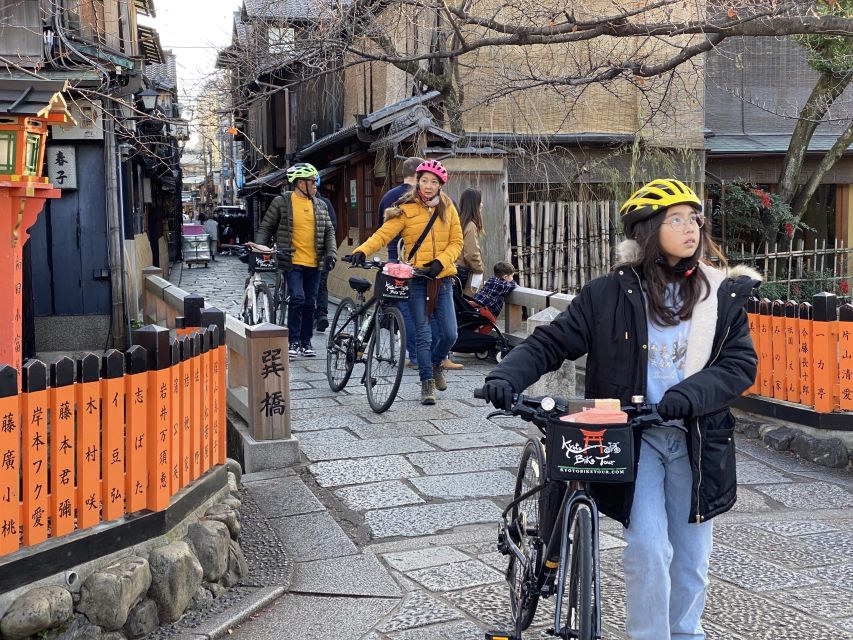
Then you ride into Gion, with about 30 minutes there. The key value of this stop is timing and context. Gion is famous for its traditional atmosphere, but it is also an active neighborhood. You get to see the feel of the district, including Hanamikoji Street and a ride-by of Tatsumi Bridge.
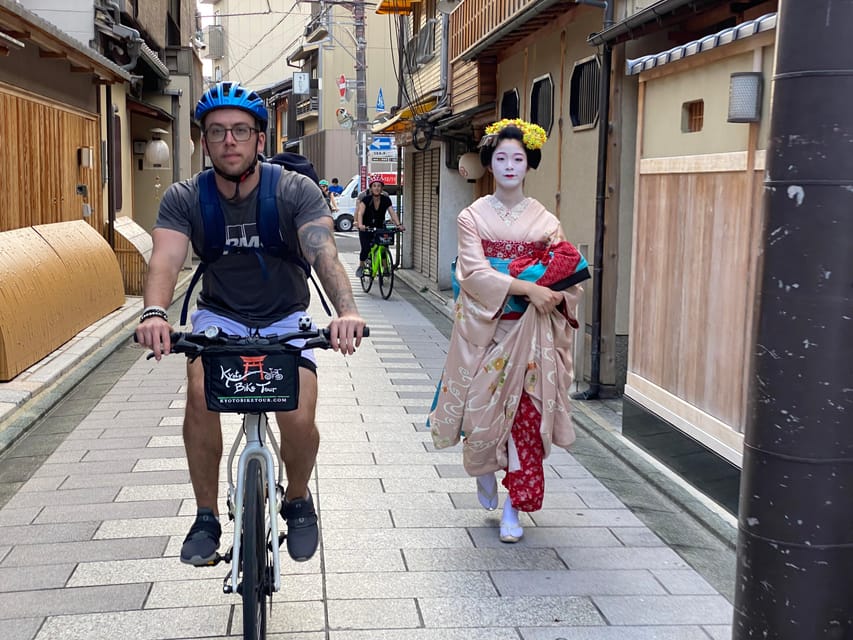
Along the way, you might spot people in traditional dress, and the tour also points out where those sightings often happen. That said, do not plan your whole day around one specific sight. Traditional outfits and entertainment district moments come and go.
What makes Gion work on a bike is that you can move through without turning it into a slow crawl. If you tried to cover these same spots on public transport, you would lose time. With a bike, you can feel the neighborhood rhythm and still get to the next major hilltop temple without the day slipping away.
Kiyomizu-dera: UNESCO views and the Otowa Spring area
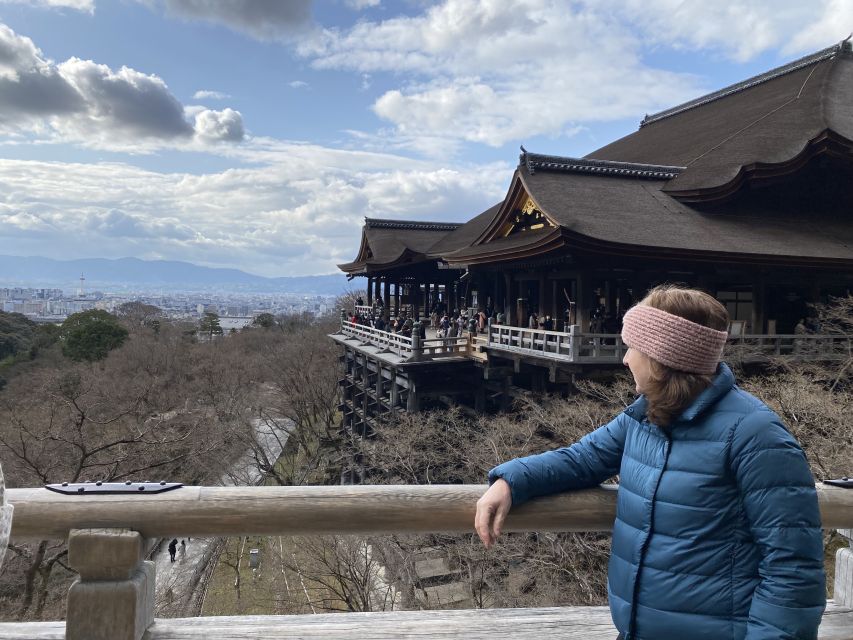
The tour then heads to eastern Kyoto for Kiyomizu-dera, a UNESCO World Heritage Site, with about 30 minutes there. This temple complex rewards you for slow looking. You are moving through layered courtyards, and the views tend to do the same thing, drawing your eyes outward while you also focus on the site details.
One specific highlight: Otowa Spring and its medicinal pure waters. The tour framing here is useful because the spring area is part of what people come to experience, not just a random corner. You can also expect some steps and uneven walking. Wear shoes that grip and give your feet support.
Possible consideration: this is a major temple, so crowding can happen. Your time is not long, so it helps to decide what matters most to you before you walk in. If you want the best vantage points, start with the viewpoint focus early in your allotted time, then circle back for details.
Kinkaku-ji Golden Pavilion: gleam, reflection, and Zen calm
The last big “wow” stop is Kinkaku-ji, the Golden Pavilion, again with about 30 minutes. This is a Zen temple where the golden structure rises above its reflecting pond like a visual magnet.
What I think you will appreciate is how the tour uses the day to your advantage. Guides often manage timing so you get a good look at the pavilion with flattering light. One of the standout experiences people talk about with this tour is seeing the pavilion in golden hour, when the reflections and shine feel extra sharp.
Drawback to plan for: you may need to wait or shift your position to get a clean view, especially when there are many people. It is still worth it. The pavilion is one of Kyoto’s most recognizable sights, and even short time here feels “complete” because the scene is so direct.
When the visit ends, you ride back toward Saga-Arashiyama Station, finishing the loop you started in. That ride back is a good decompression moment. After all the walking, the bike segment lets your legs recover while you still move through the city’s changing streets.
The ride day itself: distance, effort, and pacing
This is a full-day 8-hour tour with about 44 km (27 mi) of riding. Even if the pacing is leisurely, you should treat it as an active day, not a casual stroll with a bike.
The tour is also not for everyone. It is listed as not suitable if you cannot ride a bike, have mobility impairments, have back problems, or have low fitness. Children under 14 are not included.
If you are fit but not a cyclist, this is where you should be honest. Some stretches could feel challenging for non-cyclists, and warmer weather can increase the effort fast. In practice, many people opt for pedal-assist bikes when offered, because they keep you moving without taking all the work away. You still pedal, but it smooths the day.
A smart approach: plan your energy like this is a long walk with more speed. You will spend a lot of energy on and off the bike. That means you should eat well before the tour starts and keep your water intake steady.
What to wear and bring so the day stays pleasant
The tour gives you a helmet and bottled water, so you do not have to pack those. But you do want to dress for both biking and walking.
What to bring:
- Comfortable shoes
- Comfortable clothes
- Weather-appropriate layers
What not to bring or wear:
- High-heeled shoes
- Sandals or flip flops
- Boots
- Loose clothing
Why these rules matter: Kyoto side streets and shrine stairs are not the place for slippery footwear or clothing that catches on anything. If you follow their dress guidance, the day feels smoother.
Season matters too. During December to February, some stops are made shorter so the tour finishes before sunset. If you travel in winter, you will still see the main sights, but you should expect less linger time.
Price and value: what $167 buys you
At $167 per person for an 8-hour, small-group day, the price feels fair when you add up what is included. You get:
- Bicycle and helmet
- Bottled water
- Entry fees
- Light lunch
- Bilingual guide
- A guided route that covers multiple major areas in one day
You do not get hotel pickup or drop-off, so you are responsible for getting to the meeting point outside JR Saga Arashiyama Station. That is normal for bike tours, but it is the one cost you should factor into planning your day.
What makes this good value is that it is not only about admissions. It is about saving time. You are using the bike to connect distant parts of Kyoto efficiently, while the guide handles route flow and timing so you do not waste energy figuring out transit or parking.
If you were to do this on your own, you would pay for train or taxi rides between areas, you would still need to walk the same temple paths, and entry fees would be on you anyway. This tour wraps the whole day into one organized, guided format.
Who this tour fits best
I would point this tour toward you if you:
- Enjoy an active day and can handle about 44 km of riding plus walking at major sites
- Want a structured route through Kyoto’s top highlights without juggling transport
- Like small-group pacing and want less time spent figuring things out
It may not fit you if you:
- Need a low-effort day, or you cannot comfortably ride a bike
- Have back issues or mobility concerns
- Want a very relaxed, slow sightseeing pace
If you are traveling with mixed fitness levels, the small-group format helps, but everyone still needs to be able to ride and walk portions of the stops.
Should you book this Kyoto bike tour?
Book it if you want a single, well-shaped day that strings together Arashiyama, Fushimi Inari, Gion, Kiyomizu-dera, and Kinkaku-ji with less wasted time between places. The combo of included entry fees, light lunch, and bike + helmet makes the day feel organized and good value, especially for first-timers who want the big names done right.
Skip it if you dislike long days on a bike, struggle with stairs, or you want a more laid-back pace. This tour is rewarding, but it is an effort-based way to see Kyoto, not a sit-and-watch experience.
If you are in the “I can ride but I am not a serious cyclist” group, consider a pedal-assist option if it is offered. Your future self will thank you at Kinkaku-ji, when you still need some stamina for viewpoints and pond-side walking.
FAQ
Where is the meeting point?
Meet outside JR Saga Arashiyama Train Station. Your guide will be wearing a bike helmet and a Kyoto Bike Tour shirt.
How long is the tour?
The tour duration is 8 hours.
About how far will we ride?
You will ride approximately 44 km (27 mi) for the day.
Is lunch included?
Yes. The tour includes a light lunch.
What is included in the price?
Included items are bilingual guide, bicycle, helmet, bottled water, entry fees, and light lunch.
Is hotel pickup or drop-off included?
No. Hotel pickup and drop-off are not included.
What language is the tour guide?
The tour is English.
How large is the group?
This is a small group limited to 8 participants.
What should I wear or avoid wearing?
Wear comfortable clothes and comfortable shoes. Avoid high-heels, sandals or flip flops, boots, and loose clothing.
Is the tour different in winter?
Yes. During December to February, stops are made shorter so the tour can finish before sunset.
More Cycling Tours in Kyoto

More Tours in Kyoto
More Tour Reviews in Kyoto
Not for you? Here's more nearby things to do in Kyoto we have reviewed
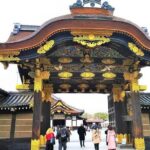
Kyoto Bike & E-Bike Tours, compared.
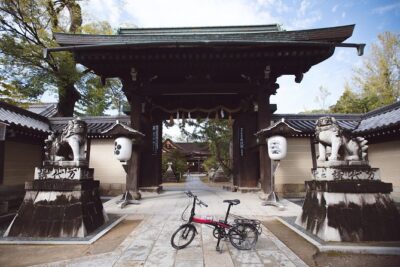 ★ 5.0Hidden Kyoto E-Biking tourFrom $1161,843 reviews
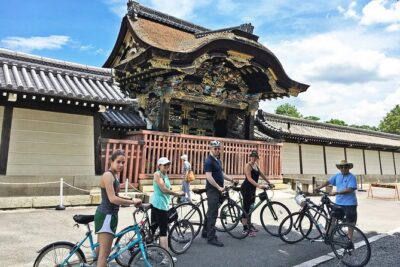 ★ 5.0Bike Tour Exploring North Kyoto plus LunchFrom $1061,087 reviews
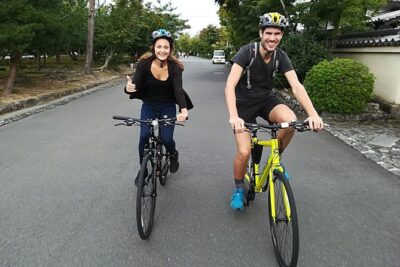 ★ 5.0Arashiyama Bamboo Forest & Hidden Gems Bike Tour (Early Bird)From $106613 reviews
 ★ 5.05 Top Highlights of Kyoto Full Day Bike Tour (E-bike option)From $172511 reviews
 ★ 5.0Full Day Biking Tour Exploring the Best of KyotoFrom $119498 reviews
 ★ 5.0E-Bike Tours of the highlights of Kyoto!!!From $109291 reviews
 ★ 5.0Afternoon Kyoto Bike Tour: Bamboo Forest, Monkeys & Hidden SpotsFrom $106283 reviews
 ★ 5.0South Kyoto in a Nutshell: Gentle Backstreet Bike Tour!From $79225 reviews
Browse the lists this tour appears in