
Reviewed · PRIVATE
Invitation to Japanese Whisky: Exclusive TastingTime/Private
Kyoto tastes different when you learn to sip. This private Japanese whisky tasting in Honshu starts with quick orientation in Sanjo, then moves to a favorite local bar where you taste how Japanese whisky changes glass to glass.
I especially liked the private, small-group format, which makes it easy to ask questions and get personal advice from Kenji. I also liked the hands-on tasting method, starting with a classic like Suntory Kaku and then learning how a tiny bit of water changes what you notice on your palate.
One drawback to consider: it is not a food-first experience. You get snacks, but meals are not included, so plan to eat before or after if you need a full dinner.
Key Points You Should Know Before You Go
- Meet Kenji at Sanjo Ohashi to get oriented in the Kyoto entertainment area before you even pour a glass
- Start with Suntory Kaku and learn the highball style, the most common way Japanese whisky is enjoyed
- Taste straight, then add 2 drops of water to make the flavors open up, sweeter, and more mellow
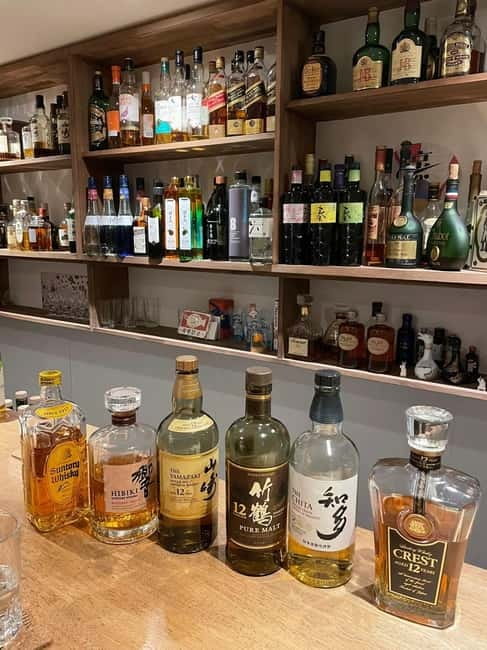
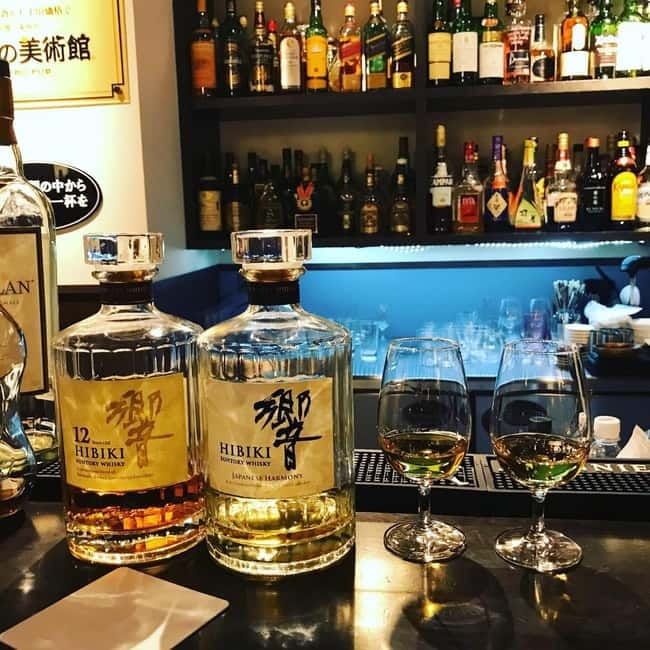
- Try a recognizable lineup like Yamazaki 12 years and Taketsuru 12 years, plus Hibiki blender’s choice
- You may chat with local whisky fans in the bar, which makes the experience feel less staged
- You get pairing snacks that match the whisky style, including examples like fresh chocolate and smoked bites
Sanjo Ohashi Meet-Up: Where the Tasting Begins
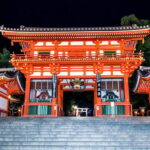
The experience starts in Sanjo, in a part of Kyoto that you can reach easily and that still feels local. You meet at the Kneeling man statue at the SouthEast corner of the Sanjo Ohashi intersection.
If you are walking from the east end of Sanjo Ohashi Bridge, cross the street and look for the statue. If you are coming by subway, it is quicker to exit to street level first, then find the statue location.
Why this matters: the meeting point is close to a recognizable landmark, so you can get there without stress. Also, the timing is tight enough that being able to find the meeting spot quickly makes the whole evening smoother.
You can also read our reviews of more private tours in Kyoto
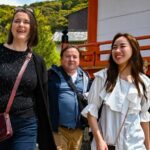

Kenji Walks You Into Kyoto Whiskey Culture
Before you head into the bar, Kenji explains general information about Kyoto and Sanjo, including what makes Sanjo one of the entertainment zones. This is not a long lecture. It is just enough context so you understand where you are and why whisky culture fits the neighborhood mood.
Then you go to the bar. It is described as Kenji’s favorite Japanese whisky bar, and it is set up to pour a range of whiskies, including vintage options.
A small practical note: wear comfortable shoes. You will likely be on your feet for the walk between the meet-up area and the bar, and you want to arrive relaxed, not already tired.
Suntory Kaku Highball: A Simple Start That Explains Japan
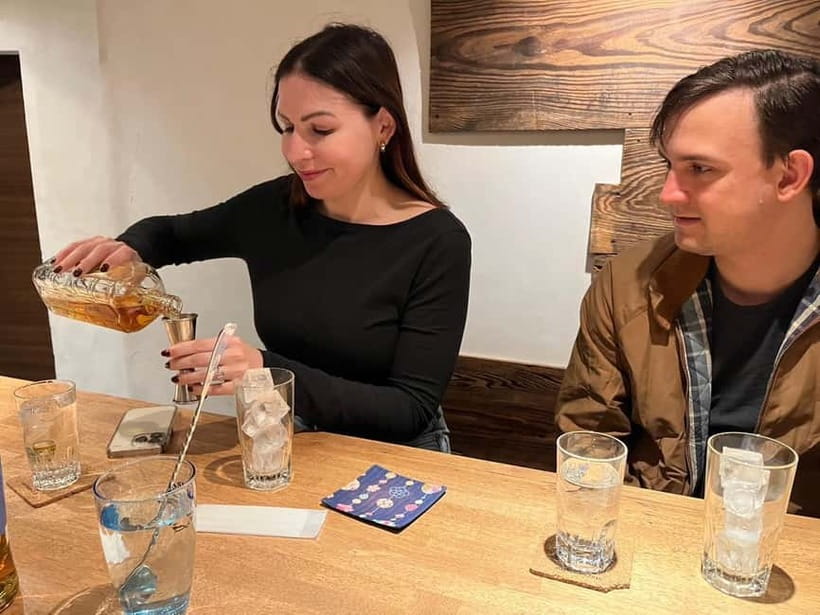
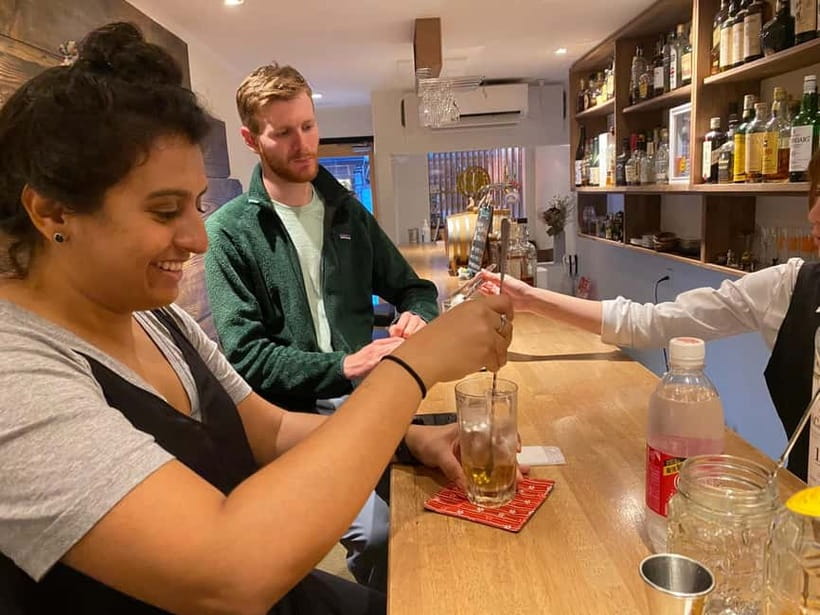
The tasting begins with Suntory Kaku, which is positioned as the most popular and representative Japanese whisky. From there, you learn how to make a highball, whisky mixed with soda.
This matters more than it sounds. Japanese whisky is often talked about through single malts and neat pours, but in everyday Japan, highballs are how many people actually drink it. Starting here gives you a real baseline for what you are tasting.
You get a welcome drink, a Suntory Kaku highball. If you are new to Japanese whisky, this is a smart on-ramp. The flavor is clear enough to understand, and the soda keeps it lively while you learn.
The Tasting Technique: Straight First, Then Two Drops of Water
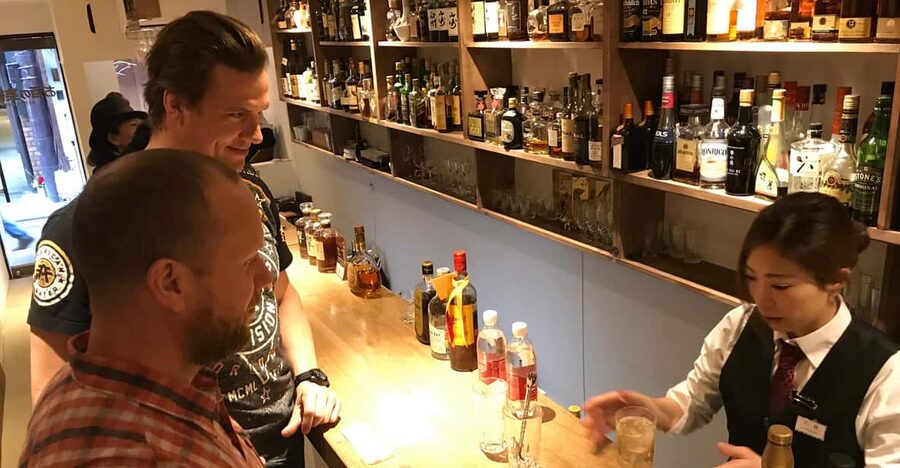
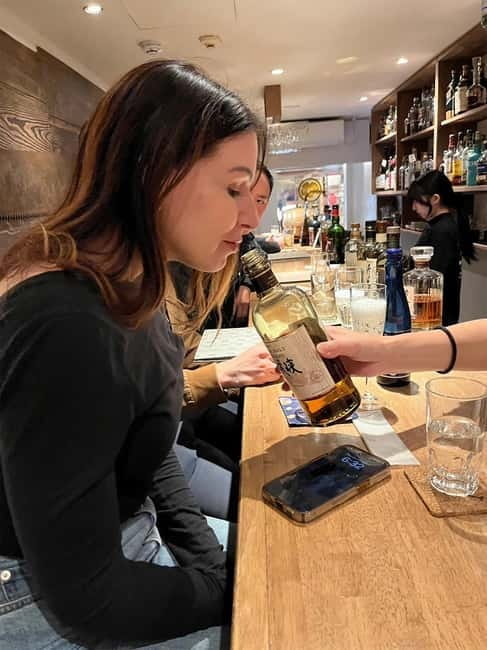
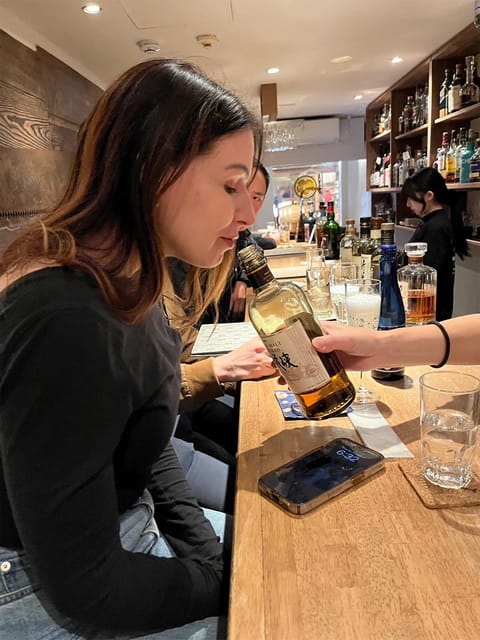
The core of the experience is the tasting method Kenji teaches you. First, you taste the whisky straight, so you can pick up the top notes and feel how it hits your palate and throat. Then comes the key step: you add 2 drops of water.
The goal is simple and practical. Kenji teaches that adding water can make the flavor open up, becoming sweeter and more mellow. In other words, you learn that whisky is not one fixed taste. It changes as the liquid interacts with your senses.
This is also where the experience earns high marks. One of the strongest points shared from the tasting is the clear explanation of how to notice what you are tasting, not just whether you like it. Another important point from the tasting format is that you do not skip the sensory basics. You taste, then adjust, then compare.
If you want to get the most from the session, slow down your drinking. Take a small sip, let it sit briefly, and then compare the straight pour to the two-drop version.
The Main Lineup: Yamazaki 12, Taketsuru 12, Hibiki, and More
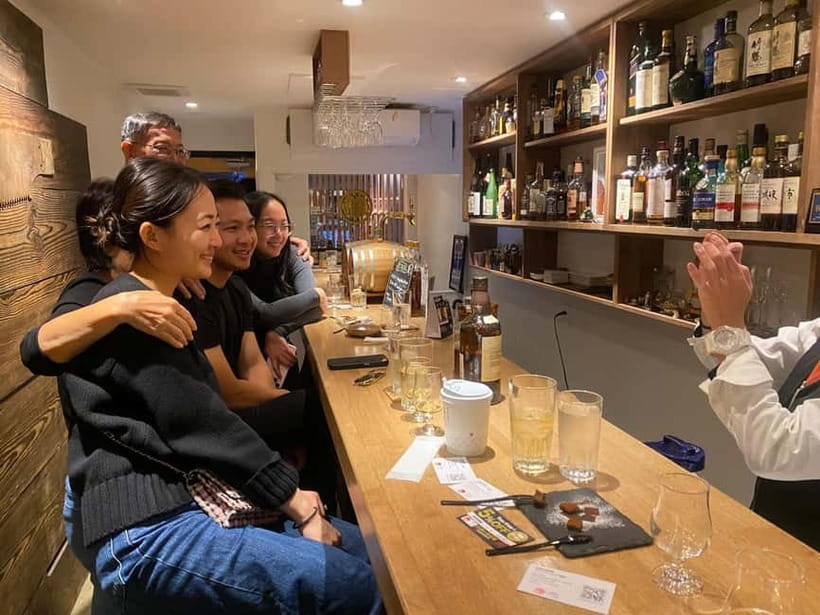
After the opening bottle and highball, you move into tasting what the bar offers as the normal lineup. The names you can expect include:
- Yamazaki 12 years
- Taketsuru 12 years
- Hibiki blender’s choice
- Suntory Royal 12 years
You may also run into vintage whiskies depending on what the bar has available that day.
A few things make this portion valuable. First, these are recognizable Japanese whisky names, so you can connect what you learn to brands you might already see back home. Second, the service is described as special because these bottles are rare and expensive, meaning you get access that would be harder to recreate on your own.
How to think about the lineup: treat it like a guided comparison. You are not just sampling. You are learning how Japanese whisky flavors differ across distilleries and styles, and how the same bottle can taste different when you change the dilution and the way you pay attention.
Straight Pour Versus Watered Pour: What You Actually Learn
Kenji’s method is built around comparison, and that is why it sticks. When you taste straight, you notice the immediate impression. When you add two drops, you are testing a change in expression, not just adding sweetness.
From the experience descriptions and feedback, the main learning is how a small change alters the mouthfeel and the perceived complexity. The water helps the aroma and flavor open up so the whisky can feel rounder and more mellow.
If you are worried you do not have a whisky palate, do not be. This format is designed to teach you what to notice, including how to sense the throat feel. You are guided through tasting steps, not left alone with a glass and a blank look.
Snacks and Pairing: Small Bites That Keep You Focused
You get snacks as part of the experience, described as pairing-friendly with Japanese whisky. Examples mentioned include fresh chocolate with Yamazaki whisky and a smoked pairing.
This is not a full meal, but the snacks help you in two ways. They keep your attention on balance and flavor, and they make it easier to keep tasting without feeling overwhelmed by only alcohol.
Practical tip: if you know you get hungry easily, eat a real meal before the session. Food is not included as a meal, so plan accordingly.
Local Conversations Inside the Bar
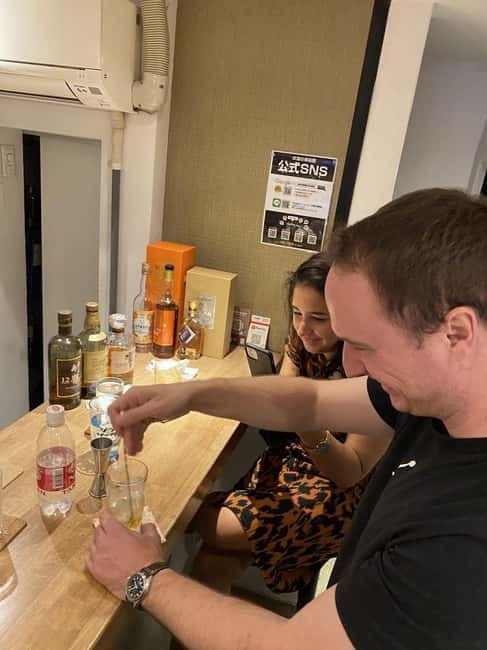
Another plus is the chance to communicate with local whisky fans in the bar. The experience is set up in a way that can make conversation feel natural, not forced.
This is especially useful if you already have questions about Japanese whisky you cannot find answers to from online sources. You can hear real opinions on what to try next, and you can get brand and style guidance tailored to your preferences.
One review also highlighted that Kenji helped with take away ordering for family. While your session might not involve that exact situation, it is a good sign that Kenji is thinking about what you want the tasting to lead to, not just the tasting itself.
Duration and Pace: 90 Minutes That Feel Focused
The session runs 90 minutes. That is long enough to taste multiple bottles, practice the water step, and still have time for some conversation and guidance.
It also keeps the experience from turning into a slow, unfocused hang. You are moving through tasting steps with a purpose, so you leave with more than a memory. You leave with a method you can reuse the next time you have whisky in your hand.
Price and Value: Is $245 Worth It?
At $245 per person for 90 minutes, the price is not cheap, but the structure is what justifies it.
You are paying for several things at once:
- a private group format, meaning you are not sharing a guide with a large crowd
- live English guidance
- multiple tastings, including a highball welcome drink and a lineup with brands like Yamazaki 12 and Taketsuru 12
- extra value via rare or expensive bottles being made available through the bar
- snacks that support the tasting experience
If you compare this kind of guided, brand-specific tasting to doing it on your own, the value often comes down to access and coaching. You are not just buying drinks. You are learning a repeatable technique, getting curated bottles for that moment, and receiving restaurant suggestions based on your preferences at the end.
If you are a casual drinker who just wants to have a drink, you might find cheaper options. But if you care about learning how to taste Japanese whisky, this format is built for that.
What to Bring, What to Avoid, and Who Should Skip It
Bring comfortable shoes. You also need an ID card, and a copy is accepted.
Important rules:
- No smoking
- No alcoholic drinks in the vehicle
Age and alcohol note: people under 20 years old are not allowed to drink alcohol in Japan, but anyone can enter bars when accompanied by an adult. For ages 4 to 19, there is a 3,000 JPY option that includes one soft drink and snack.
This experience is not suitable for pregnant women. It is also not suitable for people with mobility impairments.
So if you fall into any of those categories, you will want to choose a different kind of tour. If you are fine with the bar setting and active walking, you should be in good shape.
Ending With Restaurant Suggestions You Can Use
By the end, Kenji introduces good restaurants based on your preferences. This is a practical closer because Sanjo is an area with lots of options, and it helps to have a short list shaped around what you actually want to eat next.
Since meals are not included, those suggestions can make a difference in what you do right after the tasting. You get a natural handoff from whisky education to dinner planning.
Who This Japanese Whisky Tasting Is Best For
This is ideal if you:
- want a structured way to taste Japanese whisky and learn the water step technique
- care about comparing major labels like Yamazaki 12 and Taketsuru 12
- prefer a private experience where you can ask questions in English
- like the idea of a local bar experience with a chance at real conversation
It is also a great fit if you already know a few brands and want to figure out what you like next, because the session ends with guidance on where to go for food and what direction to take with your whisky journey.
Should You Book This Private Japanese Whisky Tasting?
I would book it if your goal is to learn how to taste Japanese whisky, not just drink it. The combination of a highball start with Suntory Kaku, a focused technique Kenji teaches, and a lineup that includes Yamazaki 12 years and Taketsuru 12 years makes it feel like real value for the money.
Skip it if you want a meal included or if you are not comfortable with a bar-centered format. Also consider your age needs and comfort level with the rules about drinking.
If you want a guided, hands-on whisky experience in Sanjo with English support and a method you can use again, this is a strong choice.
FAQ
How long is the Invitation to Japanese Whisky tasting?
It lasts 90 minutes.
Is this experience private, and is the guide English-speaking?
Yes, it is a private group, and the tour guide speaks English.
What whisky brands are included in the tasting lineup?
The normal lineup includes Yamazaki 12 years, Taketsuru 12 years, Hibiki blender’s choice, and Suntory Royal 12 years. You may also have other bottles available at the bar, including vintage options.
Is food included?
Snacks are included, with examples such as fresh chocolate paired with Yamazaki whisky and a smoked snack. Food and meals are not included.
Where do we meet?
Meet at the Kneeling man statue at the SouthEast corner of Sanjo Ohashi intersection. There is a link provided for the exact Google Map location.
Are there age restrictions for alcohol?
People under 20 years old are not allowed to drink alcohol in Japan. For ages 4 to 19, there is a 3,000 JPY option that includes one soft drink and snack, and anyone can enter bars when accompanied by an adult.
More Private Tours in Kyoto

More Tour Reviews in Kyoto
Not for you? Here's more nearby things to do in Kyoto we have reviewed
Private, compared.
 ★ 5.0Fushimi Inari Hidden Hiking Tour (Private Option Available)From $631,750 reviews
 ★ 5.0Private Kyoto Tour with a Local, Highlights & Hidden Gems, PersonalisedFrom $1021,543 reviews
 ★ 5.0Kyoto 6hr Private Tour with Government-Licensed GuideFrom $1551,369 reviews
 ★ 5.010 Must-see Spots in Kyoto One Day Private Tour (up to 7 people)From $1791,108 reviews
 ★ 5.0Nara Half Day Trip Walking Tour (Private Option Available)From $105937 reviews
 ★ 5.0Kyoto 4hr Private Tour with Government-Licensed GuideFrom $109629 reviews
 ★ 4.8Private Tour with Local Licensed GuideFrom $106463 reviews
 ★ 5.0Private Kyoto Tour with Licensed Guide & Vehicle (Max 15 persons)From $634417 reviews