
Reviewed · DESSERT TOURS
Japanese Traditional Sweets ”Nerikiri” making
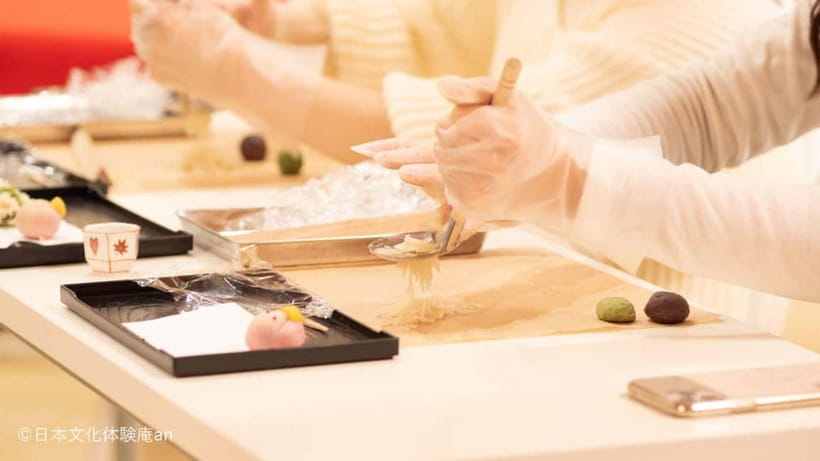
Kyoto sweets made by hand beat souvenir shopping. In a short 65 minutes, you shape two seasonal Nerikiri and learn how real ingredients behave. I like that the workshop uses white and red bean paste from long-established Kyoto shops, so your sweets taste like they should.
The main catch is language. The instruction is in Japanese, and while English translation is provided as much as possible, you may still need to rely on gestures and the pace of the room.
Key things to know before you go
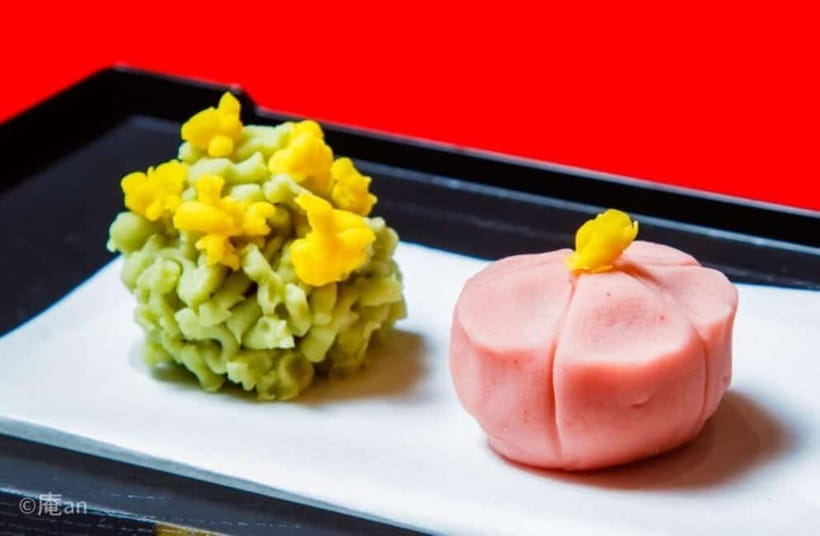
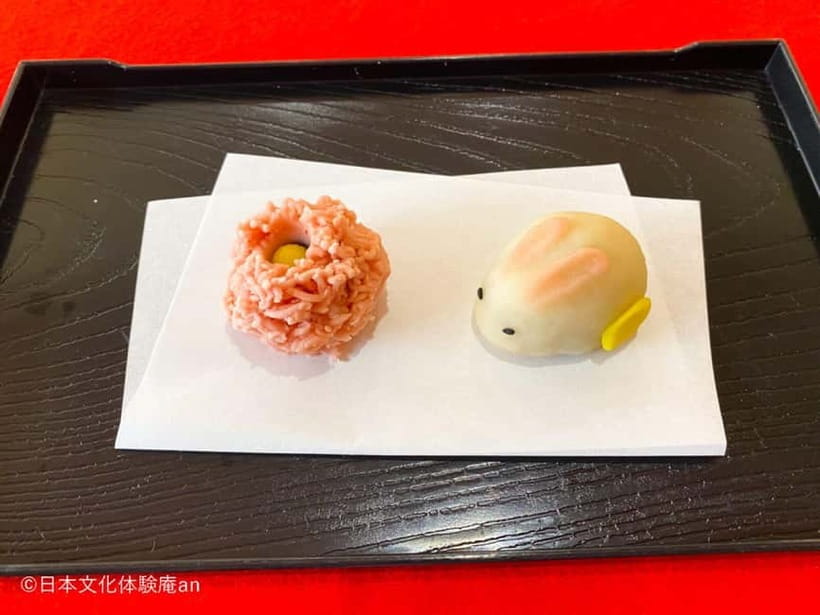
- Two Nerikiri designs, matched to the season, so it feels current, not cookie-cutter.
- Kyoto-made bean paste (white and red), which matters for flavor and texture.
- Hands-on time is short and focused, so you get real results without a half-day commitment.
- You eat what you make on the spot, which turns it into a snack break, not just a craft.
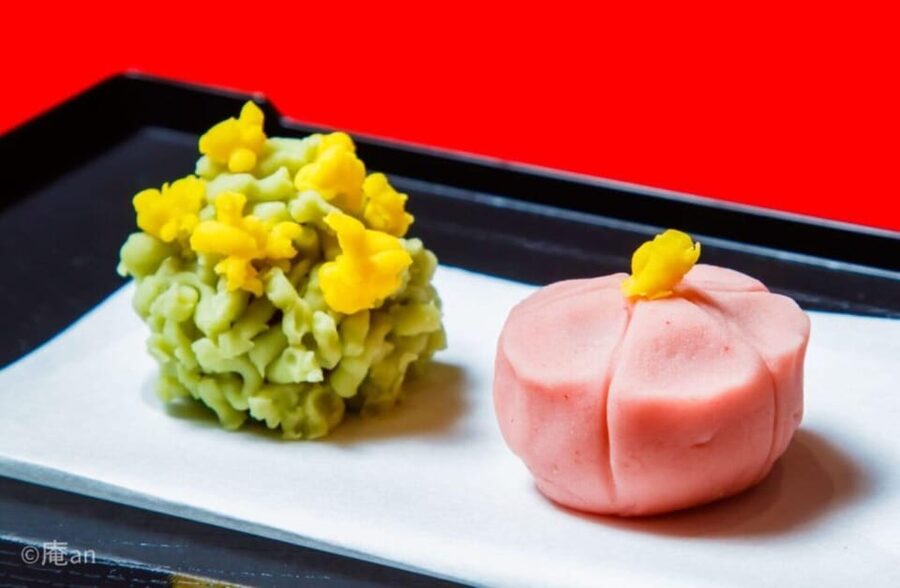
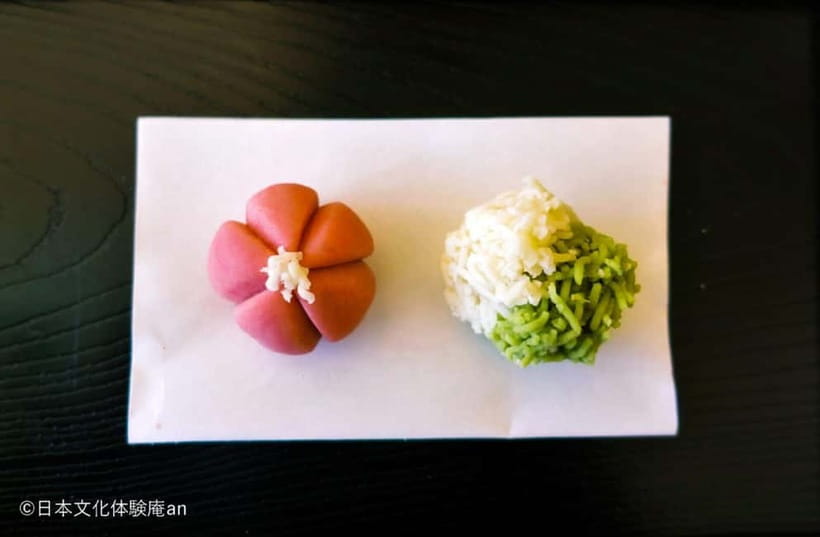
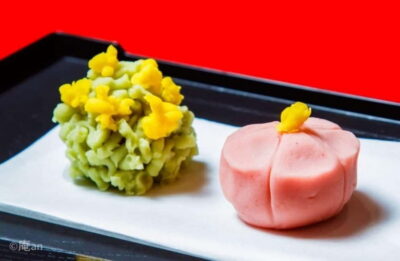
- Flower-shaped Nerikiri plus Kinton Nerikiri, giving you variety in one session.
- Wheelchair accessible, but there are stairs and no elevator in the building.
Kyoto Nerikiri Workshop Near Gojo Station
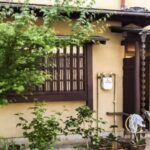
This is the kind of Kyoto food activity that fits your schedule, not the other way around. You meet close to Gojo Station on the Karasuma Line, just a one-minute walk from Exit 1, with the shop entrance facing Gojo-dori. If you are already sightseeing in central Kyoto, this is a handy mid-day or late-morning stop.
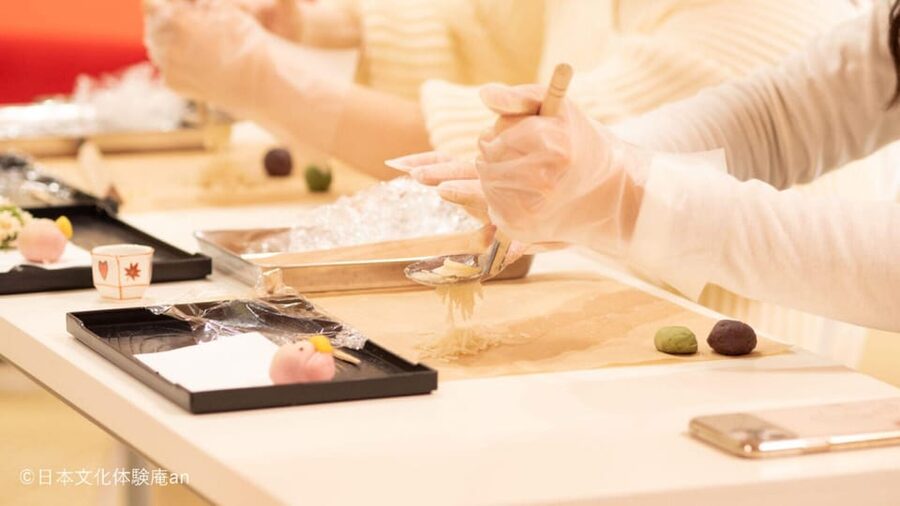
The session runs to about 65 minutes end to end. Expect a small, studio-style setup where you follow step-by-step shaping. It is not a lecture. It is you, your tools, and sweet paste that changes as you work.
Because there is no elevator, plan for stairs to reach the space where you make the sweets. If you are bringing a stroller or you prefer to avoid stair-heavy places, factor that in.
More Kyoto temple visits, food tours, tea experiences, and day trips to compare
What Nerikiri Is Really About
Nerikiri are traditional Japanese sweets made by shaping sweet paste into seasonal forms. They are not just about sweetness. The artistry, the texture, and the seasonal look are the whole point.
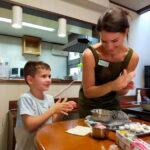
In this workshop, you get the practical side of that idea. You start with an explanation of what Nerikiri are and how the paste is handled. Then you move into shaping, first with a flower-shaped design, and later with Kinton Nerikiri as the second sweet. By the time you plate them, you understand why these sweets are often treated like edible art.
One of the nicest parts of this experience is the pacing. It is short enough that you stay focused, but long enough that your hands learn the material, not just the steps.
Kyoto Bean Paste, Why It Matters
The most important detail here is the ingredient base. You work with white and red bean paste produced by Kyoto’s long-established shops. That is not a trivia point. Paste quality changes everything you notice while shaping.
When the paste is well-made, it behaves more predictably. It stays cohesive when you shape it, and it holds the details you press into it. The flavor also comes through better once you eat. Even if you are not a sweets expert, you will notice the difference between homemade paste and a carefully sourced base.
This is one reason the workshop feels like more than a tourist craft. You are building something from a quality ingredient, and the result is genuinely pleasant to eat.
The 65-Minute Flow: From Shapes to a Plated Finish
You start with a brief run-through of Nerikiri and the idea of seasonal sweets. It helps you understand what you are making, so you do not feel like you are copying shapes without context.
Then the work begins. First up is the flower-shaped Nerikiri. This part is about getting comfortable with the paste, shaping it into a clean form, and learning how light pressure helps create structure without ruining the piece. It is also the stage where you start to see why tools and technique matter, even for something that looks simple.
After that, you shift to Kinton Nerikiri, your second seasonal sweet. This gives your session variety. You are not just repeating the same motion twice. You will feel the difference as the design asks for a slightly different approach.
There is also time set aside for a picture moment once you have your sweets finished. For many people, that is half the fun, because the final look really does resemble a small piece of artwork.
By the end, you move into eating time. You can enjoy the sweets on the spot, while they are fresh from your own work.
Eating What You Make Changes Everything
A lot of workshops end with, thanks, now you can leave. Here, you get a built-in reward. You can eat your handmade Nerikiri on the spot, right in the room.
That small difference changes how you pay attention. When you know you will eat it soon, you naturally focus on what you are doing while shaping. You also get immediate feedback. Did you handle the paste gently enough? Did your shaping hold? How does it taste compared to what you expected?
If you want to keep the sweets for later, a take-out option is available for an extra 100 JPY. For most people, eating them right away is still the best move, because the experience is tied to that in-room finish.
Price and Value in Real Terms
The price is $11 per person for about 65 minutes, and what you get is simple and well-matched to the time. You make a set of two Nerikiri, using the bean paste supplied for the workshop.
What makes the value feel fair is that the cost covers the key materials and your instruction. Optional add-ons cost extra, which keeps the base price clean.
If you want extras:
- Take-out box costs 100 JPY
- An experience completion certificate costs 300 JPY
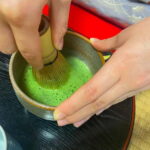
- Tatedashi matcha costs 500 JPY
So this is a good “stop in, make something, eat something” activity. It is not a big-ticket show. It is short, practical, and centered on hands-on results.
English Level, Instruction Style, and How to Make It Smooth
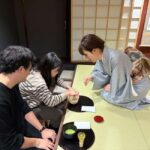
Language can be the biggest variable in a workshop like this. The instruction language is Japanese, but there is English translation provided as much as possible. In practice, that can mean you will be guided, yet you might still need to slow down and watch carefully.
One useful takeaway from past participants is this: be ready to follow demonstrations with your eyes. If you are the type who learns best by doing, this workshop usually works well. The shaping process gives you enough visual cues to get unstuck even when words are limited.
Also, the instructor will not be able to pause for major delays. Plan to arrive on time. If you are late, the session may continue without you fitting into the flow.
Who Should Book This, and Who Might Want Another Option
This is a strong pick if you want a short Kyoto food experience that does not require advanced cooking skills. It is also a nice choice for couples or solo travelers who want a calm activity with a satisfying end result.
It can work for families too. One family with a 10-12-year-old found the activity relaxing, and the task itself is hands-on enough to keep kids engaged. Still, you should expect that younger children may need more help, since the workshop is focused on shaping and paying attention to detail.
You might choose a different activity if you need heavy English explanations at every step. While translation is offered, the core instruction is in Japanese, and some people may prefer more direct attention at the table.
Wheelchair users should know it is wheelchair accessible, but there is no elevator. If navigating stairs is tough for you, you will want to consider that early.
Should You Book This Nerikiri Session?
If you are in Kyoto and you want a quick, authentic food craft, I think this is an easy yes. The ingredient quality stands out, the session is short, and the fact that you eat what you make turns it into a complete experience instead of a souvenir that sits in a bag.
Book it if:
- you want a guided craft that ends with a snack
- you like seasonal food and edible art
- you can handle some Japanese language in a hands-on setting
Consider skipping if:
- you need long, detailed English explanations throughout
- stairs are a deal-breaker for your day
FAQ
How long is the Nerikiri making experience?
The experience lasts about 65 minutes, including time for making, photos, and eating.
What sweets will I make?
You will make two seasonal Japanese sweets called Nerikiri, including one flower-shaped Nerikiri and one Kinton Nerikiri.
Can I eat the sweets during the workshop?
Yes. You can eat the sweets on the spot during the eating time.
Is the price $11 per person what it covers?
It includes the Nerikiri making experience set. Optional add-ons like a take-out box, completion certificate, or matcha cost extra.
What are the optional add-on costs?
A take-out box is 100 JPY, an experience completion certificate is 300 JPY, and tatedashi matcha is 500 JPY.
Where do I meet the workshop?
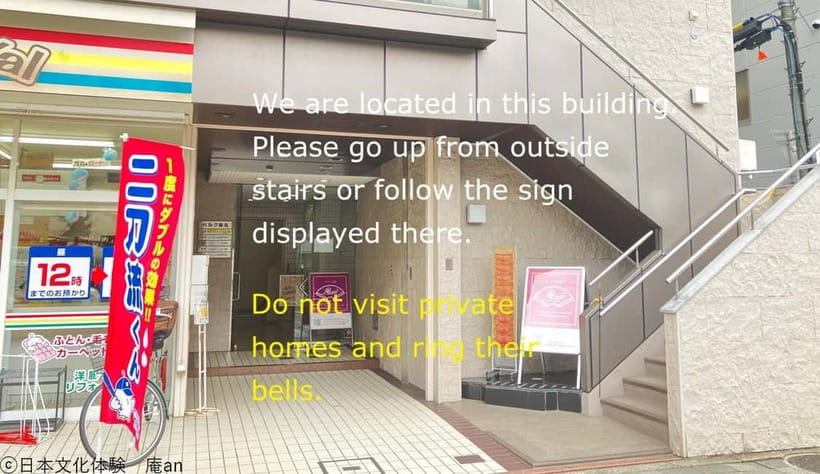
You meet one minute walk from Exit 1 of the Karasuma Line Gojo Station. The shop entrance faces Gojo-dori.
What language is used for instruction?
The workshop uses Japanese. English translation is provided as much as possible.
Is it wheelchair accessible?
It is wheelchair accessible, but the building has no elevator, so you will need to use stairs.
What is the operating time?
Operations run from 10:00 to 17:00. If your reservation is received after 17:00, it is processed the next day.
More Dessert Tours in Kyoto
More Tour Reviews in Kyoto

Not for you? Here's more nearby things to do in Kyoto we have reviewed



Dessert Tours, compared.
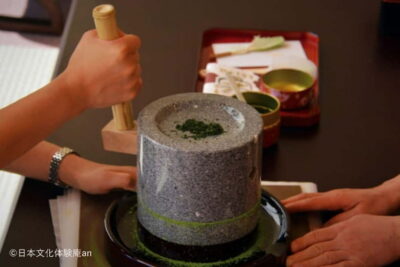 ★ 4.4Japanese Traditional Sweets Making and Tea CeremonyFrom $18314 reviews
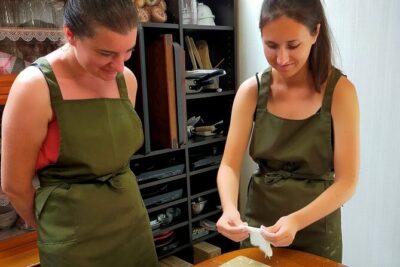 ★ 5.0Kyoto Wagashi(Japanese sweets) Cooking Class near FushimiinariFrom $7960 reviews
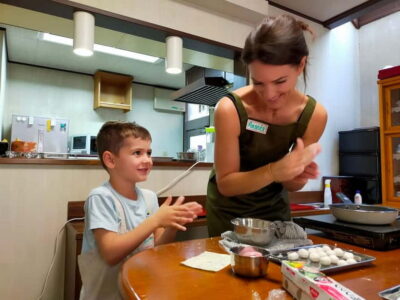 ★ 5.0Wagashi (Japanese sweets) Cooking near FushimiinariFrom $8440 reviews
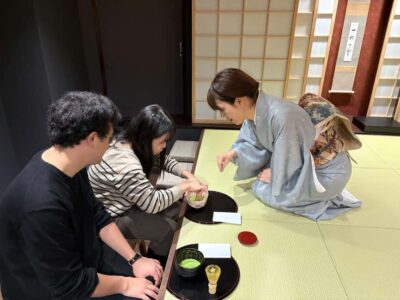 ★ 4.9Traditional Tea Ceremony with Matcha & Sweets in GionFrom $2227 reviews
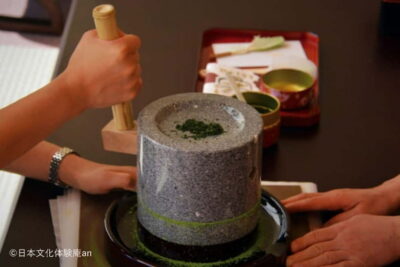 ★ 4.62 Types of Japanese Sweets making and Tea CeremonyFrom $2817 reviews
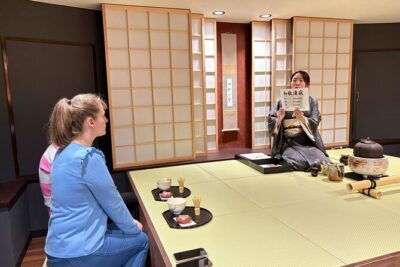 ★ 5.0Traditional Tea Ceremony with Matcha and Sweets in KyotoFrom $2213 reviews
 ★ 4.3Japanese Traditional Sweets making with Tatedashi MatchaFrom $146 reviews
Browse the lists this tour appears in