
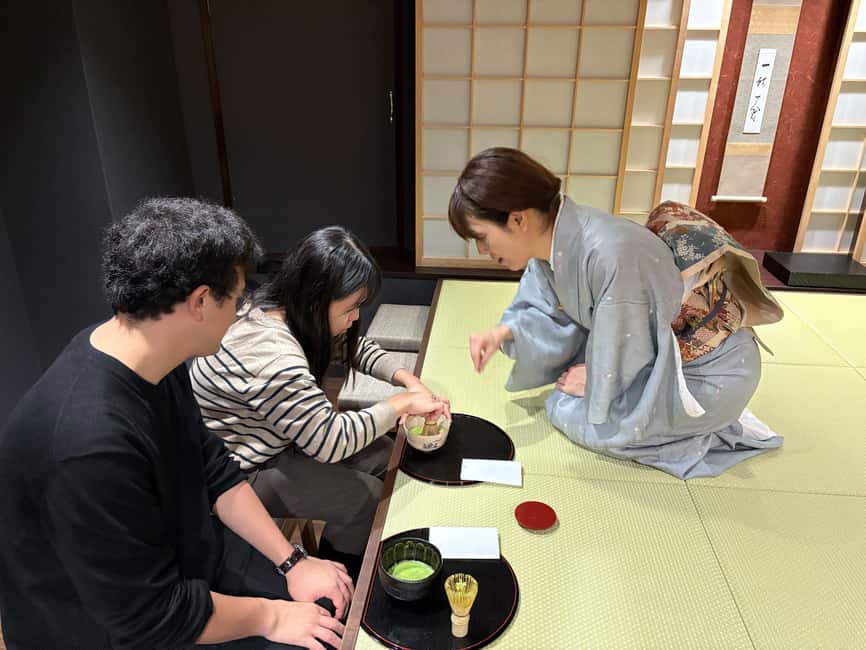
Reviewed · GION & GEISHA DISTRICT TOURS
Kyoto: Traditional Tea Ceremony with Matcha & Sweets in Gion
Matcha in Gion feels surprisingly friendly. I like that this ceremony keeps things approachable with chair seating, and I also like that you watch expert technique up close before you make your own bowl. One thing to consider: matcha has caffeine, so it is not recommended for kids under 5.
You get a calm, elegant tea lesson right in historic Gion, with English guidance, traditional sweets, and a Q&A at the end. And since it is chair-based, you spend less time worrying about kneeling, which makes it easier to actually focus on the tea, the stories, and the small details.
Key things to know before you go
- Chair seating instead of tatami means more comfort and easier participation for many visitors
- Tea master technique up close lets you see how the real process works before you try it
- Sweets plus a matcha-making lesson keeps the session balanced, not just instructional
- English guidance helps you catch the why behind each step, not just the how
- A simple matcha recipe to take home makes the experience stick after Kyoto
Gion’s quiet tea room, and chair seating that actually helps
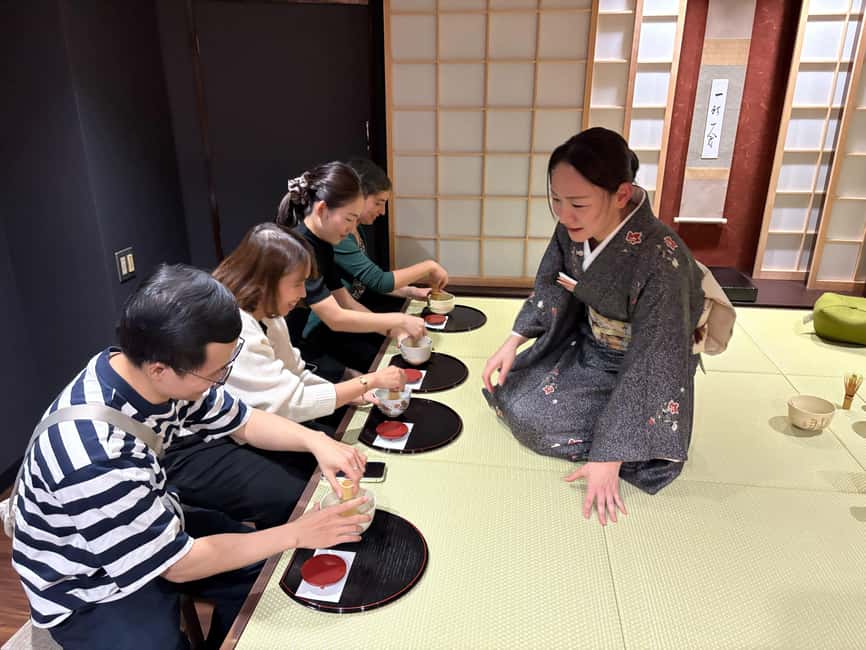
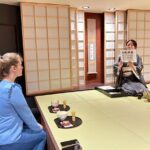
This is a Kyoto Gion tea ceremony designed for real life. The big practical win is that you sit in chairs, not on the floor. If you usually avoid traditional indoor activities because of floor seating or limited mobility, this format can turn a maybe into a yes.
The atmosphere is meant to be calm and respectful without turning into a stiff performance. That matters, because matcha making has a few small motions you will want to replicate, and you will do better when you feel comfortable. The setting also fits the neighborhood perfectly. Gion is all about old Kyoto vibes, and this experience gives you that feeling in an easy, sit-down way.
Group size is kept small, which helps in two ways. First, you get more interaction with the instructor. Second, it is easier to see what is happening if you are seated toward the front rather than trying to peer over shoulders.
More Kyoto temple visits, food tours, tea experiences, and day trips to compare
What you’ll see first: tea technique, plus tea’s story and Zen ideas
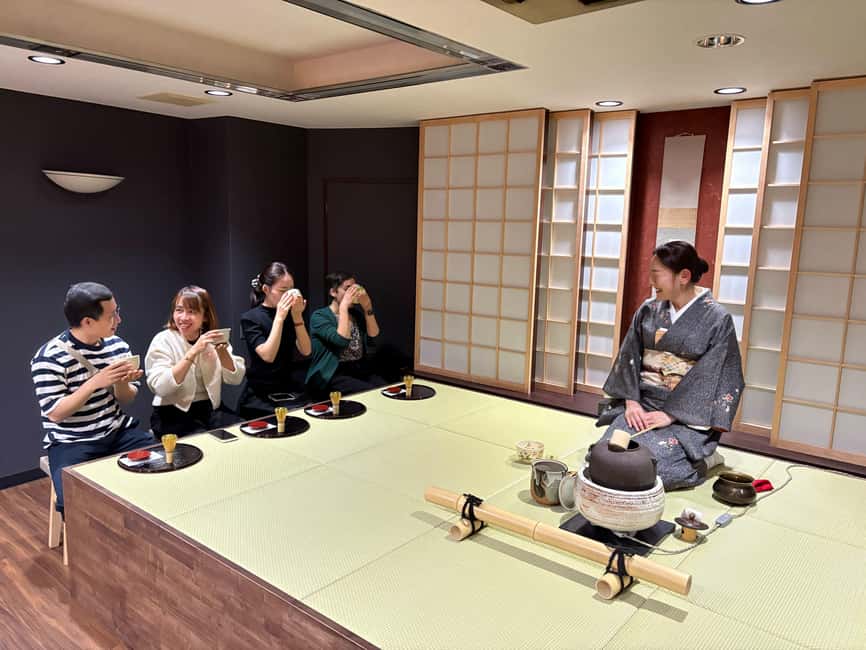
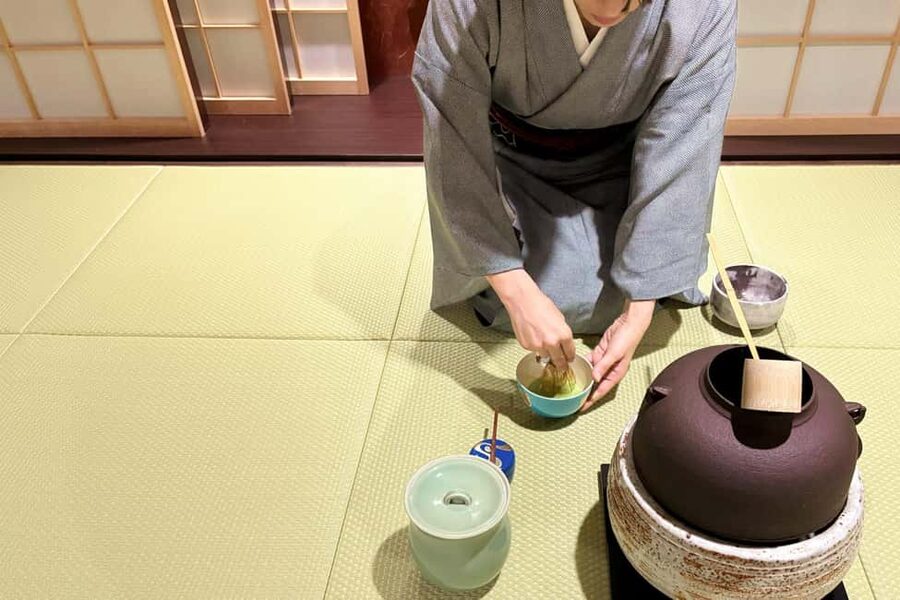
The ceremony starts with observation. You will watch an elegant tea ceremony performed up close by the tea master, and you will learn what makes each movement matter. This is not just about copying hand positions. The point is to understand how tea culture connects to attention, calm, and a particular way of being present.
Throughout the session, you also hear the history of tea and how the tea ceremony grew in Japan. Zen philosophy influences many of the ideas behind the ritual, and the instructor frames it in a way that is easier to follow than many formal introductions. You are not being asked to memorize slogans. You are being guided toward meaning you can remember.
One detail I like from recent feedback is how the whole process feels steady and relaxing in real time. You might notice sounds like the hot pot whistling, and then your attention naturally slows down. That is a big part of what a tea ceremony does well: it trains your pace without lecturing you.
Sweets and matcha: a friendly pairing that makes the lesson tasteable
After the observation portion, the session shifts into eating and hands-on practice. You get traditional Japanese sweets chosen for the ceremony by the tea master, typically from long-established confectioners. The idea is simple: you taste something classic while your taste buds are still clear, so the matcha later feels more meaningful.
These sweets are not meant to distract from tea. They are there to support the balance of flavors and help you appreciate how matcha works with Japanese traditional flavors. If you are the type who likes food education as much as technique, this part is a pleasant payoff.
Then comes the main event: making your own bowl of matcha. You are guided through the process, and the instruction focuses on what you need to do for a good result, not on gatekeeping. The tone stays casual and friendly, so you can ask questions without feeling like you are interrupting a serious script.
Making your own bowl of matcha, with guidance that focuses on the key steps
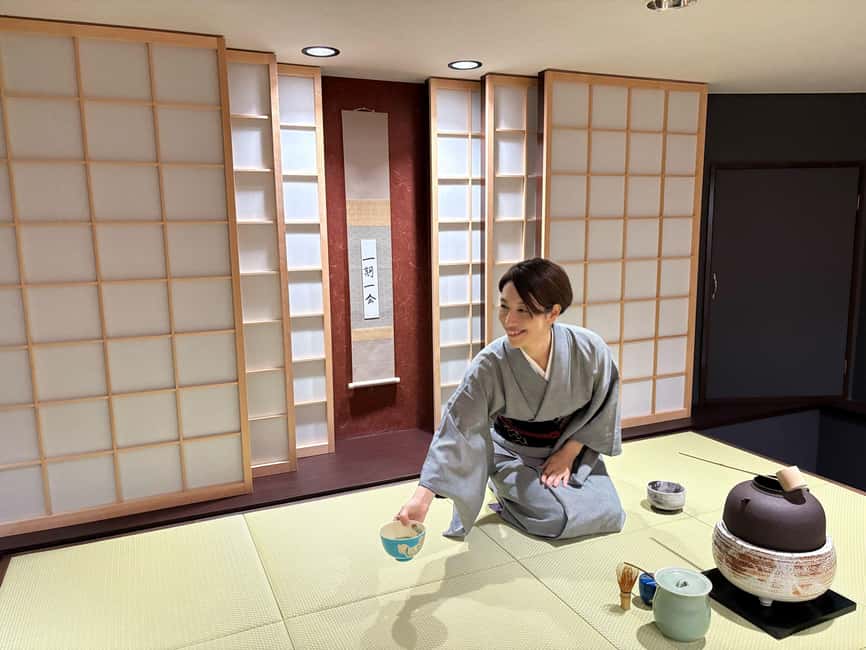
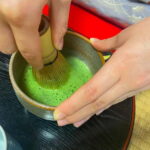
This experience is built around the moment you start whisking. You get matcha powder from a local tea farm, and you are shown how to mix it properly using the right approach. If you have ever had matcha that tasted flat, bitter, or uneven, this part is where you learn what changes the experience.
A repeat praise point is learning to mix matcha into bubbles. The texture is a huge deal, because it affects how the flavor shows up in your cup. You will get coaching that helps you avoid the common mistakes: too little whisking, uneven mixing, or using the wrong mindset about speed and patience.
It is also a good fit for first-timers. You are not thrown into the deep end. You watch technique, then you practice with guidance. And because the seating is comfortable, you are more likely to keep your focus through the whole lesson.
When you finish, you also receive a simple matcha recipe to take home. That is more than a nice card. It gives you a way to recreate the flavor and method later, which is how most people actually turn a Kyoto activity into a lasting memory.
Q&A with the tea master, so you leave with answers, not just photos
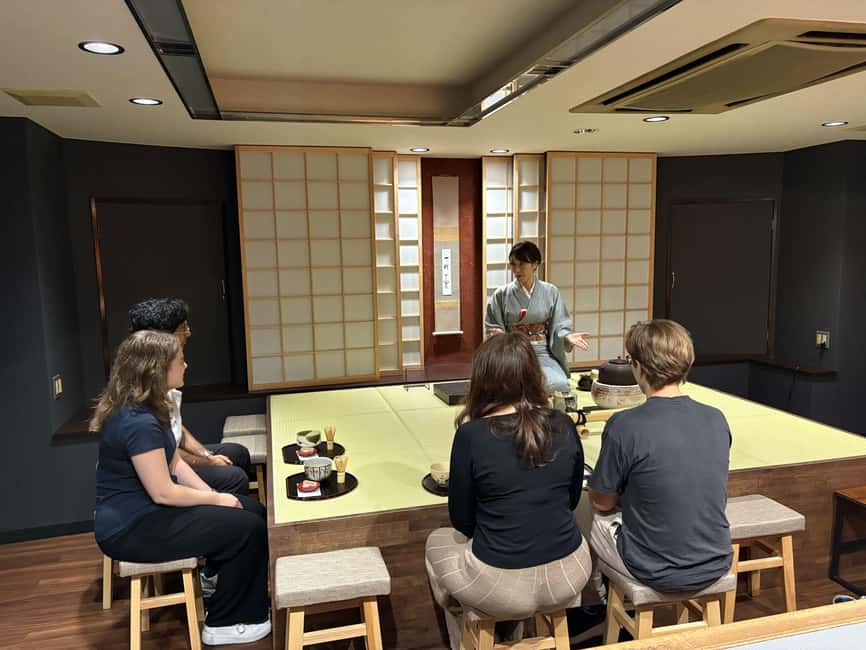
After you taste and make your matcha, the session includes a Q&A with the tea master. This is a smart structure. Many people come in with curious questions like why matcha tastes the way it does, what beginners should focus on, or how tea culture differs from what they see at cafes.
Because the instructor is there, you can ask follow-ups and clarify what you might not have caught during the demonstration. It also helps you connect the ritual to practical behavior, like how to handle the bowl, what makes a good mix, and why the order of steps matters.
One standout theme from feedback is how approachable the host can be. If you are shy, you can start with something basic, and the answers usually flow from there.
Timing in Gion, and how long you’ll actually spend on the experience
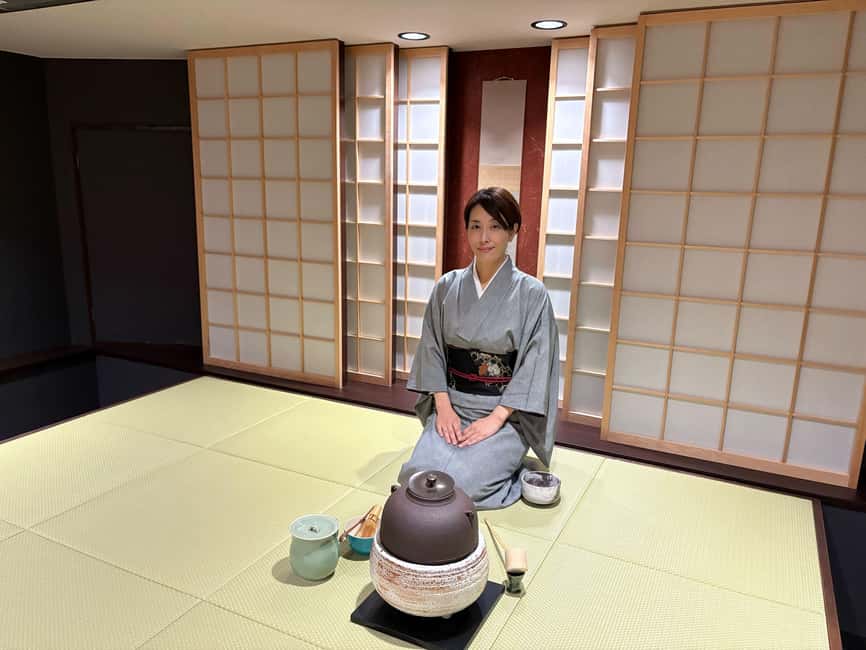
The duration runs from about 1 hour to 150 minutes, depending on the option you book and the session timing available. The key thing is to treat this as a real block of time in your day, not a quick side activity between photo stops.
Meeting point can vary by option, so you will want to confirm the exact location for your booking before you head out. If you are pairing this with kimono rental, pay special attention to the timing rules (more on that next).
If you choose the kimono option
There is a kimono add-on option tied to fixed ceremony timing. You would go to Kimono Rental Wargo Gion store, and the mapped instructions mention the 5th floor. After changing, you walk to the meeting point on your own and should arrive about 10 minutes before the tea ceremony starts.
The big practical note is that ceremony time becomes fixed based on your kimono start time. For example, if you select an 11:00 kimono start, you attend the 12:30 tea ceremony. If you select 12:00, you attend 14:00. If you select 14:00, you attend 15:30. After finishing, you are asked to return the kimono by 5:30 pm.
That can be great if you like a structured day. It can feel tight if you are the type who likes to wander with zero schedule. Choose based on your travel style.
Is $22 worth it in Kyoto? Here’s what you’re really paying for
At about $22 per person, this is priced in the range of a solid, taught food-and-culture activity. The value comes from more than the tea itself.
You are paying for:
- A tea master who explains history and technique in English
- A watch-and-learn portion done up close
- Traditional Japanese sweets chosen specifically for the ceremony
- Matcha powder sourced from a local tea farm
- Hands-on guidance while you make your own bowl
- A simple matcha recipe you can use back home
The chair seating feature also adds value, because it changes who can comfortably participate. If you have ever skipped floor-based cultural activities in Japan, this format can save your energy and help you get more out of Kyoto.
Finally, the small group setup makes the instruction feel more personal than a large show. That tends to improve the overall quality, especially if you have questions.
Who should book this, and who should skip it
This tea ceremony is a strong match if you want:
- A first-time-friendly introduction to matcha
- A calm Kyoto cultural experience in the middle of a busy sightseeing day
- A lesson that includes tasting sweets, not just watching
- A take-home method through the simple matcha recipe
It may not be ideal if you expect a highly formal, floor-based ceremony. This one intentionally reduces strictness and focuses on comfort and clarity.
Also consider kids and caffeine. The guidance says matcha is high in caffeine and is not recommended for children under 5. Infants and toddlers are free, but if they want to try, they must use their parent or guardian’s matcha cup, and they will not receive their own matcha to make.
Should you book this Kyoto Gion matcha tea ceremony?
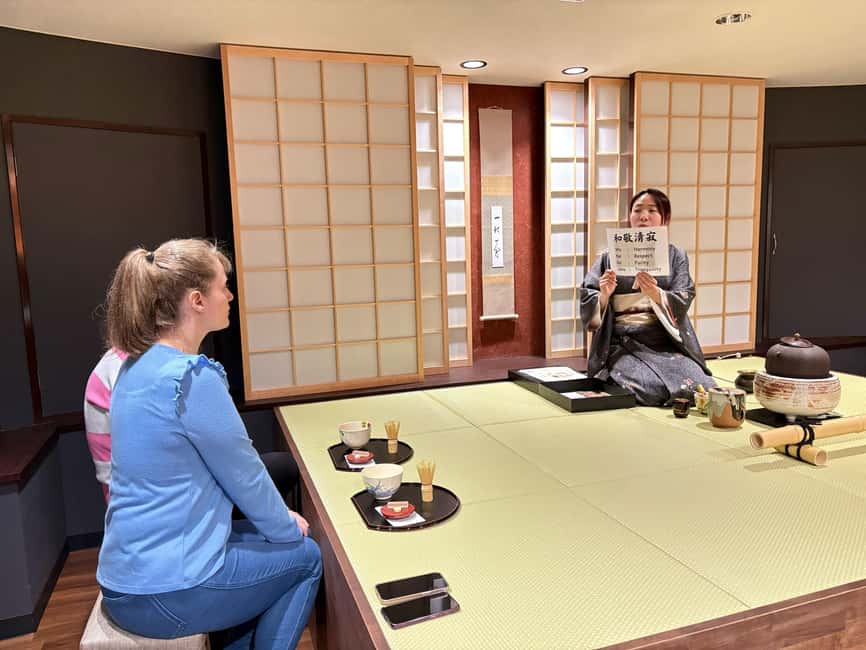
If your goal is to understand matcha and tea culture in a way that feels friendly, this is an easy yes. The chair seating alone is a big reason to consider it, especially in Kyoto where many traditional experiences still expect floor sitting.
Book it if you want a hands-on bowl of matcha, a proper explanation of technique and tea history, and a recipe you can actually use later. Skip it if your top priority is a strict, traditional floor ceremony with no room for comfort or questions, or if you are traveling with very young kids who should not have caffeine.
With a 4.9 average rating across 27 bookings, it is clearly landing well with people who want value, clarity, and an authentic Kyoto feel without the stress.
FAQ
Where is the meeting point for the Kyoto tea ceremony?
The meeting point may vary depending on the option booked. You should check the specific meeting point details for your chosen option when you reserve.
How long does the tea ceremony last?
The duration is listed as 1 hour to 150 minutes. Your exact timing will depend on the session you book, so you should check available starting times.
Is the instruction available in English?
Yes. The instructor provides the experience in English.
Do I have to sit on the floor during the ceremony?
No. This ceremony is designed with chair seating rather than floor seating, which makes it easier for many people to participate comfortably.
Is there a chance to make matcha yourself?
Yes. You will watch the tea ceremony first, then you will make your own bowl of matcha with guidance. You also receive a simple recipe to take home.
Are traditional sweets included?
Yes. Traditional Japanese sweets are included as part of the tea ceremony.
Can children join, and is matcha safe for them?
Infants and toddlers are free of charge, but if they want to try, they must use their parent or guardian’s matcha cup and will not receive their own matcha to make. Matcha is high in caffeine, so it is not recommended for children under age 5.
If I choose kimono rental, does it change my tea ceremony time?
Yes. The tea ceremony time is fixed based on your selected kimono start time. You should arrive about 10 minutes before the tea ceremony starts after changing.
Is free cancellation available?
Yes. You can cancel up to 24 hours in advance for a full refund.
More Dessert Tours in Kyoto
More Tour Reviews in Kyoto

Not for you? Here's more nearby things to do in Kyoto we have reviewed



Gion & Geisha District Tours, compared.
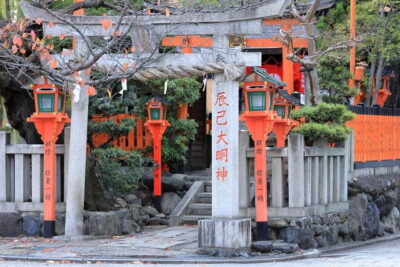 ★ 4.7Kyoto Geisha Walking Tour: Gion District & Hidden GemsFrom $253,273 reviews
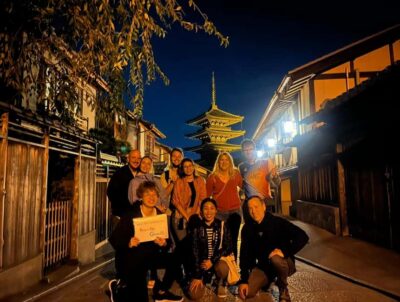 ★ 4.9Gion Magical Night Walking Tour with Geisha TriviaFrom $242,393 reviews
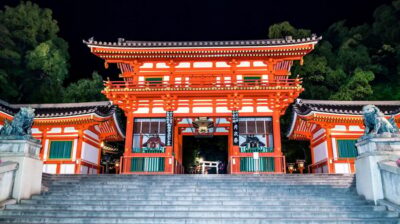 ★ 4.7Gion Geisha District Walking Tour – Stories of GeishaFrom $202,187 reviews
 ★ 4.9Best of Kyoto: Gion, Geisha, Pagodas & CobblestonesFrom $242,058 reviews
 ★ 4.5Night Walk in Gion: Kyoto’s Geisha DistrictFrom $212,003 reviews
 ★ 5.0Kyoto Night Foodie Tour in Gion (9+ dishes + 6 Sake tastings)From $1631,762 reviews
 ★ 5.0Kyoto Gion Geisha District Walking Tour – The Stories of GeishaFrom $251,441 reviews
 ★ 5.0Kyoto Gion: 2-Hour Geisha Culture & History Walking TourFrom $231,186 reviews
Browse the lists this tour appears in