
Reviewed · KYOTO SAMURAI & NINJA EXPERIENCES
Kendo and samurai experience in Kyoto
Kyoto kendo can be surprisingly peaceful. In a small, private-style session at Atelier NIN near Shugakuin Imperial Villa, you get no-pressure basics and focused instructor attention, then you work toward that samurai-style cutting moment. One thing to plan around: tatami mat cutting may not be offered every time, because rules in Japan can affect what instructors are allowed to do.
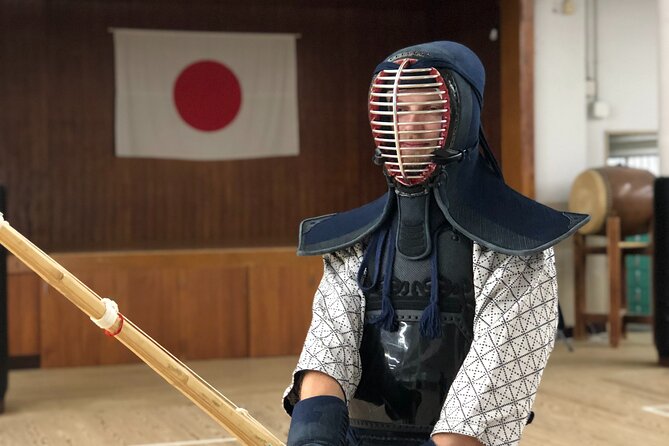
This is the kind of activity that feels like a break from temples, crowds, and photo lines. You practice with training tools first, wear authentic gear for your photo moments, and you still spend real time learning safe handling, posture, and timing.
You do not need any martial arts background, but you will want to arrive with enough buffer to find the studio in Sakyo Ward and get ready without rushing.
Key things to know before you go
- Private-style class flow: learn in a setting where your instructor can watch you closely.
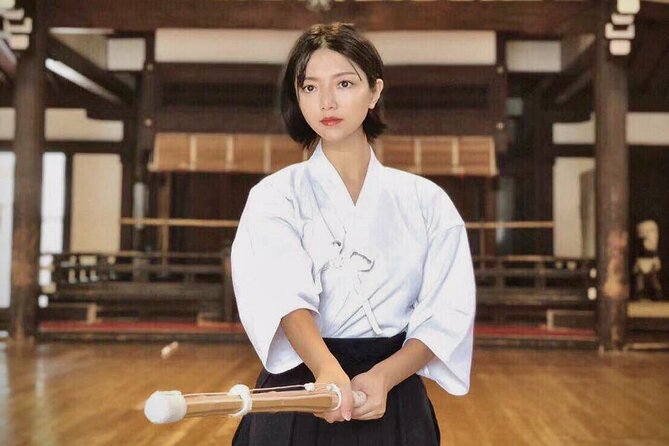
- Start with safe tools: bamboo practice swords, foam swords, and blunt replica blades come before anything intense.
- Training gear plus photo help: you wear authentic equipment and your instructor will help with photos and videos.
- Kendo technique over brute force: the focus is timing, form, and controlled movement.
- Tatami cutting may vary: the plan may shift depending on what is legally possible in your session.
- Outskirts Kyoto location: peaceful area near Shugakuin, but it can be a little tricky to find.
Where Studio NIN sits in Kyoto, and why that matters
Your class meets at studio NIN, in Sakyo Ward, at the address: 修学院16 Shūgakuin Daidōchō, Kyoto 606-8037. The activity is tied to the Shugakuin Imperial Villa area, which is a nice change from the more chaotic parts of central Kyoto.
The practical upside is that you are not stuck in a constant flow of tour groups. One review-style theme you should expect from this location is a quieter atmosphere, closer to a traditional dojo feel than a classroom in the middle of sightseeing districts.
The practical downside is simple: this area can be harder to navigate, especially if you rely on visual landmarks. If you can, give yourself extra time, use maps, and aim to arrive early enough to settle in and not feel rushed.
You can also read our reviews of more tours and experiences in Kyoto.

How a 2-hour Kyoto kendo session actually runs
The class is listed at about 2 hours. In real life, that time tends to include three blocks: gear and introductions, technique training, and practice drills that build toward the cutting component.
First, expect a careful start. Even if you know nothing about martial arts, the instructor’s job is to get you safe and comfortable with the basics. That means grip, stance, and how to hold and swing a practice sword without overreaching or guessing.
Next comes the main training sequence. You’ll use multiple tools, usually beginning with safer practice items. The goal is to learn correct movement so your body understands what efficient technique looks like. This is where kendo earns its reputation for being about form and control, not just strength.
Finally, you may reach the cutting moment. Some sessions include tatami cutting, while others do not. Either way, the class ends with you back at the meeting point, so you are not left trying to figure out a second location after training.
Sword handling practice, from bamboo to katana-style moments
Kendo in Kyoto here is taught step by step, using training tools that let you build muscle memory safely. The tools you can expect to see include:
- Bamboo practice swords (the classic kendo stick, shinai)
- Foam swords
- Blunt replica blades
- Authentic training gear for proper handling and photo moments
What I like about this setup is that it forces good habits early. When your instructor can see your grip and posture, you correct faster. And when you start with training tools, you get repetition without feeling like the class is only a one-shot performance.
You should also expect a focus on technique that feels practical. For example, multiple past guests highlighted learning things like how to take the sword in and out properly, how to set your stance, and how to cut more efficiently. That matters because a kendo swing is not just an arm motion, it is posture plus timing, then a clean, controlled follow-through.
Also keep in mind that English support can depend on the specific instructor. Some sessions are described as very easy to follow in English, while one comment noted language could be more limited. If you want to minimize confusion, have a translation app handy and bring a simple list of questions you might ask.
The samurai culture parts you will actually remember
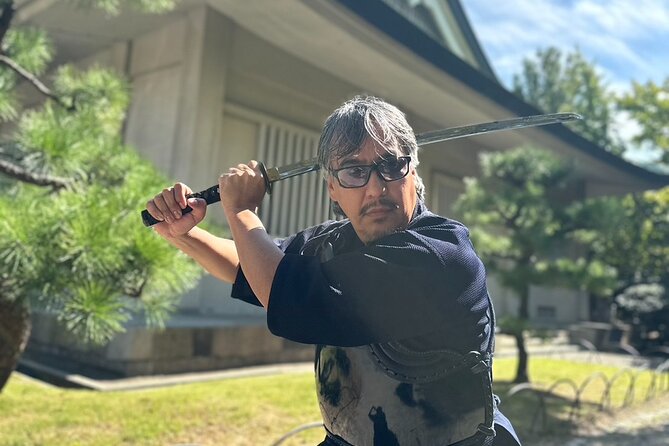
This is not only about swinging a sword. You also learn the discipline side, including what makes kendo feel like a code of conduct rather than a random sport.
In many sessions, the cultural piece shows up through names, rules, and the meaning behind the movements. People also mention learning how the style focuses on control and respect, not just winning.
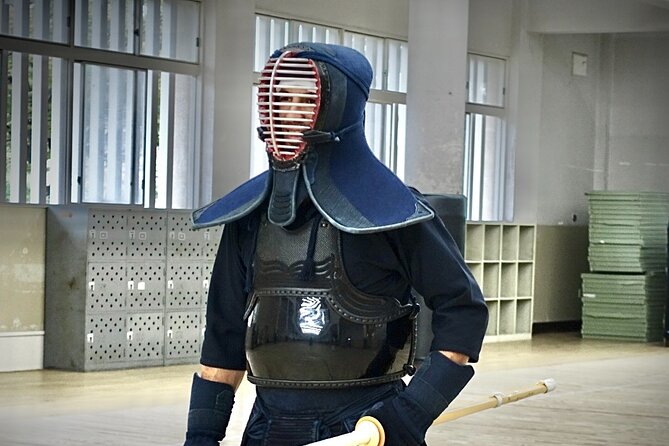
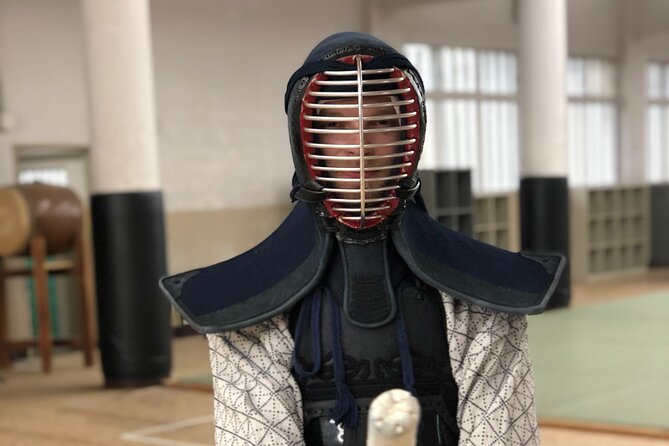
You will also get the “samurai moment” side that people come for. That includes dressing in traditional training armor and doing hands-on practice while you’re geared up. Your instructor will help you with photos and videos, and that is a big deal in Kyoto, where people often end up paying for portraits but still never get the shot they want.
One small caution from real experience: some participants felt they did not get the full uniform, only parts of it, such as seeing one helmet. So if complete armor styling is a top priority for you, consider messaging the provider ahead of time and asking what parts of the set you should expect.
Price and value for $105.68 per person
At $105.68 per person for about 2 hours, this is not a budget activity. But it also is not overpriced in a way that feels like you are paying mainly for a costume.
You are paying for a skilled instructor’s time, close supervision, and the training environment, including gear and multiple practice tools. You are also paying for something hard to replicate on your own in Kyoto: safe, guided sword technique with a real plan for practice.
The class also has a maximum group size of 15, which helps. It is not a massive group where you wait your turn the entire time. One comment noted that when there were no other sign-ups, the session felt effectively private, which is exactly when this type of class becomes a standout value.
If you are the kind of traveler who wants something active and hands-on, this price starts to look more reasonable. If you only want a quick photo and minimal physical involvement, you might feel the time is better spent elsewhere. Your best move is to match the activity to your interest level in learning.
Tatami cutting: what to expect, and what to confirm
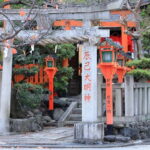
The training is described around a samurai-style cutting highlight, including slicing a tatami mat. But there is also a clear caution you should take seriously: some sessions did not include tatami mat cutting, and the reason given is that Japanese regulations can limit what is legally offered.
So here’s how I’d handle it as a practical traveler. Don’t assume tatami cutting is guaranteed. Instead:
- Treat tatami cutting as a possible bonus, not the only reason you book.
- If tatami cutting is the main thing for you, ask the provider directly before you go, and ask whether your specific session will include it.
Even when tatami cutting is not offered, the class is still about kendo basics, correct sword handling, and practice with training tools. That can still be a memorable experience, especially if you care about the technique side and want a guided introduction you can feel in your body.
Who this Kyoto kendo class is best for
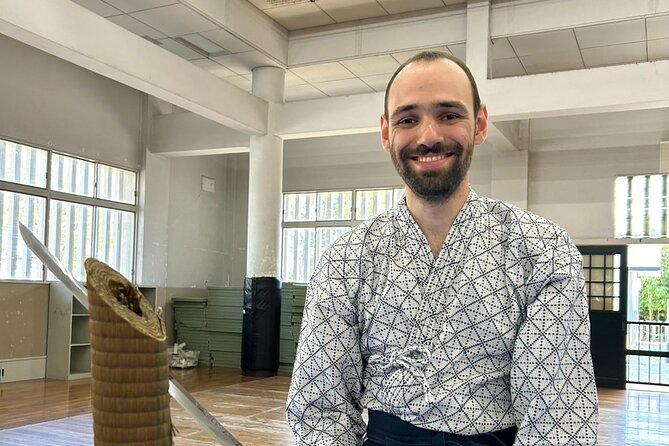
This is a strong fit if you:
- Want a hands-on, non-touristy Kyoto activity
- Like learning technique with step-by-step guidance
- Are okay with a smaller, teacher-led setting rather than a big sightseeing circuit
- Want a photo-friendly armor-and-practice experience with help from the instructor
It can also be a good choice if you are a complete beginner. The class is specifically described as not requiring martial arts experience, and the safety-first training tools reflect that.
If you are traveling with friends, it can be fun in a group because you can practice and compare movements. Some guests did this as a small group and still reported a high level of personal attention.
If you hate being photographed or feel awkward in structured settings, let the instructor know what you prefer. Past sessions include photos and video help as a core part, but good instructors should be able to match it to your comfort level.
Should you book Atelier NIN for kendo in Kyoto?
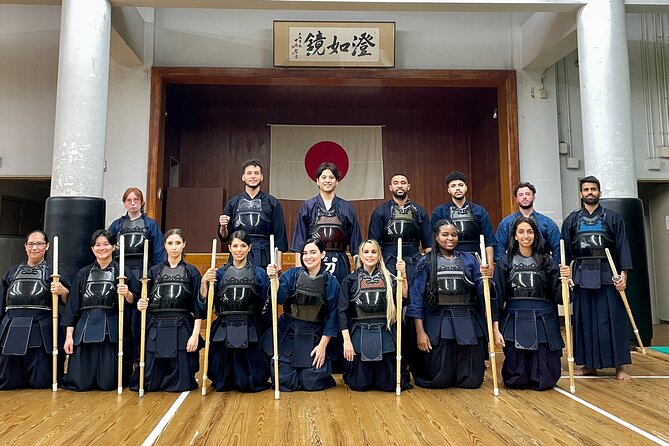
Book this if you want something active, technique-based, and distinctly different from temples and strolls. The combination of close instruction, training gear, and guided practice makes it a smart “hands-on Kyoto” choice.
Think twice if you are only booking for tatami mat cutting and you cannot accept that it may not happen in your session. In that case, confirm ahead of time, and plan for the possibility that the cutting component could be different or limited.
Finally, if you are easygoing and curious, this kind of class tends to land well. It is not just a stunt. It’s learning how kendo works, how the movements connect, and how discipline shows up in the small details.
FAQ
Is this kendo class private?
It is described as a private class with your teacher giving full attention. The activity also has a maximum group size of 15.
Do I need martial arts experience to join?
No. The class is designed for beginners and does not require any martial arts experience.
How long is the experience?
It is approximately 2 hours.
Does it include tatami mat cutting?
The program describes a tatami mat cutting component. However, the cutting may not be offered in every session, so it is smart to confirm with the provider before you go.
Where do I meet for the activity?
You meet at studio NIN, 修学院16 Shūgakuin Daidōchō, Sakyo Ward, Kyoto 606-8037, Japan. The activity ends back at the meeting point.
Can I cancel for a refund?
Yes. You can cancel up to 24 hours in advance for a full refund. If you cancel less than 24 hours before the start time, the amount paid is not refunded.
More Tour Reviews in Kyoto
Not for you? Here's more nearby things to do in Kyoto we have reviewed


Kyoto Samurai & Ninja Experiences, compared.
 ★ 5.0Kyoto Samurai ExperienceFrom $1191,294 reviews
 ★ 4.9Kendo and Samurai Experience with Uniform and GearFrom $103815 reviews
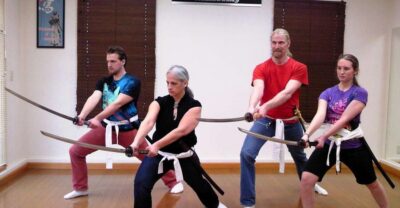 ★ 4.9Samurai Sword Class by Experts in Traditional ArtsFrom $64657 reviews
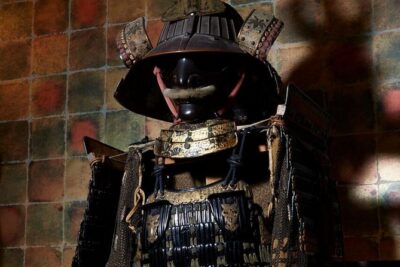 ★ 4.5Skip the lines Basic Ticket at SAMURAI NINJA MUSEUM KYOTOFrom $28632 reviews
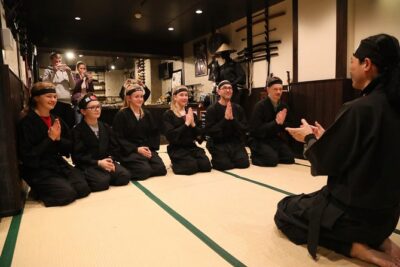 ★ 5.0Ninja 1-hour Hands-on Lesson by Japanese master in Kyoto -EntryFrom $80489 reviews
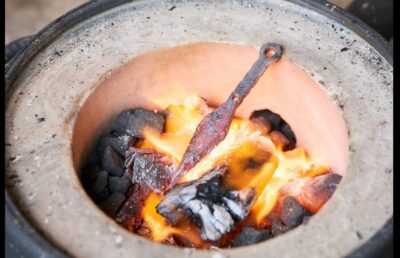 ★ 4.8Ninja Weapon Forging ExperienceFrom $148478 reviews
 ★ 4.5Samurai Kenbu Traditional Sword Dancing ShowFrom $32426 reviews
 ★ 5.0Samurai Training with Modern day Musashi in KyotoFrom $132256 reviews
Browse the lists this tour appears in