
Reviewed · NISHIKI MARKET FOOD TOURS
Kimono Tea Ceremony Experience at Kyoto Oritzuruya, Nishiki
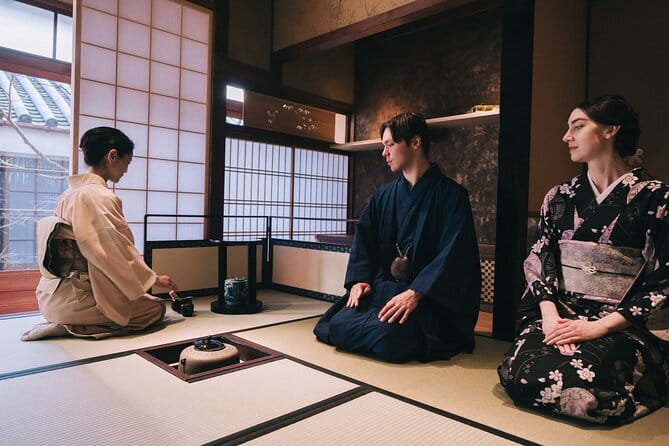
Kyoto has a way of making culture feel personal, fast. This kimono tea ceremony at Nishiki Orizuruya pairs expert dressing with a guided tea ritual, plus hands-on matcha whisking. What I like most is you learn the motions, not just watch, and you finish with a tasty tea-and-sweet moment in a calm room. The main thing to consider is that, like many Kyoto tea experiences near major sights, it can feel more structured and photo-friendly than deeply meditative.
I also like the practical setup. You get a kimono from 200+ designs, women receive complimentary hair styling, and the small group size (10 max) means you are not lost in the crowd. The matcha portion gives you a real skill, you’ll make your own bowl and taste it right away. A possible drawback: some guests want more participation in the ceremony itself, so go in expecting guided steps and a short format rather than a long, quiet traditional sequence.
Key points (quick read)
- 200+ kimono choices make it more like choosing an outfit than borrowing a costume
- Max group size of 10 keeps the pace from feeling overwhelming
- Hair styling included for women helps you look finished, quickly and neatly
- Hands-on matcha prep with a traditional bamboo whisk (chasen)
- Wagashi snacks included so the tea lesson comes with the flavors that matter
- Optional calligraphy lets you take home a real souvenir you made
Nishiki Orizuruya: Easy Meeting Point in the Nishiki Market Area
This experience starts at Nishiki Orizuruya, 452 Jūmonjichō, Nakagyo Ward, Kyoto (right by the Nishiki Market neighborhood). That matters because you’re not spending your limited time fighting transit or transfers. If you are already planning a morning walk through Nishiki Market, this fits nicely as a cultural pause right in the middle of the action.
One practical note from the experience details: transportation is not included. So you will want to build your route around the meeting point, and keep your arrival time realistic. The whole session runs about 1 hour 30 minutes, so you do not want to sprint across Kyoto at the last minute.
You can also read our reviews of more tours and experiences in Kyoto.

Dressing Up in a Real Kimono: Picking, Wearing, and Getting “Put Together”
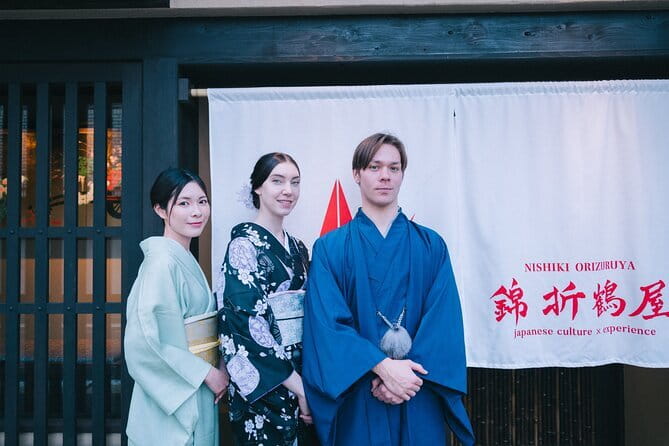
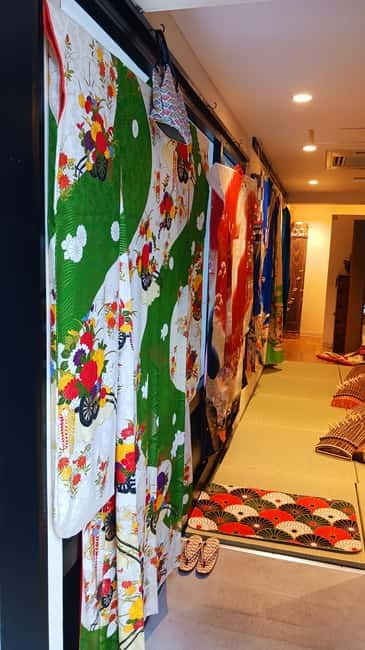
The biggest reason people love this booking is the dressing part. You start by selecting a kimono design from over 200 options. If you have ever seen photos of Kyoto streets in kimono and wondered what it feels like up close, this answers that question. Choosing the fabric and colors is part of the fun, and you get staff help so it does not turn into a guessing game.
For women, complimentary hair styling is included, and the process is more step-by-step than you might expect. Expect help with accessories and finishing touches, so you look like you belong in the setting, not like you borrowed a costume for an hour.
A couple details you should know so you feel prepared:
- You may do a quick photo moment. One review mentioned a small photo shoot where staff snap pictures, which is great if you want a few solid shots without juggling your camera.
- There is typically an underlayer, and one guest specifically mentioned a moisture-wicking underlayer. That’s a small thing, but it can make a big comfort difference.
Plus-size travelers get a reassuring signal from reviews: one guest worried about fit, and staff carried a wide range and found options that worked. Kimono sizing can still vary by cut and person, but this suggests the team takes care with selection rather than one-size-fits-none.
Tea Room Etiquette: Purification, Ritual Timing, and a Calm Classroom Mood
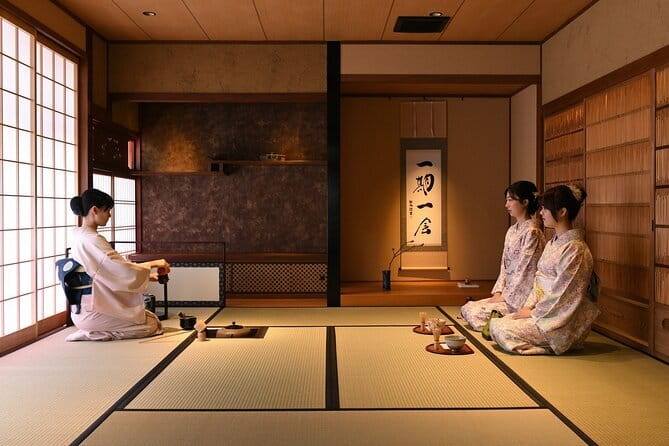
Once you are dressed and settled, you move into the tea room. This is where the experience tries to make you feel less like a spectator. You will be guided through the rituals of a traditional tea ceremony by an instructor.
One of the most interesting bits is the emphasis on the process before the tea itself. A review highlighted the purification steps as part of what you learn, not just a quick prelude. That makes sense because tea ceremony etiquette is not only about drinking matcha. It is about sequence, attention, and respectful motions.
Now for the honest trade-off. Some guests felt the ceremony was more staged than participatory. If you are hoping for a truly long, deeply traditional flow, you may find the time is short and the format is designed for visitors. Still, the same structure can be a benefit if you want clarity and coaching, not a confusing etiquette lesson where you are afraid to do anything wrong.
Matcha Workshop: Learning the Chasen Motions and Making Your Own Bowl
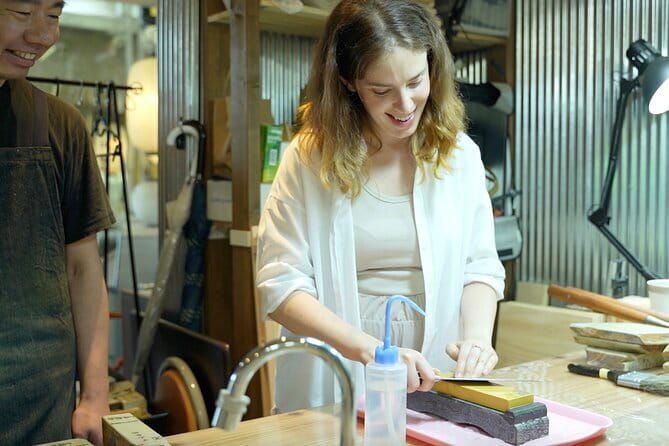
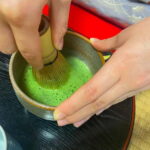
Here is the hands-on part you should not skip. You learn how to prepare matcha using a traditional bamboo whisk (chasen), then you try making your own bowl.
Even if you have watched matcha videos before, this is different from ordering a drink at a cafe. You’re learning a technique: how to whisk, how to treat the ritual with care, and what the tea looks and smells like as it comes together. And you taste what you made, so you get immediate feedback in a way that pure demonstration never does.
One review mentioned that the hands-on element can feel limited to whisking and frothing for some people. So again, manage expectations. You are not likely running the entire full ceremony alone. But you do get practical experience with the key action, which is still a real takeaway.
Wagashi and Tea Pairing: Why the Sweet Matters Here
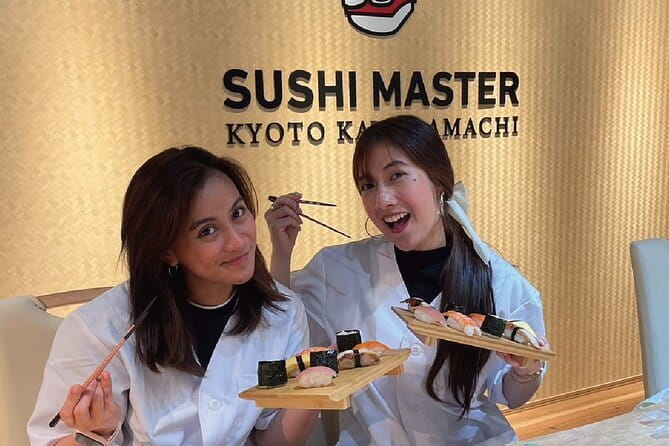
The ceremony includes snacks: wagashi and matcha. That pairing is not random. Wagashi are the traditional sweets served alongside tea in many settings, designed to match the mood and flavor balance of the drink.
Why you will care: matcha can taste intense and slightly bitter, depending on the blend and how it is whisked. Wagashi gives you a counterpoint, and it makes the tasting feel complete, not just like you sampled a beverage and moved on.
Also, since the session is only 90 minutes, having snacks included prevents that common Kyoto problem: you leave the cultural experience feeling hungry and underwhelmed. Here, the tea and sweets are part of the lesson flow.
Optional Calligraphy: A Meaningful Take-Home If You Want More Than Tea
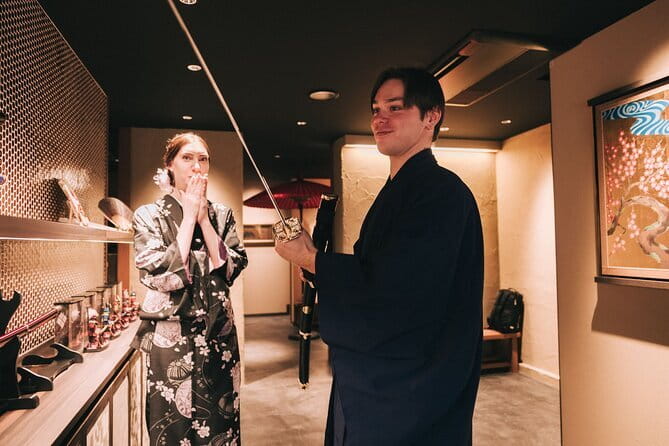
If you like adding another cultural skill, the optional calligraphy session is the best follow-on. The experience lets you learn the basics of this ancient art form and create your own calligraphy piece as a unique souvenir.
Reviews treat calligraphy like a highlight, especially for people who worry they will run out of things to do after the kimono and matcha. It also solves a practical souvenir problem. Instead of buying a postcard-sized item, you get something you made, in a process that is slow enough to feel calming.
Important expectation check: the calligraphy is optional, so if you do not choose it, your time is mostly kimono dressing and tea/matcha. If you do choose it, plan for your total time to feel fuller, since you are adding another guided art activity.
Kimono Time After the Ceremony: Where Photos Become Part of the Value
One of the best value boosters in reviews is that you can wear the kimono outside after the ceremony for a while, with a return deadline. One guest specifically said you can continue wearing the kimono outside for the rest of the afternoon until 18:00 when the shop closes.
That turns the price from a one-room activity into a mini Kyoto experience. You get:
- A clear “I am in Kyoto” look for street photos
- A chance to walk around the local area near Nishiki Market
- A longer feeling of transformation, not just a quick costume change
Do note that your freedom is still time-bounded. So if you want to roam Kyoto broadly, this is best as a photo-and-neighborhood walk, not as a replacement for sightseeing plans.
Price and Value: What $50.87 Buys in Kyoto for 90 Minutes
At about $50.87 per person for roughly 1 hour 30 minutes, the price can seem high until you list what’s included.
You get:
- Kimono costume
- Utensils
- Snacks (wagashi and matcha)
- Hair styling (simple style, and complimentary for women)
- All fees and taxes
- A licensed guide
That bundle is why guests rate it so highly. This is not just a tea drink ticket. You’re paying for staff time, a full dressing workflow, and the instructor-led matcha lesson.
Is it good value compared with doing tea separately? Usually yes, because in Kyoto, a typical tea cafe does not include kimono dressing, hair styling, and a guided lesson. And because it is small-group capped at 10, you are paying for attention, not a huge crowd performance.
The Main Trade-Offs: Waiting Time and How Participatory It Really Feels
Let’s talk about the downside clearly, so you do not end up disappointed.
A few reviews complained about waiting. Dressing takes time, hair takes time, and there is often a pause before the tea starts. If your travel style is fast and spontaneous, that waiting may feel like dead time.
Another theme: some people wanted more reverence and deeper connection to the meaning of the tea ceremony. One critique was that the experience can feel performative, more geared toward photos and staged instruction than a quiet, traditional ritual. If you are chasing spiritual calm above all else, you might find this format too tourist-friendly.
My practical advice: treat it as a guided cultural workshop. You will get kimono glamour, a clear matcha skill, and a taste of etiquette. If you want a slow, long-form ceremony with minimal visitor energy, you may want a more specialized or less commercial setting.
Who Should Book This Kimono Tea Ceremony (and who might reconsider)
This is a strong match if you:
- Want to wear a kimono and have the outfit put together for you
- Like structured guidance, especially with etiquette-focused activities
- Want a hands-on matcha skill you can recreate later
- Enjoy cultural crafts, and you are interested in the optional calligraphy
- Value a small group size (10 max)
It might be less ideal if you:
- Want a fully silent, extended tea ritual with minimal “production” vibe
- Dislike waiting in between steps (dressing plus ceremony prep)
- Expect to do everything yourself without being guided
One encouraging detail from reviews: the team seems to accommodate mobility needs. A guest with bad knees was reportedly given a small table and chair so they could participate. So if you have access needs, it’s worth bringing up your situation in advance, and plan to discuss it calmly with staff when you arrive.
Should You Book This Kimono Tea Ceremony at Kyoto Oritzuruya, Nishiki?
Book it if you want a fun, well-run Kyoto cultural experience with real activities. The combo here is hard to beat: kimono dressing with expert help, matcha whisking you actually do, and wagashi included in a guided tea setting. The small-group cap and consistently high satisfaction make it a smart pick for your time.
Skip it or set your expectations low if your goal is a deep, unhurried spiritual ceremony with lots of freeform participation. This is still a guided format, and some parts can feel staged.
If you do book: wear comfortable shoes to the meeting point, keep your hair and makeup planning simple since hair styling is included for women, and bring a good camera mindset. You’ll likely be wearing the kimono beyond the ceremony, so plan your afternoon walk around that time.
FAQ
How long is the kimono tea ceremony experience?
It lasts about 1 hour 30 minutes.
What is the group size?
The experience has a maximum of 10 travelers.
What does the price include?
It includes kimono costume, snacks (wagashi and matcha), utensils, hair styling (simple style), all fees and taxes, and a licensed guide.
Are women’s hair styling sessions included?
Yes. Complimentary hair styling is included (described as a simple style, with complimentary styling for women).
Do I learn matcha preparation or just watch the ceremony?
You learn the techniques of preparing matcha with a traditional bamboo whisk and you try making your own bowl.
Is calligraphy available?
Yes, calligraphy is an optional add-on. You learn basic calligraphy and create your own piece.
Where do I meet for the tour?
The start point is Nishiki Orizuruya, 452 Jūmonjichō, Nakagyo Ward, Kyoto, 604-8121, Japan.
Is transportation from my hotel included?
No. Transportation and hotel pickup and drop-off are not included. You are responsible for getting to the meeting point.
Do I need to show tickets from my phone?
Yes. You need a smartphone connected to the internet to open the website page from the voucher link, and you must present it on your screen. Screenshots or printed tickets are not acceptable.
What if the weather is bad?
The experience requires good weather. If it is canceled due to poor weather, you will be offered a different date or a full refund.
FAQ
How long is the kimono tea ceremony experience?
It lasts about 1 hour 30 minutes.
What is the group size?
The experience has a maximum of 10 travelers.
What does the price include?
It includes kimono costume, snacks (wagashi and matcha), utensils, hair styling (simple style), all fees and taxes, and a licensed guide.
Are women’s hair styling sessions included?
Yes. Complimentary hair styling is included (described as a simple style, with complimentary styling for women).
Do I learn matcha preparation or just watch the ceremony?
You learn the techniques of preparing matcha with a traditional bamboo whisk and you try making your own bowl.
Is calligraphy available?
Yes, calligraphy is an optional add-on. You learn basic calligraphy and create your own piece.
Where do I meet for the tour?
The start point is Nishiki Orizuruya, 452 Jūmonjichō, Nakagyo Ward, Kyoto, 604-8121, Japan.
Is transportation from my hotel included?
No. Transportation and hotel pickup and drop-off are not included. You are responsible for getting to the meeting point.
Do I need to show tickets from my phone?
Yes. You need a smartphone connected to the internet to open the website page from the voucher link, and you must present it on your screen. Screenshots or printed tickets are not acceptable.
What if the weather is bad?
The experience requires good weather. If it is canceled due to poor weather, you will be offered a different date or a full refund.
More Tour Reviews in Kyoto
Not for you? Here's more nearby things to do in Kyoto we have reviewed



Nishiki Market Food Tours, compared.
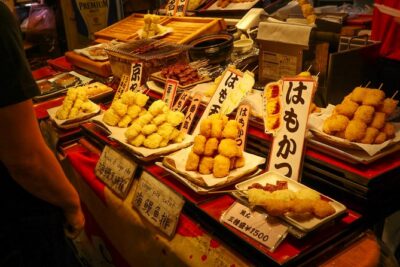 ★ 5.0Nishiki Market Brunch Walking Tour (7 Tastings + Brunch)From $681,355 reviews
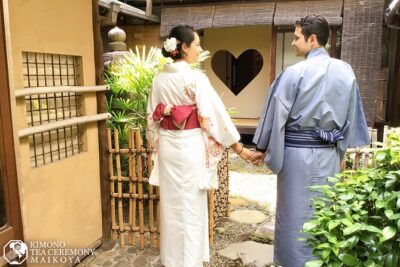 ★ 5.0Kimono Tea Ceremony at Kyoto Maikoya, NISHIKIFrom $65911 reviews
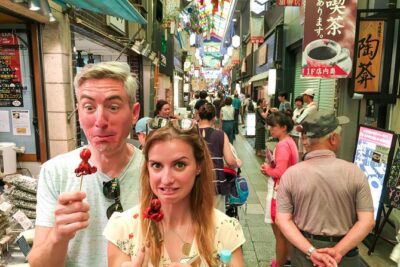 ★ 5.0Kyoto Nishiki Market Food and Culture Walking TourFrom $80412 reviews
 ★ 4.8Nishiki Market Tea Ceremony with Koto PerformanceFrom $56294 reviews
 ★ 4.8Nishiki Market Brunch Walking Tour-7 Tastings+BrunchFrom $66197 reviews
 ★ 4.7Local Food Tasting Tour at the Nishiki MarketFrom $78135 reviews
 ★ 4.7Nishiki Market and Depachika Food Tour with a LocalFrom $4276 reviews
 ★ 4.5Nishiki Market Tour with a Local Foodie & TastingsFrom $6767 reviews
Browse the lists this tour appears in