
Reviewed · KINKAKU-JI & GOLDEN PAVILION TOURS
Kyoto Arashiyama & Golden Pavilion One-Day Walking Tour
Arashiyama and the Golden Pavilion in one smart day. This tour links wild monkeys and bamboo with Kinkaku-ji, so you hit Kyoto icons without wasting time figuring out routes. You’ll also spend part of the morning on a slightly steep path up toward the Monkey Park viewpoint, so come prepared for a bit of uphill walking.
What I really like is the private-group attention. Guides come with strong English and a friendly, professional style, including standout experiences like Barbara guiding groups with a wide age range from 17 to 70, while keeping everyone engaged.
There’s one catch to plan around: expect steady walking and a short climb to Monkey Park Iwatayama. If you know you prefer flatter days, this might feel like a lot, but with good shoes it becomes very manageable.
Key Highlights You’ll Actually Notice
- Private tour feel with your own group, not a packed cattle train
- Arashiyama in a smart order, starting with Monkey Park then moving through bridge, parks, and bamboo
- Tenryu-ji details like its 1339 origin and UNESCO World Cultural Heritage status
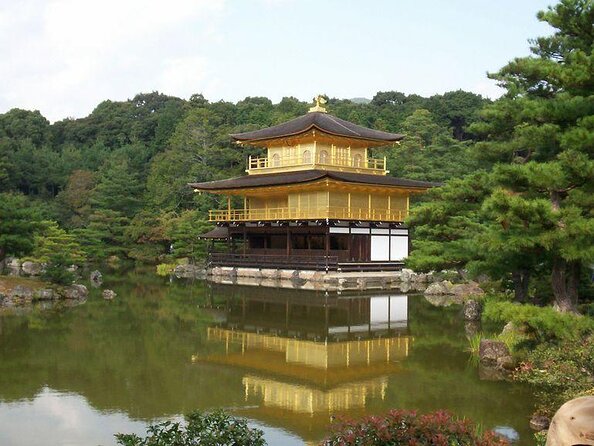
- Kinkaku-ji Golden Pavilion in one focused block, around 50 minutes to see it and capture the signature reflections
- Guides that handle mixed ages well, with clear explanations and a calm pace
A One-Day Kyoto Route That Keeps You Moving (Without Losing Your Mind)
Kyoto can be a maze, especially on a day trip where you have limited time. This plan starts at Kyoto Station Building 901 at 8:00 am, then brings you back to the same meeting point at the end of the day. With a guide steering the timing, you spend less effort “figuring it out” and more time actually looking at what you came for.
The day is built around two big mood shifts. First you get the quieter, nature-heavy side of western Kyoto in Arashiyama, with monkeys, rivers, and bamboo. Then you switch into one of the city’s most famous visual stops, Kinkaku-ji, the Golden Pavilion, where the crowds usually expect you to stand still and stare at perfection.
It’s also a solid choice if you’re visiting Kyoto for the first time and want the highlights without feeling rushed by your own navigation. Your guide handles the walking logic, and you follow the route at a pace that works for a wide group mix, including families and multi-generational trips.
You can also read our reviews of more walking tours in Kyoto
Price and Value: What You Pay, What You Still Need to Budget
The tour price is $128.35 per person and it’s commonly booked about 23 days in advance. What you’re paying for is the guide fare, plus the structure that keeps your day efficient, including group discounts and a mobile ticket.
Then there are add-ons. Admission fees run ¥2,100 per person and public transportation is listed as ¥1,200 per person, and food and drink isn’t included. That means the total day cost isn’t just the tour price, but the way this tour is designed still makes it feel like value.
Here’s the practical way to think about it. If you try to DIY this route on your own, you’ll spend your time on three different tasks: buying tickets, planning transit, and figuring out where to stand for the best views at each stop. Paying for a guide doesn’t just add convenience, it buys you less stress and better timing. With stops like Monkey Park and the bamboo areas, that matters.
If you already know Kyoto deeply and love planning everything yourself, you might be able to do it cheaper. But if your priority is a smooth one-day loop that hits the top targets, this price level tends to make sense.
Arashiyama Morning: Monkey Park Iwatayama and Togetsukyo Bridge
Your day begins in Arashiyama, which is exactly where you want to start if you want that western Kyoto atmosphere without racing the clock later. The first major stop is Monkey Park Iwatayama.
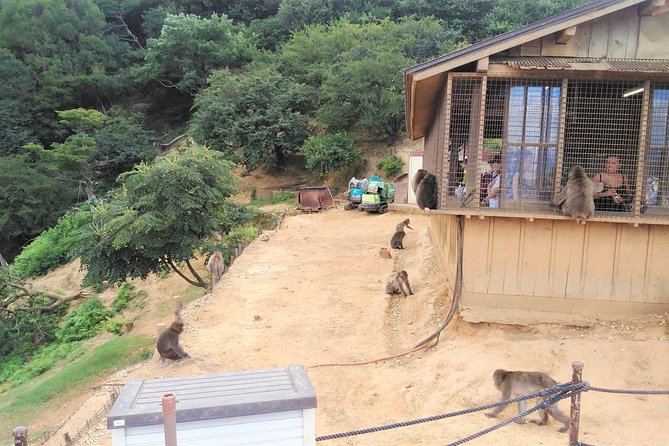
Monkey Park Iwatayama: wild macaques and a little climb
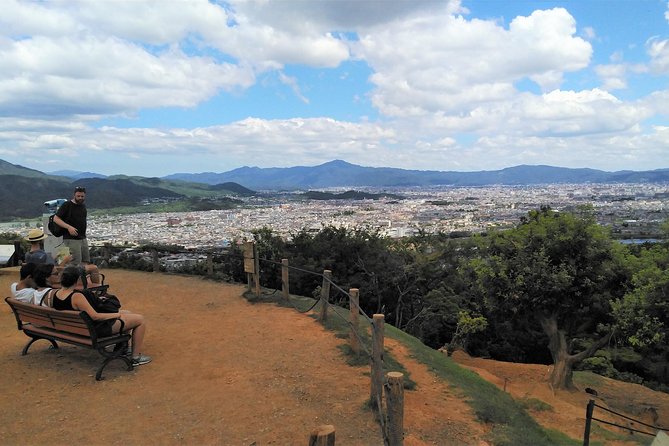
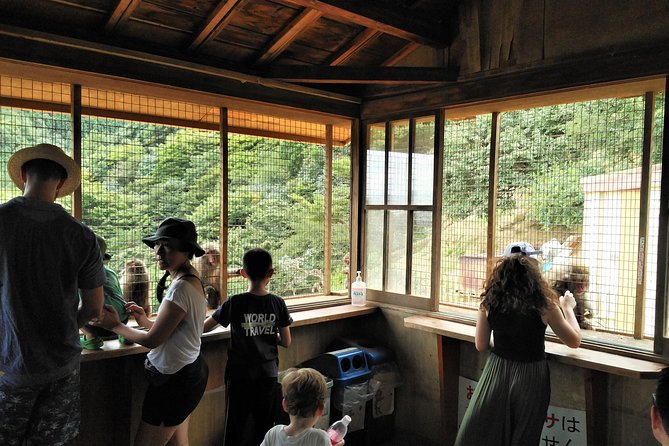
This stop involves a 15-minute walk from Saga Arashiyama Station, plus a slightly steep mountain path. The payoff is a viewpoint area that feels like a small wildlife world, with about 120 wild Japanese macaques. The description calls them friendly, but treat them as wild animals, not pets, and follow your guide’s instructions about distance and movement.
Even if you’re not an animal person, this is a good place to start because it forces you to slow down and look. You’ll see how the landscape fits the animals, and you’ll get that classic Arashiyama “only in Japan” moment fast.
Practical note: because this stop includes a climb, make sure you’re wearing shoes you trust on uneven paths and bringing sunscreen or a hat.
Togetsukyo Bridge: the classic Arashiyama photo moment
Next you move to Togetsukyo Bridge for about 20 minutes. This is one of Arashiyama’s most recognizable spots, and it comes with some nice context. The area was historically off-limits to most people, reserved for aristocrats who enjoyed boating and scenery, including moon reflections on the river.
That story matters because the bridge isn’t just a backdrop. It helps you frame what you’re seeing as part of a long tradition of watching nature and water together. If you want a quick win for photos, this is where you can get it.
Kameyama Park Viewpoints and the Bamboo Forest Walk
After the bridge, you’ll cross over to the calmer green spaces around Kameyama Park. Then you’ll move into the famous Bamboo Forest Street.
Kameyama Park: viewpoints over cliffs and river valleys
Kameyama Park runs about 30 minutes and it’s free. It’s known for its nature and for the observatory views across steep cliffs and the river below. Even if you only catch the highlights, this stop balances the morning’s wildlife energy.
This is a good break point. You can pause, take photos without constantly looking for monkeys, and feel the valley scale. If your legs are starting to complain after the earlier walk, this is where the day gives you an easier pace.
Bamboo Forest Street: serenity you can hear
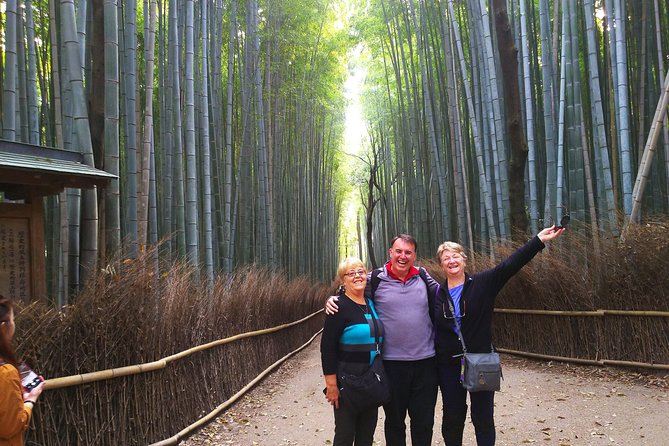
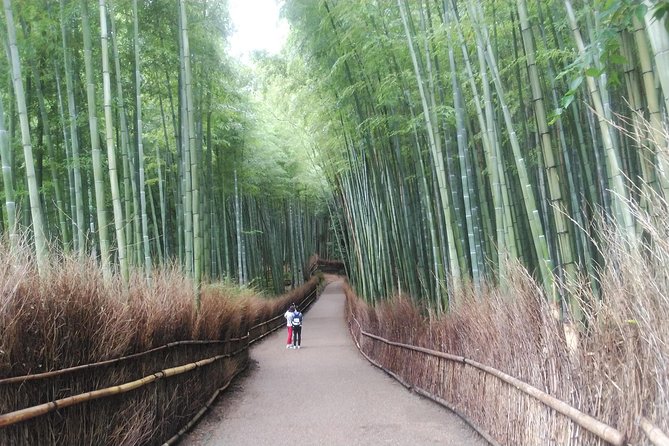
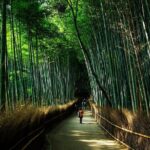
Then comes the Bamboo Forest Street walk for about 20 minutes. This is one of Kyoto’s signature sensory experiences: sky-high green bamboo poles, rustling as the wind moves through them, and that soft, quiet rhythm that makes it feel like a scene from another time.
It’s famous for a reason, but the difference with a guided approach is you can focus on what matters instead of drifting around. If you’ve ever entered a bamboo grove and immediately wondered where to look, having a plan helps.
Tenryu-ji Temple: UNESCO grounds with a story behind it
Your next stop is Tenryu-ji Temple for about 30 minutes. This one isn’t free, with admission noted as not included in the tour price.
Tenryu-ji is a UNESCO World Cultural Heritage site, and the background is specific: it was built by the shogun in 1339 to appease the spirit of the late Emperor. That kind of detail changes how you experience a temple. You stop treating it like a photo stop and start treating it like a place with purpose.
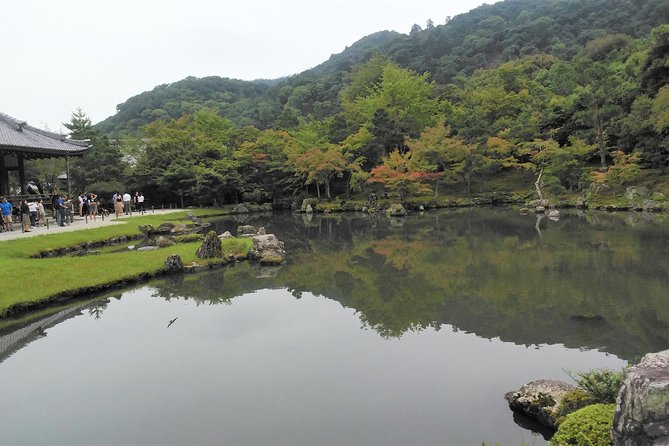
The gardens are described as among the most famous Japanese gardens. Even if you don’t consider yourself a garden expert, you’ll still notice how the view is composed and how you’re meant to walk or pause to take in different angles.
Possible drawback? Tenryu-ji is a shorter stop by design, which means you won’t have hours to wander. But for a one-day tour, it’s a smart choice, because it gives you cultural depth before you hit the main event of the afternoon.
Kinkaku-ji Golden Pavilion: how to make 50 minutes count
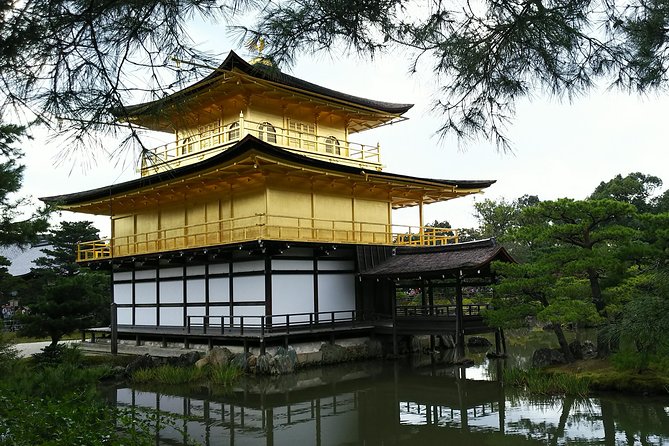
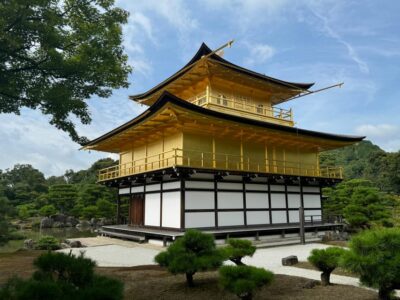
The afternoon anchor is Kinkaku-ji Temple, the Golden Pavilion, with about 50 minutes on site. Admission is not included, and the pavilion is described as one of Kyoto’s leading attractions.
This stop is famous for its reflection, and that’s part of what makes it worth waiting for the right angle. Even if you’ve seen pictures before, the water and the structure work together in person. Your guide can help you position for the best views without you spending time guessing.
There’s also a fun pop-culture trivia note: some people recognize that the Kinkaku-ji admission ticket appears in a scene in the movie Bohemian Rhapsody. It’s not why you’re there, but it’s a nice hook if you like connecting your travel with things you’ve already watched.
The main practical consideration is time management. Fifty minutes is enough for the key views and photos, but not enough for “I’ll wander until I feel done.” If you care about photos, think about what you want first, then enjoy the details second. A guide helps you balance both.
Why the Guide Matters More Than You Think
In a tour like this, the biggest difference isn’t just the sights. It’s how the day flows between them.
Reviews from past groups highlight guides with excellent English and a style that’s both informative and friendly, with a professional vibe. One named example is Barbara, praised for delivering historical and cultural highlights clearly and keeping the experience fun. Another note was that the guide’s personality clicked with the group, turning the day into something lighter than a strict lecture.
That matters because Arashiyama and Kinkaku-ji can be visually overwhelming. A good guide helps you know what to look for:
- the story behind a temple rather than just the architecture
- how the valley views connect to the river geography
- why the bamboo walk feels different when you understand it as a designed space for calm
Also, a private-group format helps with pacing. When you have people ranging from teens to older adults, you want someone who can keep the day moving without leaving anyone behind.
Getting Ready: Walking Level, What to Wear, and Small Comfort Wins
This is a moderate physical fitness tour, and the morning includes that slightly steep mountain path on the way to Monkey Park Iwatayama. You should treat it like a full sightseeing day, not a casual stroll.
I strongly recommend:
- wear supportive shoes, since the route includes walking and changes in elevation
- bring sun protection, since Kyoto days can get bright
- carry water, especially if you get thirsty during the bamboo and park segments
If you’re bringing a stroller, keep in mind it’s listed as not stroller accessible. On the plus side, the tour is described as accessible for limited eye sight and limited mobility, and it’s near public transportation, which can reduce stress if you need easier logistics elsewhere in the city.
And yes, animals or pets are allowed. If that applies to your situation, it’s a helpful detail.
Who Should Book This One-Day Arashiyama and Golden Pavilion Tour?
This is a smart fit if you:
- are visiting Kyoto for the first time and want a guided route to top hits
- want to see both Arashiyama nature sights and Kinkaku-ji in one day
- prefer planning-light travel, where someone else handles the route and timing
- are traveling with mixed ages and want a guide who can keep the group together
It might not be the best fit if you:
- dislike walking or don’t want any climbs at all
- want a slow, deep temple day where you linger for hours in one garden
- are trying to keep costs ultra-low and don’t want the add-on admissions and transit fees
Should You Book It? My Practical Take
If you want a one-day Kyoto sampler that actually hits the recognizable icons, I think this tour is worth considering. The pacing makes sense for a 7 hours 30 minutes day: Arashiyama first for the wildlife and bamboo mood, then Tenryu-ji for cultural context, and finally Kinkaku-ji as the afternoon centerpiece.
The value comes from the combination of route guidance and time discipline, not from making the sites feel faster than they deserve. Just plan for the reality that you will pay extra for admission and transit, and you will walk, including that slightly steep Monkey Park climb.
If you match those priorities, book it and show up with good shoes. This is the kind of day that leaves you with real Kyoto memories, not just a list of stops.
FAQ
How long is the Kyoto Arashiyama and Golden Pavilion one-day walking tour?
The tour lasts about 7 hours 30 minutes.
Where is the meeting point, and what time does the tour start?
You meet at Kyoto Station Building 901 (901 Higashishiokōjichō, Shimogyo Ward, Kyoto). The start time is 8:00 am, and the tour ends back at the meeting point.
What is included in the tour price?
The tour includes guide fare. It also offers features like group discounts and a mobile ticket.
What fees are not included in the price?
Admission fees are ¥2,100 per person, food and drink are not included, and public transportation fare is ¥1,200 per person.
Is Monkey Park Iwatayama difficult to reach?
Yes, it involves a 15-minute walk plus a slightly steep mountain path. The tour is listed as requiring moderate physical fitness.
What happens if the weather is poor or I need to cancel?
The experience requires good weather. If it is canceled due to poor weather, you will be offered a different date or a full refund. You can cancel for a full refund if you cancel at least 24 hours in advance.
More Walking Tours in Kyoto
More Tours in Kyoto
More Tour Reviews in Kyoto
Not for you? Here's more nearby things to do in Kyoto we have reviewed
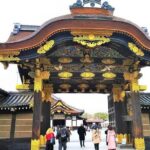
Kinkaku-ji & Golden Pavilion Tours, compared.
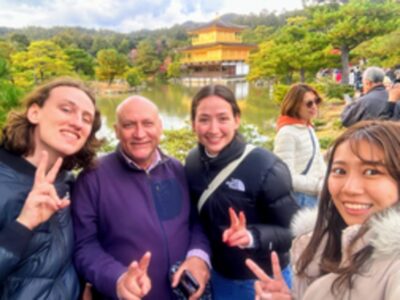 ★ 4.8Fushimi Inari, Kinkakuji, Bamboo Grove 1 Day Bus TourFrom $1224,316 reviews
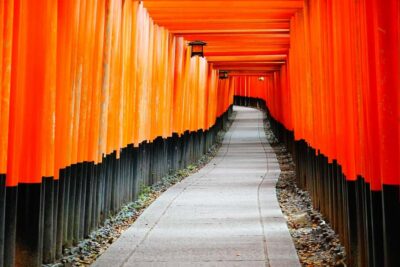 ★ 4.1Osaka/Kyoto:Kinkakuji,Arashiyama,FushimiInariShrine,NaraParkFrom $661,596 reviews
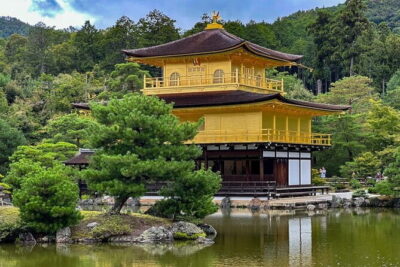 ★ 5.0Nijo, Kinkaku-ji, Arashiyama, Kiyomizu & Fushimi InariFrom $51699 reviews
 ★ 4.4Kyoto/Osaka: Kinkakuji, Bamboo Forest, and Nara Deer ParkFrom $69265 reviews
 ★ 4.9Best of Kyoto: Ginkakuji & Path of Philosophy E-Bike TourFrom $6979 reviews
 ★ 4.7Kinkakuji, Golden Pavilion Guided TourFrom $6471 reviews
 ★ 5.0Kyoto top must-see Golden pavilion and Bamboo forest half-day Private tourFrom $12252 reviews
 ★ 5.0Kyoto Bamboo Forest & Golden Pavilion E-Bike TourFrom $9950 reviews
Browse the lists this tour appears in