
Reviewed · FULL-DAY
Kyoto: Customizable Full-Day Tour with Privarte Transfers
Kyoto can be a lot easier with a driver doing the hard part. This full-day, private tour lets you set your own rhythm, then hop between top temples, markets, and classic neighborhoods without shared-tour stress. You also get the kind of flexibility that helps Kyoto feel like your trip, not a schedule.
I especially like the hotel pickup and drop-off with flexible timing. It cuts down the pre-trip chaos, and it means you can actually plan a day that fits your energy level. I also like the option to add a guide, because the right person can turn familiar sights into clear, local context.
One drawback to keep in mind is that the driver only speaks basic English. If you want deeper explanations, smoother communication, or tighter coordination, the guide upgrade is the safer choice, especially if you are relying on the tour for direction and timing.
Key things to know before you go
- True customization: You liaise after booking to shape the day around your priorities.
- Hotel-first convenience: Pickup happens at your Kyoto accommodation at a flexible time, with the driver contacting you the day before.
- Private car, not a group bus: You avoid shared-tour pacing and can slow down when a street feels worth it.
- Driver language limits: Basic English from the driver, so consider the guide option for smoother storytelling.
- A sensible 10-hour flow: The plan typically mixes major sights with market time and a classic shrine visit.
Private Kyoto car, hotel pickup, and a day you can control
This is the kind of Kyoto tour that makes sense if you hate two things: figuring out transit on your own, and being pushed along by a group. With this setup, you have a private vehicle and professional driver, so you spend your day looking, not navigating. You also get hotel pickup and a convenient return, which is huge in Kyoto where the logistics can eat your time fast.
What makes it especially useful is the customization. After you book, you work with the provider to build your itinerary. That means you can lean into temples and shrine walks, swap in neighborhoods for photography time, or protect downtime when your feet start bargaining.
One more practical point: the driver contacts you the day before to arrange pickup at your accommodation, and you just provide your pickup address. That removes the usual last-minute guessing game.
More Kyoto temple visits, food tours, tea experiences, and day trips to compare


How the day usually flows, and where you can adjust it
The tour runs for 10 hours, and the plan commonly uses around two hours per main stop. That is a sweet spot in Kyoto: enough time to see what you came for, plus space to wander a little instead of just checking boxes.
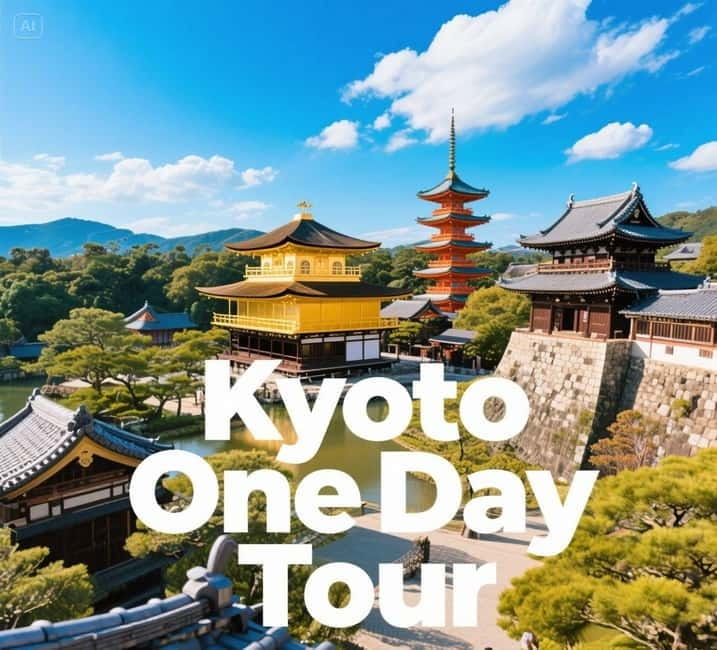
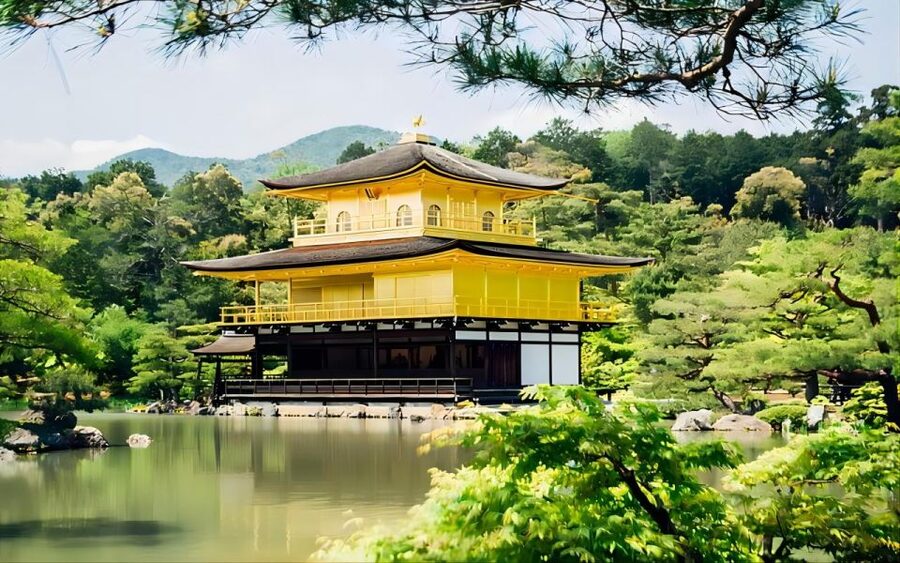
A typical structure looks like this: start in Arashiyama, move to Kinkaku-ji, add time for Nishiki Market, and then finish with Fushimi Inari Taisha. That sequence also helps because it groups big attractions into a manageable loop, instead of zigzagging constantly across the city.
But the real win is that you can adjust. If you want more street time than temple time, you can. If you want the shrine walk to be your main event, you can protect that block. If you want a market stop but plan to eat on your own, you can keep that stop flexible.
Practical note: because entry tickets and food are not included, you may want to decide early what you will pay for and what you will skip. When your day is well planned, you are less likely to run short on time at the exact moment you want to linger.
Arashiyama time: walking gets you the real feeling
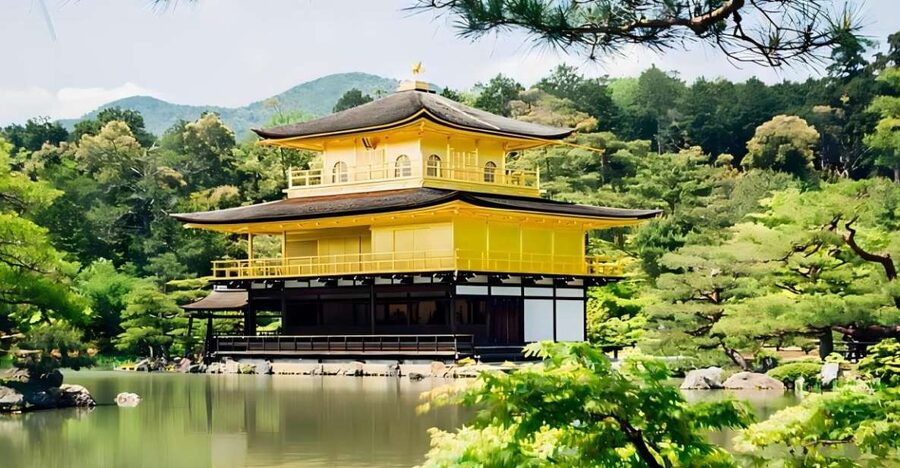
Arashiyama is built for walking, and this tour gives you about two hours there. That means you can do a relaxed circuit and still have enough momentum to enjoy the neighborhood rather than rushing through it like a transfer.
I like stops like this because Kyoto rewards slow movement. Even if your checklist includes famous sites, the best moments often come from the side streets, small views, and the simple act of wandering with a clear plan for return time.
The only catch is weather and energy. Two hours can feel perfect in mild conditions, but if it is hot, rainy, or crowded when you arrive, you may want to shorten your walk and spend more time resting or finding a quieter angle for photos.
Kinkaku-ji: the temple block that benefits from pacing
Next up is Kinkaku-ji, typically another two-hour stop. A temple visit like this is exactly where a private day beats a rushed group tour. You can move at your pace, take breaks when needed, and avoid feeling like you must sprint to beat the crowd.
Because the tour is customizable, you can also decide what kind of experience you want from this stop. Do you want a straightforward walk and photos, or do you want extra time for slow observation and atmosphere? If you opt for the guide upgrade, you gain the chance to understand what you are looking at without having to hunt down details on your phone.
Here is the practical thought: temple visits can be tiring. If you already planned extra walks later, consider using this stop for a calmer, steady pace rather than trying to squeeze in everything at once.
Nishiki Market: two hours that work for snacks and people-watching
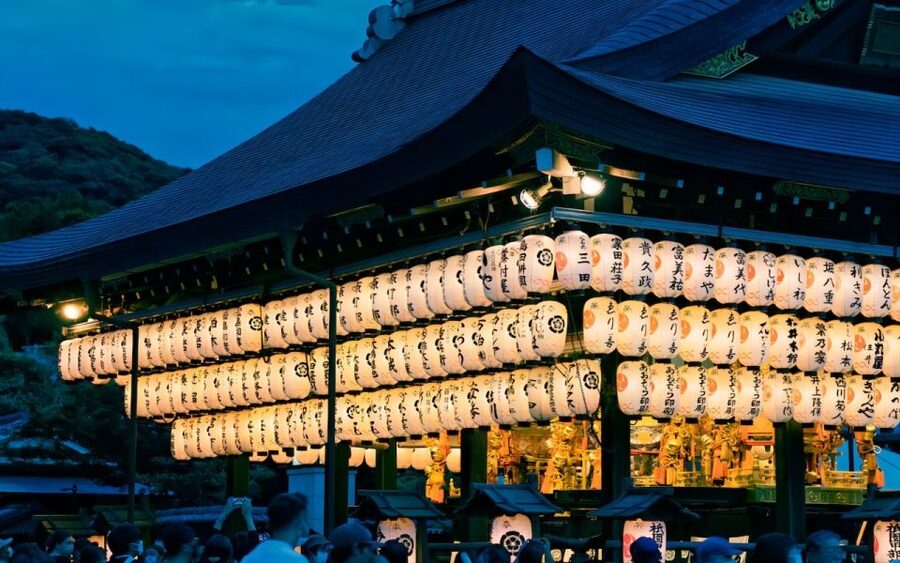
Then you get Nishiki Market, with guided time plus free time, usually around two hours total. This is the stop that often changes the tone of the day. After temple and shrine scenery, a market gives you variety: quick tastes, small purchases, and the kind of street energy that makes Kyoto feel lived-in.
I also like markets on a private itinerary because you can choose your style. If you want to browse, you browse. If you want to snack and move on, you can do that too. Food and drinks are not included, so you control what you spend.
If you add a guide, the guided portion can help you avoid wasting time on things that do not match your interests. Even if you are just curious, having someone point you toward what is worth your attention saves energy.
My only caution here is timing. Markets get busy, and it helps to keep your shopping list simple so you do not lose the rest of your day while searching for the perfect souvenir.
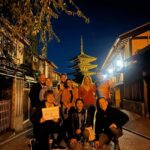
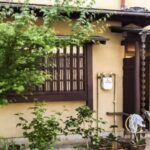
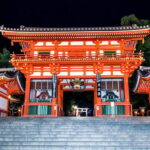

Fushimi Inari Taisha: the torii walk that rewards good timing
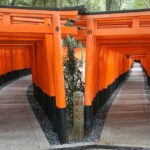
The tour ends with Fushimi Inari Taisha, typically about two hours. This is where the experience gets very Kyoto. The plan includes the chance to make a blessing and pray for good luck, then move through the grounds to see the vermilion torii gate.
Even with a driver and optional guide, this is the part you should treat like an actual walk. Take comfortable shoes, keep your pace steady, and give yourself room to pause for photos. If you are the type who likes to stop whenever something looks interesting, two hours is enough for that without feeling like you are sprinting.
What I like about finishing with this stop is that it feels like a payoff. The day builds toward something iconic, and your energy has usually settled into the right mode by then. If you want the shrine to be the highlight, consider reducing time at earlier stops rather than trying to power through everything.
Other Kyoto favorites you can swap in: Kiyomizu-dera, Gion, and more
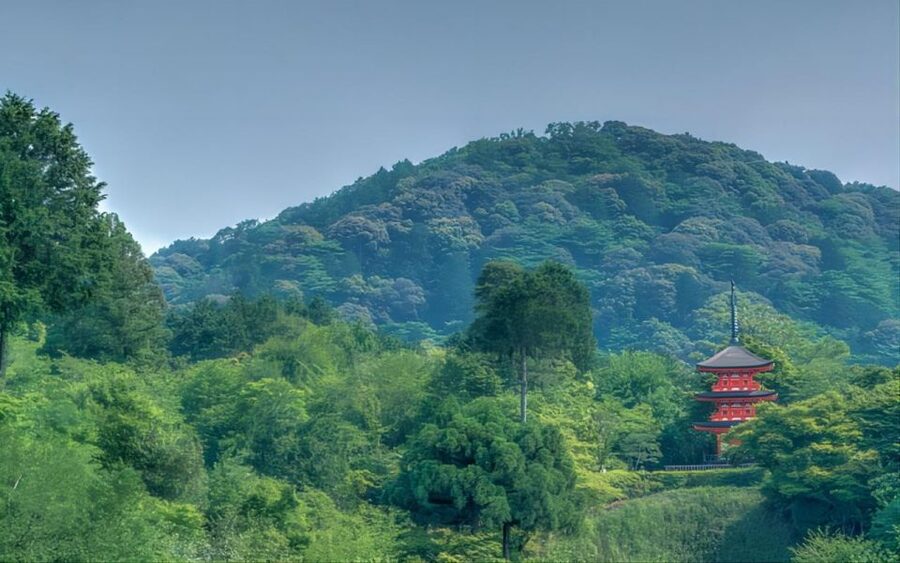
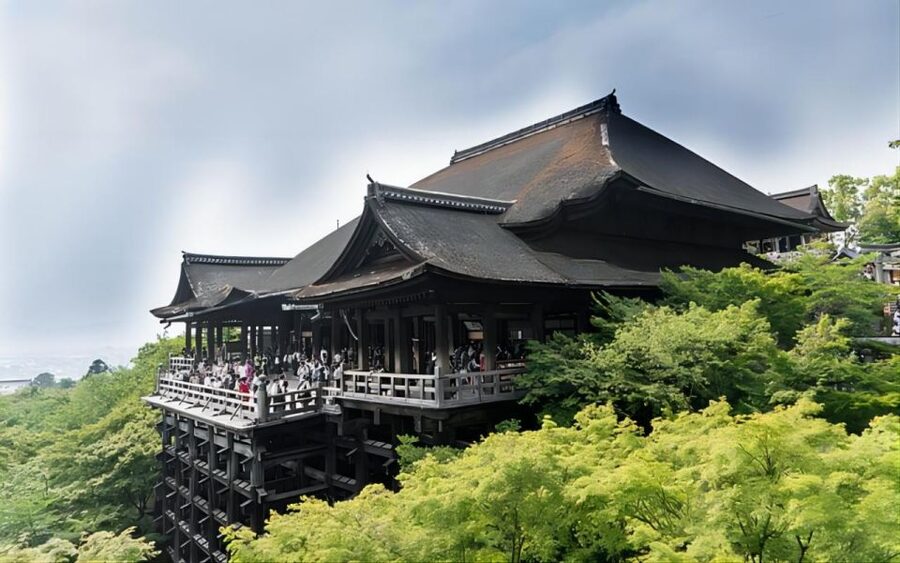
Because your itinerary is customizable, you can include a wider range of classic areas, not just the core loop. Depending on what you choose, your day could feature:
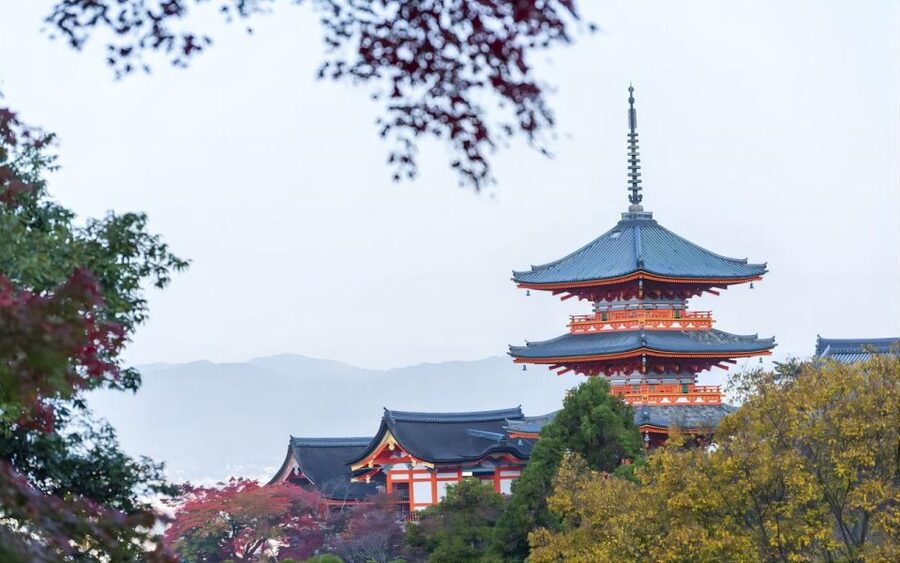
- Kiyomizu-dera
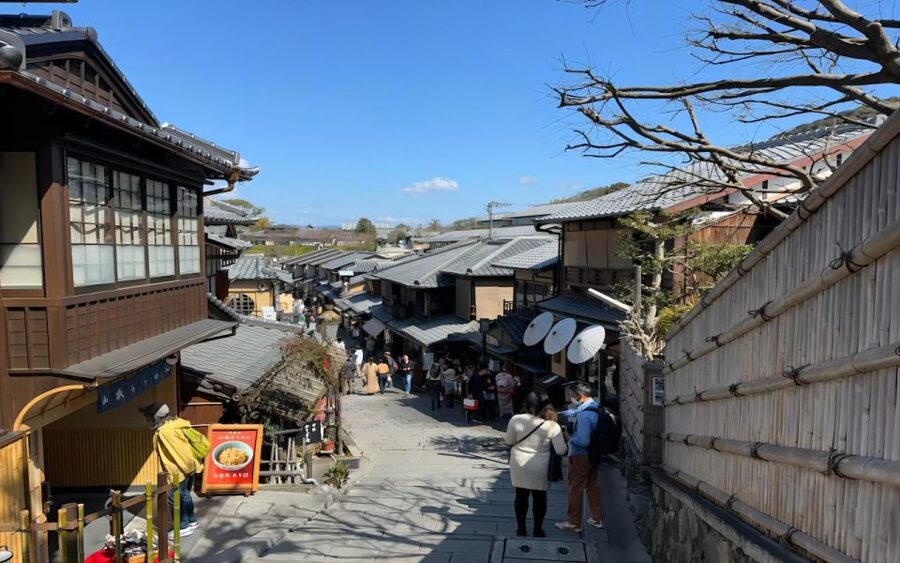
- Ninenzaka and Sannenzaka (for traditional street atmosphere)
- Kodai-ji Temple
- Yasaka Shrine
- Gion and nearby walking streets
- Hanami-koji for a kimono-style stroll experience
This is where you should be honest with yourself. Kyoto can fit a dozen dream stops, but your day is only 10 hours. If you choose temples plus hills plus markets plus long street walking, your feet may take over the planning.
A good strategy is to pick a “main theme” for each segment. For example, temples and views for the morning, markets for a sensory break, then historic streets and shrine atmosphere for the afternoon. If you do that, the day feels intentional instead of overcrowded.
Also, if kimono-style strolling is on your list, think about how long you want to spend. It can turn into a time sink if you are not careful, so decide how it fits your overall pace.
Driver basics, guide upgrades, and the quality check that matters
Here is the key logistics truth: the driver speaks only basic English. That is fine for driving, pickup coordination, and getting you between stops. But if you want stories, clear explanations, and smooth guidance during your walks, you should choose the option with a guide.
The best part of adding a guide is getting local context while you are standing right there. You can hear stories about each destination you visit, and you end up understanding what you are seeing instead of just looking at it.
I also noticed something worth considering from past experiences. Some days have been credited to drivers who were friendly and skilled at getting you to the easiest routes, like Akira and Keito. That kind of confidence helps your day feel calm.
On the other hand, there have been reports of poor coordination and lack of useful information from a guide, including trouble keeping the group together and language gaps. I cannot promise how every guide day will go, so here is how you protect yourself: when you finalize your itinerary, ask for clear timing and make sure everyone understands the meeting point rules if anyone steps away briefly. If detailed guidance is important to you, pick the guide option and treat it as part of your plan, not an afterthought.
Price and logistics: is $234 per person fair value?
At $234 per person for a 10-hour private tour, you are paying for convenience, time savings, and a no-stress itinerary. What you get included is more than just a car ride: private customizable tour, private hotel pickup and drop-off, an air-conditioned vehicle with a professional driver, parking, and a guide if you select that option.
So the value depends on how you would otherwise spend your time. If you would be bouncing around Kyoto by taxi or transit, plus trying to coordinate entry and walking routes on your own, this private structure often makes sense. If you already know Kyoto well and you are comfortable navigating, you might feel the cost more.
Also remember what is not included: entry tickets, food and drinks, and tips. Overtime fees can add up fast if you run late, and the rates differ depending on whether you have a guide. That is why planning your pace matters. If you know you tend to linger, build that in from the start.
Finally, there is an important luggage rule: luggage or large bags are not allowed. If you are arriving from another city and traveling heavy, this can affect whether the tour feels practical. Traveling light is your friend here.
Car type, group size, and comfort on Kyoto roads
Even though it is a private group, the vehicle depends on how many people are traveling. Small groups of 1 to 3 typically use a sedan. Groups of 4 to 6 use a minivan, and groups of 6 to 8 use a minibus. That matters for comfort and how you fit your day’s items into the space.
It is also good to know that the vehicle is air-conditioned and designed for day use, which can make a big difference in warmer months or after a long walking stretch.
If you are traveling as a pair or a family, this tour is a strong fit because private transport lets everyone move together. You are not waiting for a slow walker in your group or trying to keep up with someone else. It is simply you, your preferences, and the route you requested.
Logistics that can trip you up, and how to avoid it
This type of day trip is smooth when you plan the details. A few things to watch:
- You need to provide your pickup address in Kyoto so the driver can contact you and meet you correctly.
- Pickup and drop-off are included, but overtime is not. If you think you might run long, plan for it earlier rather than assuming you can stretch the day without cost.
- Driver English is basic, so rely on that for directions, but rely on the guide for cultural storytelling if that matters to you.
- The tour is not suitable for people over 95 years old, so if your group includes older travelers, confirm whether this format will work.
A small, practical tip: set expectations for bathroom breaks and walking stamina before you start moving. It is easier to adjust in advance than to scramble mid-day.
Should you book this Kyoto private car tour?
Book this tour if you want control. If you value hotel pickup, hate shared group pacing, and want to build a day that blends major sights with market and neighborhood time, this setup fits. I’d also lean toward booking with the guide upgrade if you want more than directions, especially if you prefer explanations over reading on your phone.
Skip or reconsider if you need a lot of luggage space, because large bags are not allowed. Also, if language and coordination are critical for your comfort, choose the guide option and finalize your itinerary clearly so there is less room for misunderstandings.
If you do book, make one decision early: what is your must-do moment. Then build the rest of the day around protecting that time. When you do that, this tour stops feeling like a checklist and starts feeling like a Kyoto day you actually enjoy.
FAQ
What’s included in the Kyoto customizable full-day tour?
The tour includes a private, customizable itinerary, private hotel pickup and drop-off, an air-conditioned vehicle with a professional driver, parking, and a tour guide if you select the guide option. Entry tickets, food, drinks, and tips are not included.
How does the customization work?
After booking, you liaise with the activity provider’s team to create your plan for the day. On the day, you follow the itinerary you arranged, with your driver and possibly a guide.
What sites can be included?
The plan can include stops such as Arashiyama, Kinkaku-ji, Nishiki Market, and Fushimi Inari Taisha. It may also include options like Kiyomizu-dera, Ninenzaka, Sannenzaka, Kodai-ji Temple, Yasaka Shrine, the Gion district, and Hanami-koji.
Do I get a guide, and what languages are available?
A tour guide is included only if you choose the guide upgrade option. The guide language is English and Japanese. The driver speaks only basic English.
How long is the tour?
The duration is 10 hours.
How does pickup and drop-off work?
Pickup is included at your accommodation in Kyoto at a flexible time. The driver contacts you the day before to arrange the pickup. After the day of exploration, you return to your hotel for drop-off.
What are the vehicle options based on group size?
The transportation depends on group size. Groups of 1 to 3 use a sedan, groups of 4 to 6 use a minivan, and groups of 6 to 8 use a minibus.
Are entry tickets and food included?
No. Entry tickets, food, and drinks are not included.
Is luggage allowed?
Luggage or large bags are not allowed.
What if we need more time than planned?
Overtime fees apply if you go beyond the scheduled time. The fee is listed as 42 USD per hour without a guide and 67 USD per hour with a guide.
More Full-Day in Kyoto
More Tours in Kyoto

More Tour Reviews in Kyoto
Not for you? Here's more nearby things to do in Kyoto we have reviewed




Full-Day, compared.
 ★ 5.05 Top Highlights of Kyoto Full Day Bike Tour (E-bike option)From $172511 reviews
 ★ 5.0Full Day Biking Tour Exploring the Best of KyotoFrom $119498 reviews
 ★ 5.0Full Day Guided Tour to Kyoto and Nara from Osaka by VanFrom $106420 reviews
 ★ 5.0Nara Park, Osaka & Kobe from Kyoto Full Day tourFrom $90207 reviews
 ★ 5.0Kyoto Private Car Tour – Full Day with Local Guide & Nara OptionFrom $170169 reviews
 ★ 5.0Full Day Tour of Kyoto with Private TransportationFrom $247130 reviews
 ★ 4.5Full Day Hiroshima and Miyajima Tour by Bullet Train from KyotoFrom $399120 reviews
 ★ 4.9Private Full-Day Tour by CarFrom $371109 reviews