
Reviewed · GION & GEISHA DISTRICT TOURS
Kyoto: Discover the Oldest Geisha District, Kamishichiken
Kamishichiken feels like Kyoto frozen in time. This 90-minute guided walk starts at Kitano Tenmangu Shrine and turns into a slow stroll through Kamishichiken, Kyoto’s oldest hanamachi district. You learn how the shrine shaped the area and you get to look closely at preserved streets, townhouses, and the small details most people miss.
I especially like the pairing of shrine and street. The tour doesn’t just point at pretty scenery, it helps you understand why the district formed and how local culture still shows up in everyday architecture and street layout. The guide experience matters too, and one recent booking highlighted how Akino was interactive and stayed helpful even after the tour ended.
One consideration: this walking tour is not suited for wheelchair users. You should expect a straightforward stroll with some walking and uneven surfaces.
Key things I’d highlight
- Kitano Tenmangu Shrine first: you start in front of the first grand torii and get a guided look at key worship buildings.
- Kamishichiken’s 400-meter street: a compact area where the guide helps you notice latticework and preserved townhouse fronts.
- Hanamachi context, not just photos: you learn how Kamishichiken developed and why the shrine mattered.
- Geiko and maiko-linked spots: your guide brings you to locations associated with local geiko and maiko.
- A guide who actually engages: Akino stood out for interactive explanations and extra help after the walk.
Kamishichiken in context: why Kyoto’s oldest hanamachi is worth your time
If you want Kyoto without the theme-park noise, Kamishichiken is a good place to start. It’s Kyoto’s oldest hanamachi district, which matters because hanamachi are not just “old streets.” They’re cultural neighborhoods built around the traditions of geiko and maiko, the entertainment world that has been woven into Kyoto life for generations.
What makes this tour practical is that it’s short enough to fit into a busy day, yet focused enough to make the area feel understandable. You get a guided explanation tied directly to what you see: why the district exists, how it relates to Kitano Tenmangu, and what clues to look for as you walk. You’re not just collecting selfies. You’re getting your bearings, then letting the street details do the talking.
Also, the pace is designed for a tranquil stroll. It’s the kind of outing where you can actually look at doorways, windows, and the rhythm of buildings. That sounds small, but it’s the difference between passing through and really seeing.
You can also read our reviews of more tours and experiences in Kyoto.

Starting at Kitano Tenmangu: the shrine that shaped the district
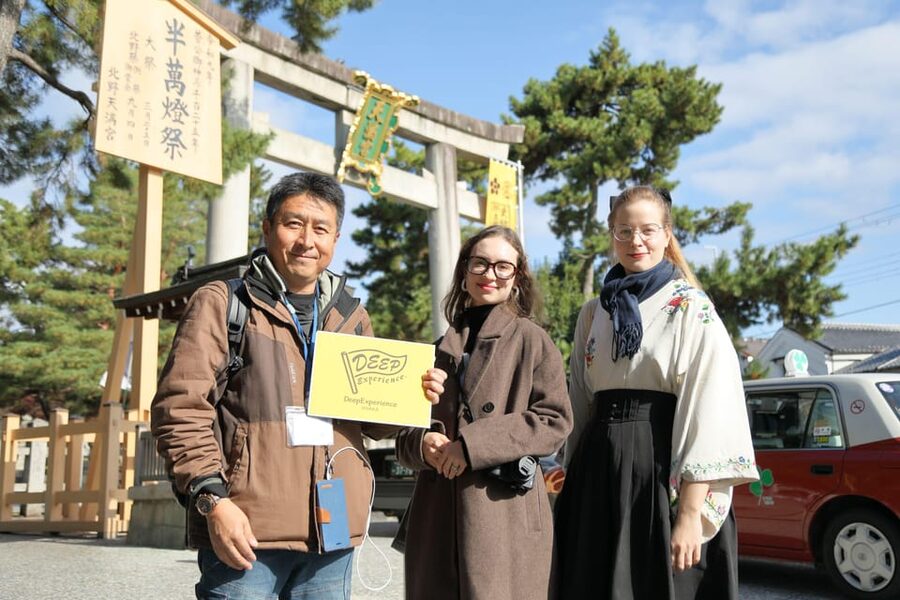
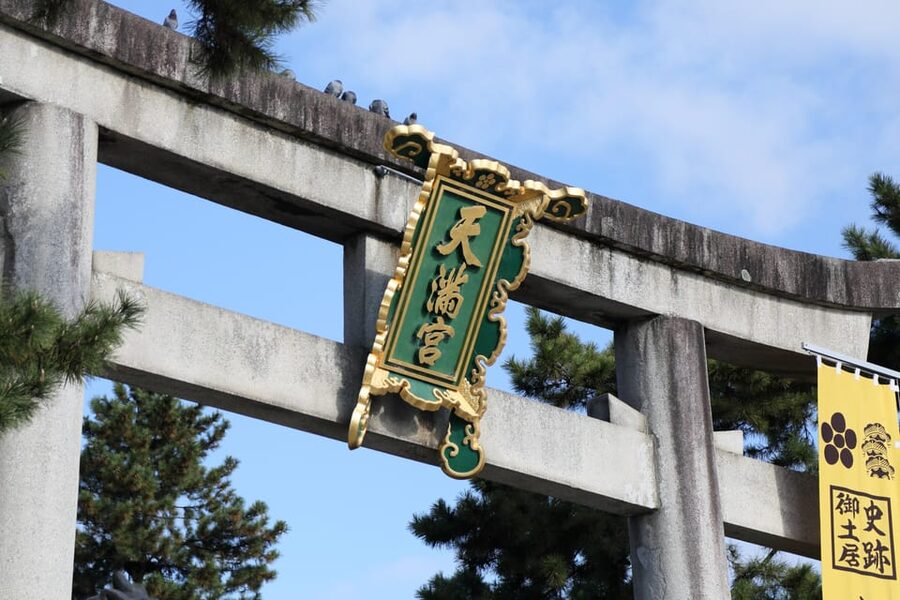
The tour begins at the first grand torii gate of Kitano Tenmangu. Your guide will be holding a yellow sign with the DeepExperience logo, so you can spot them quickly. This is a good setup. It cuts down on the usual Kyoto start-of-tour confusion, especially if you arrive a few minutes early and want to get your head in the right place.
Kitano Tenmangu is more than a stop on the way to a neighborhood. It’s described here as the guardian shrine of the area, and the tour connects that to the creation of Kamishichiken. That link is one of the most useful parts of the experience. It helps you avoid a common tourist trap, which is seeing architecture and assuming it just happened to survive.
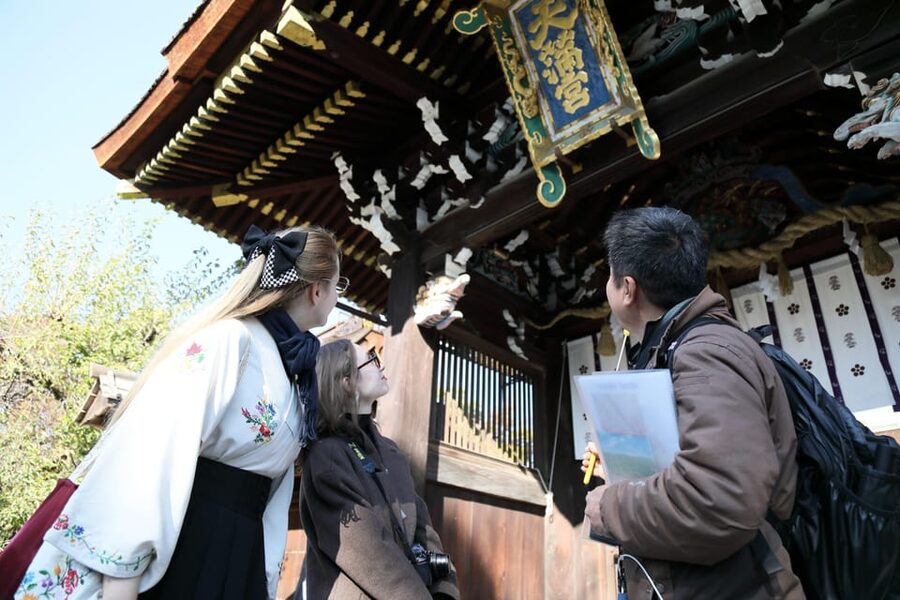
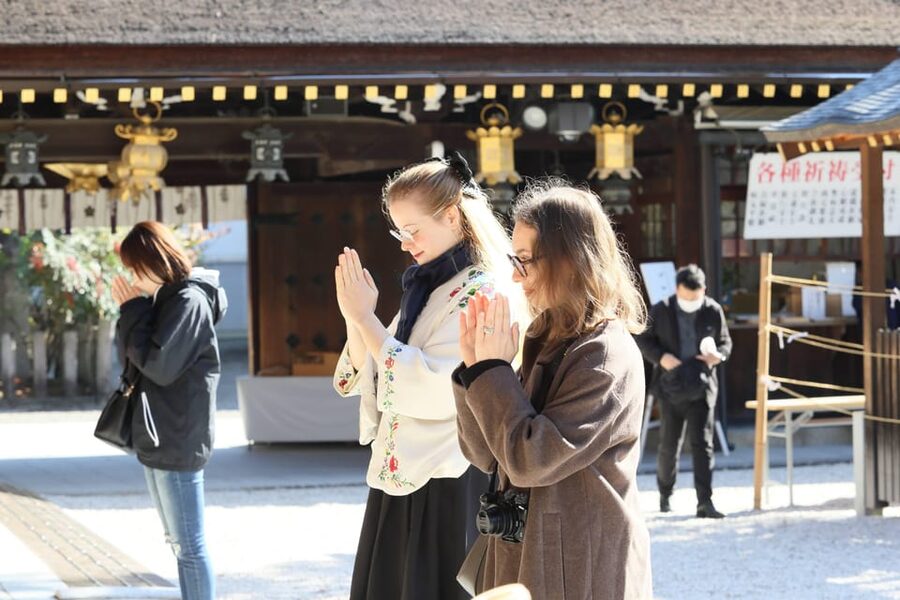
During the shrine portion, you visit with a guided format and see important cultural assets, including national treasures like the main worship hall. You’ll also get the moment of stillness that shrines often provide. You pay your respects, then you look around with your guide’s framing.
There’s also a seasonal angle. The shrine grounds can look dramatically different depending on the time of year, and the tour expects you to notice the seasonal scenery instead of rushing through it. Even if you’re not a “big shrine person,” the shrine context gives you a lens for the streets that come next.
Quick practical note: the tour includes a visit to the shrine, but the dango tasting is not guaranteed. It’s subject to store availability, so treat it as a bonus if it happens, not the core plan.
The Kamishichiken walk: 400 meters of latticework and quiet street detail
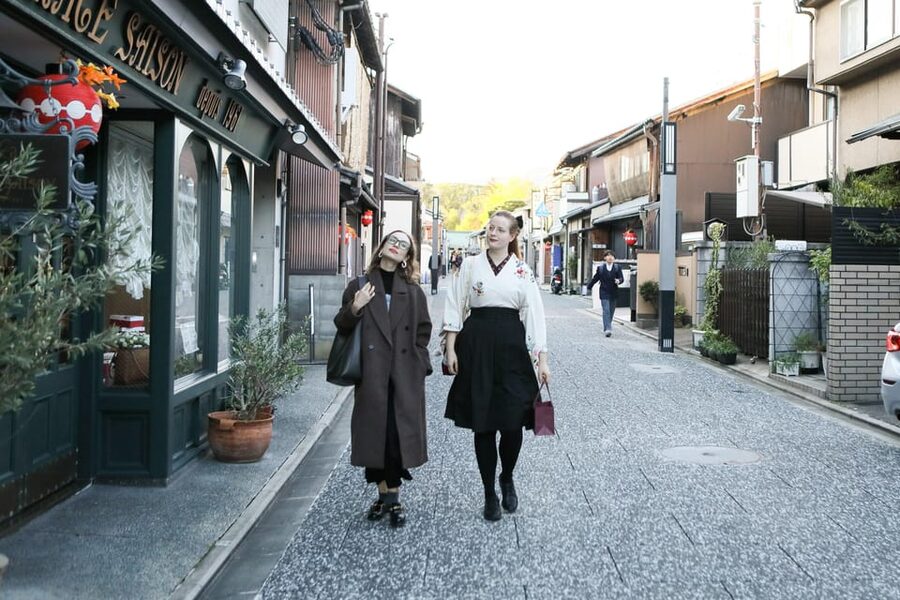
After Kitano Tenmangu, the tour shifts into the Kamishichiken neighborhood itself. This is where you’ll notice the “preserved townscape” feeling that Kyoto is famous for, but in a concentrated way. You’re walking a roughly 400-meter stretch, lined with traditional townhouses and latticework.
That 400-meter detail is important for your expectations. It means the tour stays walkable and manageable, even if you’ve been on your feet all day. You’re not signing up for a long hike or a giant route. Instead, you get a guided, close-up look at what makes this street feel like an older Kyoto.
Your guide takes you to spots associated with local geiko and maiko. In practical terms, that means you’ll see the neighborhood in relation to its role in entertainment culture, not just as a pretty alley. You learn how to connect what you’re seeing, like townhouse layout and preserved streetscape, to why the district has a distinct identity.
One of the best parts of this kind of guided street walk is the “you might have missed that” factor. A guide can point out where to look for traditional design cues, and also explain what those cues mean culturally. It helps you avoid the flat experience of wandering and guessing.
And yes, it’s a calm outing away from crowds. That matters in Kyoto. Some areas look great but feel stressful, like you’re fighting traffic of people trying to photograph the same corner. This tour is structured to give you time to look.
Geiko and maiko clues you can spot while you walk
Even if you’re not going to watch a performance, Kyoto’s hanamachi can still make sense if you know what to look for. This tour helps you do that by guiding you to places associated with local geiko and maiko.
I like the way this approach turns entertainment culture into something visible. You start noticing how the neighborhood supports that way of life. Traditional architecture is part of the story, but so is the street’s layout and how people move through the area.
A practical tip: when your guide points out a location linked to geiko or maiko, don’t just glance and move on. Take 20 seconds. Look at the frontage, the details in the latticework, and how the street frames the buildings. Those small observations are what make the neighborhood feel real instead of decorative.
Also, this kind of tour is better when you ask questions. If your English or Japanese is basic, still ask. In one booking, the guide Akino was highlighted for being interactive. That matters because a good Q&A moment can turn a “nice walk” into a “now I understand what I’m seeing” experience.
What the 90 minutes actually gives you (and what it doesn’t)
This tour is designed to be efficient. It runs about 90 minutes total, with a guided visit at Kitano Tenmangu for around 30 minutes, then guided time in Kamishichiken for around 30 minutes. The rest of the time is about getting from point to point, settling in, and walking the neighborhood at a comfortable pace.
So what does it deliver?
- Context at the shrine, then street context in Kamishichiken
- Enough time to notice architecture details on a compact street
- A guide who connects the dots between place, tradition, and everyday culture
What it doesn’t deliver is a long, deep training program on Kyoto’s entertainment history. If you’re looking for an all-day immersion or a museum-style experience, this is not that. But for a short outing that still feels meaningful, the timing works well.
Price is also tied to that “short and focused” model. At $30 per person, you’re paying for a live English or Japanese guide, plus the shrine visit and organized time. In other words, you’re not paying just for access to an area you could walk yourself. You’re paying for interpretation, and in Kyoto, interpretation is often what turns a street from scenery into understanding.


Price and value: is $30 fair for a private 90-minute tour?
Let’s talk value without getting romantic about it.
At $30 per person for about 90 minutes, this tour lands in a reasonable middle zone for Kyoto. You’re getting:
- An expert guide (live, English or Japanese)
- A structured start at Kitano Tenmangu, including the shrine visit focus
- Guided direction through Kamishichiken so you know where to look
- A private group format
The private group aspect is a big deal for value, because it reduces the “everyone gets rushed” feeling. With a private group, you can usually ask follow-up questions more easily, and the guide can adjust pace and focus.
That said, your money is best spent if you arrive ready to walk and ready to learn. If you’re only in Kyoto to do checkboxes, you may feel like the price is more than you wanted. If you like context, however, this is exactly the kind of neighborhood where guidance pays off quickly.
Best timing and what to wear for a calm Kamishichiken stroll
Because the shrine scenery is seasonal, this tour shines when the weather matches your preferences. You’ll likely enjoy it more when you can comfortably walk through a compact neighborhood and spend a little time looking at details.
What to wear:
- Comfortable shoes. The route is short, but you’ll still be walking.
- Light layers. Shrines and shaded townhouse streets can feel cooler in the morning or after rain.
- Sun protection if you’re visiting in warmer months, since a compact street can still have open sunlight between buildings.
A simple strategy: plan this around a time when you’re not rushing to get somewhere else right after. The point is calm viewing. If you stack it back-to-back with long, tiring activities, you won’t get the most out of the experience.
Who should book this Kamishichiken tour?
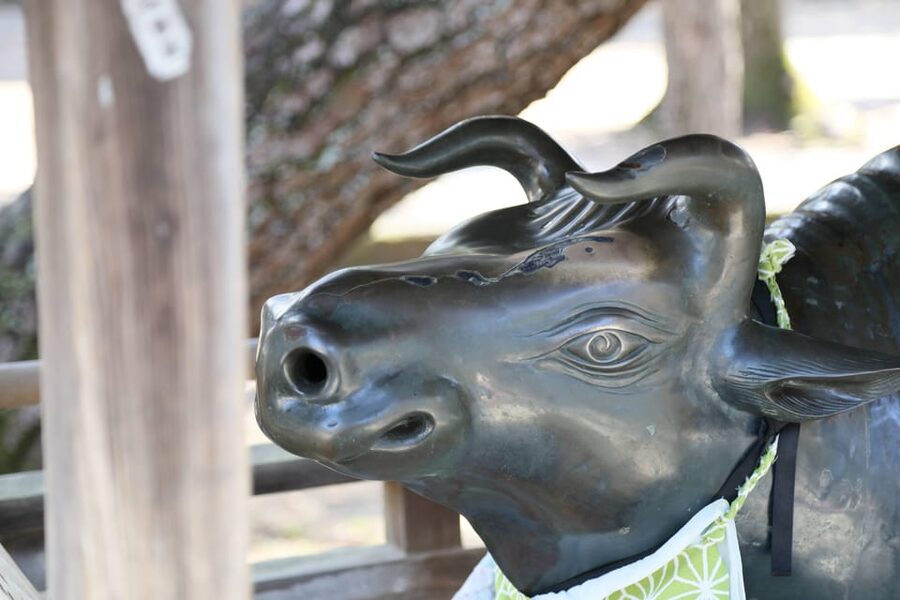
This tour is a great fit if:
- You want Kyoto’s hanamachi experience without committing to a full day
- You like guided context that explains why places developed the way they did
- You’re interested in Kyoto’s geiko and maiko culture at a neighborhood level
- You prefer a quieter street stroll away from heavier crowd flow
It may not be the best fit if:
- You need wheelchair accessibility, since it’s not suitable for wheelchair users
- You dislike guided walking tours and prefer self-guided wandering with zero structure
- You expect a long list of major sights. This is compact, focused, and street-based.
Should you book it, or keep it self-guided?
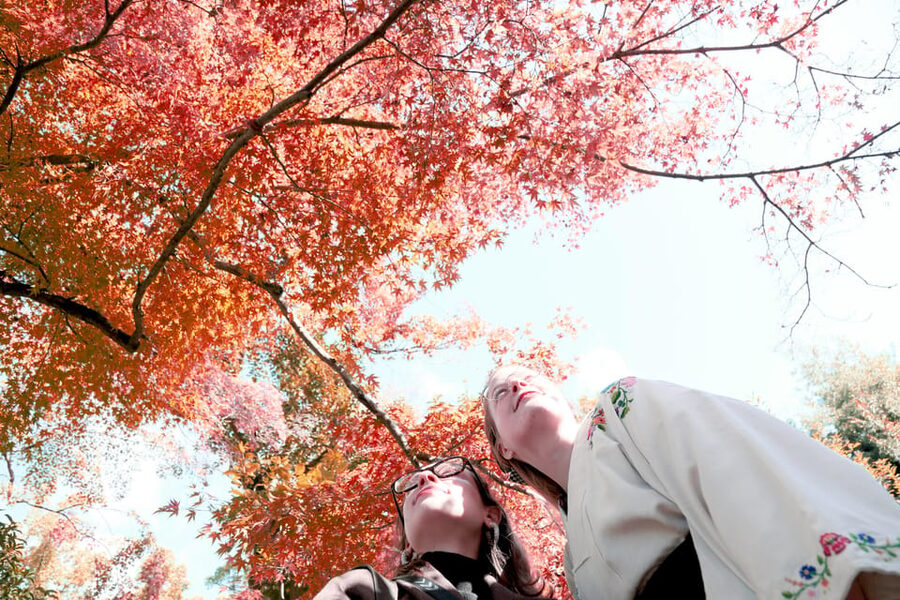
Book this tour if you want your first visit to Kamishichiken to feel understandable. Starting at Kitano Tenmangu gives you immediate cultural context. Then the guide helps you read the 400-meter street like a story, not a backdrop.
Skip it if your main goal is wandering freely and you don’t want to spend money on interpretation. Kamishichiken is walkable on your own. But if you’re the type who likes learning why a place looks the way it does, guidance makes a noticeable difference fast.
One more decision aid: if you care about guide quality, look for signs of interaction. One recent booking specifically called out Akino’s helpful, interactive style, including follow-up help after the walk. That kind of attentive guiding is exactly what you want in a short tour where every minute counts.
FAQ
Where is the meeting point for the tour?
Meet your guide in front of the first grand torii gate of Kitano Tenmangu. The guide will be holding a yellow sign with the DeepExperience logo.
What does the tour include?
The tour includes an expert guide and a visit to Kitano Tenmangu Shrine.
How long is the tour?
The tour duration is 90 minutes.
Is the tour available in English?
Yes. The live tour guide is available in English and Japanese.
Is it a private group?
Yes, the tour is a private group.
Will there be dango tasting?
Dango tasting is subject to the store’s availability, so it’s not guaranteed.
Is this tour wheelchair accessible?
No. The tour is not suitable for wheelchair users.
More Tour Reviews in Kyoto
Not for you? Here's more nearby things to do in Kyoto we have reviewed





Gion & Geisha District Tours, compared.
 ★ 4.7Kyoto Geisha Walking Tour: Gion District & Hidden GemsFrom $253,273 reviews
 ★ 4.9Gion Magical Night Walking Tour with Geisha TriviaFrom $242,393 reviews
 ★ 4.7Gion Geisha District Walking Tour – Stories of GeishaFrom $202,187 reviews
 ★ 4.9Best of Kyoto: Gion, Geisha, Pagodas & CobblestonesFrom $242,058 reviews
 ★ 4.5Night Walk in Gion: Kyoto’s Geisha DistrictFrom $212,003 reviews
 ★ 5.0Kyoto Night Foodie Tour in Gion (9+ dishes + 6 Sake tastings)From $1631,762 reviews
 ★ 5.0Kyoto Gion Geisha District Walking Tour – The Stories of GeishaFrom $251,441 reviews
 ★ 5.0Kyoto Gion: 2-Hour Geisha Culture & History Walking TourFrom $231,186 reviews
Browse the lists this tour appears in