
Reviewed · KYOTO BIKE & E-BIKE TOURS
Kyoto: Early Bird E-Bike Tour with Lunch
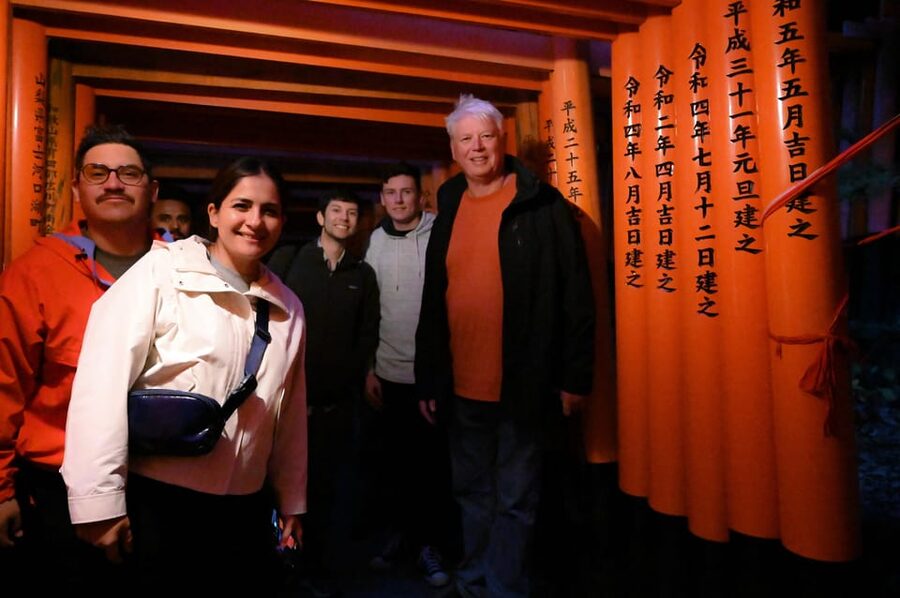
Kyoto by bike beats Kyoto by bus. This early-bird route turns a big day in south and east Kyoto into something you can actually enjoy, not just survive. I especially love the chance to arrive at Fushimi Inari Taisha early, then roll on with coffee and an easy plan instead of hunting for your next stop.
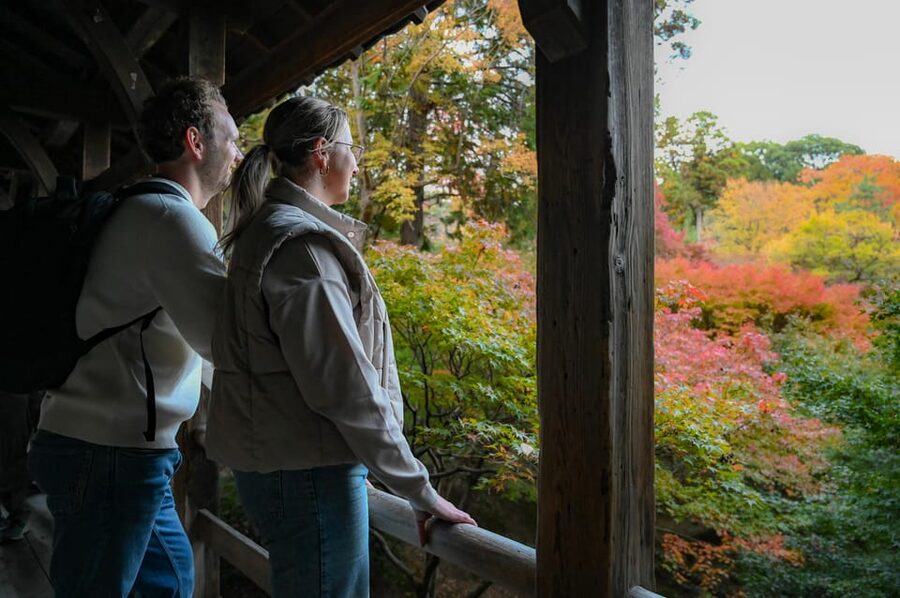
The strongest second reason I like this tour is the way it strings together UNESCO-listed sights in a steady rhythm: Ginkaku-ji and the Path of Philosophy, then Nanzenji and its famous gardens. The only real drawback is it is not for everyone, especially people who cannot ride a bike or those with back problems, and you will want proper warm layers because mornings in Kyoto can still feel cool.
Key things that make this tour worth your time
- Early access at Fushimi Inari Taisha helps you enjoy the torii gates with more breathing room.
- Morning coffee plus a sit-down lunch keeps energy stable during a full 7-hour route.
- UNESCO-listed Ginkaku-ji and the Path of Philosophy are paced for seeing, not sprinting.
- Nanzenji Temple grounds include traditional gardens, ornate buildings, and the red brick aqueduct.
- Gion and Shirakawa Canal arrive later in the morning, when the streets feel more manageable.
Why an early-bird Kyoto e-bike day just works
Kyoto is one of those cities where the highlights are clustered, but the crowds are also very real. This is why I like this style of tour: it gets you out early, then uses e-bikes to link temples and neighborhoods that would take forever by foot or constant hopping by transit. You cover a lot of ground without turning the day into an endurance test.
Another thing that feels smart is the structure. You get a morning coffee, a sit-down lunch, and guided time at the big temple stops, so you are not just biking from one gate to the next with nothing but vending-machine energy. At $135 per person for a full 7 hours with the e-bike, helmet, water, coffee, and lunch included, the value is pretty clear.
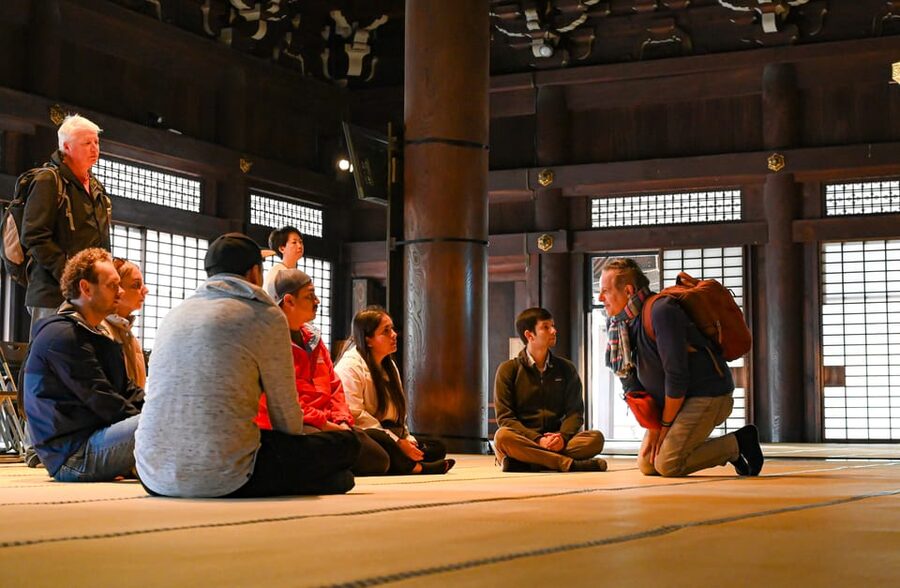
One more plus: the tour keeps you moving through both south and east Kyoto, ending near Higashi Honganji. That matters because many one-track sightseeing days miss the variety, temples plus canals plus Gion streets.
You can also read our reviews of more cycling tours in Kyoto
Cycle Kyoto, meeting point, and the 15-minute safety briefing
The day starts at Cycle Kyoto. If you are coming from JR Kyoto station, you walk past Avanti, cross the traffic lights, pass the Daily Yamazaki convenience store, and take the next left. Plan to arrive about 15 minutes early so you can get settled before you roll.
Once everyone is ready, there is a 15-minute safety briefing. This is not just a formality. It helps you understand how the group rides, where to look, and what the guide expects when you stop for photos or guided segments. Then you get on the e-bike with a helmet and start heading south right away.
This is a small-group format, limited to 8 participants, and that size is big enough to feel social but small enough that the guide can manage the pace. The tour runs in English with a live guide, and the overall tone stays practical and friendly.
Quick note on who should think twice: this is not suitable for pregnant women, people with back problems, or anyone who cannot ride a bike. Even with e-bikes doing the heavy lifting, you still need basic balance and comfort.
Fushimi Inari Taisha at sunrise-ish timing
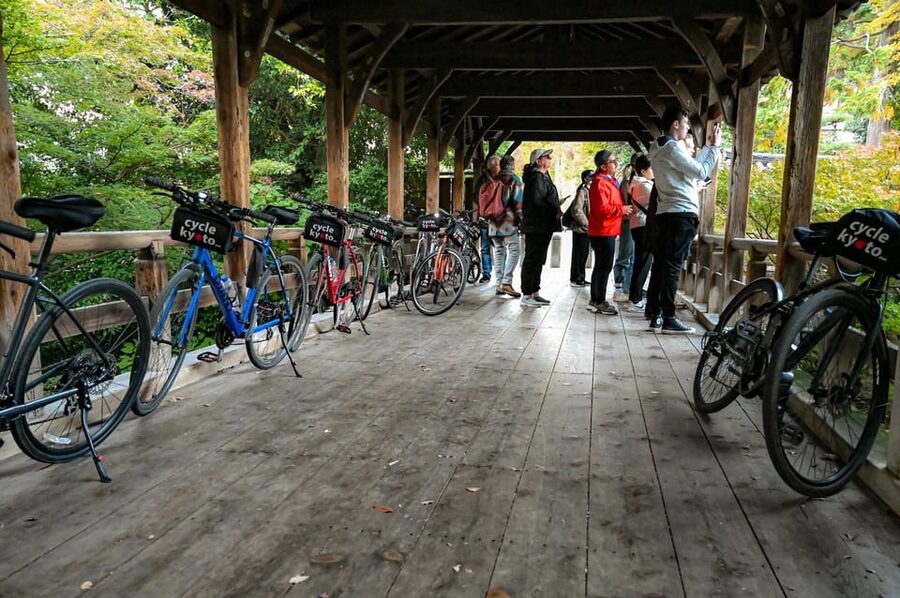
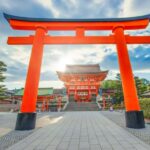
Fushimi Inari Taisha is the stop everyone recognizes, but timing is everything. You get to the iconic torii gates before the heaviest crowds, which changes the whole experience. Instead of fighting through people, you can actually look at the details and enjoy the rhythm of walking the paths.
You spend about 45 minutes here with a guided visit. The guide helps you understand what you are seeing as you move through the shrine area, and the early arrival means you are not spending your energy stuck in slow-moving lines. If you care about photos, this is when the morning light and the extra space help.
Practical consideration: even if you are on an e-bike, you still do shrine walking. Comfortable shoes matter, and if you are not a confident walker on uneven stone, you will want to take it slow.
Kamo River and the coffee break that prevents the afternoon crash
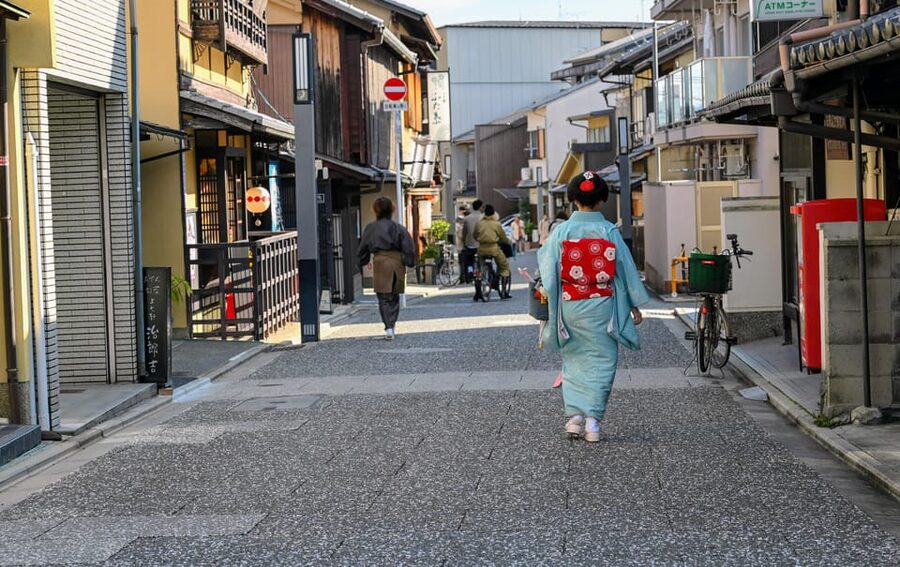
After Fushimi Inari, the route shifts toward the Kamo River area. You get around 40 minutes for a riverside visit. This is a good reset point because it breaks up the temple intensity with open air and a bit of local atmosphere.
Then you head to a local café for a 20-minute coffee break, one of the guide’s favorite places. This pause is surprisingly important. A morning full of temples can make you forget you still need fuel, so the coffee stop keeps your energy steady before you get into the UNESCO sights.
If you take tea or coffee differently than you normally would, it still works. You are not locked into a huge menu decision. The value is the timing, it is scheduled right when you need it.
Also, the tour includes water, but I still recommend you treat water like a habit, not an afterthought. Kyoto heat and humidity can surprise you, even when mornings start cool.
Ginkaku-ji and the Path of Philosophy, UNESCO sights with breathing space
Next up is Ginkaku-ji, the Silver Pavilion area. You get about 1 hour here with guided time. This is where the calm pacing really helps. The gardens and architecture details can be easy to miss if you arrive late, when everyone is rushing and the pathways feel tighter.
After Ginkaku-ji, the tour rolls slowly along the Path of Philosophy. This route is famous, and in this tour it is treated as a scenic corridor you ride and walk through, not a checklist checkbox. You end up with a short additional visit segment after Ginkaku-ji before moving on, which gives you that small window to photograph, stretch your legs, and take in the views without feeling rushed.
Why I like this pairing: it connects a major temple site with a walking philosophy trail, so your brain gets a visual and cultural rhythm. You also avoid the common problem of trying to cram Ginkaku-ji and the Path of Philosophy into one late-afternoon sprint.
More Kyoto temple visits, food tours, tea experiences, and day trips to compare
Nanzenji gardens, ornate buildings, and the red brick aqueduct
Nanzenji is one of those places that feels bigger than a quick photo stop. Here, you get around 35 minutes with guided time in the temple grounds, including traditional gardens and ornate religious buildings.
The headline feature is the red brick aqueduct, which you can spot as part of the Nanzenji landscape. It is the kind of visual contrast you remember, especially when you are moving by bike earlier and then suddenly slowing down in the stillness of the gardens.
This is a stop where pacing matters. If you rush, you miss the textures, the layout, and the way the gardens shape how you experience the space. If you take it at a steady guided pace, you get a richer sense of the place without it turning into a long, tiring hike.
And yes, you will want your camera ready. It is the kind of background that makes ordinary street photos look intentional.
Heian Shrine, then into Shirakawa Canal and Gion streets
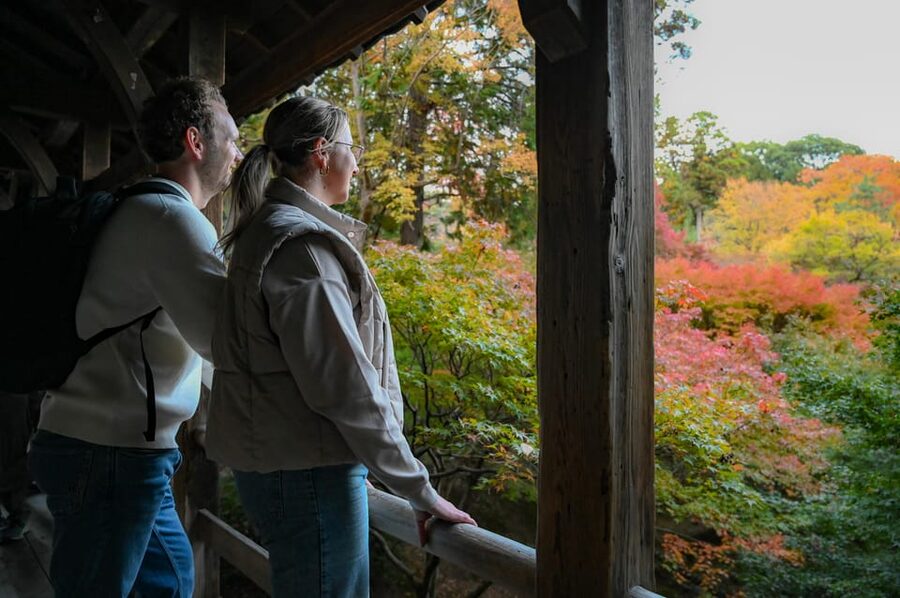
After lunch, the route heads deeper into east and south Kyoto. You get time at Heian Shrine for about 30 minutes. It is a different mood than the temple-heavy portions earlier, which helps keep the day from feeling repetitive.
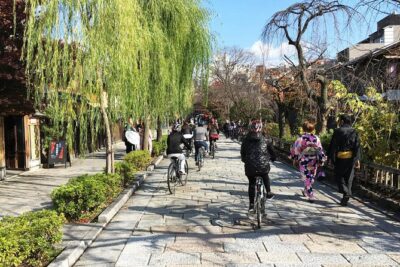
Then you ride along the Shirakawa Canal and travel through the streets of Gion. You have about 50 minutes guided in Gion, so you are not just biking past. The guide helps you notice things you might otherwise ignore, like how the streets feel at different points in the morning and what to look for as you pass key lanes.
If you have ever visited Gion later in the day, you know why the early plan matters. Even though it is still a popular area, getting there as part of the route can make the experience feel calmer, more like you are walking through real neighborhood life rather than being swept along by the day’s biggest wave.
Higashi Honganji Temple to close the loop near Cycle Kyoto
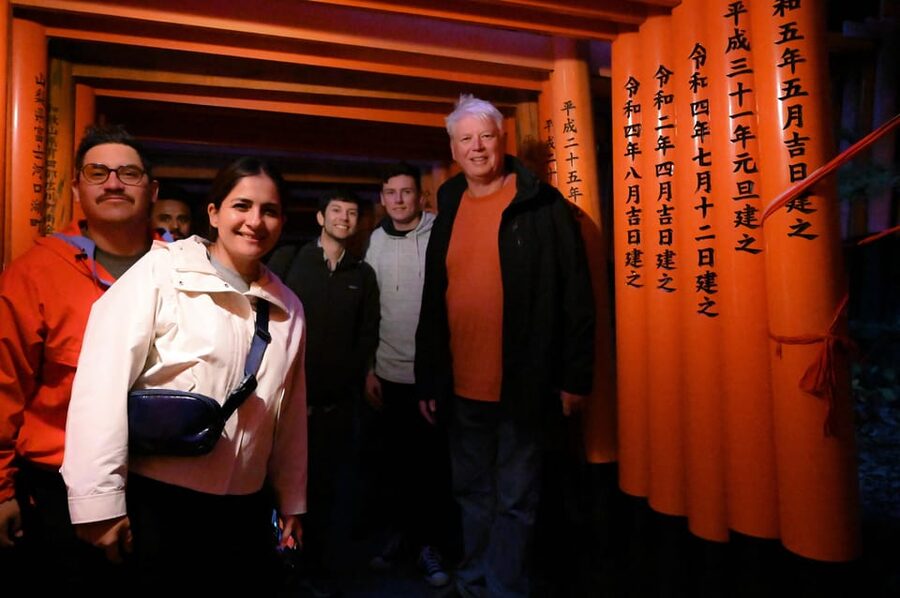
To end the day, the tour heads toward Higashi-Honganji Temple. You arrive at the gates and then spend about 50 minutes with guided time there. This is a strong finishing note because it keeps you inside a major Kyoto religious site right up to the end.
After that, you head back to Cycle Kyoto to wrap up. At this point, you will feel the value of the e-bike plan. A normal day of trying to connect all these sites by bus or taxi can turn into scheduling stress. Here, you already did the hard part, moving efficiently, with breaks and guided time built in.
Price and logistics: what $135 gives you, and what to plan for
At $135 per person for about 7 hours, this tour is priced for an easy day that still covers real top sights. What you get is clear and useful: e-bike rental, helmet, morning coffee, sit-down lunch, live English tour guide, and water.
What you do not get: hotel pickup and drop-off, and there is no mention of snacks beyond lunch and coffee. Extra drinks are on you.
There is also the practical booking benefit that the tour offers, reserve now and pay later, plus free cancellation up to 24 hours in advance. Even if you never use cancellation, it is nice to have that flexibility when Kyoto weather or schedule changes.
One more value point: the small group size. With up to 8 people, it is easier for the guide to manage stops, answers, and timing, especially at temples where you do not want a scattered ride group.
The best fit for your travel style, plus who should skip
This tour fits you if you like your sightseeing organized but not robotic. You want guided time at big temples, then you want time to absorb the atmosphere in between stops, like the Kamo River and the café break.
It also fits you if you are comfortable riding a bike at a moderate pace. Multiple guides have a similar approach of keeping things flexible based on how the group feels, so if you are ready to bike and just want a plan that works, you will likely enjoy it.
It is not for everyone. It is not suitable for pregnant women, people with back problems, or people who cannot ride a bike. If that applies to you, you would probably be happier with a walking or transit-based tour that keeps everything steady at a walking pace.
If you are worried about hills, remember this is an e-bike route. One practical tip that came up with past groups is that an e-bike helps a lot when the itinerary includes uphill sections. Still, dress for effort and keep your expectations realistic.
What to bring for a comfortable 7-hour e-bike day
Here is the packing list that matters most for this tour:
- Comfortable shoes for walking temple grounds
- Warm clothing, especially for morning starts
- Hat and sunscreen
- Camera
- Gloves
- Comfortable clothes you can move in
Even with e-bikes doing the legwork, you will be cycling and stopping, so choose layers you can handle when the temperature shifts. And keep a water mindset, even though water is included.
One more behavior note: smoking, alcohol, and drugs are not allowed. This keeps the day smooth, especially when you are stopping frequently.
Guide energy and how the pacing stays manageable
The guide does a lot of the heavy lifting here, not just with directions but with tone and context. Past guides I saw named include Julian, Indra, and Carl, and the shared pattern is engagement and good storytelling about Japan and the sights.
You will also feel the pacing. Even though the itinerary hits a lot of places, it does not feel like nonstop movement. The coffee break and sit-down lunch help, but so do the guided segments at temples, where you are not wandering alone trying to figure out what matters.
This combination is why the day feels doable. You get structure for the big sights, and you get enough breaks that you can still enjoy the smaller moments, like canal views and Gion street scenes.
Should you book this Kyoto early-bird e-bike tour?
Book it if you want a high-coverage Kyoto day without the usual fatigue and crowd chaos. This tour makes the early start count, builds in coffee and lunch, and uses e-bikes to link Fushimi Inari, Ginkaku-ji, Nanzenji, Gion, and Higashi Honganji in one coherent route.
Skip it if you cannot comfortably ride a bike, if back issues are a concern, or if you prefer a slower walking-only experience. Also think twice if you hate structured stops, because this day is guided and scheduled.
If you are the kind of traveler who likes seeing key sights but also wants the morning to feel calm, this is a smart way to spend 7 hours in Kyoto. You end the day with a tour that covered the big names and still left room to enjoy what you came for.
FAQ
How long is the Kyoto early-bird e-bike tour with lunch?
It lasts about 7 hours.
How much does the tour cost?
The price is $135 per person.
What is included in the price?
You get an e-bike rental, a helmet, morning coffee, a sit-down lunch, a live tour guide, and water.
Where do I meet the tour?
From JR Kyoto station, walk past Avanti, cross over the traffic lights, walk past the Daily Yamazaki convenience store, then take the next left.
Is hotel pickup or drop-off included?
No, hotel pickup and drop-off are not included.
Is the tour suitable for everyone?
No. It is not suitable for pregnant women, people with back problems, or people who cannot ride a bike.
More Cycling Tours in Kyoto

More Tours in Kyoto
More Tour Reviews in Kyoto
Not for you? Here's more nearby things to do in Kyoto we have reviewed


Kyoto Bike & E-Bike Tours, compared.
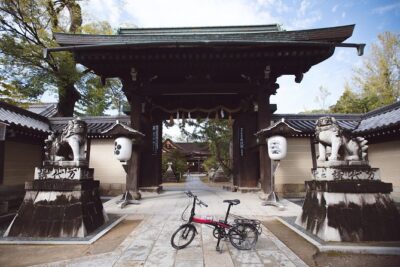 ★ 5.0Hidden Kyoto E-Biking tourFrom $1161,843 reviews
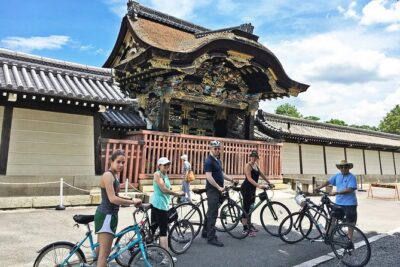 ★ 5.0Bike Tour Exploring North Kyoto plus LunchFrom $1061,087 reviews
 ★ 5.0Arashiyama Bamboo Forest & Hidden Gems Bike Tour (Early Bird)From $106613 reviews
 ★ 5.05 Top Highlights of Kyoto Full Day Bike Tour (E-bike option)From $172511 reviews
 ★ 5.0Full Day Biking Tour Exploring the Best of KyotoFrom $119498 reviews
 ★ 5.0E-Bike Tours of the highlights of Kyoto!!!From $109291 reviews
 ★ 5.0Afternoon Kyoto Bike Tour: Bamboo Forest, Monkeys & Hidden SpotsFrom $106283 reviews
 ★ 5.0South Kyoto in a Nutshell: Gentle Backstreet Bike Tour!From $79225 reviews
Browse the lists this tour appears in