
Reviewed · WALKING TOURS
Kyoto East Early Morning Walking Tour
Kyoto wakes up early, and this tour rides that wave. You get a guided morning walk through Higashiyama’s famous lanes before the day turns into a moving crowd. Expect 2.3 km of easy strolling, with stops tied to big Kyoto landmarks, plus helpful local context along the way.
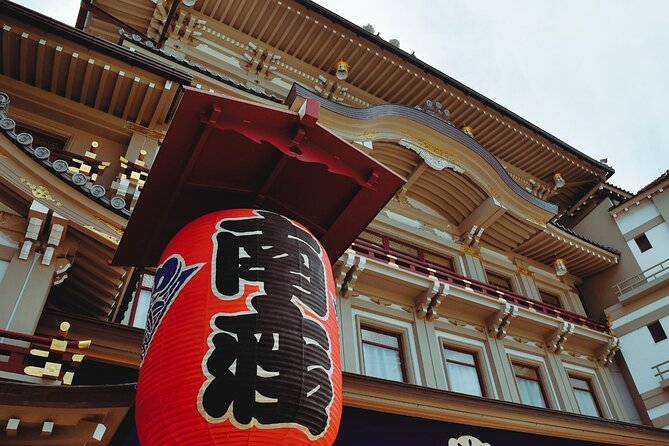
What I like most is the mix of classic sights and calmer backstreet energy. You visit Minamiza Theater at the start, then move through Yasaka Shrine and the Yasakanoto view area, and you finish at Kiyomizu-dera with time to explore at your own pace.
The one drawback to consider is simple: it ends where you finish, and it is a walking tour. There is no hotel pickup, and you’ll want comfortable shoes and a light game plan for getting back afterward.
Key Takeaways Before You Go
- 7:30 AM start in Higashiyama helps you see Kyoto before the heaviest rush
- Free admissions at every listed stop means you can spend more on the walk, less on tickets
- English-speaking guide with local tips gives you better next steps for eating and exploring
- Stops are short and focused (about 15 minutes each at the shrine and theater), so the pace stays lively
- You finish at Kiyomizu-dera with extra time to wander after the guided portion
7:30 AM Higashiyama, When Kyoto Feels Like Kyoto
If you only do Kyoto at peak hours, you miss the mood. This tour is designed for early risers, starting at 7:30 am, so you get your photos and temple moments in quieter light. The route also keeps things compact, around 2 hours total for a short distance.
That timing matters because Higashiyama can feel like a hallway of people later in the day. Here, you’re moving through the lanes while the neighborhood is still warming up. The guide’s job is to connect what you’re seeing to how Kyoto works, not just to point at landmarks.
One more practical note: cafes tend to open around 9:00 am, so plan breakfast before the tour. After you finish, you’re in the right area to grab something nearby around Kiyomizu-dera.
You can also read our reviews of more walking tours in Kyoto
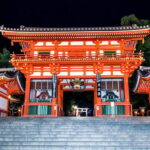
Minamiza Theater: Kabuki’s Kyoto Start Point
You begin at Minamiza Theater, near 208 Nakanochō in Higashiyama. The stop is about 15 minutes, and the admission listed for this part is free. Even if you are not a theater person, this is a strong opener because it anchors Kyoto’s culture in performance, not just temples.
Why it works: Kabuki is a huge part of Japan’s cultural story, and starting there gives the morning a “how did this city become this city” thread. It also helps you shake off that travel fog early, since the guide can explain origins and ongoing influence in a way that feels immediate, not textbook.
If you like history but hate museum fatigue, this stop is the right size. You get context without a long indoor slog.
Yasaka Shrine: Festival Energy and Shinto Grounding
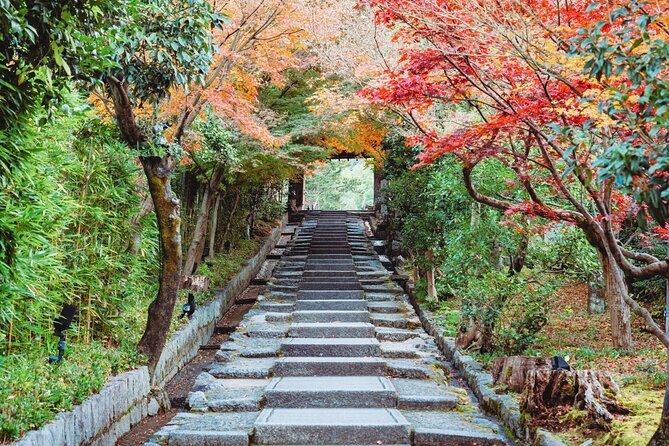
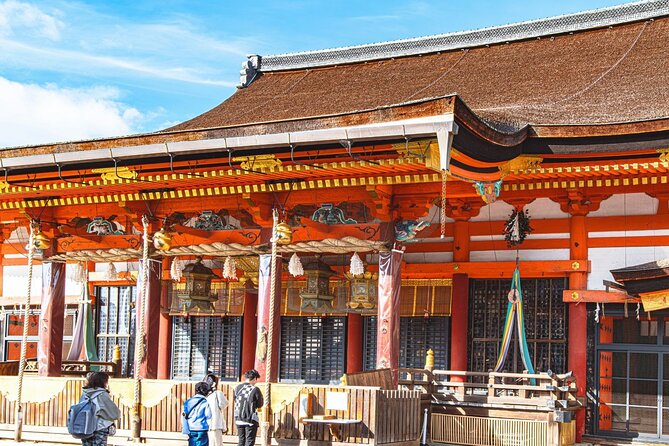
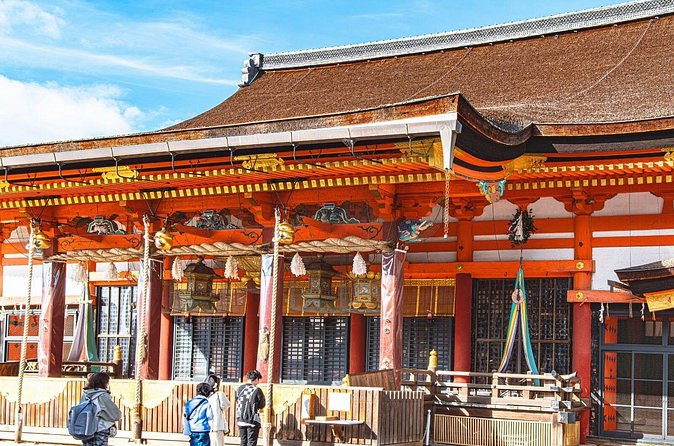
Next up is Yasaka Shrine. You’ll spend about 15 minutes here, and again the admission for this stop is listed as free. Yasaka is one of those places where Kyoto’s religious life and community traditions show up in everyday ways.
Your guide is there to add meaning, especially around Shinto traditions and the shrine’s role in local festivals. That’s the kind of info that changes your experience. Without it, you walk through a shrine area and you might just admire the buildings. With it, you notice patterns, and you understand why people treat these spaces with real attention.
The benefit of keeping this stop short is that you can move on while the morning still feels fresh. The downside is that you should not expect a long, slow meditation pace. This is a guided walk, not a standalone shrine visit.
Yasakanoto Photo Break: The Five-Story Pagoda Moment
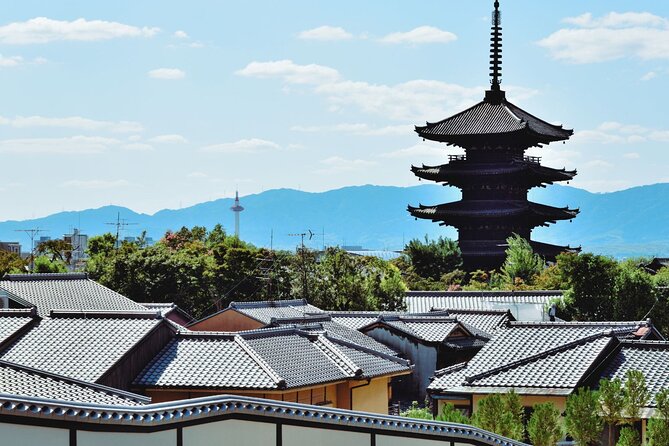
After Yasaka Shrine, the tour shifts to a short stop at Yasakanoto, where you get a close look at the five-story pagoda. The listed time is about 5 minutes, and this is explicitly a photo opportunity.
This is where you should slow down on purpose. The trick with photo moments in Kyoto is that the best angle often takes time. You’re also walking a route where other people will keep flowing through behind you, so grab your shots while your guide gives you the context of what you’re seeing.
If you’re traveling with a camera, this is a good moment to adjust settings and frame shots. If you’re traveling on your phone, still take a few seconds. In early light, details like layering and roof lines look great.
Kiyomizu-dera: Finish at a World-Famous UNESCO Site
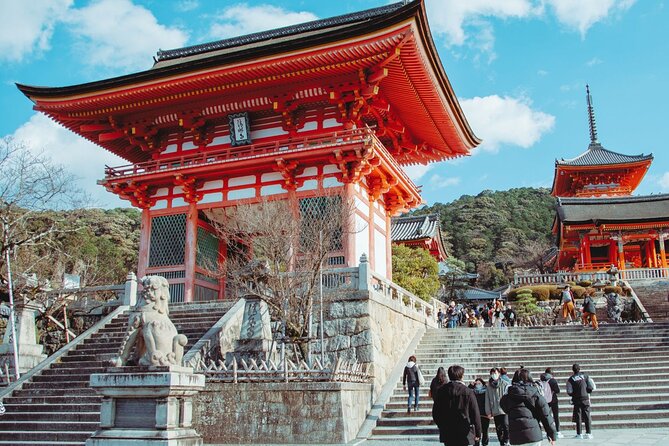
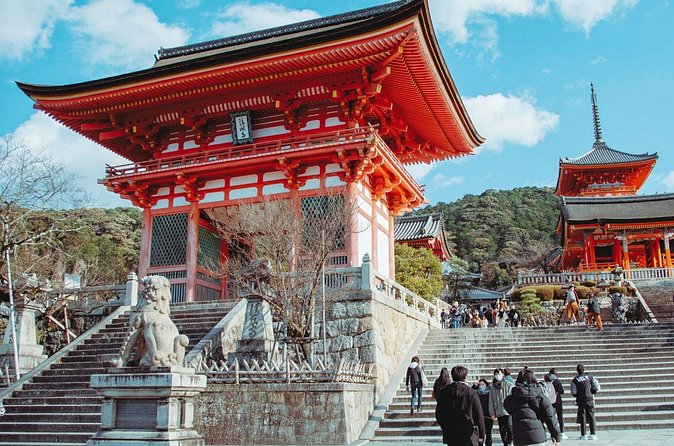
The guided portion concludes at Kiyomizu-dera Temple, one of Kyoto’s famous UNESCO World Heritage sites. The guided time here is about 10 minutes, but you should treat this as your launch pad for self-guided exploring after the group wraps.
What makes Kiyomizu-dera so special is the way it connects big views to sacred space. Even in a short time, you can understand why it’s a headline site. From the wooden stage area, the views over the city are a big part of the experience, and the rest of the temple grounds invite you to keep wandering once you are there.
Important reality check: since the guided stop is only about 10 minutes, you’ll need to decide what matters most to you. If you want the panoramic view, prioritize that first. If you want to read stone details and stroll at a slow pace, give yourself time after the tour.
Also, since you finish here, think about how you’ll move next. You can stay in the area and keep exploring, or you can use the morning’s momentum to head elsewhere.
More Kyoto temple visits, food tours, tea experiences, and day trips to compare

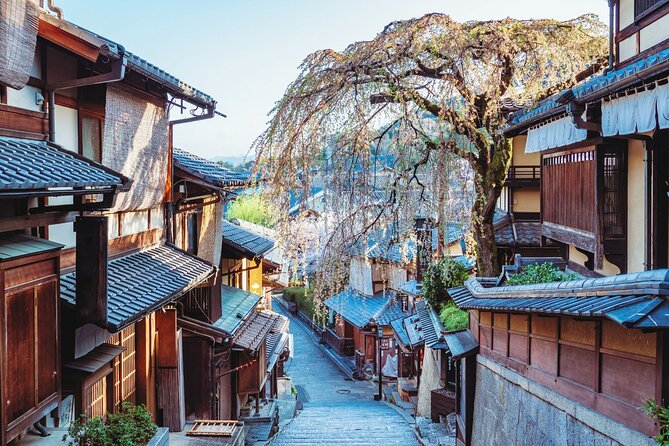
Sannenzaka Sloped Street: Shops, Stories, and Old Kyoto Atmosphere
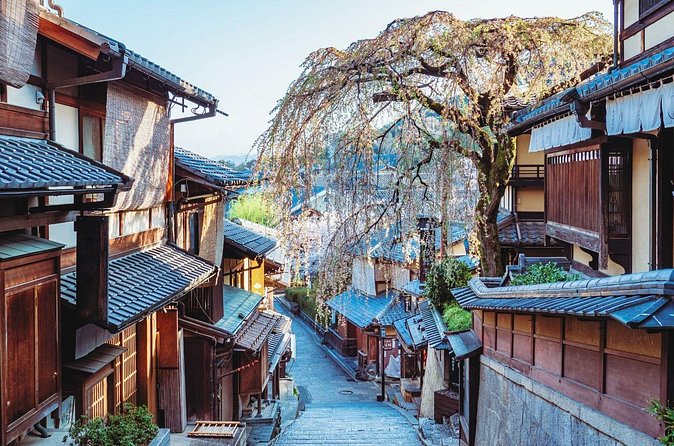
After the temple segment, you walk up a charming sloped street lined with traditional shops and historic atmosphere. This is where the tour weaves in local legends behind the name Sannenzaka.
This part matters for two reasons. First, it is a change of pace from temples and shrines. Second, it helps you feel Kyoto as a living neighborhood, not just a list of stops. Even if you don’t buy anything, walking through lanes like this gives you the textures that make later visits more enjoyable.
Practical tip: since it is a slope, comfortable shoes matter. If you’re in flip-flops or thin-soled sneakers, you’ll feel it by the time you reach the top.
Who This Tour Fits Best (And Who Might Want to Skip It)
This is a great choice if you want a high-quality first morning in Kyoto without spending hours planning. It is also a smart fit for solo travelers because the group is private to your party, and you get a guide actively routing you through the key East side highlights.
It also suits anyone who likes walking but does not want a day-long trek. The route is compact at around 2.3 km, and the stops are timed so you stay moving rather than stuck waiting around.
I would consider skipping if you are allergic to any walking in the morning, or if you want an unhurried, deep-only visit to each site. This tour is structured. You will leave each stop with context, then continue to the next.
Value for $50.73: What You’re Really Paying For
At $50.73 per person, the price is not about paying for entrance tickets. Every stop listed shows admission as free. So what are you buying?
You’re buying three things that cost time and brainpower on your own:
- A guide who can explain what you’re looking at, especially around Shinto traditions and Yasaka’s festival role
- Time-saving route flow, so you’re not trying to connect far-flung points while jet-lagged
- Local recommendations, including practical tips on where to eat and shop after the tour
If you’re a first-timer, that combination can easily be worth more than a few extra dollars. I also like that this is a private tour for your group, because the experience feels more tailored and less like you are being herded.
One more value angle: since you end at Kiyomizu-dera, you’re in a strong starting position for your next plan. That reduces the friction cost of figuring out where to go next.
What the Guide Adds (Based on Real Feedback You Can Use)
One standout theme from people who took this is the feeling of getting inside info fast. In a review response, the provider highlights that the guide grew up in Kyoto and shared local insights that visitors would not normally learn on their own.
That kind of guide background makes a difference on a walking tour. You’re not just hearing facts. You’re getting small, useful direction on what to prioritize after you finish, where breakfast makes sense, and how to read what’s around you.
Also, the tour is clearly not a geisha performance tour. If you’re hoping for staged entertainment, this is not built for that. If you want the real, everyday Kyoto experience of shrines, pagodas, and old streets, it hits the target.
Making the Most of Your Early Morning
A few small moves can make your experience smoother:
- Wear shoes you can walk in for about 2 hours, because it’s a steady morning stroll.
- Eat breakfast before you go, since cafes tend to open around 9:00 am.
- Bring a camera or phone fully charged, because the Yasakanoto stop is made for photos.
- Keep your expectations realistic at each stop. The tour is short at every main landmark, so decide what you want to linger on after the guided portion ends.
If you come in with curiosity, your guide’s local tips will feel even more useful.
Should You Book This Kyoto East Early Morning Walking Tour?
Book it if you want a focused, friendly, English-guided introduction to Higashiyama that avoids the worst of the day’s crowd energy. It is well timed at 7:30 am, covers major highlights efficiently, and every listed stop has free admissions, so your money goes toward the guide and the route.
Skip it if you want a long, slow, independent temple day, or if walking early mornings just does not work for your body right now. This tour is structured and moving.
My bottom line: if it is your first Kyoto visit or your first time in Higashiyama, this is a smart way to get oriented fast and leave the morning with clear next steps.
More Walking Tours in Kyoto
More Tours in Kyoto
More Tour Reviews in Kyoto
Not for you? Here's more nearby things to do in Kyoto we have reviewed

Walking Tours, compared.
 ★ 4.7Kyoto Geisha Walking Tour: Gion District & Hidden GemsFrom $253,273 reviews
 ★ 4.9Gion Magical Night Walking Tour with Geisha TriviaFrom $242,393 reviews
 ★ 4.7Gion Geisha District Walking Tour – Stories of GeishaFrom $202,187 reviews
 ★ 4.5Night Walk in Gion: Kyoto’s Geisha DistrictFrom $212,003 reviews
 ★ 5.0Kyoto Gion Geisha District Walking Tour – The Stories of GeishaFrom $251,441 reviews
 ★ 5.0Nishiki Market Brunch Walking Tour (7 Tastings + Brunch)From $681,355 reviews
 ★ 5.0Kyoto Arashiyama Walking Tour: Bamboo, Monkeys, Gardens & SecretsFrom $651,216 reviews
 ★ 5.0Kyoto Gion: 2-Hour Geisha Culture & History Walking TourFrom $231,186 reviews
Browse the lists this tour appears in