
Reviewed · KYOTO SAMURAI & NINJA EXPERIENCES
Kyoto: Forge Your Own Ninja Weapon with Japanese Tin Casting
Tin turns into a ninja weapon in Kyoto. In this Kyoto workshop, you use Japanese tin casting to make a real shuriken, kunai, or oni-inspired mask, then refine it by hand with an instructor guiding each stage. The studio is only a 3-minute walk from Demachiyanagi Station, so it fits cleanly into a day of temples and streets.
I especially like two parts: you get hands-on time with the full process, from mold-making to the final polish, not a quick demo. I also like how personal the instruction feels, with staff such as Daiki (and his colleagues) walking you through the steps and keeping things relaxed, even if you are a first-timer.
One thing to plan for, though: there is no water on site, so bring drinks. You will be concentrating for about two hours, and you do not want to hunt around for a bottle halfway through.
Key points that make this workshop worth your time
- You make a real metal ninja weapon out of tin, sized about 8 to 10 cm, not a store-bought replica
- Hands-on casting, shaping, and finishing, including rust protection and oil coating
- Clear English and Japanese guidance, with patient help during the whole workflow
- Options beyond the basics, including an oni mask upgrade with gold leaf and a cord
- You take it home in a dedicated box, so the souvenir travels well
- Great for photos and video, since you can document the whole crafting moment
Getting there from Demachiyanagi Station, then right to the bench
If you want an activity that feels like Kyoto living, this workshop is a smart choice because it is easy to reach. After you exit Demachiyanagi Station, you are looking at a short walk, about 3 minutes on foot, which means less time commuting and more time making.
Once you arrive, the format is straightforward: choose what you want to craft, then move through each step with staff supervision. The session runs long enough to feel satisfying, but not so long that it derails your sightseeing day.
Also, you are not going to be stuck wondering what to do with your hands. The studio sets you up with the right equipment and guidance, so you can focus on shaping something tangible. And yes, you can capture photos and videos while you work, which is a big part of why this makes such a memorable souvenir.
You can also read our reviews of more tours and experiences in Kyoto.

Pick your ninja design: shuriken, kunai, or an oni mask
The workshop centers on choosing one main piece: shuriken, kunai, or an oni mask. You will start with design selection, then build the mold to match your chosen form.
Here is the practical difference you should care about:
- Shuriken and kunai are usually around 2 hours.
- The oni mask option typically takes about 2.5 hours, since it includes extra finishing steps.
The size matters too. Your finished piece is about 8 to 10 cm, so it is small enough to carry home comfortably, but big enough to feel like a real artifact in hand. You will also receive a dedicated box for each weapon, which helps if you plan to wrap and transport your creation with less stress.
If you are traveling with someone who wants a clearer challenge level, the options give you that. Some designs are simpler to grasp visually, while the mask option adds more dramatic details in the finishing stage.
How tin casting works here, step by step on real metal
This is not a craft where you watch from the sidelines. The core experience is fully hands-on and follows a clear sequence, with instructors supervising for safety.
You will work through these stages:
- Create the mold using special casting sand. This mold shapes the final weapon or mask.
- Melt the tin and pour it into the mold. Tin melts at 230 degrees, and staff handle the supervised heat process.
- Cool the metal in water. The metal solidifies quickly, turning molten form into a solid piece.
- Shape and polish. You refine the details using tools like files and grinders to smooth and correct surfaces.
- Apply rust protection and finish with oil. This step matters for durability and looks, not just chemistry.
That sequence is exactly why this workshop feels different from most souvenirs. You are doing the transformation yourself. And when you step back after finishing, you can actually point to what you controlled: mold shaping, surface refinement, and the final protective finish.
One more small detail that matters: the included process is designed to get you from raw metal to something presentation-ready. You are not just making a part and hoping it survives your trip. Rust protection and oil coating are part of the standard flow.
The oni mask upgrade: gold leaf drama and a cord finish
If you want something more theatrical than a weapon, the oni mask upgrade is the option to consider. The extra steps are built into the experience and they add visual impact fast.
For the oni mask, you will typically:
- Add gold leaf for a dramatic accent
- Choose and attach a cord, so the mask can be worn or displayed
That cord detail is a thoughtful touch for travelers. It turns the craft into something you can actually enjoy after you leave the studio, not just keep boxed on a shelf.
Because of these added steps, the oni mask usually runs longer, around 2.5 hours. So if you are trying to fit this into a tight itinerary, plan your day with a bit more breathing room.
Also, if you are traveling with kids or first-time makers, this option often feels like a fun centerpiece project. It has strong “wow” factor without requiring advanced metalworking skills.
Hammering, filing, and getting your hands on the work
The included steps include shaping by hammering and smoothing with a file. That may sound like workshop jargon, but it is where the experience becomes satisfying.
You feel the difference between:
- Casting, where the mold sets the basic form
- Finishing, where your hands bring the surface from rough to clean
You will likely spend meaningful time refining edges and smoothing details. This is also where the staff help matters. When you hit a spot that is hard to correct, instructors can guide you toward the right tool use and finishing direction.
It is a good reminder that “craft” here means doing real work, not just pressing buttons. You get to see and feel how metal behaves, how shaping improves appearance, and why finishing steps matter for both durability and photo quality.




Instructor support in English and Japanese, with real patience
The workshop runs with instruction in English and Japanese, and that is a big deal in a hands-on class. You do not have to decode gestures. You get explanations clearly enough to follow without guessing.
From the way the experience is described in recent sessions, staff guidance is a standout strength. People mention being walked through each step and having questions answered while they work. They also highlight how friendly the instructors are, chatting while participants shape their projects.
One review specifically calls out Daiki and his colleague for being very helpful. That kind of staff tone makes a difference when you are holding tools and trying not to rush.
If you are the type of person who learns better by doing, this is a great fit. If you are nervous about metalwork, it is still manageable. The workshop is suitable for beginners, and staff assistance is part of the normal experience.
Timing, rules, and practical safety notes for a smooth session
The session length depends on what you craft:
- Shuriken or kunai: about 2 hours
- Oni mask: about 2.5 hours
Completion times can vary, so I recommend arriving with flexibility. If your next plan is right after, you might feel rushed. Better to build in a small buffer so you can wrap up, take photos, and shop nearby without stress.
On rules, the workshop notes you should expect:
- No smoking
- No food or alcohol
- No party groups
- No making fire
Those rules keep the space focused and safer for the casting and finishing workflow. Tin casting uses heat from a melting process handled under supervision, so the no-fire rule also makes sense for an activity space.
There is also a practical timing note: there is no water on site. Bring drinks. This is not just comfort. A workshop about metalwork and finishing is physically steady work, and you will appreciate having water nearby.
Finally, there are age guidelines. This experience is not suitable for babies under 1 or children under 5, and there is an upper age limit listed as 95. If you are bringing a teen, participants under 15 must be accompanied by a guardian.
What you take home, and why the box and finish matter
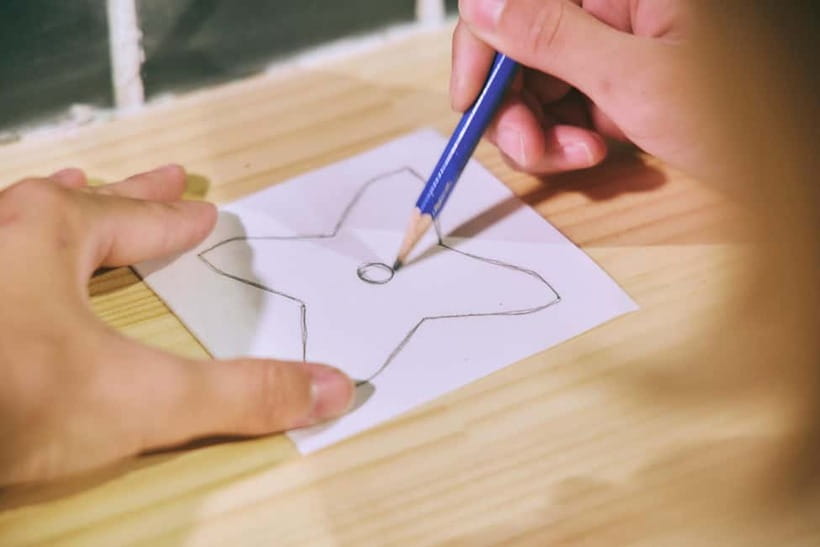
The souvenir value here is strong because you take home something you physically made. You get a dedicated box for your weapon or mask, so it is not just a fragile item wrapped in your bag.
But the bigger win is the finishing system. Your piece goes through:
- Rust-preventive solution soaking
- Oil coating
That means you are not leaving the studio with bare metal. The finish step is part of the included process, and it helps your souvenir stay looking good during the remainder of your trip.
Also, you are not taking home a tiny trinket. At about 8 to 10 cm, your piece feels substantial enough to remember the work you did, not just the purchase you made.
If you are into desk collectibles or display items, this fits that role nicely. It also makes a great gift for people who like craftsmanship, because it is not generic.
And because photos and videos are part of the experience, you can pair the souvenir with real proof of the process. That matters when you want memories that feel earned.
Price and value: why $103 makes sense for real craftsmanship
At $103 per person for about 2 hours to 150 minutes, the price might look steep compared to a quick museum ticket. But this experience is not quick and it is not a passive activity.
You are paying for:
- Materials for one weapon
- Apron rental and equipment rental
- Staff supervision through casting and finishing
- The finishing steps that make the piece durable and presentable, including rust prevention and oil coating
- A dedicated box for the final souvenir
Most souvenir shopping gives you a completed object with none of the labor and none of the story. Here, the product is the story. You choose the design, you build the mold, you pour and cool under supervision, and you finish it yourself.
Also, the workshop is located conveniently near Demachiyanagi Station, which reduces your transport time costs in a practical way. In a city like Kyoto, efficient scheduling can be as valuable as the activity itself.
Could you find cheaper crafts? Probably. But if you want a souvenir that feels handmade in the truest sense, this is a strong value.
Who should book this Kyoto ninja tin-casting class
This workshop works well for a specific kind of traveler.
I think you will enjoy it most if you:
- Like hands-on activities more than lectures
- Want a Kyoto souvenir with real meaning
- Travel with kids or teens who enjoy making things (many sessions are described as family-friendly, with staff help)
- Are into Japanese culture, but want it through craft rather than only performance or sightseeing
It is also great for couples and solo travelers who want a shared moment that creates something to take home. Reviews note it can be a highlight for families and that the tone is welcoming.
If you want maximum social interaction, a group session could be fun. If you prefer one-on-one or calmer attention, there are indications that some sessions can run that way, which makes the class feel more relaxed.
The key is your tolerance for a hands-on craft. You will be filing and polishing. You will be shaping metal. You do not need prior experience, but you should be ready to use your hands.
Should you book this ninja weapon workshop
I would book it if you want a Kyoto activity that produces a real object, not just a photo. The combination of tin casting, guided finishing, and a take-home piece in a box is exactly the kind of souvenir that keeps its value because it is personal.
Skip it if:
- You hate hands-on work, even small tools like files and grinders
- Your schedule is so tight that you cannot spare about 2 to 2.5 hours
- You are not able to bring drinks, since there is no water on site
If you are deciding between this and another Kyoto class, I’d choose this when you care about craftsmanship and tangible results. When you leave with your own shuriken, kunai, or oni mask, you have something you can show later and explain with confidence: I made this, step by step.
FAQ
What weapons can I make in this Kyoto workshop?
You can choose from a shuriken, a kunai, or an oni mask. The oni mask option includes additional steps like gold leaf and a cord.
How long does the experience take?
Shuriken and kunai typically take about 2 hours. The oni mask option typically takes about 2.5 hours, and completion times can vary.
Is the workshop beginner-friendly?
Yes. The experience is suitable for beginners, and staff assistance is included.
What is the size of the weapon or mask I’ll create?
Your finished piece is about 8 to 10 cm.
What is included in the price?
The experience includes designing your item, creating the mold, melting and casting the tin, shaping by hammering, smoothing with a file, rust-preventive soaking, and coating with oil. It also includes apron rental, equipment rental, and materials for one weapon.
What should I bring with me?
Bring drinks. The information provided also notes there is no water on site.
More Tour Reviews in Kyoto
Not for you? Here's more nearby things to do in Kyoto we have reviewed









Kyoto Samurai & Ninja Experiences, compared.
 ★ 5.0Kyoto Samurai ExperienceFrom $1191,294 reviews
 ★ 4.9Kendo and Samurai Experience with Uniform and GearFrom $103815 reviews
 ★ 4.9Samurai Sword Class by Experts in Traditional ArtsFrom $64657 reviews
 ★ 4.5Skip the lines Basic Ticket at SAMURAI NINJA MUSEUM KYOTOFrom $28632 reviews
 ★ 5.0Ninja 1-hour Hands-on Lesson by Japanese master in Kyoto -EntryFrom $80489 reviews
 ★ 4.8Ninja Weapon Forging ExperienceFrom $148478 reviews
 ★ 4.5Samurai Kenbu Traditional Sword Dancing ShowFrom $32426 reviews
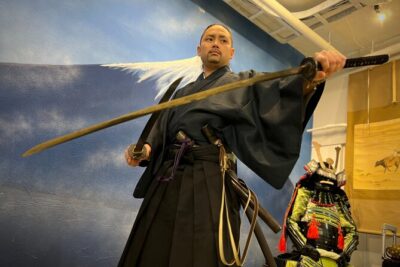 ★ 5.0Samurai Training with Modern day Musashi in KyotoFrom $132256 reviews
Browse the lists this tour appears in