
Reviewed · KIYOMIZU-DERA & HIGASHIYAMA TOURS
Kyoto: Gion Geisha District & Yasaka Shrine Walking Tour
Kyoto’s Gion feels like a living story. On this daytime walk, I love the calm beauty of Shirakawa Canal and the spiritual pull of Yasaka Shrine, both reached at an unhurried pace. You will also get the cultural context that makes the pretty streets make sense, not just look good on photos.
The main thing to consider is focus. This is not a hunt for geisha sightings. It is a traditions-first tour, so if your goal is constant street spotting, you may feel a bit less satisfied.
Key highlights that make this walk worth it
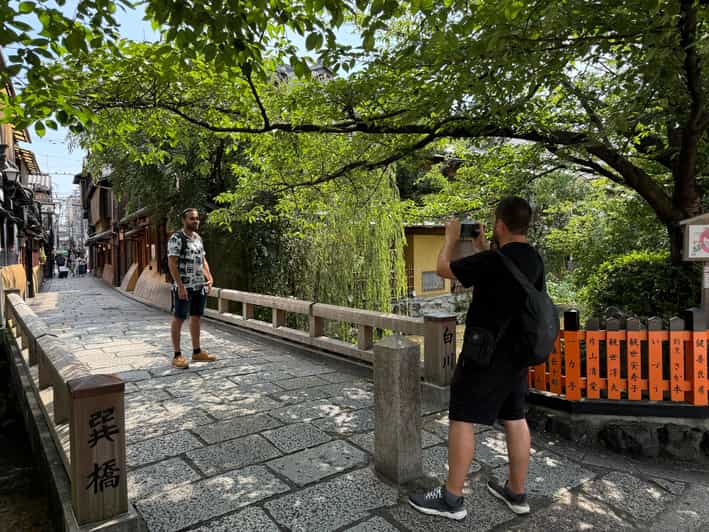
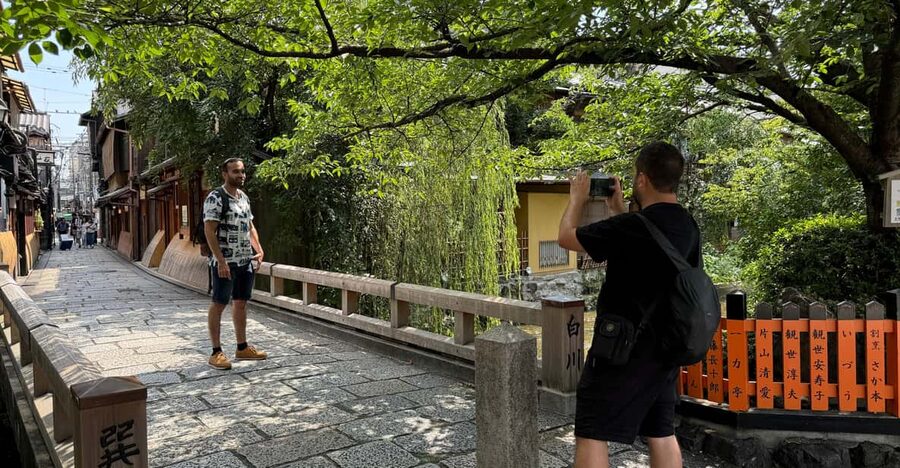
- Shirakawa Canal: willow-lined calm plus historic townhouses you easily miss without local guidance
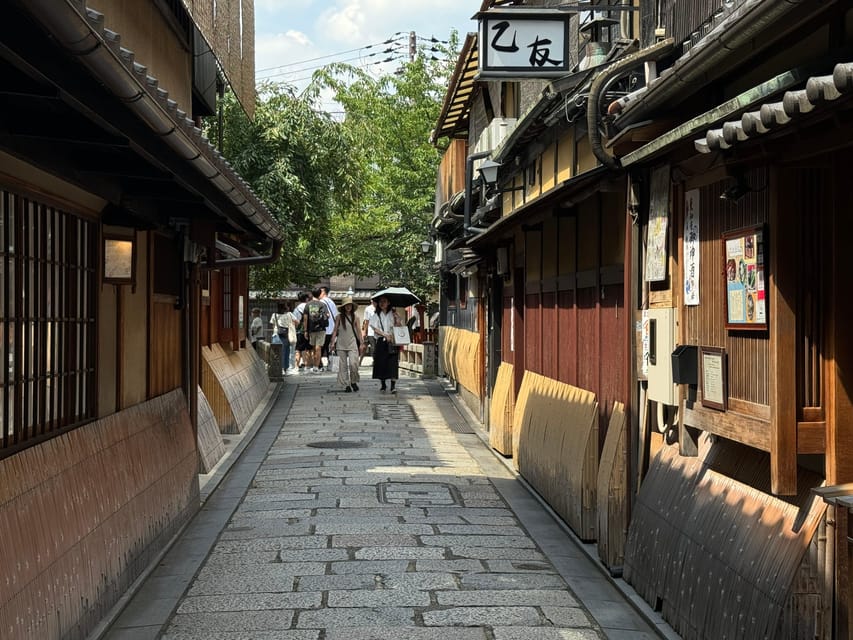
- Hanamikoji Street: machiya townhouses and ochaya tea house architecture in soft daylight
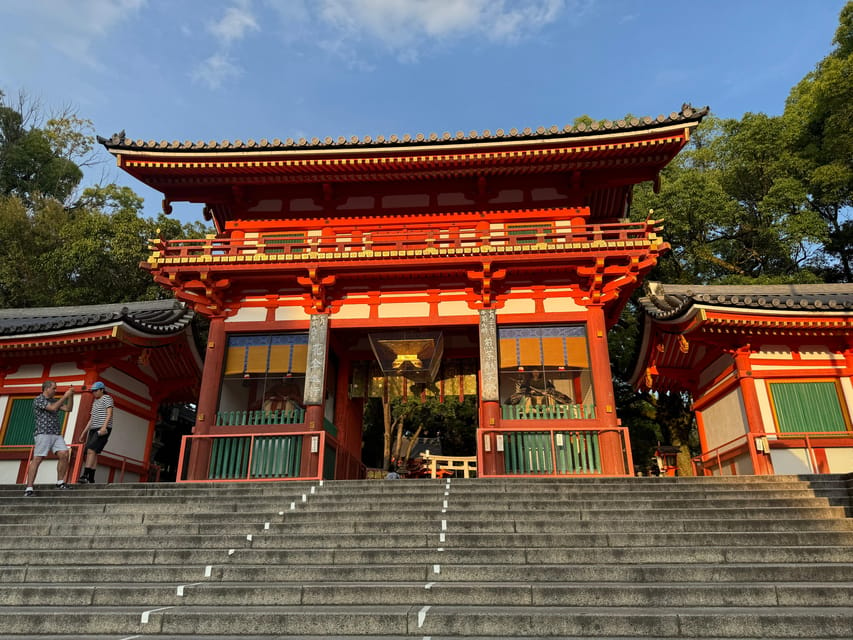
- Yasaka Shrine: a major Shinto site tied into Gion’s identity and festivals
- Geiko and maiko traditions: clear explanations of discipline and artistry, not just names and costumes
- Back-street routing: you spend time where the atmosphere feels most Kyoto, even if it rains
Entering Gion by Day on Hanamikoji Street
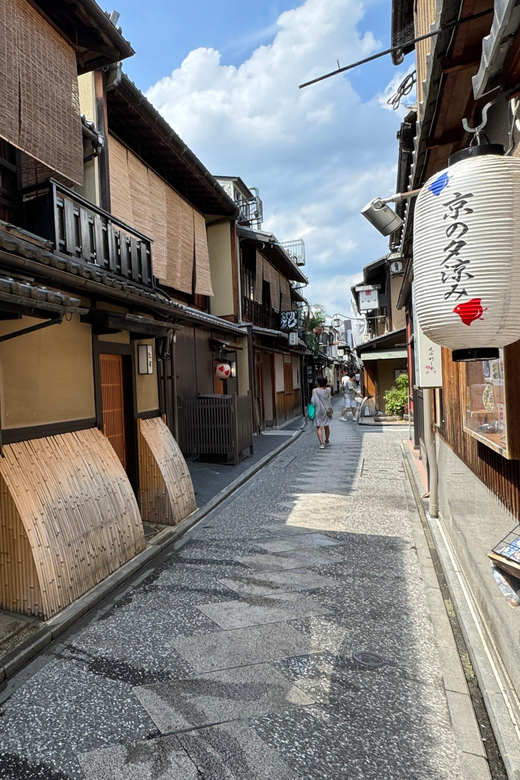
I like starting here because daylight changes everything. On Hanamikoji Street, you can actually see the details in the wooden machiya townhouses and the old-style ochaya tea house fronts. At night, lights can hide a lot. In daytime, the craftsmanship becomes the headline.
Your guide keeps the walking grounded in what you are looking at. You will learn how Gion became known as Kyoto’s traditional geisha district and what that reputation means in real life. That historical framing matters, because otherwise you are just passing a pretty street and calling it culture.
Also, this is a daytime pace. In 90 minutes, you will not feel rushed from one landmark to the next. Instead, you get enough time to notice how the street layout, storefront rhythm, and pedestrian flow shape the quarter’s mood.
A small practical note: wear comfy shoes. Stone-paved lanes look charming, but they can be tough if your footwear is not up to it.
You can also read our reviews of more walking tours in Kyoto
Shirakawa Canal: calm views and the architecture you can spot in the light
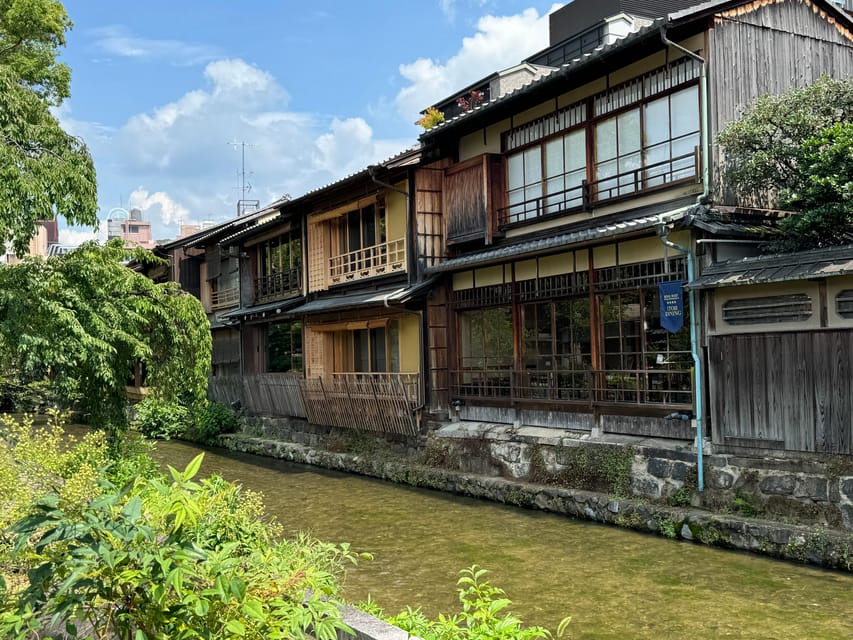
Then the walk shifts to Shirakawa Canal, one of Kyoto’s most photogenic slices of quiet. The canal area has willow trees, small bridges, and preserved facades that give you that postcard-y Kyoto look without feeling staged.
What I really like is how the guide points out things you would probably walk past. The canal is not only about the water view. It is about how the buildings face the canal, how the street angles funnel your eye, and how historic details hold up even in a modern city.
One big value of doing this in daytime is clarity. The tour description specifically notes you see intricate architecture details you often miss at night. I agree with that logic. If you care about texture, age marks, and woodwork, daylight is your friend.
And yes, even rain does not ruin it. One traveler shared that rain did not stop the tour, which is exactly what you want to hear in Kyoto, where weather can shift fast.
Yasaka Shrine: the Gion tie-in you will feel in your legs and your head
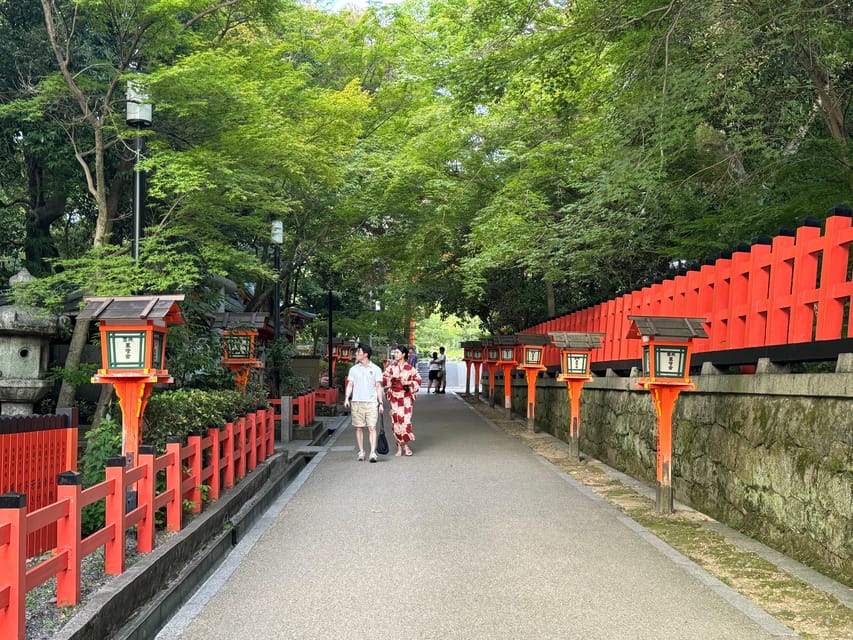
Yasaka Shrine is the spiritual heart of Gion, and it is not just a scenic add-on. You will get the context for why this shrine has been intertwined with the district for centuries, with a history spanning over a thousand years.
This stop also helps you understand the rhythm of Kyoto. Shinto shrines are part of daily life here, and the tour ties Yasaka Shrine to major events like the Gion Matsuri. That festival connection is useful because it explains why the area’s identity is not only aesthetic. It is ritual, community, and timing.
If you only knew Gion as a place for art and entertainment, this shrine visit expands the picture. You start to connect architecture with religion, and religion with performing arts. That connection is the real reason a “walking tour plus one shrine” can actually be more meaningful than a longer sightseeing plan.
What to watch for: since this is a guided walk, you will get the landmarks explained in a way that keeps your attention from drifting. That matters, because shrines can feel visually similar if you are not sure what you are looking at.
Understanding geiko and maiko traditions, with respect and real context
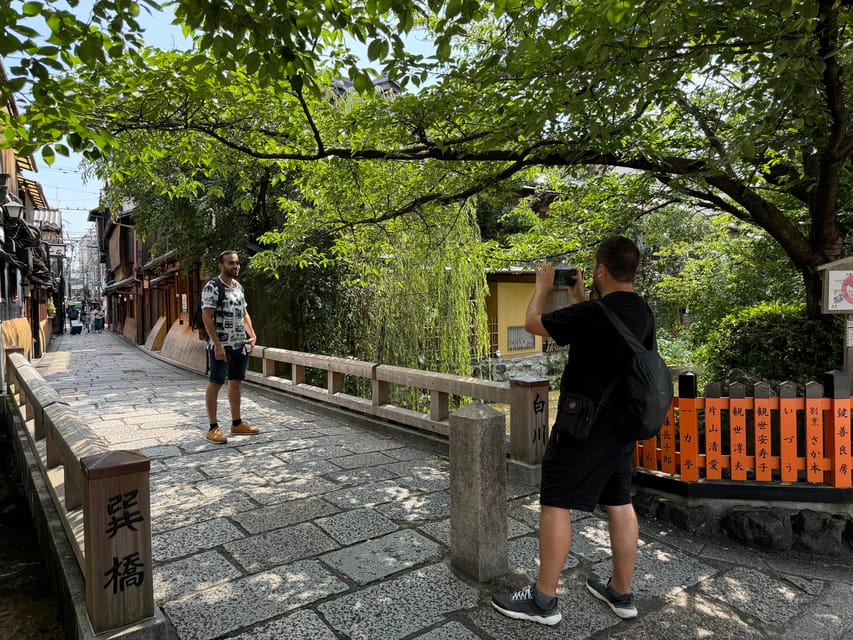
This is where the tour earns its keep. Gion is internationally known as a geisha district, but the tour experience is built around understanding geiko and maiko traditions in Kyoto society.
You will learn about their cultural roles and the discipline behind the craft. The emphasis here is clarity and respect, not sensationalizing or chasing sightings. That choice is actually smart for most visitors. It keeps the focus on heritage, not on whether you happen to spot someone.
I also like that you are not asked to treat the district like a museum. Instead, you learn how the performing arts traditions developed alongside the architecture and the religious calendar. That is how the neighborhood becomes more than a set of streets.
From the guide angle, the tour has shown strong results with English clarity. One review mentioned a guide named Peco who was friendly and knowledgeable about the areas visited. Another mentioned a guide named Yozo who spoke good English even at a younger age. Both examples point to a key advantage: you are less likely to feel like you are standing around while someone gives a vague overview.
How the 90 minutes feel on your feet (and why it works)
Ninety minutes sounds short, but it is a good length for this type of neighborhood walk. You are not trying to cover all of Gion. You are focusing on the pieces that most shape the district’s identity: Hanamikoji, Shirakawa Canal, and Yasaka Shrine, plus the geiko and maiko context threaded throughout.
Because it is a private guided walking tour, the pacing can work better for real bodies. In one case, a group included a senior with a walking stick, and the guide adjusted the pace and even helped with carrying a bag for another person. That is the kind of small, human detail that makes tours feel safe and respectful.
If you are traveling with mixed mobility, this is another reason to consider the private format. You can keep the experience comfortable instead of turning it into a speed walk for the fittest person in the group.
Weather matters too. Kyoto rain can be annoying, but the canal and shrine areas are still workable. Just bring something light for rain and expect wet pavement on stone streets.
Price and value: is $38 for Gion a smart use of time?
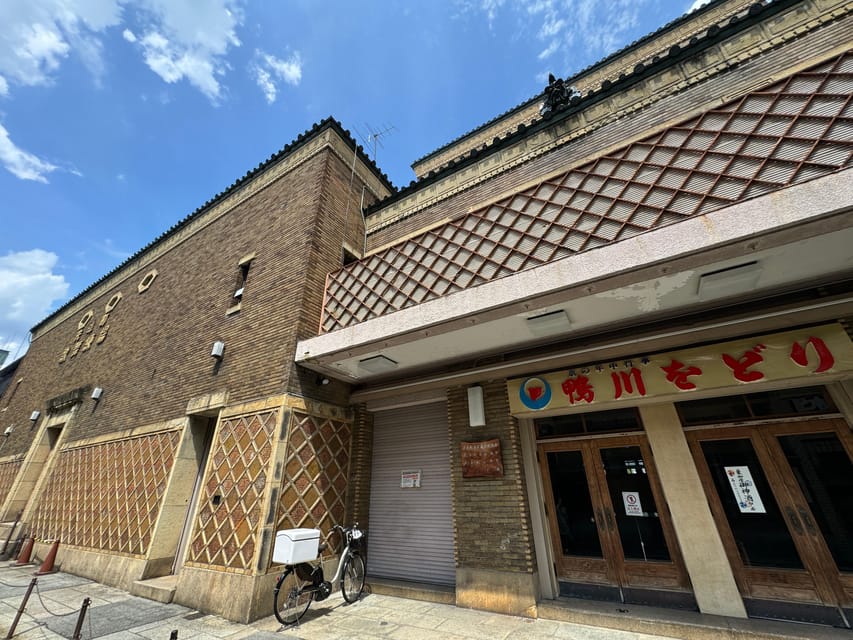
At $38 per person, this is not a huge splurge, especially for a private guide focused on cultural interpretation. The value comes from what you get for your time.
You are paying for:
- a private guided walk through Gion’s key areas
- an English-speaking local guide
- cultural and historical commentary throughout
Food and drinks are not included, and transportation to and from the meeting point is also not included. That is totally normal for this kind of short, focused experience. It just means you should plan to eat before or after, and you should budget your transit separately.
If you have limited time in Kyoto, this tour is a solid way to get oriented. It helps you see Gion as a working cultural space, not only as a scenic photo stop. If you want the most value, I would do this earlier in your Kyoto day, so the explanations improve the way you notice things later.
What to do before and after the tour
Because this is a walking experience with no food provided, you will feel better if you manage timing. Eat beforehand if you tend to get hungry on walks. Bring water if that is your style.
After the tour, you will likely want to slow down on your own. The biggest benefit is that you now know what to look for, including:
- why certain buildings and street patterns matter
- how the shrine connects to Gion’s festivals
- how geiko and maiko traditions shape the quarter’s identity
If you still want shopping or café time, this is a good way to earn that break. You can spend your next hour noticing details with more confidence.
Who this Kyoto Gion and Yasaka tour fits best
This tour fits you if you want culture with a light, walkable format. It is especially good for:
- first-time visitors who want to understand Gion fast
- travelers who care about architecture and ritual, not just photos
- people who prefer respectful explanations over street spotting
It may not be the best match if your top goal is seeing geiko and maiko in action. This tour deliberately emphasizes traditions and context more than sightings.
Also, if you like guides who can adjust to the group, the reported experiences from guides like Peco and Yozo suggest you are likely to be in good hands.
Should you book this tour?
Yes, I think you should book it if you want your time in Gion to feel meaningful. With Hanamikoji Street, Shirakawa Canal, and Yasaka Shrine in 90 minutes, plus real explanations of geiko and maiko traditions, it is a focused cultural primer that makes the neighborhood click.
Book with the right expectations, though. This is a calm, daytime walk built around understanding, not a guaranteed geisha sighting plan. If you want atmosphere, context, and architecture you can actually see in daylight, this is a strong use of your Kyoto time.
If you decide to go, plan comfortable shoes, keep your camera ready, and bring curiosity. Gion rewards that combination.
FAQ
How long is the Kyoto Gion Geisha District & Yasaka Shrine walking tour?
It lasts 90 minutes.
What is the price per person?
The price is $38 per person.
Is this tour private or shared?
It is a private group tour.
What languages are offered for the guide?
The tour is offered with live guides in English and Japanese.
Where do we meet?
The meeting point may vary depending on the option booked.
Is food included?
No, food and drinks are not included.
Is transportation to and from the meeting point included?
No, transportation is not included.
Can I cancel and get a full refund?
Yes, free cancellation is available up to 24 hours in advance for a full refund.
Does the tour include Yasaka Shrine and the geisha district streets?
Yes, it includes Yasaka Shrine and walking through areas in the Gion geisha district such as Hanamikoji Street and the Shirakawa Canal area.
More Walking Tours in Kyoto

More Tours in Kyoto

More Tour Reviews in Kyoto
Not for you? Here's more nearby things to do in Kyoto we have reviewed


Kiyomizu-dera & Higashiyama Tours, compared.
 ★ 4.9Tea Ceremony in a Traditional Tea House in KiyomizuFrom $493,519 reviews
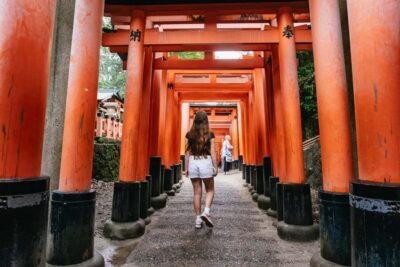 ★ 4.7Nijo Castle, Kiyomizu & Fushimi Inari Guided TourFrom $54700 reviews
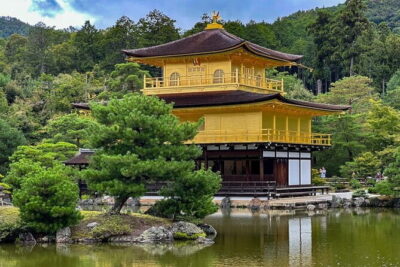 ★ 5.0Nijo, Kinkaku-ji, Arashiyama, Kiyomizu & Fushimi InariFrom $51699 reviews
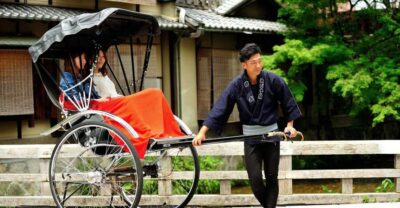 ★ 5.0Private Rickshaw Tour of Gion and Higashiyama AreaFrom $51144 reviews
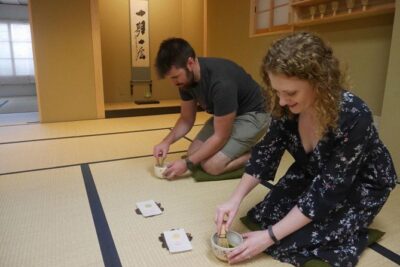 ★ 5.0Kyoto Tea Ceremony & Kiyomizu-dera Temple Walking TourFrom $109115 reviews
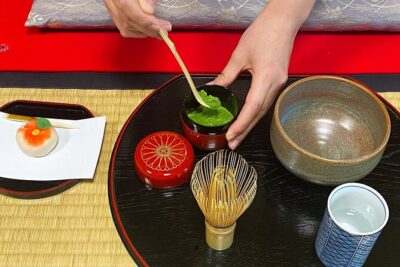 ★ 5.0Kyoto Kiyomizu Tea Ceremony with Scenic Garden ViewsFrom $50101 reviews
 ★ 4.7Kimono/Yukata Rental 5 Minute from Kiyomizu-deraFrom $1989 reviews
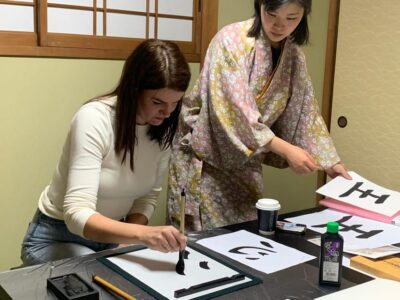 ★ 5.0Kyoto Ninenzaka : Japanese Calligraphy Class in TownhouseFrom $4959 reviews
Browse the lists this tour appears in