
Reviewed · KIYOMIZU-DERA & HIGASHIYAMA TOURS
Kyoto: Higashiyama Slow Cycling Tour along the quiet waterfront
One of the best ways to see Kyoto is slowly, on two wheels. This Higashiyama slow cycling tour takes you along quiet waterside paths, temple streets, and shrine lanes with an expert local navigator, all on BROMPTON bikes. I especially love how the route favors peaceful side streets, and how the pacing makes it easy to absorb the stories behind places like Kamogawa River and Nanzen-ji.
The big consideration is the style of the day: it is a 4-hour ride with an easy, moderate-fitness expectation, and it runs best in good weather. If you want a fast, nonstop checklist of major sights, this calm pace may feel too relaxed.
Key highlights you will feel the moment you start
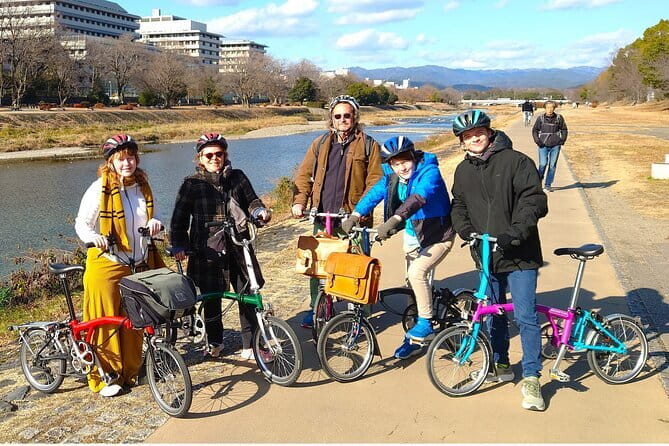
- BROMPTON bikes: styled, fun to ride, and part of the photo moment
- Small group size (max 6): easier conversations, fewer bottlenecks
- Slow cycling around water: Kyoto feels calmer when you move with the rivers and canal
- Temple and shrine contrast: UNESCO quiet at Shimogamo, then grand Rinzai temple at Nanzen-ji
- Meiji-era engineering you can still see: Nanzenji Suirokaku brick aqueduct in active view
- Easy-to-follow flow: a navigator guides you between stops you might miss on your own
BROMPTON + slow pace, the Kyoto combo that feels human
This tour is built around one idea: Kyoto is easier to understand when you slow down. You cover about 12 km in roughly 4 hours, which means you are riding long enough to feel the freedom of biking, but not so fast that you lose the atmosphere. I like that the tour calls out a moderate fitness level. In plain terms, this is for people who want to move, but do not want a workout disguised as sightseeing.
The bikes are BROMPTON models, not generic rentals. That matters more than it sounds, because the ride feels stable and stylish, and it sets you up for quick stop-and-photo moments without fuss. You also get the equipment you need. Helmets are provided, and you have bike transport bags to keep things organized while you ride.
Another quiet win is the navigator. Kyoto has a lot of tiny lanes, and some routes are simply easier when someone who knows the area is steering you. This is also how you get to a more relaxed version of the city, with calmer alternatives when certain places can get crowded.
You can also read our reviews of more cycling tours in Kyoto
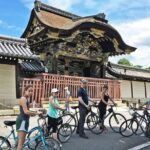

Starting at Demachiyanagi and easing into Kyoto by the Kamo River
You begin at Demachiyanagi Station, and the tour loops back to the same point when it ends. The first stop is the Kamogawa River, the one that runs through the center of Kyoto. Even if you have seen rivers in other cities, Kyoto’s river atmosphere feels different because of how it threads through the urban fabric.
At the start, you will likely notice the rhythm of the day: short ride segments, then enough time to take it in. The Kamogawa stop is listed as about 15 minutes, so it is not a long wandering break. Instead, it is a grounding moment. You get oriented quickly, and you start to feel why this tour stays near water rather than rushing straight into the most famous temple complexes.
If you are the kind of traveler who likes to ease into a city rather than sprint into it, this opening works well. It also sets up what comes next: a shift from river energy to shrine quiet.
Shimogamo Jinja: UNESCO calm with forest-light stillness
Next you head to Shimogamo Jinja, north of the Kamogawa River delta. This shrine is a UNESCO World Heritage Site, and that status comes through in the way the area feels: historic, but also quietly lived-in. The stop is around 45 minutes, which is a generous window for a half-day tour.
One detail I really appreciate here is the mention of the Tadasunomori forest. That is the kind of phrase that makes you slow down, because it suggests a place where sunlight filters through trees and the pace of your thoughts changes. Even if you are not chasing every architectural detail, you will feel the mood shift from the river corridor to a more protected, wooded sanctuary.
Practical consideration: because the vibe is calmer, it is not the place for a quick photo grab and go. If you like sitting for a bit and watching how people move through sacred space, you will enjoy this stop more.
Philosopher’s Walk: Kyoto’s calm canal path and the meaning behind the name
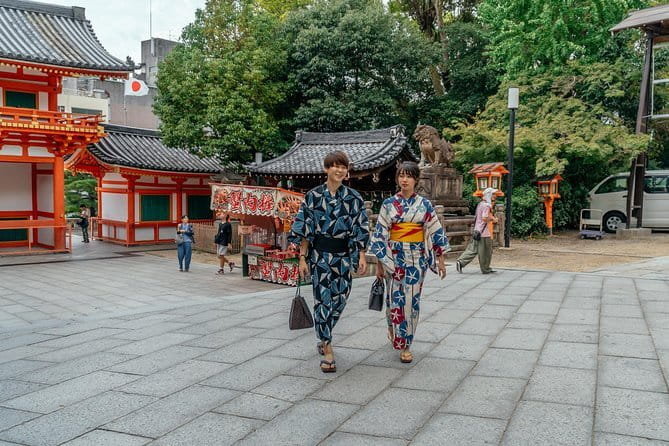
After Shimogamo, you move to the Philosopher’s Walk, also known as the Philosophy Path. It is along the Lake Biwa Canal at the foot of Mount Higashiyama, and it earns the name because philosophers strolled there in contemplation.
This matters because it is not just a route. It is a concept. Even on a bike day, you get time to experience it as a walking rhythm, which is why it pairs so well with a slow cycling tour. Your stop here is about 30 minutes, long enough to take photos and soak in the walkway atmosphere, but not long enough to turn the day into a standstill.
A small drawback to consider: if you are expecting a wide open scenic view the whole time, this is more of a linear, human-scale path. The beauty comes from how the path frames the canal and the Higashiyama hillside feeling, not from grand panoramas every minute.
Nanzen-ji Temple: where Rinzai prestige meets a famous gate
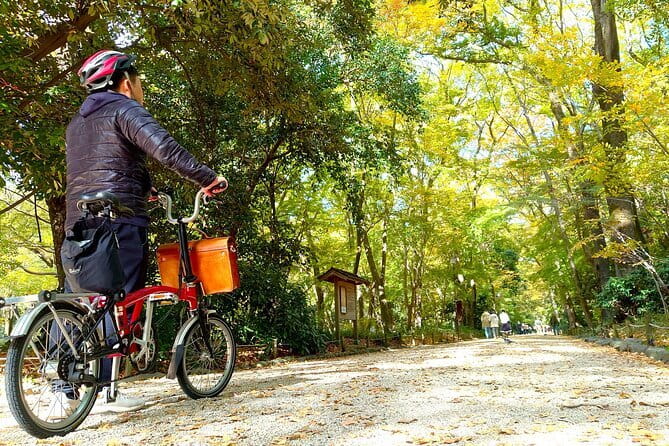
Then the tour climbs into one of Kyoto’s bigger temple moments: Nanzen-ji Temple. This is described as the most prestigious of all Rinzai temples in Japan, and it is also famous for the Sanmon Gate, which appears in Kabuki plays.
That combination is worth lingering over. It gives you a bridge between religion and Japanese performing arts. You are not just looking at a temple. You are connecting it to how culture shows up in multiple forms.
The stop time is about 30 minutes, and admission for Nanzen-ji Temple is noted as not included. That means you may want to budget extra if you plan to enter indoor areas or paid sections you see on site.
What I like about including Nanzen-ji at this point in the day is the pacing logic. Earlier you are soaking in riverside and shrine calm. Here, you hit prestige and scale without turning the ride into an all-day temple marathon.
Nanzenji Suirokaku: an aqueduct you can still see in use
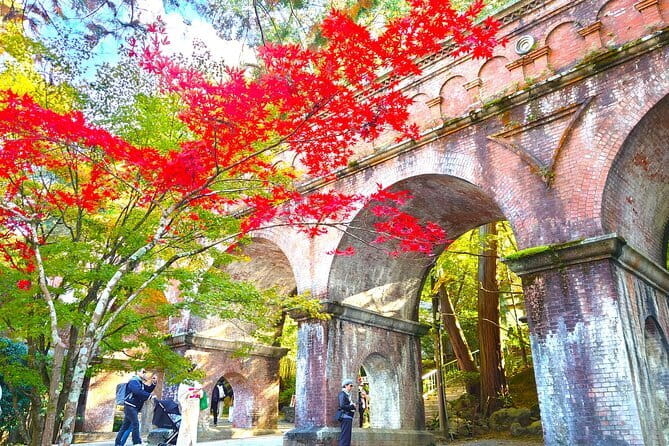
Very close to the Nanzen-ji complex is Nanzenji Suirokaku, the brick aqueduct of the Lake Biwa River. This is a standout because it is not a decorative relic. It played a major role in Kyoto’s modernization in the Meiji era, and it is still in use today.
Your visit here is about 30 minutes, with admission marked as free. I love stops like this because they shift you from the usual temple-only story. Kyoto is often framed as tradition, but the city also has a strong timeline of modernization, and this aqueduct is a clear visual marker.
The potential drawback is simpler than you think: if you only want the most famous postcard views, the aqueduct might feel more practical than dramatic. But if you like seeing how a city functions, and how infrastructure becomes part of the scenery, this is one of the most interesting parts of the route.
Keage Incline: preserved industrial heritage with cherry blossom trees lining the view
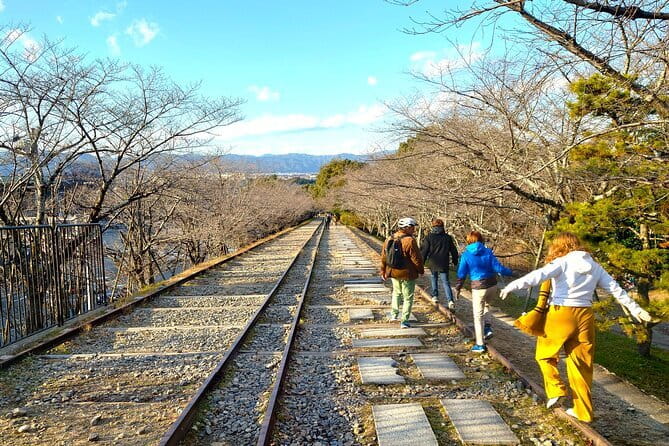
After the temple and aqueduct, the tour heads to Keage Incline. This is an incline railway that forms part of the boat transport route by the Lake Biwa Canal, and it is preserved as industrial heritage.
The description also notes that the incline is a sightseeing spot lined with cherry blossom trees. Even if you are not traveling in peak bloom, the idea matters. It means you are looking at a piece of industrial Kyoto that people also enjoy seasonally, which adds an extra layer to what you are seeing.
The stop is about 30 minutes, and admission is listed as free. This is a good length because the structure and surroundings are visually strong, but you do not need an hour of wandering to appreciate it.
Kyoto Gyoen National Garden: the palace-scale pause near the end
Your final major stop is Kyoto Gyoen National Garden. This is associated with the Kyoto Imperial Palace, which was the Emperor’s residence until the middle of the 19th century.
Your time here is about 1 hour, and admission is listed as free. If your feet feel tired by this point, this longer garden window is a smart wrap-up. It is a place to slow your brain after temples, aqueducts, and rail heritage, and it gives you a more open, reflective feel to close the tour.
One consideration: since you are at a large garden zone, it can feel like you are choosing your own path for the hour. If you prefer very guided, stop-by-stop storytelling the whole time, you may want to keep an eye on what your navigator suggests before you break off for quiet walking.
Food rhythm and photo moments that fit a calm ride
One of the best parts of a slow cycling tour is that you are not stuck in a single viewpoint. You can take breaks near places where you actually want to linger, and you have moments where photos feel natural rather than forced.
This tour also points you toward local food at speciality shops, and your accompanying navigator can suggest restaurants for lunch based on your wishes. The big practical benefit is that you are not trying to hunt for food while also navigating Kyoto’s streets. You get guidance at the right time, and you can keep the day’s pace comfortable.
If you are a traveler who plans meals poorly and ends up hungry and annoyed, this is one of those small advantages that can make the whole day better.
Price and value for a 4-hour BROMPTON loop
At $129 per person, this is not the cheapest way to see Kyoto, but it is priced like a guided, equipped experience, not a self-guided walk. You are paying for the bike rental, the exclusive navigator, and the riding equipment like helmets and bike transport bags.
What is not included is also clear: there is an insurance fee of 500 yen, and snacks are not included. Nanzen-ji Temple admission is also marked as not included, so you may want to plan for that if you want to go inside paid areas.
So is it good value? In my view, it becomes worthwhile when you want three things at once:
- fewer navigation headaches
- a calmer pace that fits your energy
- access to a route that stays in the Higashiyama waterside corridor
The max group size of 6 travelers helps here. Smaller groups usually mean more attention from the navigator and less time waiting around. And because the ride is around 12 km, you are getting real movement, not just a short bike photo session.
Also, the tour is on the calendar often enough that it is booked about 35 days in advance on average. That is a hint to reserve early, especially if you travel during a popular season or you want a specific date.
Who this tour suits best (and who should choose a different style)
This is a great fit if you:
- want to see Higashiyama without feeling rushed
- like riverside and shrine atmospheres, not just big ticket buildings
- prefer slow cycling that stays friendly for moderate fitness
- enjoy learning small context details while you move
It can also work well for first-time Kyoto visitors who feel overwhelmed by how dense the city is. With a navigator handling the route, you can focus on the experience instead of plotting every turn.
If you are an ultra-fast sightseer who wants the most famous highlights in the shortest time, this may feel too measured. You are choosing mood over a checklist, and that is the point. The best way to know if it will fit you is to decide whether you enjoy slow travel more than speed travel.
Should you book this Kyoto Higashiyama slow cycling tour?
If you want Kyoto to feel quieter, this tour is an easy yes. The combination of BROMPTON bikes, a small group size up to 6, and a waterside route connecting Kamogawa, Shimogamo, the Philosopher’s Walk, Nanzen-ji, Suirokaku, Keage Incline, and Kyoto Gyoen gives you a full half-day without the typical stress.
Book it if you value:
- calm streets and water-adjacent scenery
- guided navigation through tiny areas you might not find easily
- a pace that does not punish you
Skip it if you expect intense biking effort or long museum-style entries as the core of your day. Also remember it needs good weather, so keep your schedule flexible when you can.
For most people weighing options, this one is strong because it helps you experience Kyoto in a way that feels local and breathable, not just photographed.
FAQ
How long is the Kyoto Higashiyama slow cycling tour?
It runs for about 4 hours.
Where do I meet for the tour?
You meet at Demachiyanagi Station (32-1 Tanaka Kamiyanagichō, Sakyo Ward, Kyoto, 606-8205, Japan). The tour ends back at the meeting point.
What is included in the tour price?
The price includes bicycle rental, an exclusive navigator fee, and bicycle equipment such as helmets and bags for wheeled transport.
What is not included?
Insurance is not included (500 yen), and snacks are not included. Nanzen-ji Temple admission is also listed as not included.
What fitness level do I need?
The tour is described as suitable for travelers with a moderate physical fitness level.
What weather is required?
The experience requires good weather. If it is canceled due to poor weather, you will be offered a different date or a full refund.
More Cycling Tours in Kyoto

More Tours in Kyoto
More Tour Reviews in Kyoto
Not for you? Here's more nearby things to do in Kyoto we have reviewed
Kiyomizu-dera & Higashiyama Tours, compared.
 ★ 4.9Tea Ceremony in a Traditional Tea House in KiyomizuFrom $493,519 reviews
 ★ 4.7Nijo Castle, Kiyomizu & Fushimi Inari Guided TourFrom $54700 reviews
 ★ 5.0Nijo, Kinkaku-ji, Arashiyama, Kiyomizu & Fushimi InariFrom $51699 reviews
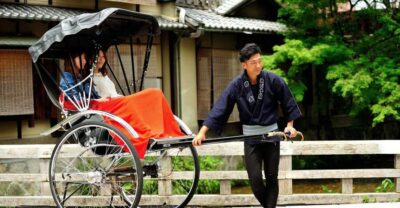 ★ 5.0Private Rickshaw Tour of Gion and Higashiyama AreaFrom $51144 reviews
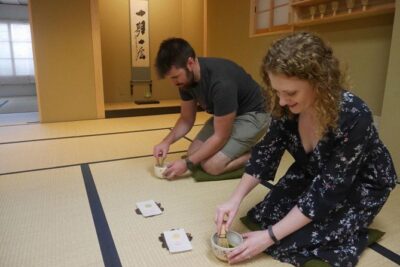 ★ 5.0Kyoto Tea Ceremony & Kiyomizu-dera Temple Walking TourFrom $109115 reviews
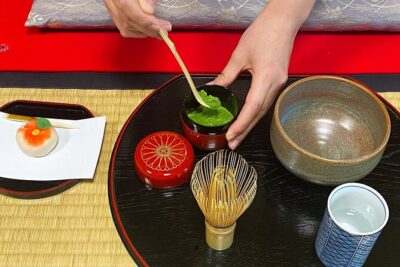 ★ 5.0Kyoto Kiyomizu Tea Ceremony with Scenic Garden ViewsFrom $50101 reviews
 ★ 4.7Kimono/Yukata Rental 5 Minute from Kiyomizu-deraFrom $1989 reviews
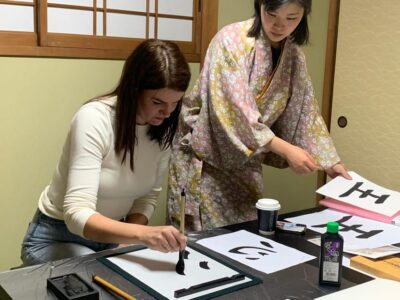 ★ 5.0Kyoto Ninenzaka : Japanese Calligraphy Class in TownhouseFrom $4959 reviews
Browse the lists this tour appears in