
Reviewed · KYOTO TEA CEREMONIES
Kyoto Matcha Green Tea Tour
Uji does matcha right, not loud.
This Kyoto Matcha Green Tea Tour in Japan’s tea town mixes World Heritage temple stops with a hands-on matcha making experience. I especially like how the tour is built around food and tea culture, not just sightseeing, and I like the small group limit that keeps the pace calm. The main trade-off: there’s no hotel pickup, and the meeting instructions are strict, including only a five-minute wait after the start time.
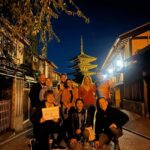
You’ll meet your English-speaking guide at the entrance of Keihan Uji station (NOT JR Uji). Once you’re off, you’ll walk through the Uji district, hear stories about how the place became the matcha heart of Kyoto, and see why people keep returning to this river town. In past groups, guides like Karim, Miki, Thomas, Sanae, Jamelah, and Raquel have led the experience, often with extra care like helping with goshuin stamp stops and answering questions in multiple languages when needed.
One more practical note to plan for: the tour is 3 hours, so if you want long free time in one shop or a slow, standalone temple day, this may feel tight. Still, for most first-timers, it’s a smart, high-impact way to connect tea, history, and taste in one go.
Key highlights you should care about
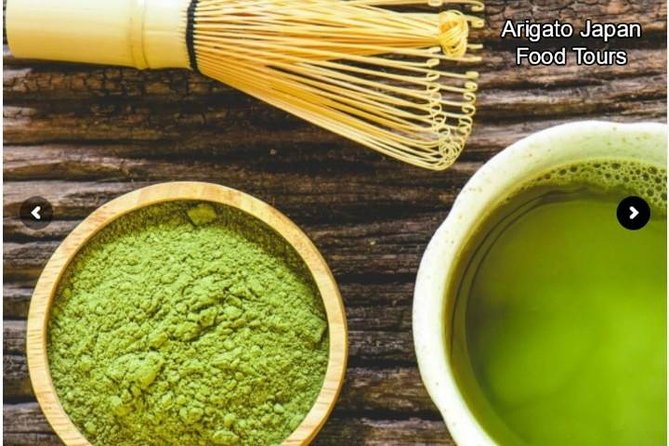
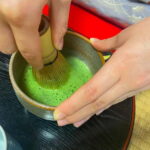
- Matcha making in real time: you’ll grind and whisk, then taste what you made.
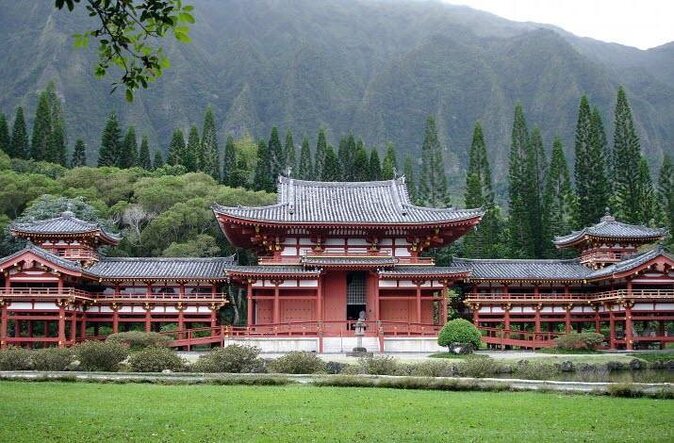
- Byodoin Temple and sacred Uji stops: temple visits that fit naturally with the tea story.
- Multiple food stops are included: you’re not just drinking tea, you’re eating Uji.
- Wagashi sweets plus matcha ice cream: dessert is part of the learning here.
- Small group (up to 8): better pacing, more questions, less rushing.
Entering Kyoto’s Tea Country: Why Uji Matters
Uji is Kyoto’s matcha address. If you’ve only ever had sweet green tea drinks, this is the moment you learn what matcha actually is, where it comes from, and why it’s treated with real respect.
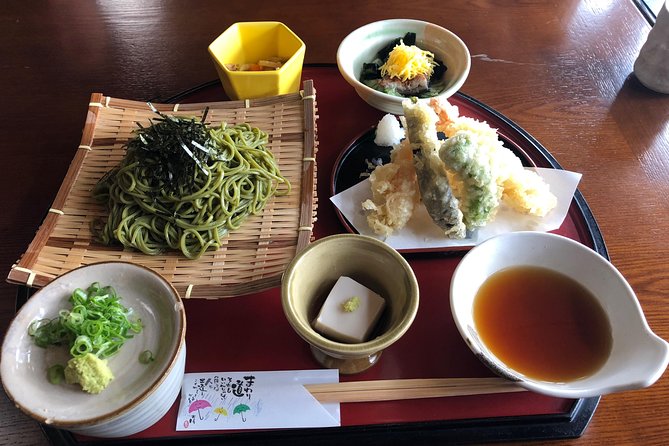
What I like about the tour approach is that it treats matcha as a full culture, not a single activity. You start with the place itself. The Uji River, the tea area feel, the temple setting, and the shop rhythm all matter because matcha grew up here as a way of life. Even the food fits the theme. You’ll get to taste matcha in different forms, including soba and sweets, so you can feel the range instead of assuming matcha tastes like one thing.
There’s also a “less hurried” vibe built into the design. You’re away from the frantic search for one photo spot, and you’re moving through Uji with an expert guide who ties the landmarks to the tea story. That makes the town easier to understand fast, especially if it’s your first time in the area.
You can also read our reviews of more tours and experiences in Kyoto.

Meeting at Keihan Uji Station and How the 3 Hours Work
Plan your arrival carefully. You meet at the entrance of Keihan Uji station (宇治駅), specifically not the JR Uji station. That small detail matters, because it can turn a simple start into a stressful scramble.
Your guide will be holding a sign. You can be there a few minutes early, but once the tour starts, there’s a limited five-minute grace period. After that, the group departs. Also, you won’t be able to get directions to the guides by phone once the tour begins. So, do yourself a favor and arrive on time with a little buffer.
The tour runs for 3 hours. In that time, you’ll fit in temple and shrine visits, walking through Uji’s historic areas, a meal, matcha making, and tastings. The “value” of the format is that you don’t have to piece it together yourself. In Kyoto, that can save real time and avoid the common problem of paying for one activity but still spending hours hunting down the rest.
Group size is capped at 8, and the guide leads in English. That matters for two reasons: you’ll get explanations you can actually follow, and you’ll have room to ask questions about what you’re seeing, eating, and making.
Byodoin Temple and Sacred Stops: How Tea Culture Gets Spiritual
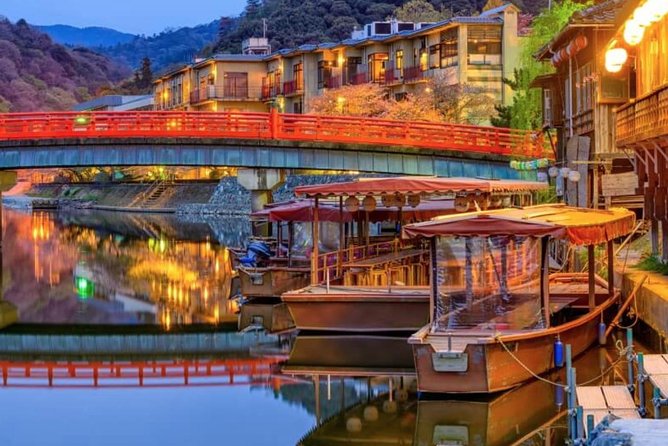
Uji’s sacred sites aren’t just pretty backdrops. They connect to the way tea became intertwined with ceremony, ritual, and respectful hospitality over time.
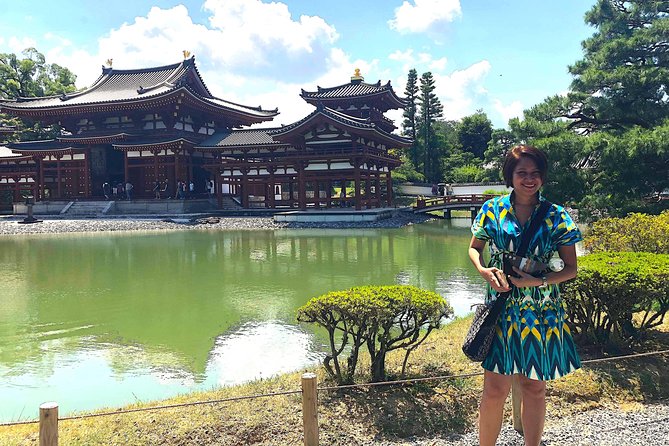
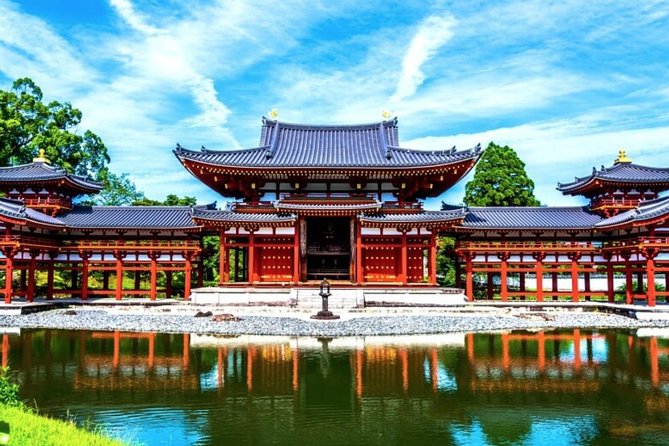
A major stop is Byodoin Temple (often spelled Byodo-in). It’s frequently described as beautiful, and it’s an anchor point for understanding Uji’s importance far beyond matcha shops. When a tour includes Byodoin, it gives you a “why this place counts” moment early enough that the rest of your tea experience feels grounded.
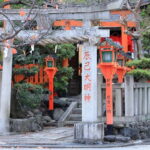
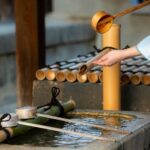
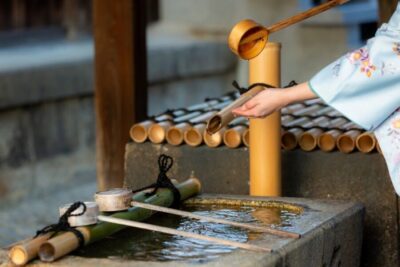
You’ll also visit an older shrine in the area. Even if you’re not religious, it helps you read the space correctly. You’ll learn what to notice, including how people typically pray and what the ritual signals.
One small detail I really appreciate about the way this tour is set up: guides often build in a chance to collect goshuin (temple or shrine stamps). In real past groups, that’s been handled as a planned pit stop, and it can be a fun way to add a souvenir that feels meaningful, not mass-produced.
The only drawback to keep in mind: temple visits can mean some walking and standing. Comfortable shoes are not optional here, especially if you’re visiting during warmer months.
Tea Fields, Uji River, and Walking Uji Like a Local
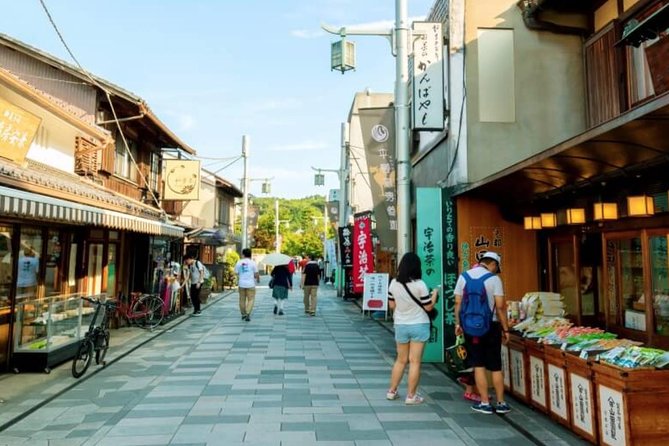
Between sacred stops, you’ll move through Uji’s tea district atmosphere. You’re likely to catch views and fresh air near tea areas, plus you’ll hear about Uji’s history and the characters who shaped the town into what it is today.
You’ll also spend time around the Uji River. Several past groups highlight lunch along the river, which makes the meal feel more scenic and less like a rushed stop. It’s a nice contrast: you’re learning about matcha as a craft, then you sit down and eat in the same town that still lives with tea culture in its daily rhythm.
The tour also includes local tea shops and time for shopping. This is important because matcha in Japan is not one-size-fits-all. If you want to buy a tin to bring home, you’ll get the context to choose better. At the same time, the included shopping time keeps it from turning into a scavenger hunt.
Practical tip: if you’re the type who likes to browse, pace yourself. 3 hours goes fast. If you’re planning to buy gifts, decide earlier what you want, like a basic cooking-grade matcha versus a higher-quality one for whisking.
The Hands-On Matcha Making Class: Grinding to Whisking
This is the core of the tour, and it’s also where you get the biggest “aha” moment.
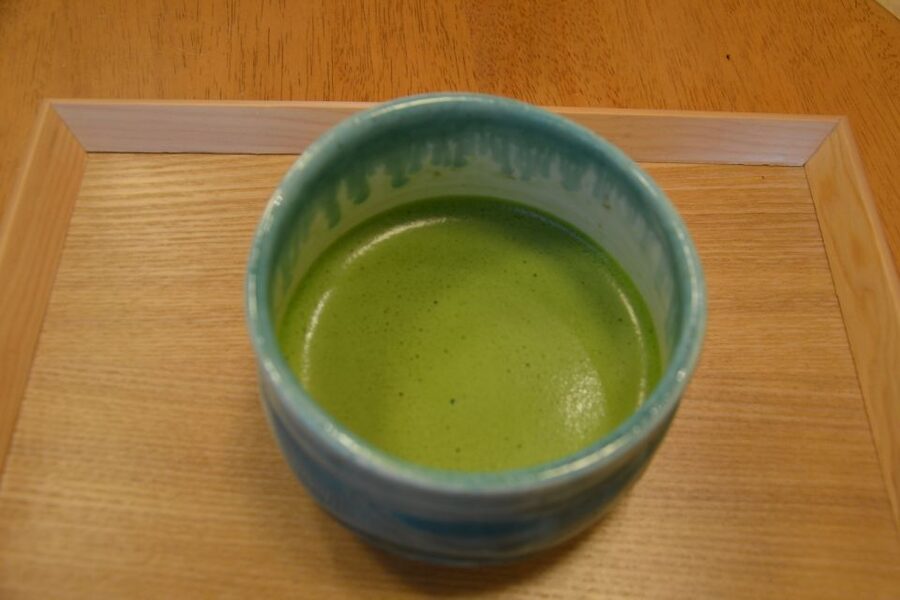
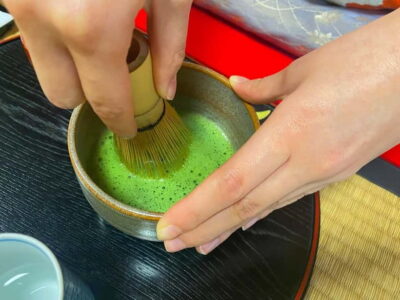
You won’t just watch matcha get made. You’ll do the making part. Matcha making is featured, including grinding tea leaves and then whisking matcha into a drinkable bowl. When you physically do it, you start to understand why matcha is treated differently from other green teas.
The tasting part matters too. You’ll taste matcha at the end, and it’s not just for flavor. It’s a texture lesson. Matcha can be thick, smooth, and mellow depending on how it’s prepared. Experiencing that in context, with explanations from your guide, helps you figure out what you actually like before you buy a bag at home.
Past guides have been especially strong at walking guests through the steps and correcting technique gently. Names that come up include Karim, Thomas, Sanae, Miki, Jamelah, and Raquel, and several groups mention clear explanations and patient guidance.
One more detail: the tour is built so that matcha making connects to the rest of Uji. Temple visits and shop stops are not random. They help you understand why people care about the craft, the tools, and the ritual of serving.
Wagashi, Soba Lunch, and Matcha Ice Cream: Eating the Lesson
Uji does not treat food as an afterthought, and the tour reflects that. You’ll have a variety of dishes at multiple food stops, and matcha appears in several forms.
Lunch is often highlighted as a soba meal, and more than one group notes it happening along the river. That matters because soba is part of Uji’s everyday food culture, while matcha is the seasonal craft. Eating both makes the town feel like a real place, not a staged experience.
You’ll also enjoy wagashi sweets. Wagashi is how Japanese tea culture often shows up in bite-sized form. It’s not just sugar. It can taste subtle, floral, or softly sweet, and it teaches you how tea culture thinks about balance.
Finally, there’s matcha ice cream. It’s not exactly how matcha is traditionally served in a ceremony, but it’s a smart way to test your preferences. If you dislike matcha as a drink, you might find you like matcha desserts. If you love matcha, it’s a fun way to notice how sweetness and cold temperature change the flavor.
The only caution is drinks. The tour does not include additional drinks, though you can usually purchase them at your expense. So if you know you’ll want tea or soda with lunch, keep a little extra cash or card ready.
English Guidance, Small Group Pace, and Real Price Value
Let’s talk money, because $173 per person is not a throwaway expense.
What you’re paying for is the combination of:
- A 3-hour guided walk through Uji with a live English-speaking guide
- Included multiple food stops
- Included matcha tasting
- Included matcha making components
- Included wagashi sweets and matcha ice cream
- Included shopping time
- Visits to World Heritage sites and historic sacred places
If you tried to DIY this, you’d likely spend time booking individual classes, paying separately for tastings, and still having to solve the “how do I get from here to there efficiently” problem. The tour bundles it, and the small group size keeps it from turning into an assembly line.
The group cap at 8 is also part of the value. When your guide can slow down for questions, you learn more than you would in a large crowd. And yes, in past groups, guides like Karim, Miki, Thomas, and Raquel have been praised for being friendly, flexible, and attentive to guests.
If there’s a drawback here, it’s mainly that the tour format does not include hotel pickup. So your effective value depends on how easy it is for you to reach Keihan Uji station on time.
What to Bring, How to Dress, and Tiny Etiquette Wins

You’ll do a fair amount of walking, plus you’ll be in and around temple and shrine spaces. Plan for comfortable shoes and weather-appropriate layers. Bring a small bag you can keep close during shopping time.
For etiquette, you’ll get guidance in context, especially at shrine or temple stops. One guide experience that comes up is that the guide explains fun facts and proper ways to pray. If you’re unsure, ask your guide on the spot. That’s exactly what the small group helps with.
If you have dietary needs, advise the supplier when booking. The tour includes several food items, so it’s better to flag restrictions early than to hope for last-minute changes.
Also, note the minimum drinking age is 21. The tour includes food and matcha tasting, but it still helps to be aware of age rules for anything alcohol-related that might appear during meals.
Should You Book the Kyoto Matcha Green Tea Tour?
Book it if you want one focused afternoon in Uji that actually teaches you what matcha is. This tour is a great fit if:
- You love food experiences and want matcha in multiple forms, not just one drink.
- You want a guided walk to Byodoin and other sacred sites without having to plan every detail.
- You care about learning how matcha making works, then tasting what you made.
- You prefer a small group, where a guide like Karim, Miki, Thomas, Sanae, Jamelah, or Raquel can answer your questions.
Skip or consider something else if:
- You hate strict timing. The five-minute grace period is real, and you meet at Keihan Uji station with no hotel pickup.
- You want lots of free time to roam on your own for half a day. This is a packed 3-hour experience.
If you’re juggling Kyoto sightseeing and only have a few hours to spare for something uniquely “Uji,” this is a strong choice. It’s one of the rare tours where the story, the craft, and the eating all connect.
FAQ
How long is the Kyoto Matcha Green Tea Tour?
The tour lasts 3 hours.
Where do I meet for the tour?
Meet at the entrance of Keihan Uji station (宇治駅). It is not the JR Uji station. The address is Otsukata Uji, Kyoto 611-0021.
Is hotel pickup included?
No, hotel pickup is not included.
Is the tour guide English-speaking, and how many people are in the group?
The tour includes a live English-speaking guide, and it is limited to 8 participants.
What food is included during the tour?
The tour includes a variety of dishes at multiple food stops, plus matcha tasting. Matcha making is featured along with wagashi sweets and matcha ice cream.
Does the tour include matcha making and tasting?
Yes. Matcha tasting is included, and matcha making is part of the experience.
Are minors allowed?
Unaccompanied minors are not allowed. Children must be accompanied by an adult, and the minimum drinking age is 21.
Is there free cancellation, and can I pay later?
Yes. You can cancel up to 24 hours in advance for a full refund. You can also reserve now and pay later.
More Tours in Kyoto
More Tour Reviews in Kyoto
Not for you? Here's more nearby things to do in Kyoto we have reviewed


Kyoto Tea Ceremonies, compared.
 ★ 4.9Tea Ceremony in a Traditional Tea House in KiyomizuFrom $493,519 reviews
 ★ 4.9Tea Ceremony Ju-An at Jotokuji TempleFrom $293,207 reviews
 ★ 4.345-Minute Tea Ceremony Lesson ExperienceFrom $222,378 reviews
 ★ 5.0World Heritage Kyoto & Nara Uji Authentic Matcha ExperienceFrom $1291,573 reviews
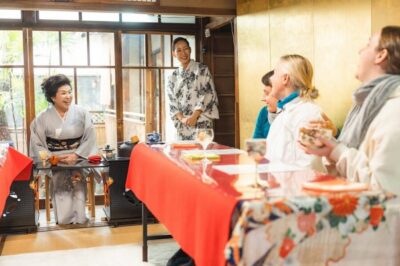 ★ 4.9Table-Style Tea Ceremony at a Kyo-MachiyaFrom $451,211 reviews
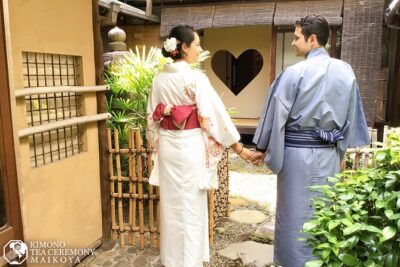 ★ 5.0Kimono Tea Ceremony at Kyoto Maikoya, NISHIKIFrom $65911 reviews
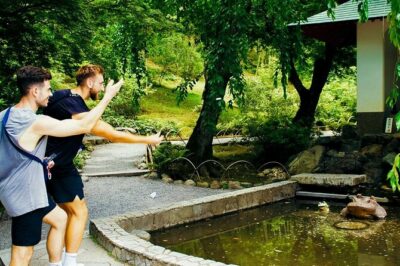 ★ 5.0Arashiyama Bamboo Forest, Monkeys, Matcha & Temple TourFrom $53759 reviews
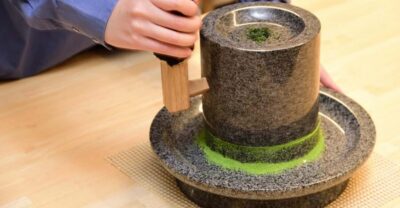 ★ 4.9Tea Museum Tickets and Matcha Grinding ExperienceFrom $23739 reviews
Browse the lists this tour appears in