
Reviewed · KYOTO TEMPLE & SHRINE TOURS
KYOTO-NARA: Giant Buddha Deer Pagoda “Geisya” (Italian, full day)
Kyoto to Nara in one day feels like a story you can walk through. This full-day outing strings together Todai-ji and Japan’s classic Kyoto neighborhoods with an Italian-speaking guide who keeps the explanations clear and human.
I especially like the mix of big, iconic sights and small moments, like watching tame deer in the park and learning the devotion and legends behind what you see. My other favorite part is the guide support, including real help during the day and the way questions get answered, even when you want to go off-script.
The main drawback is pacing. If you love lingering in temples, shopping streets, or photo stops, this schedule can feel a bit tight because it’s built around getting to several highlights in one day.
Quick hits
- Italian live guidance with historical and cultural explanations while you move between sites
- Small group size (limited to 15) so it stays easier to ask questions and get help
- Todai-ji in Nara plus time to walk, browse, and soak up the deer park atmosphere
- Kiyomizu-dera area and the old pilgrimage street vibe, with plenty of snacks and souvenirs
- Gion and Pontocho finish, so your day ends where you can keep exploring on foot
From Kyoto Station to ancient capitals: why this day flows
This tour is built on a simple idea: train to Nara, bus to the temple area, then the reverse back to Kyoto for Kiyomizu-dera and Gion. The result is a day that moves efficiently without feeling like nonstop rushing.
You start at Kyoto Station and the itinerary breaks the trip into clean chunks. There’s a train segment, a short coach ride, then walking time inside the temple districts. That structure matters because it helps you stay oriented, especially if you’re traveling solo or you don’t want to problem-solve public transport all day.
Another thing I like is the support style. The tour promises assistance during the itinerary and practical Japan travel info on request. That turns the day from a checklist into something closer to having a friend who knows the ropes.
More Kyoto temple visits, food tours, tea experiences, and day trips to compare


Todai-ji in Nara: giant Buddha plus deer park reality
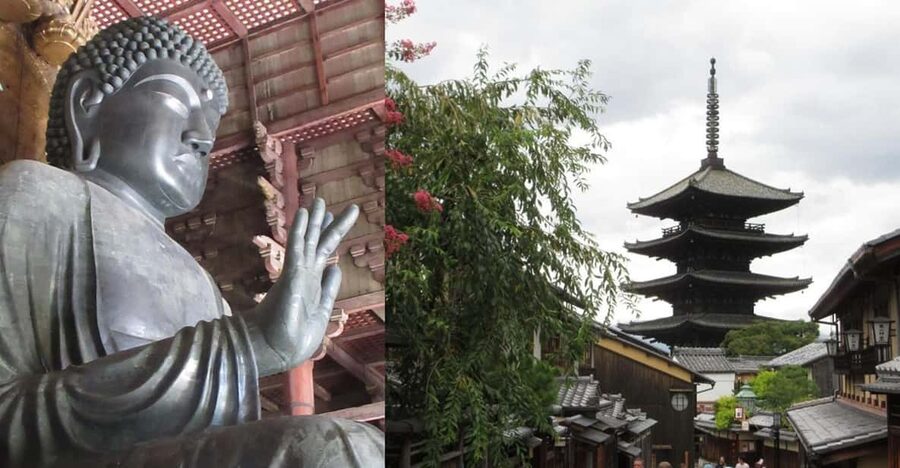
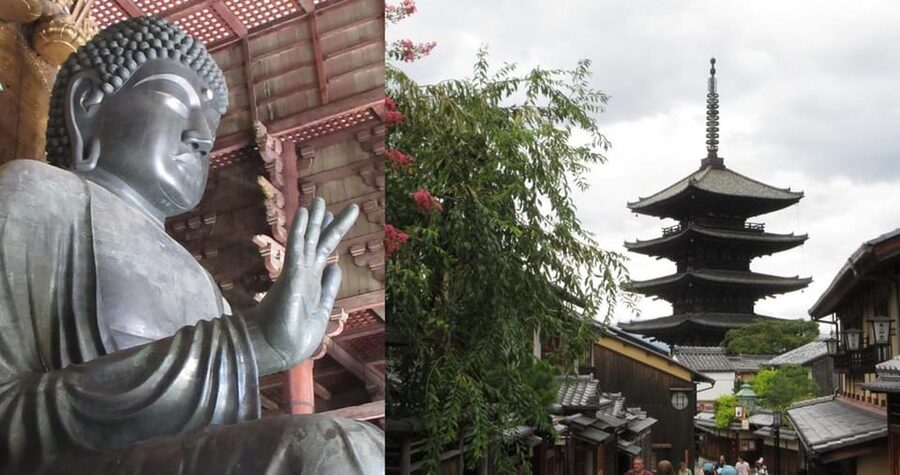
Nara’s Todai-ji is famous for a reason: it houses one of Japan’s huge Buddha statues, and you feel that scale fast. Your time here is guided, with explanations focused on the monuments at Todai-ji, including items designated as national treasures.
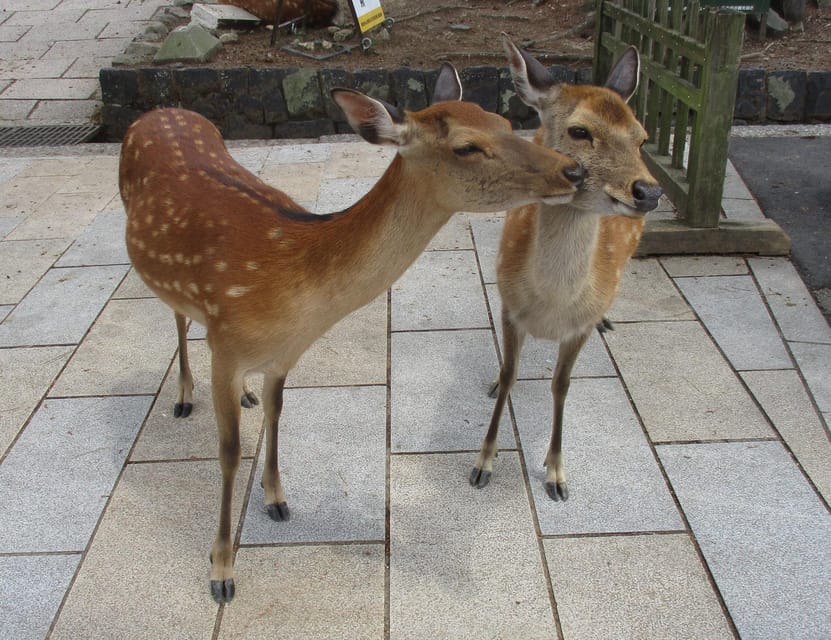
You also get the deer park experience in a way that’s hard to replicate on your own without knowing what to look for. The deer roam freely in the huge park around the temple complex. If you want the practical angle, it’s a good idea to pay attention to how the area works so you can enjoy the deer without getting stressed about where they are.
There’s also a very local touch: deer cookies are sold at special stalls. That gives you a concrete, low-pressure way to interact with the setting, and the guide can frame what you’re seeing in terms of local devotion and long-term coexistence.
Ukimido stop: a short pass with big context
Near Todai-ji you’ll also pass by Ukimido. The itinerary keeps it short, but the guided element is the value. Even when time is limited, a guide can help you understand why a smaller stop matters, so you don’t feel like you’re just sprinting past points of interest.
The kind of guide who makes temples easier
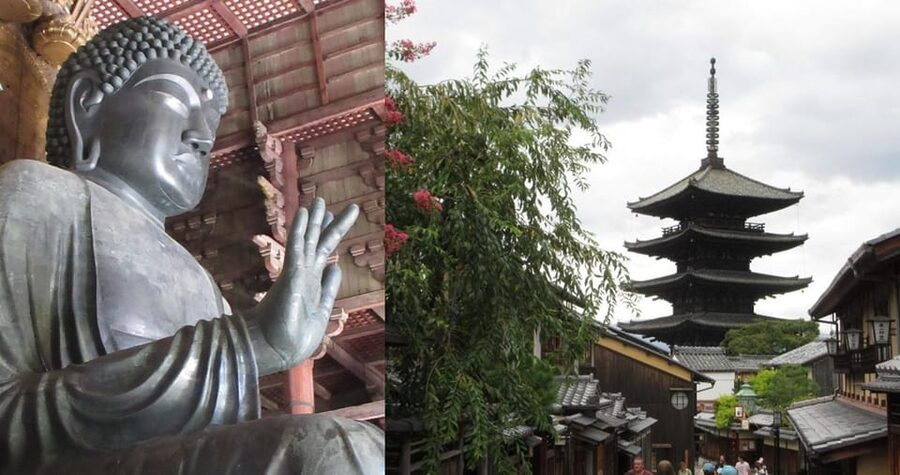
This is one of the strongest parts of the tour, and it shows up again and again in the details provided. You’re not just handed a script. You get a guide who explains what you’re looking at, and you can ask questions as you go.
In particular, the guide is described as Omae, a Japanese guide who has lived in Italy for more than a decade. That kind of language background matters. The explanations land in perfect Italian, with a sense of humor, and the day feels more conversational than classroom-like.
The other thing I like is the “beyond the sign” approach. The tour includes stories and deeper context, including legends and myths tied to the places and objects you’re seeing. You won’t just hear what something is. You’ll get why people cared about it in the past and why it still matters now.
If you’re the type who reads every plaque, you’ll still enjoy it. If you’re not, the guide fills in the gaps with context you can actually use while walking.
Timing in the middle of the day: Kyoto Station break strategy
After the Nara segment, you head back toward Kyoto. The train ride back is another 45 minutes, and then you get a break time of about 1 hour at Kyoto Station.
That hour is more important than it sounds. Kyoto Station is one of the easiest places in town to reset, use restrooms, grab a drink, and avoid the fatigue that can build when you chain temple visits back-to-back.
You then take a short coach ride again and shift back into walking for the Kyoto highlights. The sequence feels like a natural rhythm: big historical stop, return and reset, then walk through the older Kyoto streets where atmosphere does the work.
Kiyomizu-dera area: old pilgrimage streets and the fun side
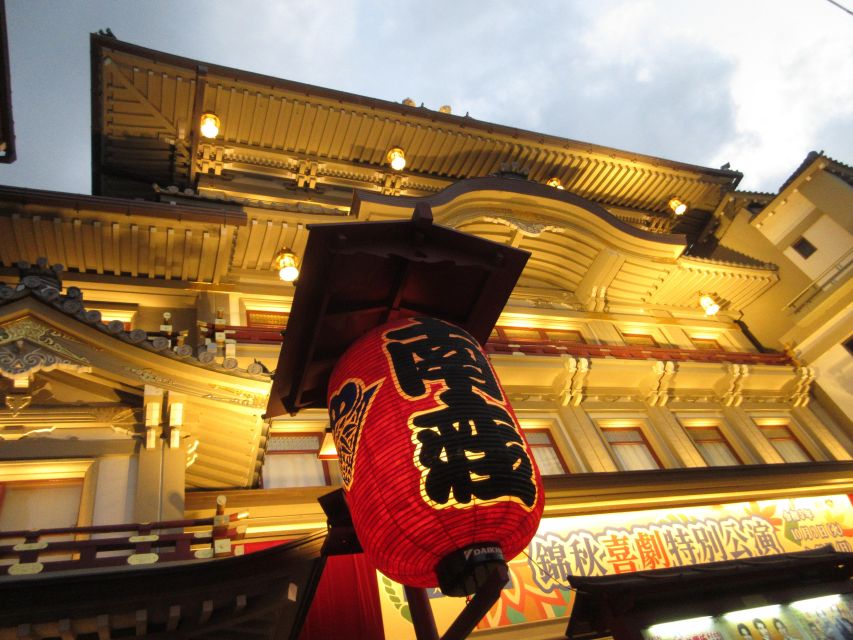
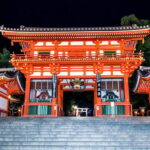
Kiyomizu-dera itself comes with a guided visit, and the itinerary gives you about 1 hour there. Since you’re also walking through the approach, the experience isn’t only about the temple footprint. It’s about the pilgrimage-route atmosphere.
The route has developed from the 8th century to today, and the streets are lined with all the usual Kyoto visitor temptations: souvenir shops, sweet shops, and small bars that keep the energy alive. This matters because Kiyomizu-dera is not just a quiet temple stop. It’s part of a lived-in area where people come for snacks, photos, and festival-like browsing even outside of big holidays.
You’ll spend about 20 minutes walking between segments in this portion of the day, so wear shoes you trust. The goal is simple: you want enough comfort to keep moving without counting steps.
What your guide can add here
A lot of tours get stuck at the temple gate. This one keeps the story going along the way. The guide explains historical, cultural, and religious details, and answers questions about what you’re seeing, including stories that aren’t usually written in a normal tourist guide.
That combination is great value because it turns a street full of shops into something with meaning, instead of just “busy shopping time.”
Gion-kobu and Pontocho: geiko and maiko culture in context
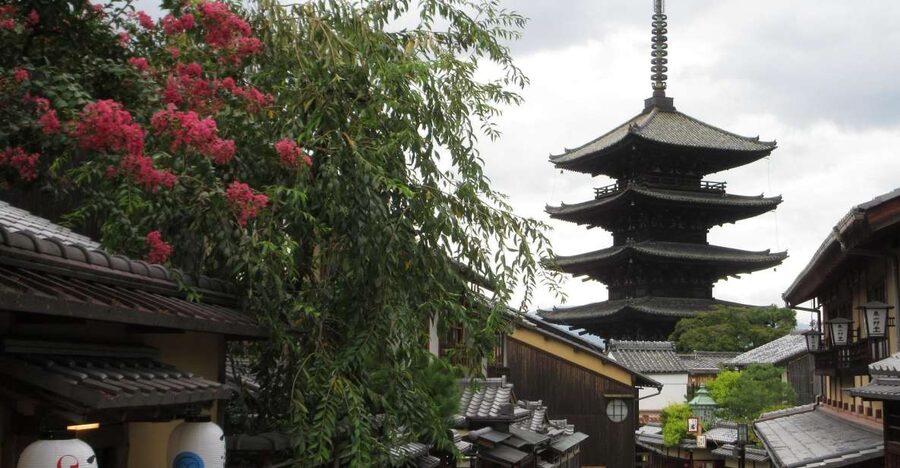
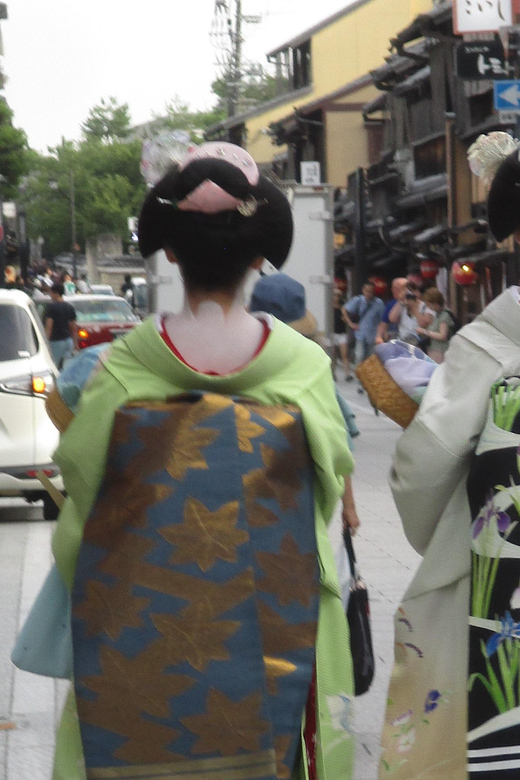
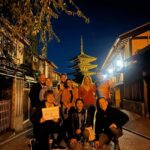
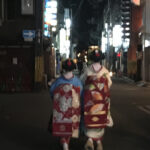
From Kiyomizu-dera, you head to Gion-kobu for a guided visit. The itinerary includes about 20 minutes here, with an end point at Pontocho.
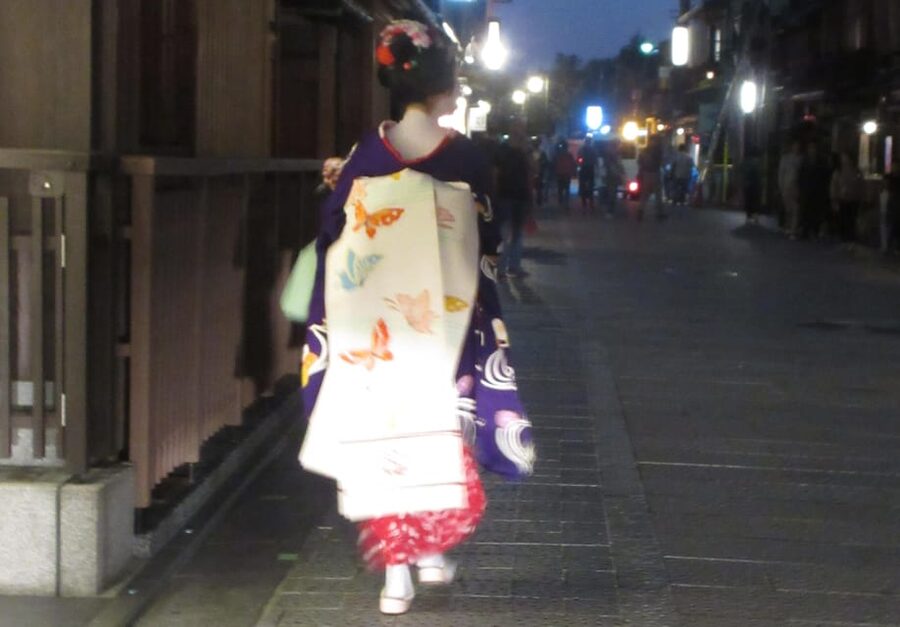
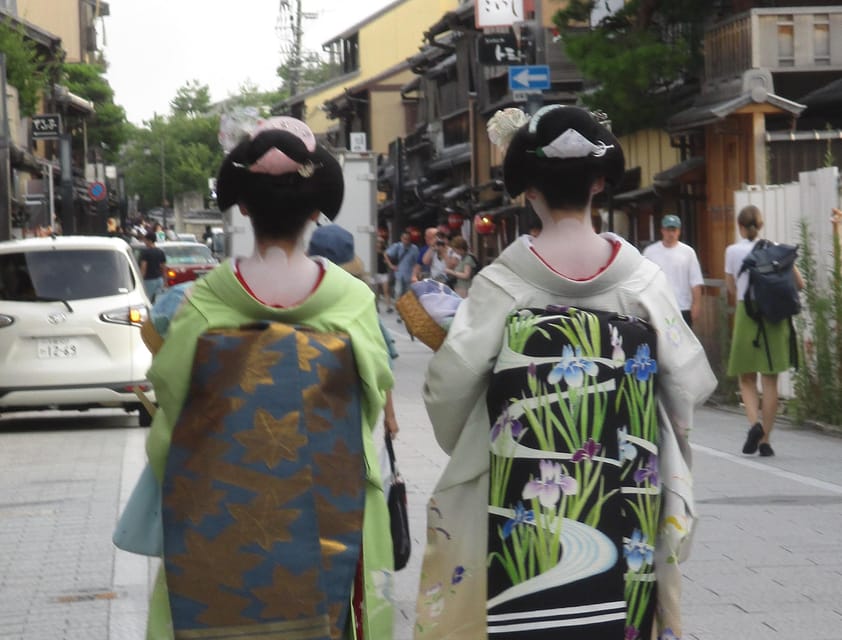
This portion of the tour is especially good if you want cultural context without spending the whole day researching nightlife lore. The tour frames Gion-kobu as the area where professional Maiko and Geiko artists often work. That’s a useful baseline, because it helps you interpret what you’re seeing in the streets.
You also get a practical payoff: Pontocho is a good finish point because it’s a walkable area where you can keep exploring after the guide portion ends. Even if you don’t plan a long meal, it’s a great place to transition from structured touring back to free wandering.
One note for expectations: this part is time-limited by design. If you want extended street photography or slower browsing, you’ll likely want to continue on your own after the tour ends.
Group size and support: what “small group” really means
A maximum of 15 participants is the kind of detail that quietly changes your experience. It’s easier for the guide to manage pacing, easier to hear explanations, and easier to get help if something goes off-plan.
The tour also says the itinerary can be flexible upon request as far as possible. That’s helpful when you run into real-life variables, like how quickly you move through a crowd or how long someone needs for a photo, a snack, or a restroom break.
And there’s an extra layer of comfort: the tour offers practical information about traveling in Japan in general, free of charge upon request. If you’re new to Japan or you’re unsure about etiquette, transport, or how to read the day, asking early can make the rest of your trip smoother.
Price and value: is $176 fair for this full day?
At $176 per person for a full day, the honest question is value. Here’s where the math gets better than it looks on paper.
You’re paying for:
- Italian live guided narration
- transportation fares by train and bus that are scheduled as part of the day
- entrance fees for the monuments included in the program
- a small group experience rather than a large coach-style crowd
So while the cost isn’t cheap, it’s not just “a guide walking you around.” It’s also the friction removed by bundling logistics and admissions into one package.
That said, one downside showed up in a less enthusiastic rating. The complaint wasn’t about the guide quality, it was about completeness given the time available. If you come with a deep interest in temple architecture or want extra browsing time, you may feel the day is designed to hit key highlights rather than go deep for hours.
Practical tips so you enjoy every stop
Here are the small things that make a big difference with a day like this:
- Plan for walking and stairs. The day includes temple areas plus multiple walking segments, and you’ll want shoes that handle crowds and uneven ground.
- Keep your day flexible. The tour can adjust within reason, but temple traffic and shopping crowds still affect your pace.
- Use the guide early. If you want answers in English alongside the Italian explanations, ask questions as you arrive, not at the end of the day.
- Have your deer-cookie moment. If you’re going to feed the deer, do it calmly and follow the flow around the stalls.
- Decide your shopping style. The Kiyomizu-dera streets are built for browsing, so decide if you want one quick pass or slower window shopping.
Who should book this Kyoto-Nara Geisya day trip
This tour fits best if you:
- want iconic Nara and Kyoto highlights in one day without self-planning transport
- prefer a live Italian guide who explains history, devotion, and stories while you walk
- like structured pacing but still want room to ask questions and explore in small stretches
- enjoy the cultural side of Gion, rather than treating it only as a photo stop
It’s also a good option for groups of friends or families who want one organized day and then free time later.
If your travel style is slow and you hate being moved along, you might feel the schedule. In that case, you may prefer fewer stops and more time per site.
Should you book this Kyoto-Nara full day with Italian guidance?
I think you should book this if you value a guided, language-accessible day that connects the big sights with the meaning behind them. The guide quality, including Omae’s strong Italian and story-driven explanations, seems to be the heart of what makes the experience work.
I’d skip or reconsider if you know you want to linger for hours at fewer locations. This itinerary is built for momentum: Todai-ji, deer park atmosphere, Kiyomizu-dera streets, then Gion and a walk into Pontocho.
If you’re the kind of traveler who wants to understand what you’re seeing while still having a fun, snack-and-photo Kyoto finish, this Geisya-themed day is a solid bet.
FAQ
What language is the tour guide?
The live tour guide provides the tour in Italian.
Where is the meeting point in Kyoto Station?
Meet in the space between the four escalators in front of the cab terminal, east just outside the north central entrance to Kyoto Station. You will receive confirmation email details the day before.
How long does the tour last?
The duration is a full day, listed as 1 day.
What are the main stops during the day?
You visit Todai-ji in Nara, then later Kiyomizu-dera and the Gion area in Kyoto. The tour finishes at Pontocho.
How many people are in the group?
The group is limited to a small group of 15 participants.
Is the tour wheelchair accessible?
Yes, the tour is wheelchair accessible.
How much time is given at key parts of the itinerary?
Todai-ji visit time is listed as 1.5 hours, Kiyomizu-dera guided visit is 1 hour, and Kyoto Station break time is 1 hour. Gion visit is listed as 20 minutes.
More Full-Day in Kyoto
More Tour Reviews in Kyoto

Not for you? Here's more nearby things to do in Kyoto we have reviewed


Kyoto Temple & Shrine Tours, compared.
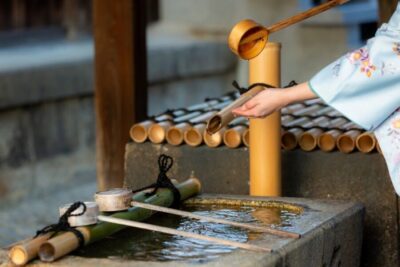 ★ 4.9Tea Ceremony Ju-An at Jotokuji TempleFrom $293,207 reviews
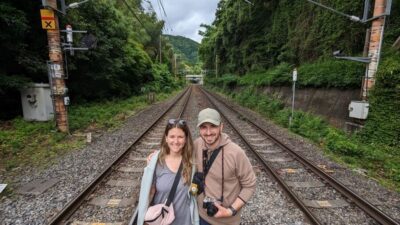 ★ 4.8Arashiyama Bamboo, Temple, Monkeys, or Secret Sake BreweryFrom $87886 reviews
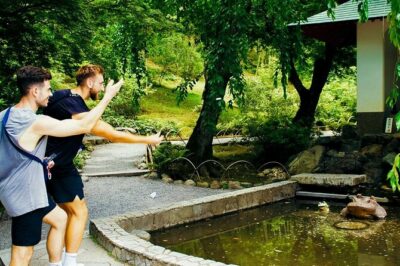 ★ 5.0Arashiyama Bamboo Forest, Monkeys, Matcha & Temple TourFrom $53759 reviews
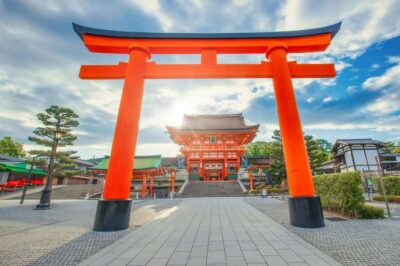 ★ 4.4Osaka/Kyoto: Arashiyama, Nara & Fushimi Inari Shrine w/LunchFrom $61754 reviews
 ★ 4.2Ninnaji Temple Entry TicketFrom $5650 reviews
 ★ 4.7Imperial Palace & Nijo Castle Guided Walking TourFrom $49453 reviews
 ★ 5.0Kyoto Zen Meditation & Garden Tour at a Zen Temple with LunchFrom $110441 reviews
 ★ 5.0Zen Experience in a Hidden TempleFrom $109437 reviews
Browse the lists this tour appears in