
Reviewed · KYOTO TEA CEREMONIES
Kyoto: Nara & Traditional Matcha Experience Bus Tour
Deer in the morning, matcha by afternoon. This Kyoto-area day trip ties together two of the most memorable regions in Japan, with stops at Todaiji and Uji tea town, guided in English. I’ve heard guides like At-chan and Mai are especially good at making the day feel organized and friendly.
I love the professional English-speaking guide plus skip-the-line admissions. It means you spend more time seeing, less time sorting tickets and figuring out what to do next.
I also love the combo of Nara Park deer moments and hands-on matcha in Uji. The one drawback to plan around is walking, since you’ll go up stairs and hills, and it is not suitable for wheelchair users or people with mobility impairments.
Key highlights that make this day trip worth it
- Todaiji’s Daibutsuden Hall: see the Great Buddha in one of Japan’s largest wooden buildings
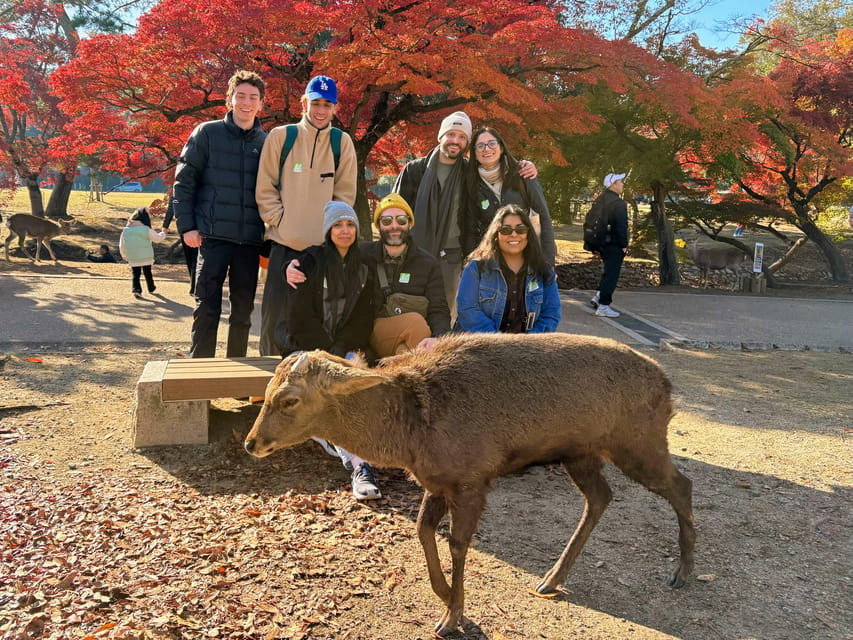
- Nara Park deer etiquette: you can feed deer with rice crackers, and yes, they may bow at you
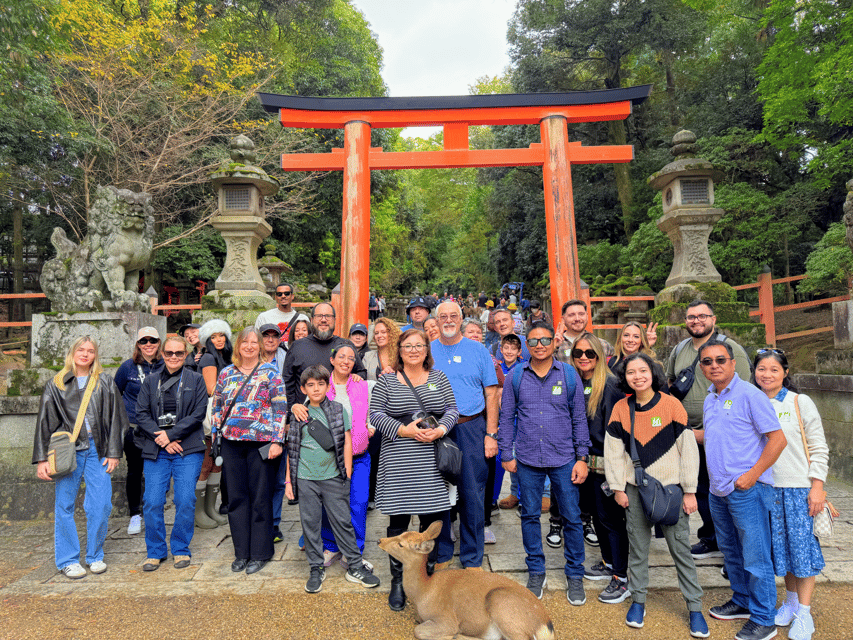
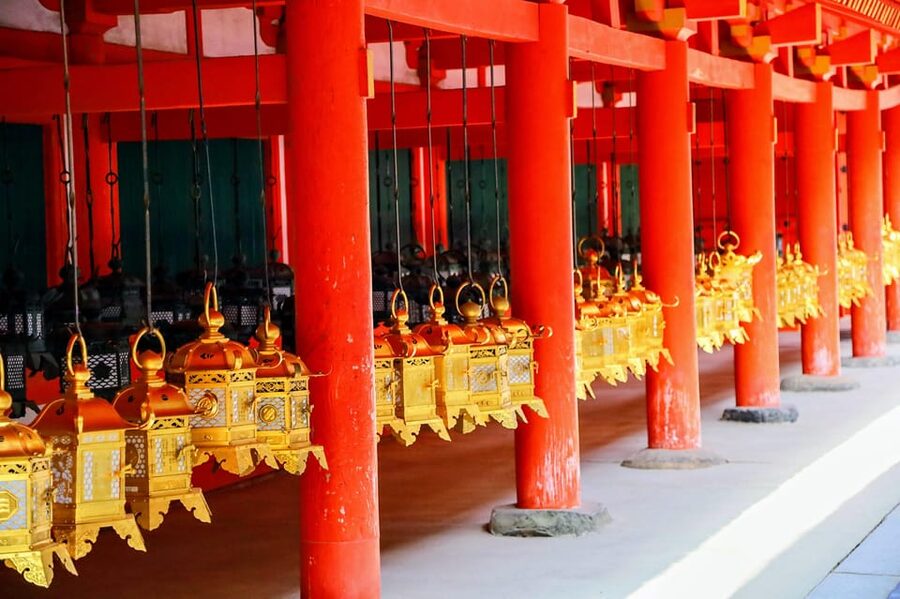
- Kasuga Taisha’s lantern field: don’t miss the magical 3,000 stone lanterns
- Byodo-in and the 10 yen connection: Phoenix Hall is the famous coin image
- Uji matcha from scratch: make matcha yourself, then enjoy time in Uji shops afterward
- Coach comfort and language help: air-conditioned bus with free Wi-Fi plus multilingual audio headsets
Why a Kyoto to Nara and Uji bus day feels calmer than rushing
Kyoto can be intense. Temples, lines, crowds, and you start thinking about your feet more than your photos. This is a different pace. You get a clear route, a live English guide, and a coach that handles the in-between travel so you can focus on the sights.
What I like most is that the day is built around contrast. You start with ancient Nara, complete with big temple scale and those friendly deer. Then you shift into Uji, the tea region where matcha isn’t just a souvenir idea, it’s something you can actually make. The result is a day that feels varied without becoming chaotic.
You also get three World Heritage connections in one go, which is rare when you’re trying to cover a lot from Kyoto. Todaiji and Kasuga Taisha are major anchor sites, and Byodo-in connects to UNESCO listings through the Historic Monuments of Ancient Kyoto. If this is your first real trip beyond central Kyoto, it’s a smart way to hit the highlights with less guesswork.
You can also read our reviews of more tours and experiences in Kyoto.

Meeting at Kyoto Avanti, then settling into coach comfort
Your day starts at Tully’s Coffee at Kyoto Avanti. Check-in is at 7:50 AM, with departure at 8:00 AM. The meeting instructions are clear too, since you’re looking for a green and white flag for Japan Panoramic Tours.
Once you’re on the deluxe coach, you’ll notice the small comfort perks that matter on a long day. It’s air-conditioned, includes free Wi-Fi, and has antibacterial coating with regular ventilation. You also get audio headsets in several languages, including Spanish, French, Italian, German, Portuguese, and Ukrainian, alongside the live English guide.
One small but useful detail: you’ll pass major landmarks on the way to Nara, including Fushimi Castle and Heijokyo palace. Even if you only see them from the road, it helps you understand where you’re going and why Nara matters historically.
Practical tip: wear comfortable shoes. You’ll be walking, and the tour notes you’ll face stairs and hills. Bring water and some cash for snacks and deer treats. Also, pets are not allowed.
Todaiji Temple: Daibutsuden Hall and the Great Buddha scale shock
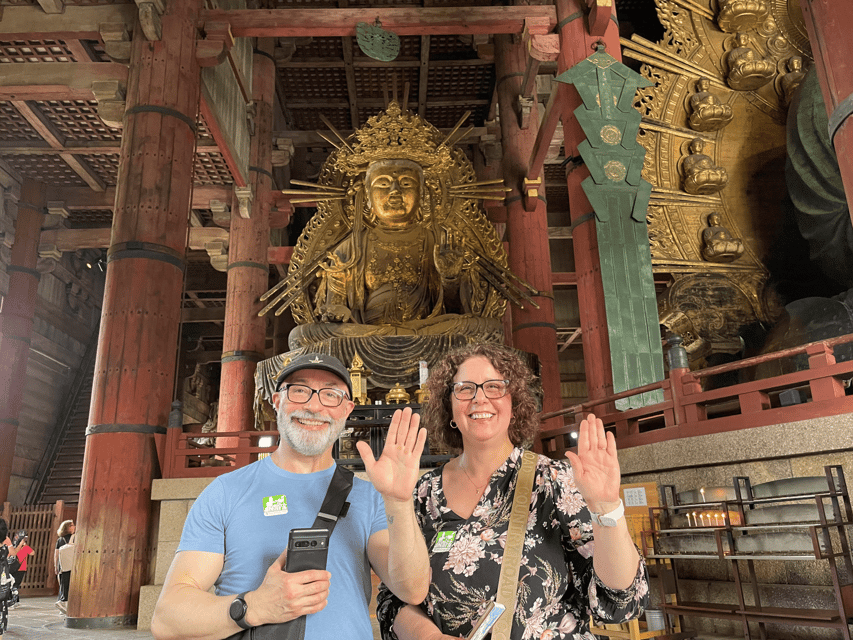
Todaiji is the kind of place that makes you slow down, even if you only have about 50 minutes. The key stop is the Daibutsuden Hall, the main hall that houses the Great Buddha of Nara. It’s famous for sheer wooden scale, one of those buildings that feels bigger than your brain expects.
Even if you’ve seen temple photos before, this is one of those moments where the size hits you in person. The guide’s commentary helps you read the space, so it’s not just looking at old architecture. You’ll also get context for why this temple complex is such a centerpiece of Nara’s past.
What to watch for during your time:
- The central hall view, since that’s where most of your “wow” moment will be
- Any sightlines your guide points out for photos
- Time management, because 50 minutes goes quickly when you’re photographing and walking
Also, Todaiji connects naturally to the next stop. Nara Park is adjacent, so after you leave the temple grounds, you’re not stepping into total logistics chaos. It flows.
Kasuga Taisha and its 3,000 stone lantern atmosphere
Kasuga Taisha is quick but memorable, with about 30 minutes on the ground. The headline here is the lanterns. You’re not just passing by decorations. You’re walking through an area defined by the famous number of stone lanterns, around 3,000. That lantern field creates a mood even in daylight, and it’s exactly the kind of detail that makes the temple feel special, not routine.
This is also a great stop for anyone who wants different energy from the Great Buddha experience. Todaiji is massive and public-facing. Kasuga Taisha feels more intimate, with a slower visual rhythm. The guide can help you notice what’s ornamental versus what has deeper meaning, so you’re not just scanning for the most photographed spots.
A practical note: if you want souvenir photos, do it efficiently. You have a set time, and the day continues toward Nara Park, lunch, and then Uji.
Nara Park deer encounters, with a safety-minded approach
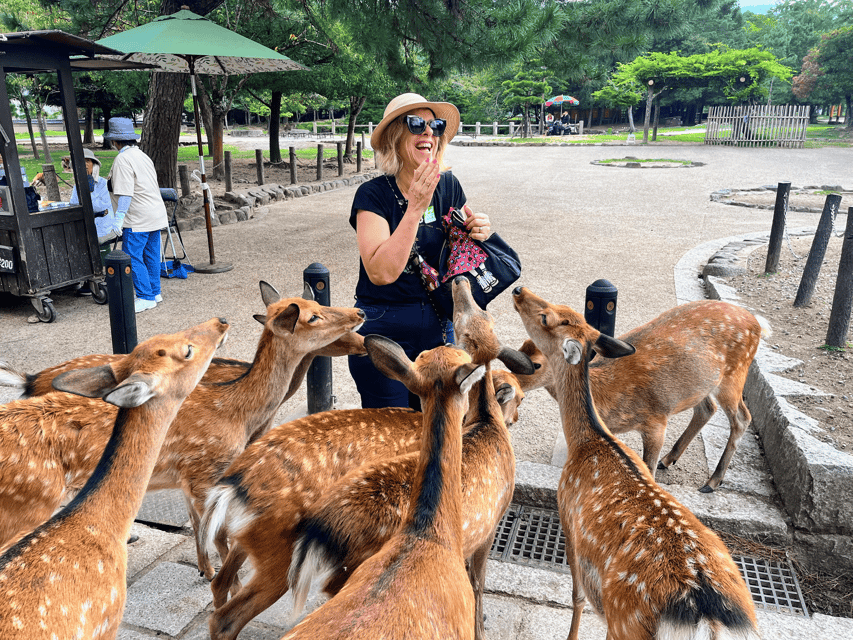
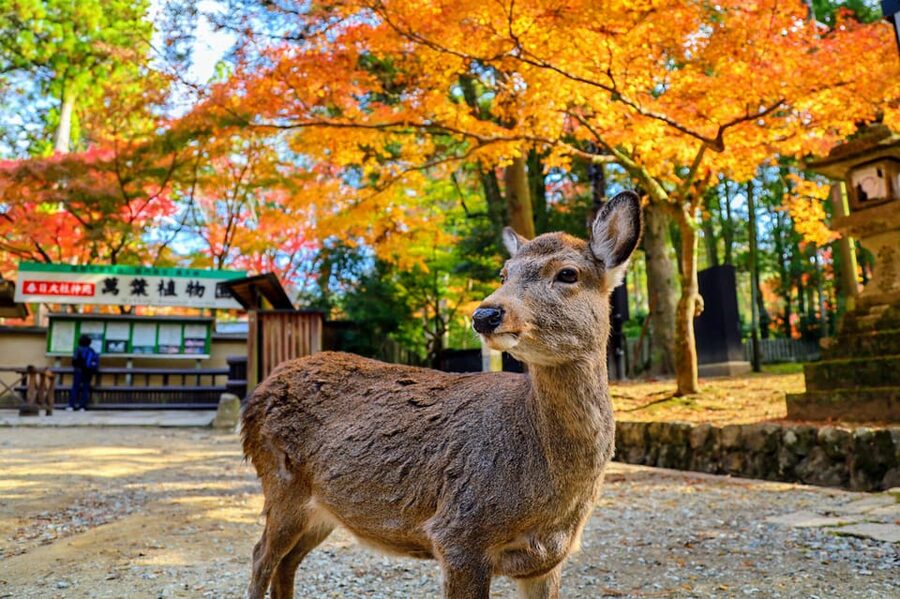
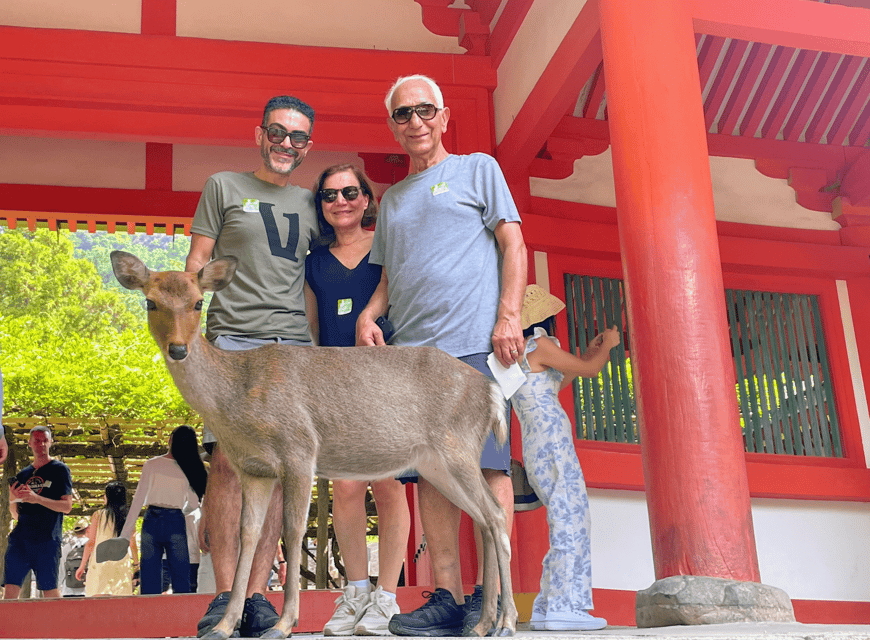
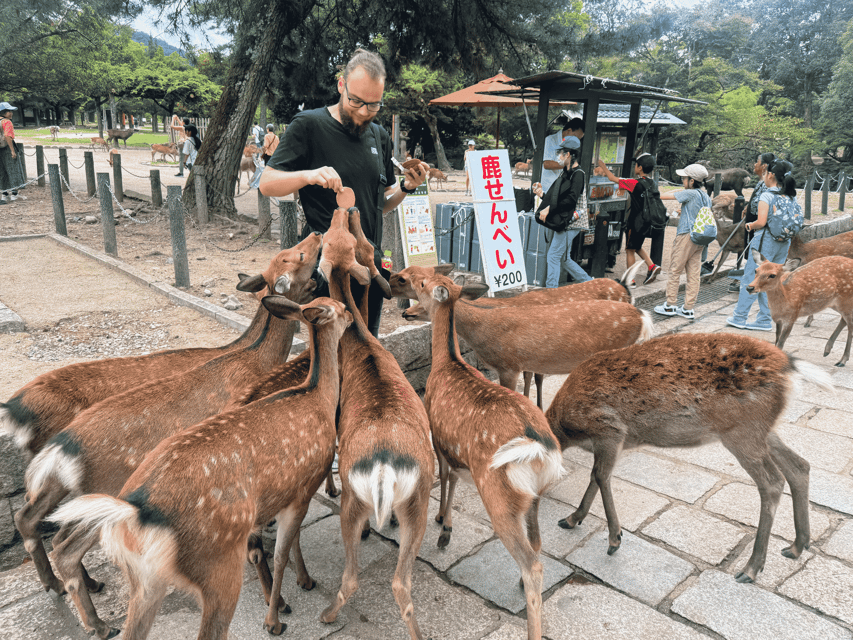
Nara Park is where the day becomes playful. It’s adjacent to Todaiji, and your visit includes time to walk the park and meet the deer. The tour experience encourages you to feed deer with rice crackers, which you can buy at roadside stalls and along the route to shrines.
This is fun, but keep it sensible. The deer can be bold. One of the tour notes is that you should be careful because they may bite. If you follow that basic caution and don’t treat feeding like a food fight, it’s a friendly experience.
How to do it without stress:
- Keep your crackers in hand so you’re not digging in bags at close range
- Move slowly and stand back if a deer crowds you
- Don’t let kids get too close
- Hold your phone securely, since you’ll be doing quick reactions
Also, deer behavior is part of the charm. Some deer may bow when you feed them, which sounds silly until it happens and the moment becomes a story you repeat later.
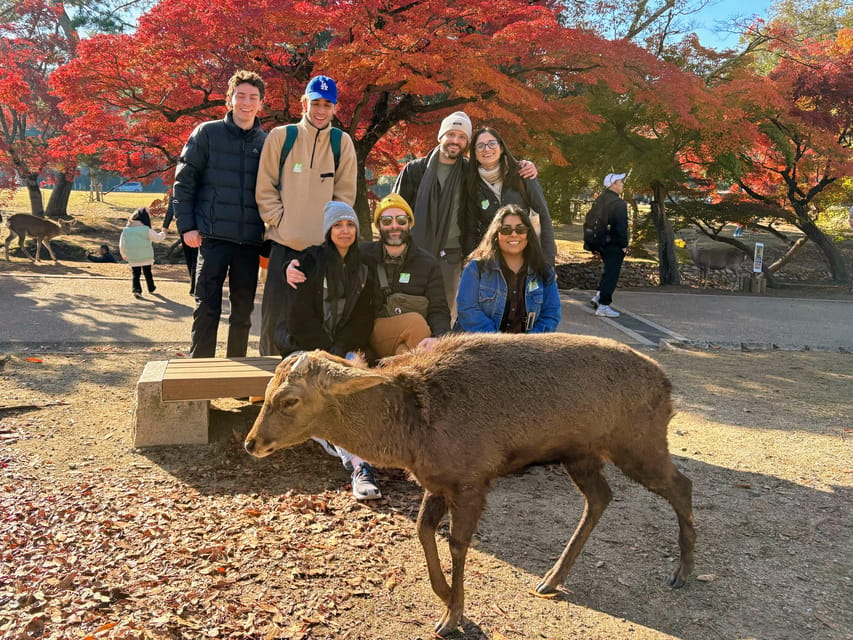
From a value point of view, this stop is one of the best “you can only do this here” parts of the trip. If you’re traveling with kids, it’s a huge win. If you’re an adult, it still breaks up the temple-heavy schedule in a way that feels natural, not forced.
Lunch timing and what Uji day feels like after temples
Between Nara and Uji, there’s lunch break with about 50 minutes. If you booked the lunch option, you’ll enjoy a Japanese lunch. If you didn’t, you’ll still have time to eat on your own.
This matters because the afternoon in tea country can take more of your attention than you expect. You’ll want energy for Byodo-in and for the matcha experience after. Japan does a great job with meals, but when you’re on a timed schedule, it helps to plan ahead.
If you’re someone who dislikes rushed meals, the coach format still helps because everything stays organized. You’re not trying to navigate the city at the exact moment you’re hungry. You just need to be back when the group calls you.
Byodo-in Temple in Uji: Phoenix Hall and the 10 yen viewpoint
Byodo-in Temple is the Uji landmark with the connection you instantly recognize. The Phoenix Hall is the one shown on the 10 yen coin, and it’s registered as a UNESCO World Heritage site as part of the Historic Monuments of Ancient Kyoto.
Your time here is about an hour. That’s enough to appreciate the hall itself and to slow down for photos and atmosphere. Byodo-in tends to feel more elegant and still compared to the earlier Nara stops. Think calm visuals, a tea-region tempo, and a shift from deer and lanterns to refined temple form.
The guide context is especially helpful here. If you know what you’re looking at, the building stops being just an image on a coin and starts being a specific cultural work tied to a real historical moment.
Making matcha in Uji: from tea town to the bowl in your hands
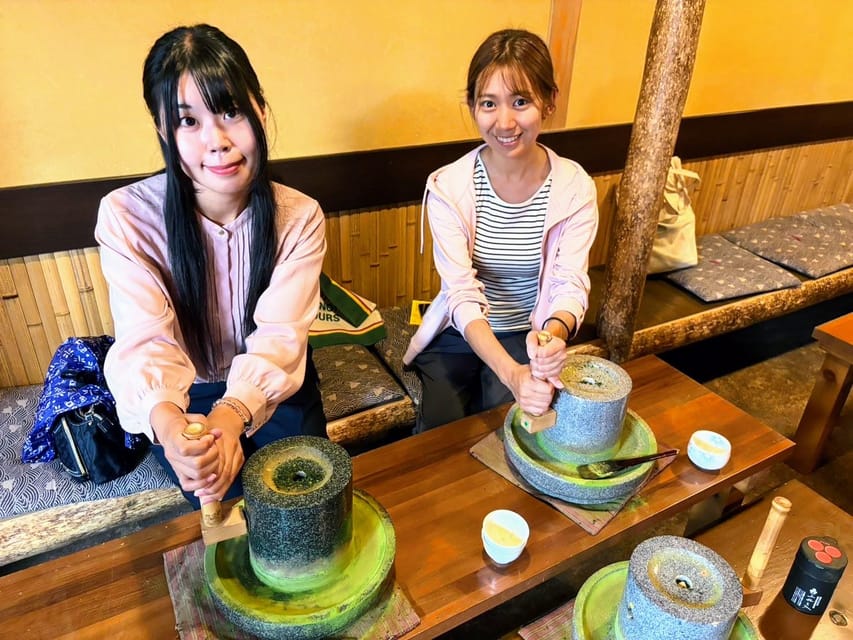
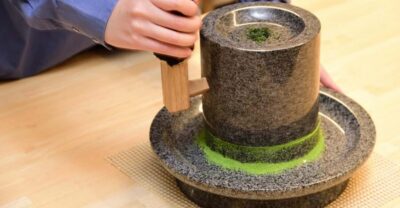
Uji is where matcha stops being a dessert flavor and becomes a craft. After Byodo-in, you’ll head to the matcha area for hands-on making of Uji Matcha from scratch. The itinerary also gives you free time plus a tea ceremony component for about 70 minutes total in Uji.
Here’s what’s valuable about this experience. You’re not only buying matcha, you’re learning what it is. Matcha is powder made from finely ground green tea leaves. In Japan, it’s used not just in tea ceremonies, but also in sweets and cooking. When you make it yourself, you understand why it tastes different from regular green tea.
During the Uji time, plan to do two things:
- Enjoy the matcha moment with the guide’s explanation, then actually taste it
- Use the nearby shops and small restaurants time to buy tea you’ll enjoy later
The tour notes that the area around the matcha experience has many small shops and attractions. That matters because Uji is a place where buying matcha is easy, but choosing good quality can be confusing. When your time is organized, you can browse without feeling like you’re missing the main event.
A last practical point: you’ll be in a long day, so keep your pace steady. If it’s warm, you’ll appreciate water and a slow rhythm in the shopping time.
Price and value: what $122 gets you, and what to budget
At about $122 per person for a full day, the value comes from what’s bundled. You’re paying for transportation on a deluxe coach, a professional English-speaking guide, admission fees for Todaiji and Byodo-in, plus the matcha experience fee. You also get audio headsets in multiple languages and free Wi-Fi on the bus.
That’s why this tour can cost less than you might expect to recreate on your own. If you tried to DIY the same set of temples, travel time, guided interpretation, and matcha workshop, you’d spend heavily on separate tickets and transportation coordination. Here, you’re paying for efficiency and reduced decision fatigue.
What’s not included is also clear. Additional food and drinks are on you, plus there’s no hotel pick-up and drop-off. So if you like to snack often, budget a bit for drinks and extras.
One more detail that affects value: the tour is highly rated, around 4.9 with a strong transport score. That usually translates into smoother timing, and the guides in this program get praise for staying organized and keeping a reasonable pace.
Should you book this Kyoto, Nara, and Uji matcha day trip?
If you want an easy first-timer day that hits major landmarks and a hands-on cultural activity, I’d book it. It’s especially good if you:
- Want Nara highlights without negotiating trains
- Care about seeing Todaiji and Kasuga Taisha with context
- Like the idea of feeding deer, but also want a guided flow
- Want matcha that goes beyond tasting a cup in a café
Skip it if you’re sensitive to walking hills and stairs, since this tour is not suitable for wheelchair users or people with mobility impairments. Also, if you hate early starts, this schedule will feel demanding, since check-in is at 7:50 AM.
My practical advice: go in with comfortable shoes, water, and a small amount of cash. And when you get your free time in Uji, treat it like buying souvenirs with intention, not just wandering. Pick the matcha you’ll actually use, and you’ll feel the value long after the day ends.
FAQ
What time do I meet, and when does the tour depart?
You check in at 7:50 AM and depart at 8:00 AM. The meeting point is in front of Tully’s Coffee (Kyoto Avanti Store).
How long is the tour?
The total duration is 510 minutes.
What stops are included on the day?
The tour includes Todaiji Temple, Nara Park, Kasuga Taisha Shrine, Byodo-in Temple, and time in Uji for matcha and related activities.
Is lunch included?
Lunch is included only if you select the lunch option. If you do, you’ll enjoy a Japanese lunch during the lunch break.
Does the price include temple and matcha fees?
Yes. Admission fees for Todaiji Temple and Byodo-in Temple are included, and the matcha experience fee in Uji is included too.
Is there a skip-the-ticket-line benefit?
Yes. Skip-the-ticket line is included.
What languages are supported?
The live tour guide is English. Audio guide headsets are available in Spanish, French, Italian, German, Portuguese, and Ukrainian.
What should I bring?
Bring comfortable shoes, water, and cash.
Is this tour suitable for wheelchair users or mobility impairments?
No. It is not suitable for people with mobility impairments and wheelchair users.
Can I cancel for a full refund?
Yes. You can cancel up to 24 hours in advance for a full refund.
More Tours in Kyoto
More Tour Reviews in Kyoto
Not for you? Here's more nearby things to do in Kyoto we have reviewed


Kyoto Tea Ceremonies, compared.
 ★ 4.9Tea Ceremony in a Traditional Tea House in KiyomizuFrom $493,519 reviews
 ★ 4.9Tea Ceremony Ju-An at Jotokuji TempleFrom $293,207 reviews
 ★ 4.345-Minute Tea Ceremony Lesson ExperienceFrom $222,378 reviews
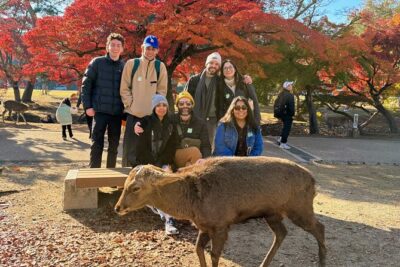 ★ 5.0World Heritage Kyoto & Nara Uji Authentic Matcha ExperienceFrom $1291,573 reviews
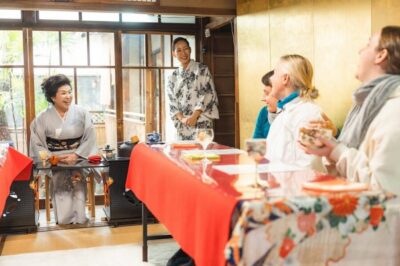 ★ 4.9Table-Style Tea Ceremony at a Kyo-MachiyaFrom $451,211 reviews
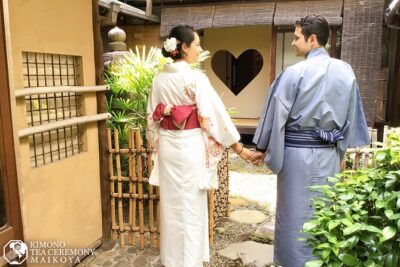 ★ 5.0Kimono Tea Ceremony at Kyoto Maikoya, NISHIKIFrom $65911 reviews
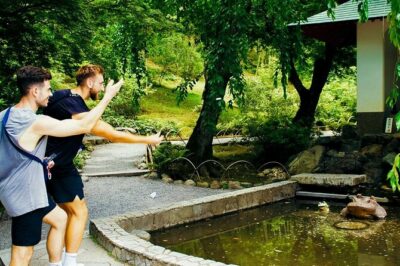 ★ 5.0Arashiyama Bamboo Forest, Monkeys, Matcha & Temple TourFrom $53759 reviews
 ★ 4.9Tea Museum Tickets and Matcha Grinding ExperienceFrom $23739 reviews
Browse the lists this tour appears in