
Reviewed · KYOTO GARDENS & ZEN RETREATS
Kyoto: Nighttime Zen Meditation and Matcha Tea Experience
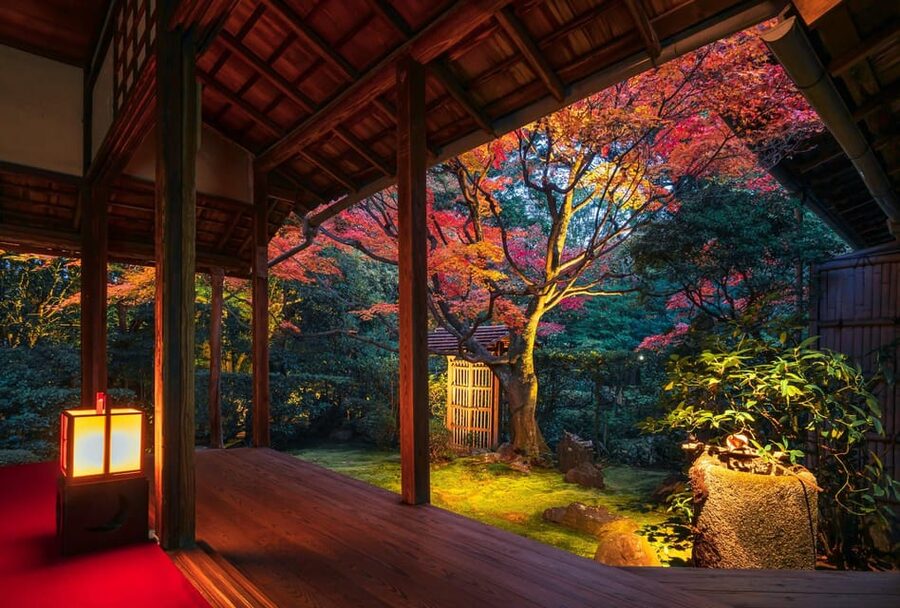
Zen at night changes your pace. This Kyoto experience lets you step into Keishunin Temple after dark, when the gardens look calm, almost unreal, under soft light. I love how the setting is intimate and quiet, so the experience feels more like practice than sightseeing.
I also like the hands-on flow: you try zazen and then taste matcha and traditional Japanese sweets with Deputy Chief Priest Yasumasa Arashima. The evening doesn’t just tell you about Zen culture, it gives you a moment to feel it, sit with it, and ask questions if you want them.
One possible drawback to weigh first is suitability. This tour isn’t suitable for children under 12 and it’s not for wheelchair users, so it may not match your group’s needs.
Key Things That Make This Keishunin Night Experience Worth Your Time
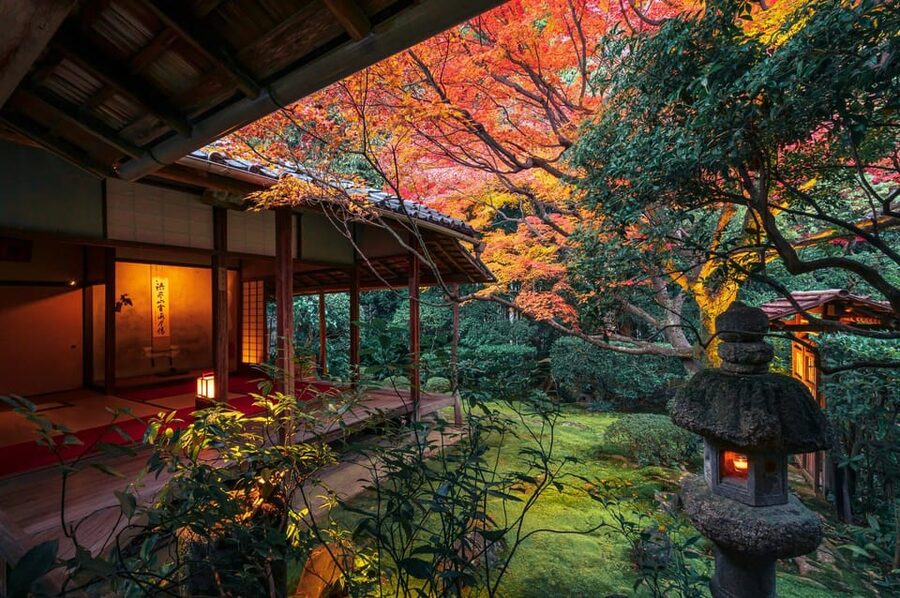
- Four Keishunin gardens lit at night, each recognized as nationally designated historical sites and scenic spots
- Sehakuan tea room access, plus viewing Kano Sansetsu fusuma paintings
- Zazen meditation guidance on-site, led by the VP Monk, with support from the English or Chinese tour team
- Matcha tea and Japanese sweets tasting, with Deputy Chief Priest Yasumasa Arashima
- A private group setting, which keeps the atmosphere controlled and calm for practice
- Skip the ticket line, so you spend more time inside and less time waiting
Why Kyoto Feels Different After Dark at Keishunin
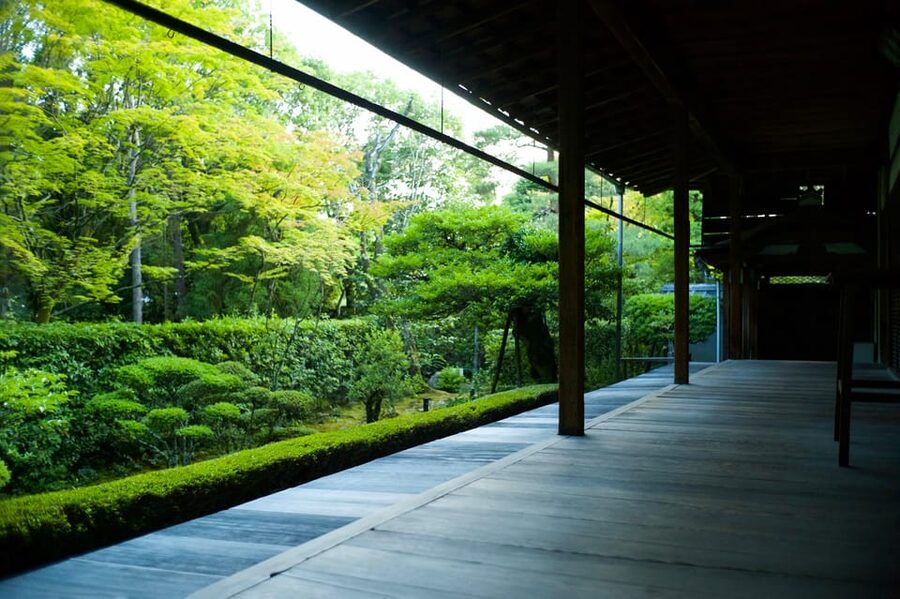
Night changes how Kyoto reads. During the day, you see temples like landmarks. At Keishunin, you experience the temple as a place to slow down, with lantern-like lighting turning the gardens into a softer kind of space.
Keishunin is a sub-temple of Myoshinji Temple, and that matters. It helps you understand why this feels less like a big show and more like a quieter corner of a bigger tradition. The night visit also gives you something simple but rare: time when the place is not asking you to keep moving.
I also appreciate that the evening format is structured, but not scripted to the point of feeling stiff. You tour, you look, then you sit. That order helps your body shift from walking mode to calm mode without you having to force it.
You can also read our reviews of more tours and experiences in Kyoto.
Entering Keishunin: Four Gardens, National Designation, and Lighted Calm
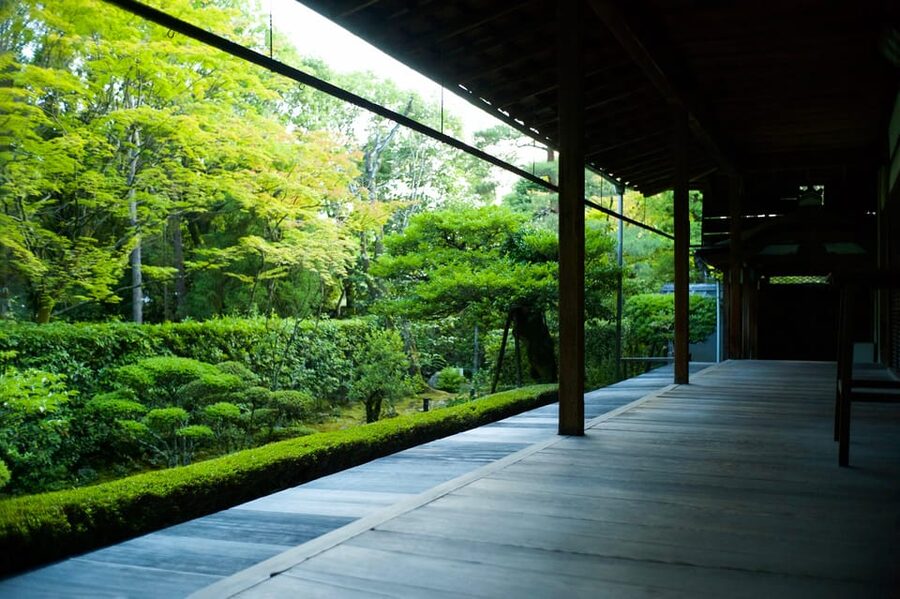
You meet your guide at the temple, then the night focus starts with the gardens. The experience centers on four gardens that are designated as nationally designated historical sites and scenic spots. Even if you’re not a garden person, this gives you a clear reason the grounds are worth seeing more than once.
The lights are not just decoration. They guide your attention to shapes, paths, and the way plants and stones hold form in the dark. You end up looking slower, like you’re reading rather than scanning.
A practical note: nighttime on temple grounds means cooler temperatures and uneven outdoor surfaces. Wear comfortable clothes and bring warm layers, because part of getting value from this kind of evening is staying comfortable enough to actually pay attention.
Also, photography rules apply. Smoking is not allowed, and flash photography is not allowed, which helps keep the mood intact for everyone doing meditation.
Sehakuan Tea Room and Kano Sansetsu Fusuma Paintings
After the gardens, you step indoors for the cultural highlights. You get a tour of the tea room Sehakuan and you also view Kano Sansetsu fusuma paintings.
This is one of those moments where the experience does more than show you pretty art. Fusuma paintings are meant to be part of the room’s rhythm. Seeing them in a temple setting helps you understand why Zen spaces often emphasize restraint, proportion, and quiet detail instead of loud spectacle.
Sehakuan is described as a hidden tea room, and that fits the feeling of the program. You are not just collecting sights, you are being guided into a more intimate layer of the temple’s cultural life. If you like hands-on context, this stop is where the guide’s explanation really earns its place.
One thing I’d keep in mind is that indoor viewing can be time-limited and calm. Go in expecting close attention rather than rushing for selfies or wide shots. If you’re comfortable with that pace, you’ll likely enjoy this part a lot.
Zazen Meditation Led by the VP Monk, With Yasumasa Arashima
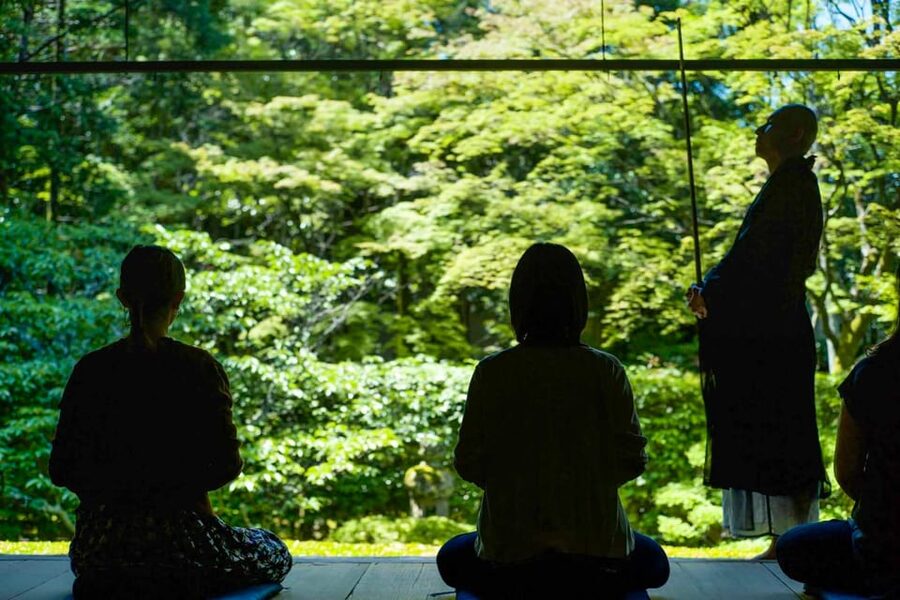
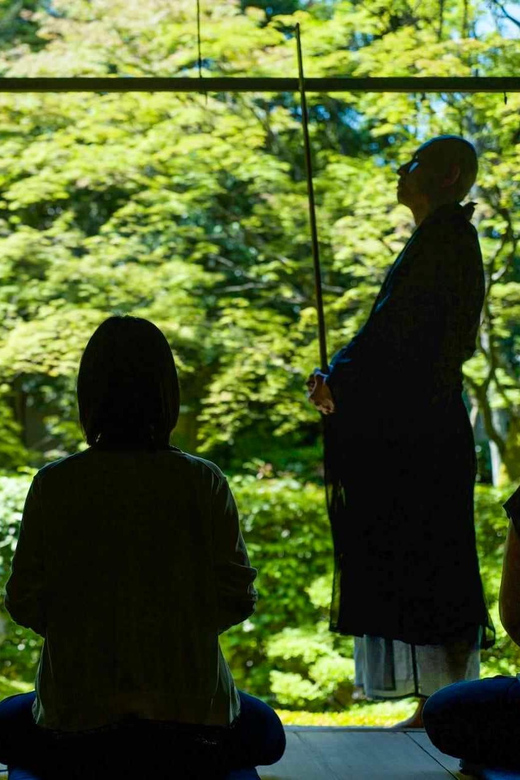
The centerpiece is zazen meditation. You practice during the experience, not as a vague concept but as an actual guided session.
In this tour, the meditation is guided by the VP Monk. That matters, because you get someone trained and present with you in the moment. If you worry about doing it wrong, don’t. You’re not expected to become an expert. You’re expected to sit, listen, and follow simple guidance.
Deputy Chief Priest Yasumasa Arashima is also part of the evening, and he connects the Zen practice to something you can hold onto after the cushion. The matcha and sweets tasting is not random timing. It gives your body a gentle transition from stillness back to everyday feeling.
One interesting detail from the meditation side is that you may learn customs for what to do if someone gets too tired during zazen, including a kind of refreshing reminder to help you keep going. That kind of practical instruction is surprisingly valuable. It turns meditation from a performance test into a human experience.
It also helps that the guides support the session in English or Chinese. The evening is offered in those languages, so you’re not left decoding instructions. If you’ve ever tried meditation abroad with unclear guidance, you know how much stress that adds.
Matcha Tea and Japanese Sweets: The Mind-Body Reset
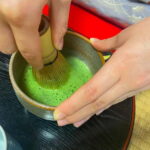
After zazen, you taste matcha tea and traditional Japanese sweets. This is the moment where the evening becomes more complete. The stillness you practiced doesn’t vanish into the night air, it continues through a slower sensory experience.
Matcha is often treated like a drink, but it’s really part of a ritual mindset. You are guided to taste, and the sweet provides a gentle landing after sitting. The experience is designed so you can feel the contrast between quiet practice and everyday comfort.
The program also includes a traditional Japanese sweet, which is a small detail with big value. When you’re learning a cultural routine, food and drink make it real. They anchor the experience so your brain remembers it as something lived, not just something watched.
I like that this tour gives you a calm “after” instead of tossing you out right after meditation. That balance is what makes an evening program feel worth the money. A lot of activities end as soon as you stop walking. Here, you get a transition.
Price and Value for a 90 Minute Night Program
The price is $206 per person for a 90 minute experience. That’s not cheap, so you should judge it by what you’re actually getting.
You’re paying for access to a nighttime visit at Keishunin, guided tours that include both the gardens and interior viewing of Sehakuan and Kano Sansetsu fusuma paintings, plus guided zazen meditation, and a tasting of matcha and Japanese sweets. On top of that, you skip the ticket line and the group is private.
For a short program, private access plus multiple structured components usually makes the price make sense. You’re not just buying admission. You’re buying time with a guide who can explain what you’re seeing, plus the quiet space to practice.
That said, the value question depends on you. If you only want photos and quick stops, you may find it pricey for a short evening. If you want an experience with slower pacing, respectful access, and guided meaning, it can feel like a fair trade.
My advice: treat this as one of your Kyoto “anchor nights,” the kind of evening you remember because it changed your mood more than your camera roll.
Who This Kyoto Night Zen Experience Is Best For
This is designed for primary school students and above. That doesn’t mean it’s only for kids, though. Adults who want a calm, structured introduction to Zen culture often love it.
A key family detail: each guest under junior high school age must be accompanied by one parent or guardian. That rule is about keeping the experience safe and appropriate for younger participants. If your group includes children, it’s worth planning around that constraint early.
On the adult side, the meditation and tea components tend to work well for people who enjoy cultural practices. If you like museums, gardens, and guided context, this fits your tastes. If you want high-energy entertainment, you may find the pace slower than you expect.
Also, it’s not suitable for wheelchair users, and it’s not suitable for children under 12. If mobility is a factor, verify your comfort level before booking.
Practical Tips: Warm Clothes, Quiet Manners, and a Better Night
This tour is simple, but your comfort level decides a lot of the quality.
Bring warm clothing. Nighttime temple visits can feel colder than you expect, especially if you’re sitting for meditation. Comfortable clothes matter because you’ll spend time standing and sitting in the guided session.
Leave flash photography off your plan. Flash is not allowed, and that’s for a reason, it protects the calm atmosphere and keeps attention where it belongs. If you want photos, stick to what the guides allow and keep them respectful of others.
If you’re someone who gets restless during meditation, you’ll be glad this tour includes guidance. The program even includes customs for handling tiredness during zazen, which is reassuring if you’re worried about making it through.
Finally, remember this is a night program with a private group. That means fewer distractions, but also fewer ways to escape your own attention. Go in expecting a quiet evening, not a chaotic tour.
Should You Book This Night Zen and Matcha Experience?
I think you should book it if your ideal Kyoto evening includes: calm practice, guided cultural context, and an easy transition from meditation to tea. The combination of lit gardens, access to Sehakuan, Kano Sansetsu fusuma paintings, and a guided zazen session with Deputy Chief Priest Yasumasa Arashima is the kind of multi-layer experience that feels intentional, not random.
Skip it if you’re chasing only mainstream temple snapshots or you need a very accessible experience for mobility limitations. This program is for people who can enjoy silence, follow simple temple rules, and wear warm layers without complaining to yourself.
If you want one night where Kyoto slows your thoughts, this is the kind of booking that can do it.
FAQ
How long is the Kyoto nighttime Zen meditation and matcha experience?
It lasts 90 minutes.
What languages are the guides?
The live tour guide offers English and Chinese.
What should I bring for the experience?
Bring warm clothing and comfortable clothes.
Are there any restrictions on photos or smoking?
Smoking is not allowed, and flash photography is not allowed.
Is this suitable for young children or wheelchair users?
It is not suitable for children under 12 and it is not suitable for wheelchair users. Primary school students and above are welcome, and guests under junior high school age must be accompanied by one parent or guardian.
What is the cancellation policy?
You can cancel up to 3 days in advance for a full refund. From 3 days before the start date to the day before, the cancellation charge is 20%. On the day of the experience, it is 50%. If you do not participate without notice or after the start, the cancellation charge is 100%.
More Tour Reviews in Kyoto
Not for you? Here's more nearby things to do in Kyoto we have reviewed
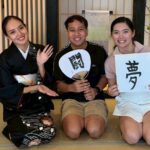
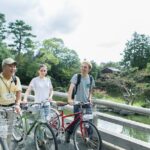
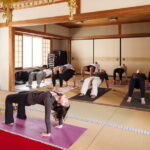

Kyoto Gardens & Zen Retreats, compared.
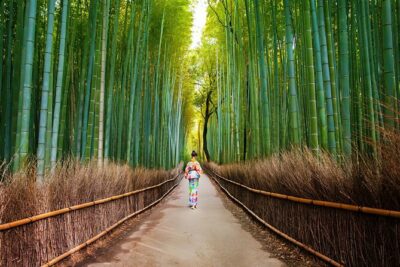 ★ 5.0Kyoto Arashiyama Walking Tour: Bamboo, Monkeys, Gardens & SecretsFrom $651,216 reviews
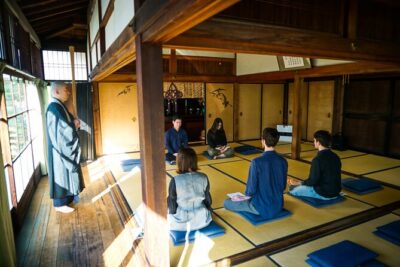 ★ 5.0Kyoto Zen Meditation & Garden Tour at a Zen Temple with LunchFrom $110441 reviews
 ★ 5.0Zen Experience in a Hidden TempleFrom $109437 reviews
 ★ 5.0Kyoto Arashiyama Bamboo forest & Garden Half-Day Walking TourFrom $129413 reviews
 ★ 4.8Tea Ceremony Meditation – Make Matcha with Tea MasterFrom $45406 reviews
 ★ 5.0Zen Meditation at a Private Temple with a MonkFrom $91202 reviews
 ★ 5.0Zen Garden, Zen Mind (Private)From $380126 reviews
 ★ 5.04.5-Hour Kyoto Bike Tour with Lunch and UNESCO Zen TemplesFrom $99122 reviews
Browse the lists this tour appears in