
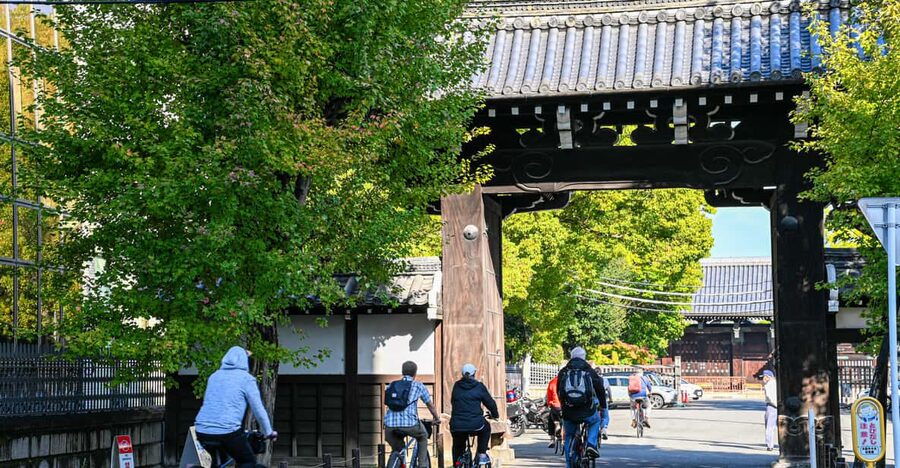
Reviewed · KYOTO BIKE & E-BIKE TOURS
Kyoto: North Kyoto Guided Cycling Tour with Lunch
Temples and tea stops on two wheels. This North Kyoto ride strings together major sights with calmer neighborhood streets, plus a real local lunch you will actually look forward to. I like how Kinkaku-ji (Golden Pavilion) fits naturally into a cycling route, not a bus circuit. I also like the small group feel, so the pace stays human.
One consideration: at 390 minutes, it is a half-day you will feel in your legs. If it is hot, you will want the water plan to be taken seriously, and this tour does provide water, with guides paying attention to heat.
Good news, you get a guided flow through temple gates, shrine grounds, and the former Imperial Palace area, with an easier downhill approach toward Gion. And yes, lunch is included, so you can stop thinking about food and start enjoying the day.
Key highlights worth marking in your day
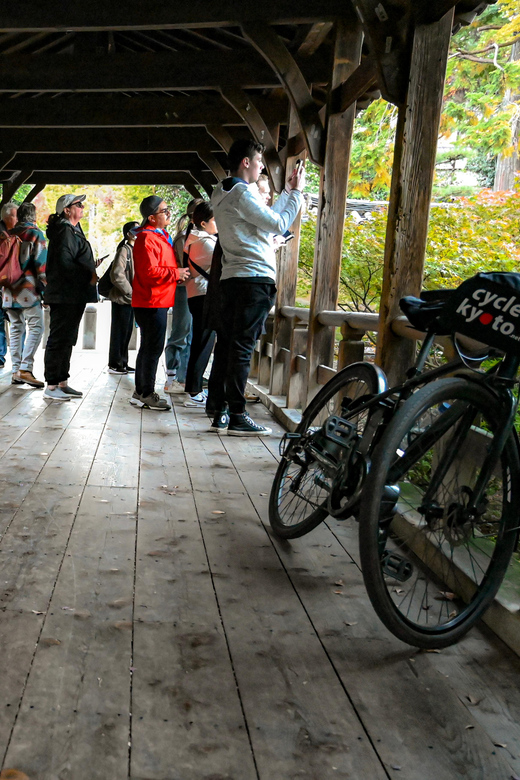
- Kinkaku-ji time on a guided cycling route, with about 30 minutes to explore the Golden Pavilion area
- Nishi Honganji and Kitano Tenmangu Shrine entrances included, so you get past the obvious photo stops
- Lunch at a local restaurant, not a touristy afterthought
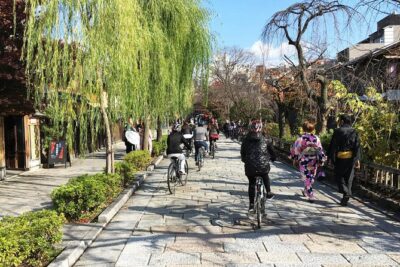
- Backstreet learning in and around Gion, then a ride back over the Kamo River
- Small group capped at 8, which helps questions and traffic navigation stay manageable
Why North Kyoto by bike is such a smart way to see Kyoto
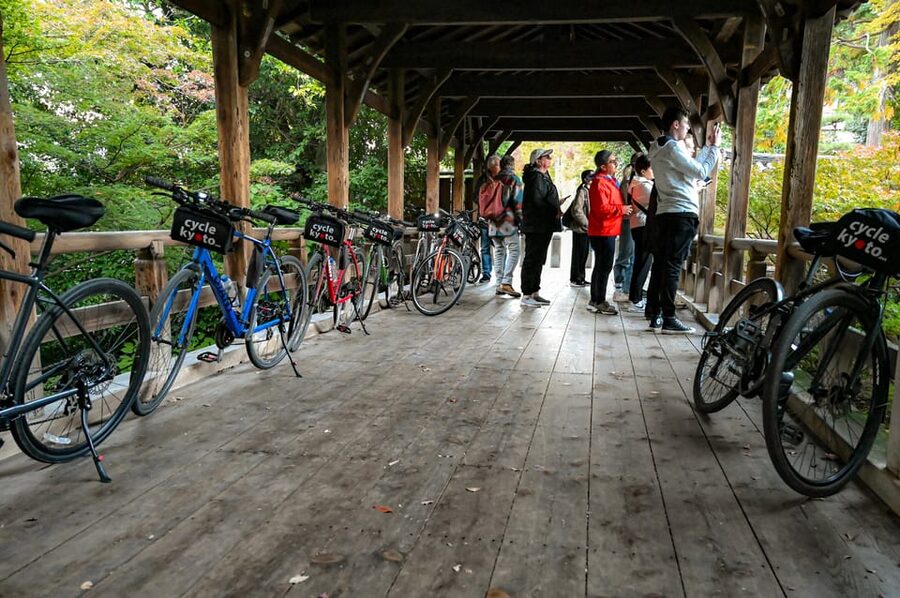
Kyoto is gorgeous on foot, but biking changes the rhythm. You move far enough to connect different neighborhoods, yet you still glide past walls, small shrines, and residential streets where the city feels lived-in. This tour is built for that balance.
The route also keeps the day feeling structured. You are not doing a random bike loop where you have to figure out what to look at next. A guide helps you connect what you see, why it matters, and what to notice while you are there.
And because it is a guided ride, you get smoother transitions between stops. That matters in Kyoto, where timing, crowds, and traffic can turn a simple sightseeing day into a logistical puzzle.
You can also read our reviews of more cycling tours in Kyoto

Getting started near Kyoto Station at Cycle Kyoto
You meet at the Cycle Kyoto office near JR Kyoto station. The directions are pretty straightforward: walk past Avanti, cross one traffic light, then keep going past the Daily Yamazaki convenience store, and take the first left.
For a smooth start, arrive a few minutes early. Cycling tours in Kyoto run on a tight clock, and once you get going, you will be moving through walking lanes and crossing points where the group needs to stay together.
You also get the essentials set up for you: a bicycle, a helmet, and water. If you hate the hassle of hunting down a rental bike and trying to decode Kyoto’s signage while other plans are waiting, this is one of the easiest ways to get your day rolling.
Nishi Honganji and Kitano Tenmangu, where Kyoto turns from postcard to story
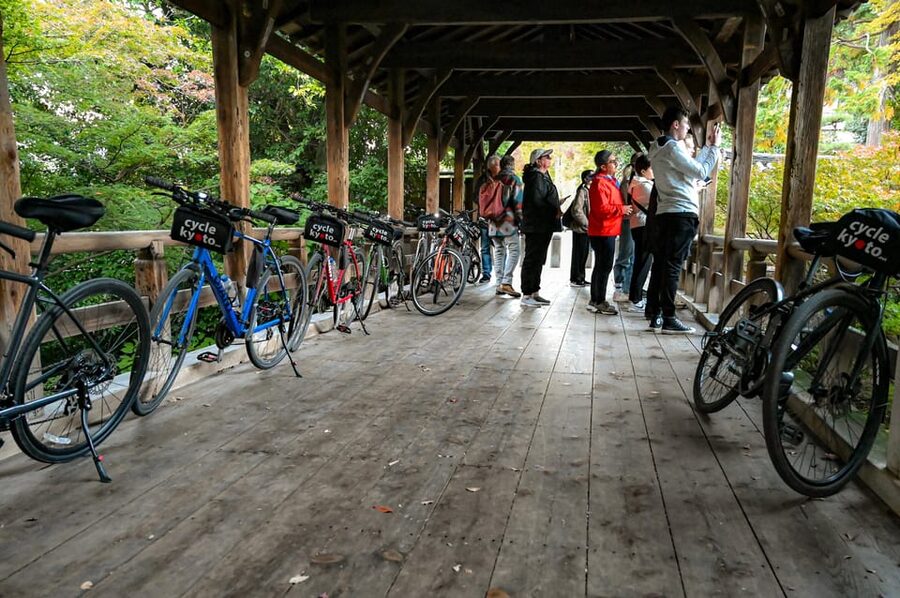
The morning begins with Nishi Honganji. You get an entrance ticket and a guided visit that focuses on the significance of the place, not just the architecture. Expect about 40 minutes with the guide, plus additional time to explore on your own.
Nishi Honganji has a very grounded, real-world feeling compared with some of Kyoto’s flashier landmarks. Even if you only have a few hours, it gives context for how Buddhism shaped daily life across Kyoto’s centuries.
Next comes Kitano Tenmangū Shrine. You get both entrance and guided time here too, with about 45 minutes focused on history and meaning. This shrine is famous in Kyoto culture, and it is the kind of stop where listening to the guide helps you read the site better, instead of just taking photos and moving on.
What makes these two stops especially valuable on a bike tour is pacing. You are not rushing between “big” sights only. You are collecting layers: religion, culture, and the geography of North Kyoto, all before heading toward Kinkaku-ji.
The Golden Pavilion, plus how to use your 30 minutes well
Then you roll to Kinkaku-ji, the Golden Pavilion. You spend about 50 minutes total at the site area, including time for the guide and time to look around yourself.
The Golden Pavilion itself is the headline, but the value here is what you do with the time. In roughly half an hour of exploring, you can:
- Take in the main views, then change your angle to see how the reflections and surroundings shift
- Look for details in the compound layout, not just the building
- Spend a few minutes watching where people naturally pause and then step aside to avoid blocking traffic
A guided stop also helps you notice what makes this place different from other temple scenery. Without a guide, it is easy to treat it as a single moment. With the guide, you understand why it became such a lasting symbol.
One practical tip: have your camera ready, but also put it away for a minute or two. Kyoto looks best when you are not constantly framing through your screen.
Lunch in central Kyoto, included and actually worth planning around
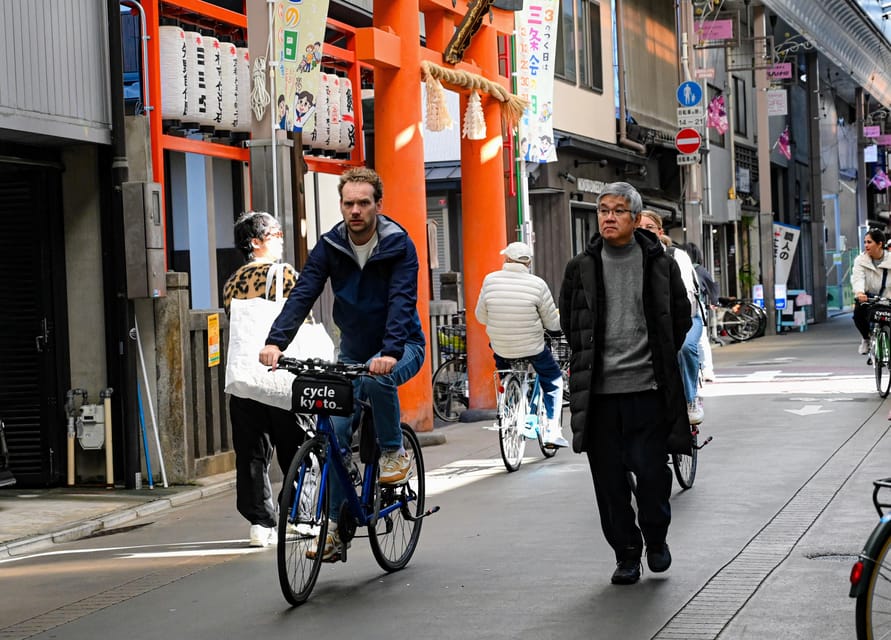
Lunch is included, served at a local restaurant in Kyoto. You get about an hour here, which is long enough to eat without feeling herded, and you do not have to hunt down food while your legs cool off.
This is also a place where the guide makes the experience smoother. On one run, the guide, Shon, handled lunch requests and kept water coming during hot conditions, around 35 degrees. That kind of attention turns lunch from a break into part of the comfort plan.
If you are traveling in summer, this matters. Cycling plus walking equals heat fatigue faster than you expect. Having water consistently available helps you keep going instead of slowing down at the worst moment.
Also note what is not included: extra drinks and snacks. If you like a specific beverage, consider buying it in advance rather than waiting until you feel thirsty.
You can also read our reviews of more guided tours in Kyoto

The former Imperial Palace and the gentle momentum toward Gion
After lunch, you head for the Kyoto Imperial Palace area, with a guided visit that takes about 50 minutes. This portion helps you switch gears from shrine and temple symbolism to the political geography of Kyoto.
Even if you are not a history fanatic, this stop helps you understand why Kyoto looks the way it does. Palaces and imperial grounds are not just buildings. They are about power, layout, and how the city organized space.
Then the ride starts to turn toward Gion. You follow a gentle downhill path in the direction of the historic district. That is not just convenient. It changes how you experience the streets. When you are coasting a bit, you notice more, and you have an easier time scanning side streets for small moments.
This is where the tour feels like a thoughtful route, not a checklist. The bike keeps your day moving while the guide keeps your attention pointed in the right direction.
Gion backstreets, then Kamo River crossings that reset your senses
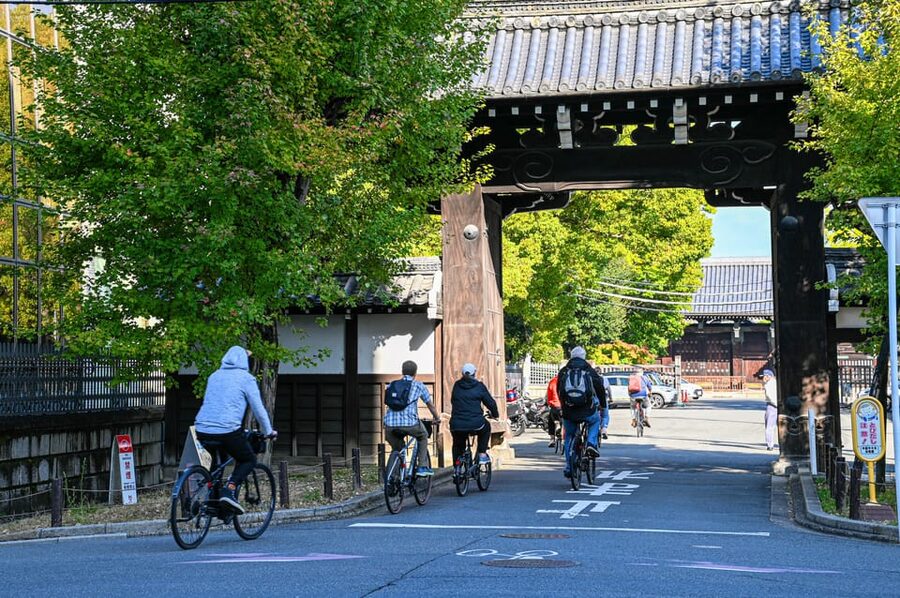
You arrive in Gion and get a guided visit for about 40 minutes. This is the part that many people hope for in Kyoto: the lanes and backstreets where the atmosphere feels more everyday and less staged.
As you ride and walk through Gion, the guide weaves in background on the area as you go. That storytelling makes the district easier to read. Instead of seeing only traditional facades, you start noticing how lanes connect, where activity concentrates, and how the neighborhood holds its identity.
Then you cross the Kamo River. You get time near the river twice, each around 30 minutes, which gives you a practical rhythm shift. The first river segment gives you breathing room and views. The final river segment is a calmer landing as you head back toward the starting point.
Crossing the Kamo River by bike also changes the scale. Kyoto feels more spread out when you are moving over water and seeing what opens up beyond your usual walking routes.
Pace, stamina, and the e-bike option if your legs need help
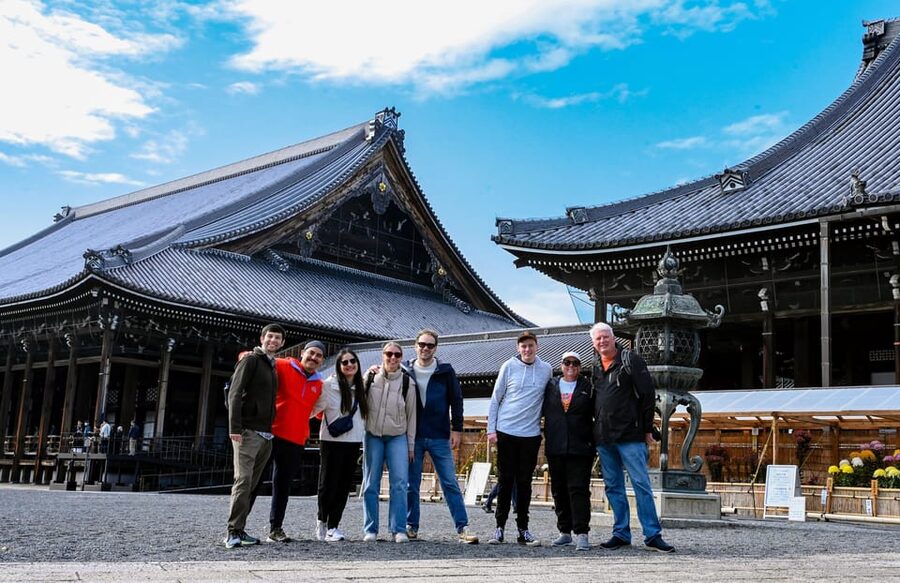
This is a half-day cycling tour, lasting about 390 minutes. Most of that includes stops and guided time, but you should still plan to ride more than you walk.
You might also find it warm or tiring depending on the season. The tour provides water, and that is a big deal in Kyoto summers. Still, I recommend wearing comfortable cycling clothes and shoes you can stand in for short periods at temples.
If you want an easier effort level, e-bikes are available for a 3000 yen upgrade. That upgrade can be a smart choice if you:
- Do not bike often
- Want to keep your energy for longer temple viewing
- Prefer a gentler pace without turning the day into a workout
And because the tour is not suitable for everyone, choose carefully. It is not recommended for children under 13, pregnant women, people with mobility impairments, and anyone under 4 ft 4 in (135 cm). It is also important to plan around entrances, stairs, and the natural walking parts inside temple areas.
You will also want a camera, comfortable shoes, and comfortable clothes. Helmet and water are provided.
Group size, English guiding, and how the experience stays personal
The tour runs with a live English-speaking guide. It is also a small group, limited to 8 participants, which matters more than it sounds.
With smaller groups, guides can adjust. You can ask questions without shouting over traffic sounds, and the tour can keep moving at a pace that does not feel like cattle herding.
In the feedback from real tour days, the guide is repeatedly praised for being knowledgeable and for explaining points clearly. One highlighted guide was Shon, and the focus was on both expertise and responsiveness, including handling lunch requests and staying on top of water during heat.
So if you care about understanding what you are seeing, this format is worth it. If you mainly want quick photos and minimal explanation, you will still get enough time at the stops. But the tour is designed for people who like a bit of context.
Price and value: is $103 a good deal?
At about $103 per person, this tour is not the cheapest way to see North Kyoto. But it is also not trying to be. You are paying for several practical pieces in one package:
- Bicycle, helmet, and water provided
- Entrance fees for Nishi Honganji, Kitano Tenmangū, and Kinkaku-ji
- A guided Imperial Palace visit
- Lunch included
- Time in Gion with guidance and structured stops
If you were to price out bike rental plus multiple paid entrances plus guided time plus lunch, the cost starts to look more reasonable. The biggest value is convenience. You avoid the planning headache of building your own route, buying tickets, and coordinating timing between different neighborhoods.
Also, the tour includes time and pacing that helps you see more than one major area without spending your day in transit. In Kyoto, that kind of efficiency can save you more time than you think.
Finally, the tour offers flexibility options like free cancellation up to 24 hours in advance and reserve now, pay later. Those features can help if your Kyoto schedule is still evolving.
Should you book this North Kyoto cycling tour?
Book it if you want a structured half-day that mixes major landmarks with calmer neighborhood streets. This is the kind of tour that works well if you:
- Want to connect Kinkaku-ji, Kitano Tenmangū, and Gion in one go
- Prefer guided context over self-guided guesswork
- Like an active day but still want breaks, lunch, and water handled
- Appreciate small-group pacing
Skip it if you are looking for a totally easy ride or you need accessibility support. This is cycling plus walking inside sites, and the tour is not suitable for kids under 13, pregnant women, mobility impairments, or anyone under 135 cm.
If you are deciding between options, think about your day goals. If you want maximum sights with the least friction, this tour hits the sweet spot.
FAQ
How long is the Kyoto North guided cycling tour?
The total duration is about 390 minutes.
What major sights are included on the tour?
You visit Nishi Honganji Temple, Kitano Tenmangū Shrine, Kinkaku-ji (Golden Pavilion), the Kyoto Imperial Palace area, plus time in Gion and around the Kamo River.
Is lunch included?
Yes. Lunch at a local restaurant is included.
What’s included in the price?
The tour includes bicycle, helmet, water, entrance to Nishi Honganji, entrance to Kitano Tenmangū, entrance to the Golden Pavilion, the Imperial Palace visit, and lunch plus Gion visit.
What is not included?
Extra drinks and snacks are not included.
Is an e-bike available?
Yes. E-bikes are available for a 3000 yen upgrade.
Is the tour guide English speaking?
Yes. The live tour guide speaks English.
How large is the group?
The group is limited to 8 participants.
Where do I meet the tour near Kyoto station?
From JR Kyoto station, go past Avanti, cross over one traffic light, walk past the Daily Yamazaki convenience store, and take the first left to reach the Cycle Kyoto office.
More Cycling Tours in Kyoto

More Tours in Kyoto
More Tour Reviews in Kyoto
Not for you? Here's more nearby things to do in Kyoto we have reviewed
Kyoto Bike & E-Bike Tours, compared.
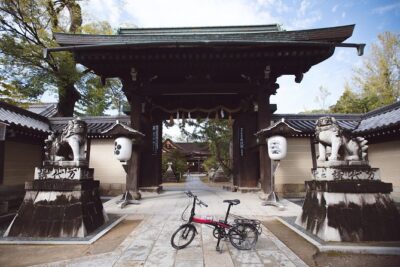 ★ 5.0Hidden Kyoto E-Biking tourFrom $1161,843 reviews
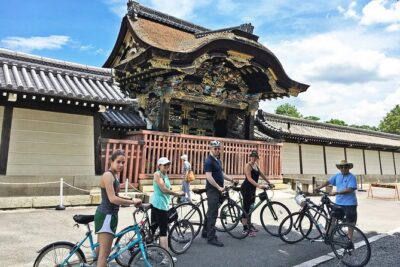 ★ 5.0Bike Tour Exploring North Kyoto plus LunchFrom $1061,087 reviews
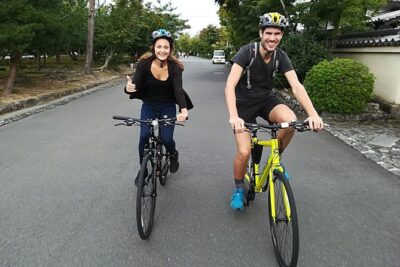 ★ 5.0Arashiyama Bamboo Forest & Hidden Gems Bike Tour (Early Bird)From $106613 reviews
 ★ 5.05 Top Highlights of Kyoto Full Day Bike Tour (E-bike option)From $172511 reviews
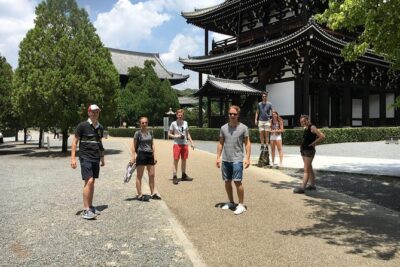 ★ 5.0Full Day Biking Tour Exploring the Best of KyotoFrom $119498 reviews
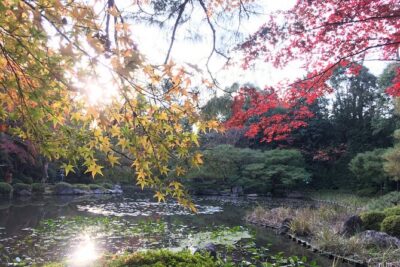 ★ 5.0E-Bike Tours of the highlights of Kyoto!!!From $109291 reviews
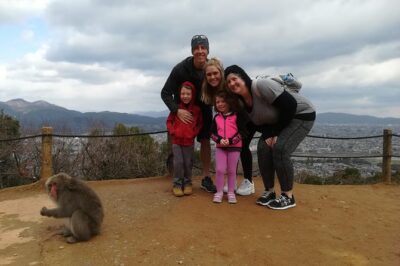 ★ 5.0Afternoon Kyoto Bike Tour: Bamboo Forest, Monkeys & Hidden SpotsFrom $106283 reviews
 ★ 5.0South Kyoto in a Nutshell: Gentle Backstreet Bike Tour!From $79225 reviews
Browse the lists this tour appears in