
Reviewed · KYOTO BIKE & E-BIKE TOURS
Kyoto Shogun Cycling Tour
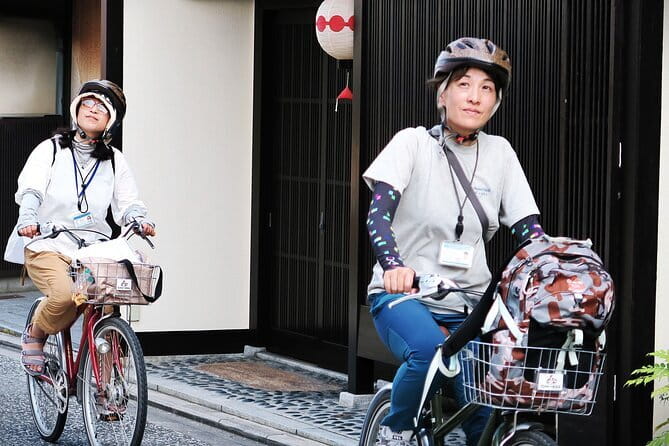
Kyoto by bicycle feels like time travel. This private shogun-themed ride takes you past Kyoto’s most famous landmarks on an easy downhill route, with the Golden Pavilion, Toji-in, and Nijo Castle built into one smooth flow. I especially loved the way the tour connects each stop to the Shogun story, and how guides like Seiya and Nozomi make the details click fast, in clear English, with a route that never feels rushed. One drawback to plan for: it runs in rain, so you’ll want to use the provided poncho or be ready to switch to walking by public transit.
In the feedback I read, the guides were the big reason people smiled the whole way. Seiya gets praise for strong English and keeping a 12-year-old engaged, while Makoto and Yanai-San earned points for fun personalities and history explanations that land. Yasunobu Yagyu, Yutaka Kaneda, and Nozomi also come up for insider-style routes and practical city tips, which is what you want when you’re biking through Kyoto instead of just checking boxes.
At $153.50 per person for about 3 hours 30 minutes, you’re paying for more than a bike. You get bike use, helmet, rainwear, and admission tickets included for each of the three major stops, plus the benefit of a private group setup. The value is strongest if you want an efficient half-day and you like learning while you move.
Key things I’d zero in on before you book
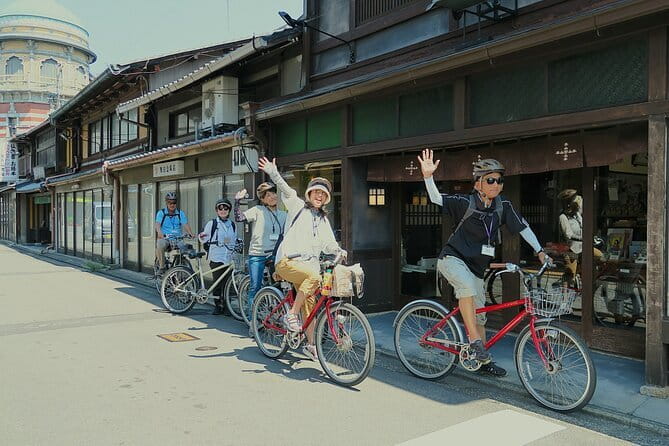
- An easy downhill cycling route that’s friendly for most people, not just hardcore riders
- Three high-impact historic stops tied to the Ashikaga and Tokugawa shoguns
- Guides who actually explain well, with multiple guides praised for excellent English
- Rain-ready by default, with ponchos provided and an option to switch to walking
- Private group comfort, with small group limits per guide for better pacing
Kyoto’s shogun story, told at bike speed
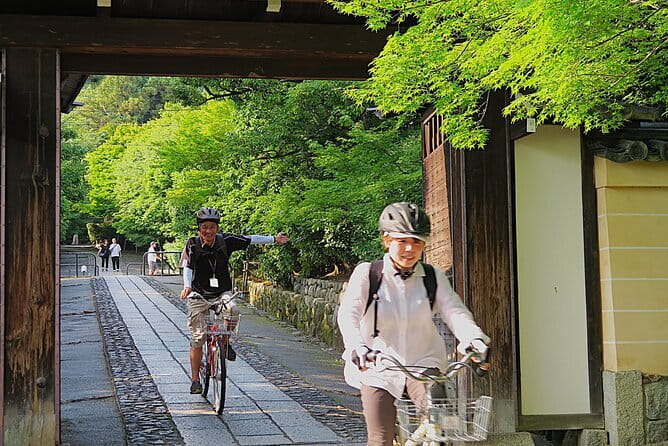
This tour is built like a moving timeline. You start at the Golden Pavilion Temple area, then pedal to Toji-in, and finish at Nijo Castle. The ride itself is the magic trick: you cover real distance without the stop-and-go fatigue you get from buses, and you get to look at streets, neighborhoods, and temple gardens as you roll in.
The easy downhill element matters more than it sounds. It means you’re not spending your energy wrestling the bike, which leaves room for the important part, soaking in what you’re seeing and listening for the historical threads your guide points out. It also helps if you’re traveling with someone who’s a little nervous about city cycling.
You can also read our reviews of more cycling tours in Kyoto
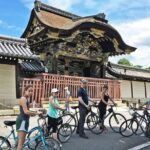

Stop 1: Kinkakuji, the Golden Pavilion and the Ashikaga power center
Your first major stop is Kinkakuji, the Golden Pavilion Temple. You’ll visit with your guide and get time to walk through the gardens that surround the temple buildings, which is one of those rare moments in Kyoto where it feels like the scenery is part of the lesson. The guide will connect what you’re seeing to the fact that this place once served as a center of government for the Ashikaga Shoguns.
Why this stop works well on a bike tour: it sets the tone right away. You start with one of Kyoto’s most recognizable sights, but you’re not stuck staring at the same angle from the sidewalk. The gardens give you a slower, human-scale approach, even though you arrived by bike.
What to watch for here is simple. Give yourself a little patience, because walking through temple grounds takes time, and you only have a few hours total. If you want photos, plan for multiple quick stops instead of trying to “get it all” in one long moment.
Stop 2: Toji-in, wabi-sabi calm and the Ashikaga resting place
After Kinkakuji, you cycle on to Toji-in Temple, known for a quiet, contemplative feel. Your guide takes you through the interiors, and you also spend time with the garden and the quaint tea house atmosphere that’s part of the experience. This is where the tour slows in a different way, shifting from power and government to Zen minimalism and refined stillness, the wabi-sabi idea of finding beauty in simplicity.
This stop is valuable for two reasons. First, it gives you a contrast after the eye-catching gold of Kinkakuji. Second, the tour ties Toji-in to its role as the resting place of the Ashikaga, so you’re not only sightseeing, you’re understanding why the atmosphere feels the way it does.
A practical tip: if you’re the type who likes to linger, this is your best place to do it. The tour gives you about an hour here, and it’s the stop most likely to reward slow walking and quiet attention. Keep your phone powered for photos, but be ready for indoor or shaded areas where screen brightness can matter.
Stop 3: Nijo Castle, the Tokugawa residence and the end of an era
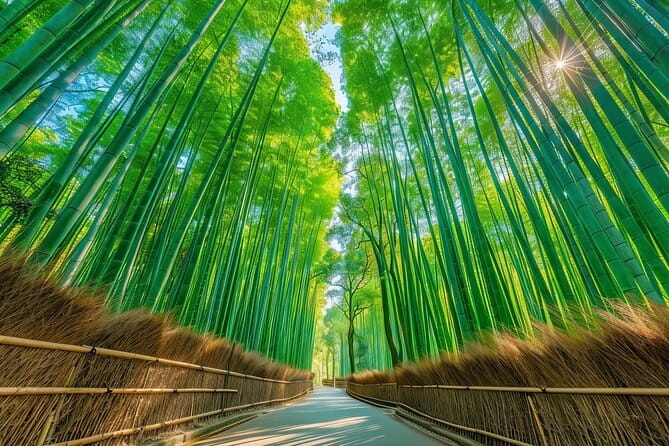
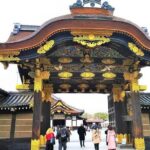
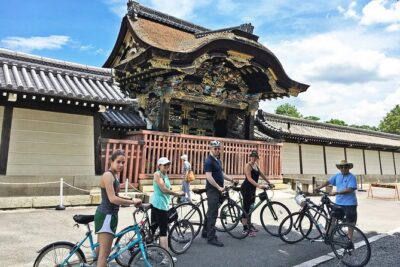
The final anchor is Nijo Castle, and it’s the heaviest historical hitter on the route. Your guide leads you through the grounds and buildings associated with the home of the Tokugawa shogunate in Kyoto. This is also where the story turns toward transformation, since Nijo Castle is linked to the beginning of the end of the shogun era, including its role as the residence in Kyoto for the final shoguns.
Nijo Castle is more than big walls and ornate details. You’re there to understand timing and consequence, how power shifts show up in architecture, ceremonies, and the physical spaces where decisions were made. The tour’s longer time slot here, about 90 minutes, is a hint that this stop needs extra room.
One consideration: castles can involve more walking than you expect, especially if you like reading every plaque and studying carvings. With this tour, you get a guided path and timing help, which makes the time feel efficient instead of chaotic.
The cycling part: what the ride feels like in real life
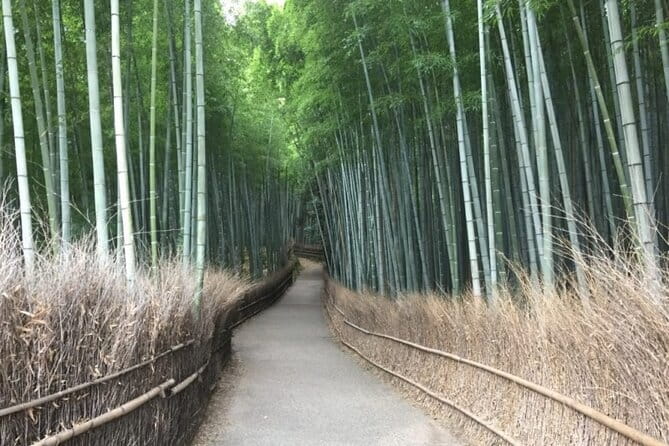
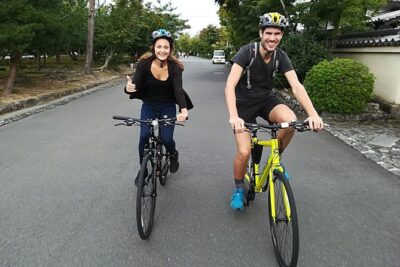
This tour is described as an easy downhill ride suitable for everyone, and that lines up with why so many people treat it as an easier way to see Kyoto without getting overwhelmed by logistics. You’ll have a bicycle, a helmet, and rainwear, so the ride starts with fewer worries than a self-guided bike rental day.
What I’d pay attention to is the “private, small group” nature. The tour accepts a minimum of 2 and a maximum of 6 guests per guide, and if your group is bigger, an extra guide can be arranged. That matters because bike tours feel better when the leader can keep an eye on spacing, traffic behavior, and pacing, not just the schedule.
Also note the youth requirement. Children must be at least 10 years old, 145 cm or above, and able to ride a bicycle safely on the road unassisted. If that fits your family, the private format can be a real win, since guides often handle group dynamics better when they’re not managing a crowd.
Your guide makes the difference, big time
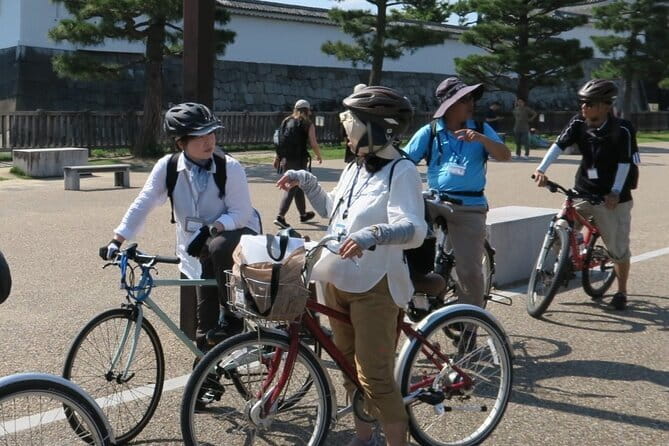
Across the guide names that show up in the experience feedback, the same pattern repeats: clear English, practical city context, and pacing that feels fun rather than lecture-like.
Seiya is mentioned for being incredible knowledgeable with strong English and for entertaining a 12-year-old, which is a useful clue if you’re traveling with kids or teens who get bored easily. Makoto and Yanai-San also get called out for making the day enjoyable while still sharing meaningful history. Nozomi is credited with excellent information about temple and shrine areas plus Gion and the Imperial Palace context, which suggests the guide doesn’t just recite facts, they connect dots across Kyoto.
Two other details caught my eye: extra time when something special is happening and a sense of insider tips. If you love the feeling of being shown Kyoto instead of simply being transported between attractions, that’s the vibe you’re likely to get.
Rain, the real Kyoto test
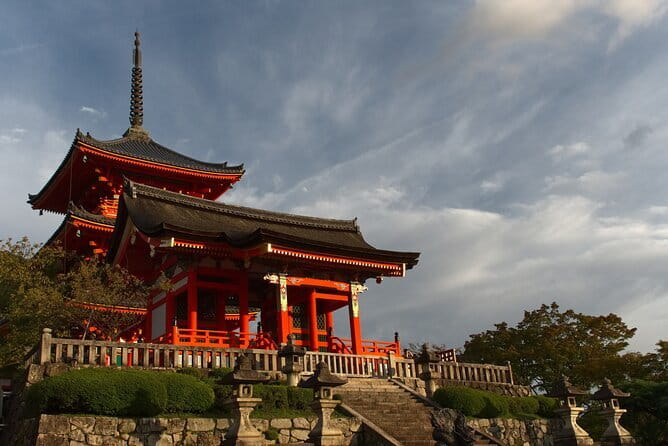
Kyoto weather can throw curveballs, so it’s smart this tour is set up to run in rain. You can choose to continue on bikes using the rain poncho provided at no extra charge. If you’d rather not bike in wet conditions, there’s an option to switch to a walking tour using public transportation like bus or metro, and that’s included in the tour fee.
In other words, you’re not stuck with a cancelled day. You’re making a trade, bike comfort versus walking comfort. If it’s just light rain, ponchos usually make cycling feel manageable. If it’s heavier or windy, switching to walking plus transit can feel more relaxing, especially if you’re traveling with someone who hates wet gear.
Where you start and end, and why it matters
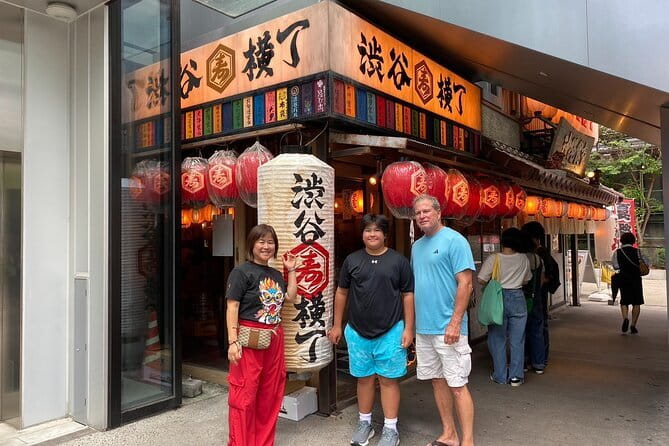
The tour starts at Wara Tenjin mae, in the Kinugasa Oharaicho area of Kita Ward, and it ends at the Kyoto Cycling Tour Project location at the Kyoto Station Cycle Terminal. This is useful if you want to keep your half-day plan simple. Kyoto Station is a convenient landing spot for getting lunch afterward or continuing your day on public transit.
One small planning idea: treat the start location as your anchor. If you’re coming from a hotel, give yourself enough buffer to get there without stress. A bike tour schedule can feel tighter than walking tours, since you’re gearing up to roll out together.
What’s included, and what’s not, in plain terms
You get:
- Bicycle use
- Helmet
- Rainwear
- Admission tickets included for each of the main stops
You do not get matcha service, so if you want a snack or a matcha drink during the day, plan to pay separately. That’s not a dealbreaker, but it’s better than reaching a tea-related moment and realizing your plan is missing the drink part.
The “mobile ticket” note is also practical. It usually means you won’t be scrambling for paper vouchers, and you can keep everything on your phone.
Price and value: when $153.50 actually feels fair
At $153.50 per person for around 3 hours 30 minutes, the value comes from three places.
First, admission tickets are included for Kinkakuji, Toji-in, and Nijo Castle. Those three stops are not small-charge attractions if you’re paying individually. Second, bike, helmet, and rain gear are included, which saves you rental hassles. Third, you’re paying for guide time and direction, and the difference between biking on your own versus having a skilled guide matters in Kyoto, where you can easily get slowed down or misread which streets and entrances are best.
This tour is best if you want an efficient, guided highlight path. If you already know Kyoto well and you prefer total freedom, you might feel boxed in. But if you want a smart half-day with context, it’s a solid deal.
Who this tour suits best
I’d point you toward this ride if:
- You want to see Kyoto’s shogun-era highlights without spending your whole day commuting between temples
- You like history that’s explained while you’re moving, not history that traps you in museums
- You’re comfortable riding a bike on roads, or you want a guided route that’s set up to be manageable
I’d be a little more cautious if:
- You’re strongly uncomfortable cycling in mixed traffic, even at an easy pace
- You need total downtime with zero walking and zero indoor time, since each stop includes guided movement and some walking
Quick practical notes so your day runs smoother
Bring:
- A way to keep your phone dry, even with ponchos in the mix
- A light layer, since Kyoto can feel cooler in shaded areas and temple interiors
- Comfortable shoes you can walk in for about 3.5 hours total
If you care about photos, think in terms of quick bursts. This is a moving day, so don’t plan to stand in one place and wait for the perfect shot at every stop.
Should you book the Kyoto Shogun Cycling Tour?
If you want Kyoto highlights with less bus time, clearer historical context, and a guide who keeps things lively, I think this is a great booking. The combination of Kinkakuji, Toji-in, and Nijo Castle in one guided cycling flow is the real strength, and the feedback around guide English, humor, and making the day fun is a strong signal.
Book it if you’re traveling with friends, as a couple, or as a small group and you like doing a planned route. Skip it if you hate cycling in rain or you want total freedom with no structure. Otherwise, this is one of those Kyoto days where you end the ride feeling like you actually understood what you saw, not just where you went.
FAQ
How long is the Kyoto Shogun Cycling Tour?
It runs for about 3 hours 30 minutes.
What’s included in the price?
The tour includes bicycle use, helmet, rainwear, and admission tickets for the stops.
Does the tour operate in the rain?
Yes, it operates in rain. You can continue on bikes with a provided rain poncho, or switch to a walking tour using public transportation.
Is this tour private?
Yes, it’s private. Only your group participates.
What are the age and height requirements for children?
Children must be at least 10 years old, at least 145 cm tall, and able to ride a bicycle safely on the road unassisted.
Where does the tour start and end?
It starts at Wara Tenjin mae in Kita Ward, Kyoto, and ends at the Kyoto Cycling Tour Project Kyoto Station Cycle Terminal near Kyoto Station.
More Cycling Tours in Kyoto

More Tours in Kyoto
More Tour Reviews in Kyoto
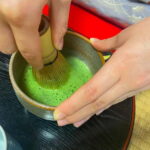
Not for you? Here's more nearby things to do in Kyoto we have reviewed
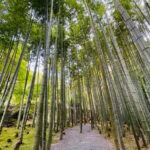
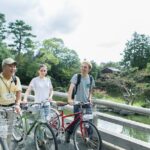
Kyoto Bike & E-Bike Tours, compared.
 ★ 5.0Hidden Kyoto E-Biking tourFrom $1161,843 reviews
 ★ 5.0Bike Tour Exploring North Kyoto plus LunchFrom $1061,087 reviews
 ★ 5.0Arashiyama Bamboo Forest & Hidden Gems Bike Tour (Early Bird)From $106613 reviews
 ★ 5.05 Top Highlights of Kyoto Full Day Bike Tour (E-bike option)From $172511 reviews
 ★ 5.0Full Day Biking Tour Exploring the Best of KyotoFrom $119498 reviews
 ★ 5.0E-Bike Tours of the highlights of Kyoto!!!From $109291 reviews
 ★ 5.0Afternoon Kyoto Bike Tour: Bamboo Forest, Monkeys & Hidden SpotsFrom $106283 reviews
 ★ 5.0South Kyoto in a Nutshell: Gentle Backstreet Bike Tour!From $79225 reviews
Browse the lists this tour appears in