
Reviewed · PRIVATE
Kyoto: The Path Less Traveled (Private)
Kyoto gets quieter when you know where to go. This private, full-morning-to-late-day route is built around tranquil gardens and high-ranking religious sites, with a local lunch and craft stop that most people skip. It’s the kind of Kyoto that feels slower, more human, and a lot less like a checklist.
I love the private pacing and the way it’s designed to keep you away from the densest tourist flow. I also love that guide Andrew focuses on what you can actually notice in each garden, shrine, and painting, which turns these places from scenery into stories you can walk away with.
The main thing to consider is logistics, not temples. You’ll need extra cash for lunch, transportation, and site admissions, and depending on pace, not every stop on the route may be visited.
Key things to know before you go
- A private group of up to 4, so the day can move at your speed
- Garden and shrine focus, including quiet spots behind more famous entrances
- 1,001 Golden Buddhas at Sanjusangendo, plus a samurai shrine with the largest bell in Japan
- Andrew as the guide, with explanations that make details feel personal
- Cash required for lunch, transit, and admissions, plus a total admission amount listed for five sites
- Good weather matters, and the schedule can flex if conditions slow things down
A calmer Kyoto route built for people who hate crowds
Kyoto can be crowded in a hurry, especially if you aim for the biggest names at the busiest hours. This tour takes you to important places, but it does it in a way that leaves breathing room. You are not just moving from one photo angle to the next. You are walking through gardens, courtyards, and shrine grounds where silence is part of the experience.
What helps most is the private format. With a group limited to your party, you are more likely to pause when something catches your eye, rather than being pulled along by a larger schedule. The pace is also flexible. The note about possible adjustments is real, since the tour says that depending on the day’s pacing, not every site may be visited, and you help decide what gets cut if time runs short.
This route also isn’t only about religion or only about art. It mixes Zen-style gardens, shrine culture, and a folk art museum connected to one of Kyoto’s celebrated 20th-century craftspeople. If you have been to Kyoto before and already did the big highlights, this feels like a way to see the city’s quieter personality.
You can also read our reviews of more private tours in Kyoto

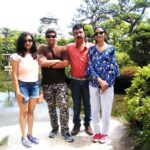
Konchi-in and Tenjuan Garden: where the day turns from busy to quiet
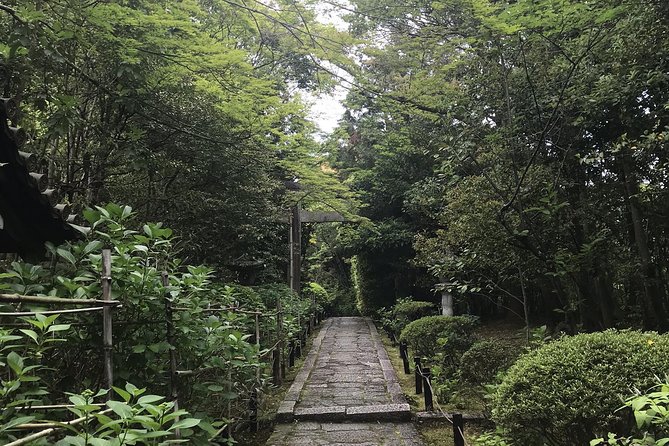
Konchi-in is the kind of place that makes you lower your voice without being told to. You spend about one hour here, and the draw is the blend of high-level architecture, gardens, statuary, and paintings in a calm setting far from the masses. The appeal is that it does not feel like a museum exhibit. You experience it as a space designed for contemplation.
Tenjuan Garden is next, also around one hour, and the surprise is in how the gardens are staged. You spend time in two gardens, including one that gives you the sensation of stepping into a forest the moment you enter. It’s an atmosphere shift more than it is a single view. If you like gardens that tell a story through changing scenery, this stop is a strong match.
A practical note: both of these are garden-heavy. That means time spent sitting, walking slowly, and looking closely is part of the plan, not a bonus. If you are the type who enjoys noticing how a path is framed or how the garden turns a corner into a new scene, you’ll get a lot more out of the hour.
Heian Shrine and Chishaku-in: the gardens you do not always find alone
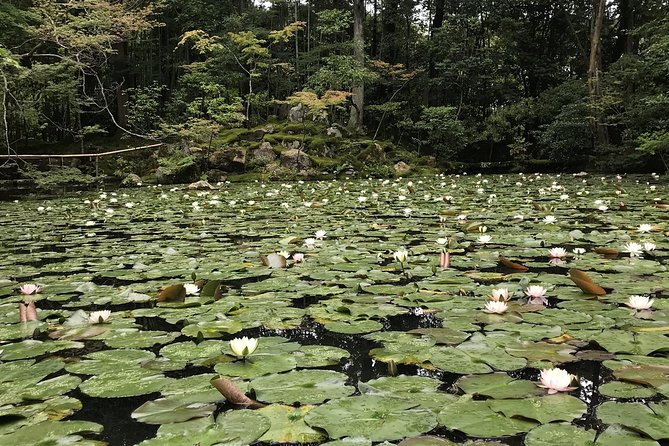
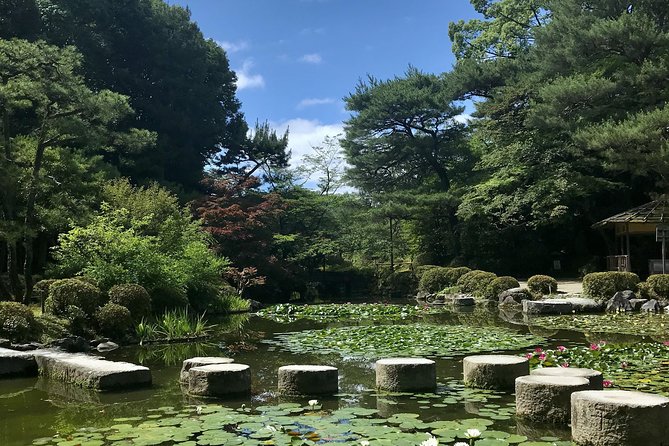
Heian Shrine can be popular, but the tour’s angle is that very few visitors go into the garden behind the shrine. That is the whole point of this day. You get to spend about an hour in one of Kyoto’s more picturesque gardens, walking through it at a pace that lets it land.
Then comes Chishaku-in, another garden stop lasting about one hour, described as hardly visited. Here, the feeling is travel without leaving Kyoto. The space can transport your mind to far-away lands, and there are also sliding door paintings by one of Japan’s most heralded painters. Even if you are not a formal art expert, the effect matters. It reframes the garden as part of a larger artistic world.
One drawback with this kind of route is simple: if you want only the most famous postcard sites, these quieter garden interiors may feel too subtle at first. They are not loud. They are quiet on purpose. The reward is that you get time to notice, and notice-worthy details are everywhere if you are not rushing.
Sanjusangendo and Toyokuni Shrine: 1,001 Buddhas and the biggest bell in Japan
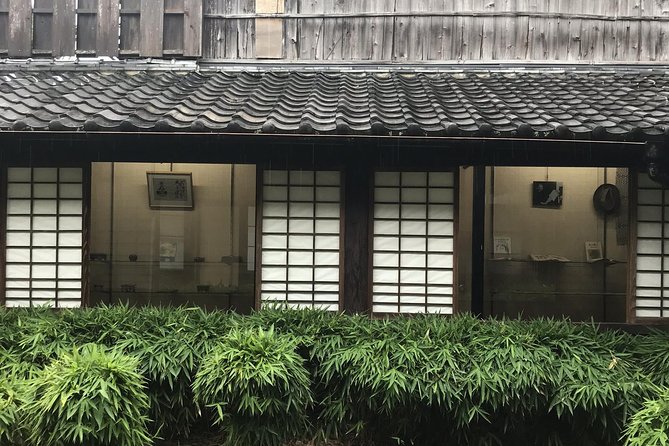
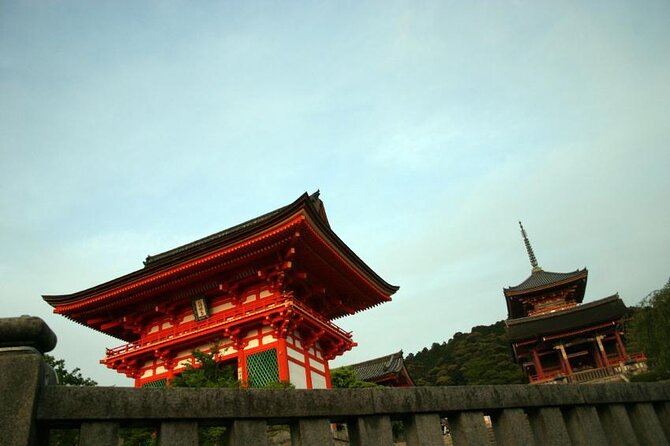
Sanjusangendo Temple is where the tour hits a major visual wow moment. You spend about one hour here at a temple with one of the oldest structures in Kyoto. The headline is the 1,001 Golden Buddha statues. The tour description makes it sound jaw-dropping, and that is basically what you are signing up for. This is one of those experiences where the numbers matter because the density changes how you see the space.
Toyokuni Shrine follows with a shorter 20-minute stop. This is the quick-hit shrine element of the day. You enter a decadent shrine connected to an important samurai figure in Japanese history, and on the grounds you’ll see the largest bell in Japan. Since this stop is brief, it’s a good one if you want variety without losing too much time.
If you are building your Kyoto day around a mix of emotions, this part of the tour provides balance. The garden stops are about gentleness and atmosphere. Sanjusangendo is about scale and intensity. Toyokuni adds a more grounded, historical power note before you move to the craft-focused finale.
Kawai Kanjiro Memorial Museum: wabi-sabi in the way you live, not just look
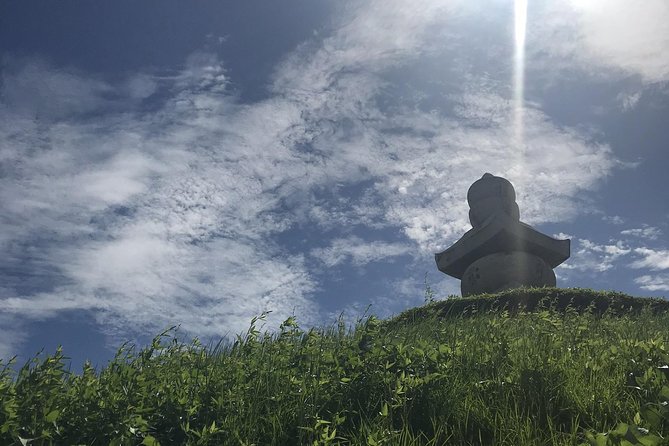
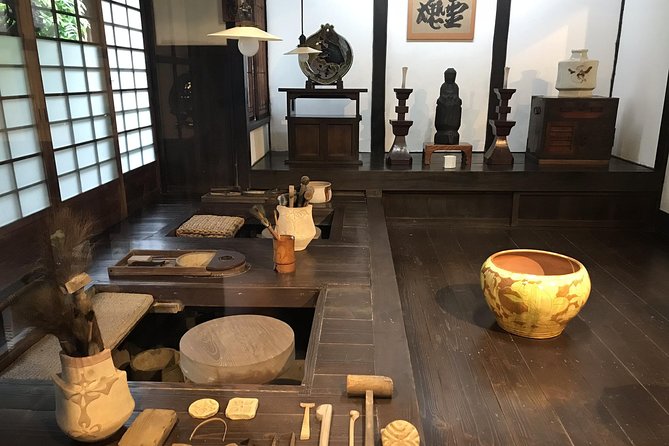
The last stop is the Kawai Kanjiro Memorial Museum, and it is a different kind of Kyoto than the temple courtyards. You spend about one hour here in the converted home of a noted 20th-century master potter. The tour highlights the wabi-sabi way of design and living, and it’s described as a space that feels unlike other places you visit in Kyoto.
Why this ending works: it gives you a human scale ending. Temples and shrines can be grand and formal. Here, you’re in the domestic reality of craft, daily life, and the slow beauty of aging materials. Even if you only know the basics of pottery, the setting helps you understand why wabi-sabi isn’t a slogan. It’s a way of seeing imperfections and time.
You also finish outside the museum, with a 5-minute walk to Umamchi Bus Stop, so you are not stuck far from transportation when the day winds down.
Price and logistics: where the real value shows up
The tour price is $690.00 per group, up to 4 people. That can sound high if you are thinking per person, but private Kyoto days often are. The value improves fast when you split it.
You also need to plan for cash expenses on top of the tour price:
- 1,500 yen cash for lunch
- 1,000 yen cash for transportation
- 3,500 yen cash for admission fees, listed as the total ticket fee for five sites
That puts the add-on total at 6,000 yen per person in cash for lunch, transit, and the listed admissions. Because admissions are not included in the main price, this is not a tour you should book without preparing cash.
One more practical detail that helps: the tour includes a mobile ticket, and it says you’ll receive confirmation at booking time. You’ll be meeting near public transportation at Keage Station, then ending near another bus stop. The route is designed to be workable for a day tour rather than a full-day marathon that depends on private cars.
My take on value: if you are paying mostly for a guide and a quiet route through multiple serious sites, the price makes sense. If your goal is only one or two famous moments, you could compare costs with shorter public options. But for a full, off-the-main itinerary with private pacing, the structure is coherent.
Timing, pacing, and weather: the day can flex without ruining it
The tour is scheduled for about 8 hours, starting at 9:00 am. The stops themselves total around 6 hours and 20 minutes based on the time listed for each place, with the rest taken by travel between stops and time for lunch. That is a realistic rhythm for a temple-and-garden day, where walking and looking take longer than you think.
The tour also explicitly notes two important realities:
- Depending on pace, not all sites may be visited. If that happens, the guest determines what gets eliminated.
- Good weather is required. If it’s canceled due to poor weather, you’re offered a different date or a full refund.
Translation into practical advice: plan to arrive on time, and avoid showing up with a late start mindset. If you are the type who hates cutting anything, tell your guide early what matters most to you, because the pacing note is there for a reason. Also, on rainy days, the garden experience changes. If weather is poor, the tour will respond, but you’ll want a backup date if you can.
The guide factor: why Andrew’s explanations change the whole day
Several descriptions of the experience point to the same takeaway: Andrew is what turns these gardens and shrines into something you carry home. The big benefit is how he makes you notice. You don’t just look at a courtyard. You learn what the space is trying to communicate, and you learn how to read the details without needing a degree in art history.
That matters most at the quieter stops:
- In a tranquil setting like Konchi-in, explanation helps you see relationships between architecture, statuary, and paintings instead of treating them as separate moments.
- In Tenjuan Garden and the garden behind Heian Shrine, guidance helps you slow down and understand how views are shaped.
- At Chishaku-in’s sliding door paintings, context makes art feel like part of the scene rather than a separate add-on.
This is also why the tour is a great fit even if you think you might not care about Zen gardens. If you go in with an open mind and let Andrew guide your attention, the gardens can become the highlight rather than a side quest.
Who should book this private Kyoto garden and shrine tour?
This tour is a strong match for:
- Garden lovers who want to see Kyoto beyond the busiest headline spots
- People who enjoy religious and artistic spaces, but want them explained in a grounded, readable way
- Anyone who has visited Kyoto before and wants a fresh angle
- Couples or small groups who value private time and a flexible pace
It’s not the best fit if:
- You want only the absolute most famous sights and zero time in quieter gardens
- You dislike planning for cash expenses, since lunch, transportation, and admissions are listed as cash-required
Since it is private and up to 4 people, it’s also a good option if you want to travel with a small circle and avoid the feel of large groups moving as one.
Should you book this Kyoto Path Less Traveled private tour?
Book it if you want Kyoto that feels personal. This is not a rushed highlights tour. It is a crafted day around quiet gardens, major temple intensity, and a craft museum that closes the loop on how Kyoto lives, not just how it looks.
Skip it or reconsider if budget and cash planning will make you stressed. You’ll pay $690 per group, and you should also bring enough yen for lunch, transit, and admissions. If you hate that kind of pre-planning, look for a tour where most extras are packaged.
If you can handle that, this route is a smart way to get more out of Kyoto in a single day: not only seeing important places, but understanding why those places feel so calm when the city outside is still turning.
FAQ
How many people are in the private group?
It is a private tour/activity limited to your group, with pricing listed as up to 4 people.
Where does the tour start?
The start point is at Keage Sta. Higashikomonozacho, Higashiyama Ward, Kyoto, 605-0044, Japan.
What time does the tour begin?
The start time is 9:00 am.
How long is the tour?
The duration is listed as about 8 hours.
Is the ticket mobile, or do I need paper tickets?
The experience includes a mobile ticket.
Are admissions included in the tour price?
No. Admission fees are not included. The total admission ticket fee listed is 3,500 yen per person in cash for five sites.
How much cash should I bring for lunch and transportation?
You need an additional 1,500 yen cash for lunch and 1,000 yen cash for transportation.
Where does the tour end?
The tour ends outside Kawai Kanjiro’s House. It is about a 5-minute walk to Umamchi Bus Stop.
What happens if the weather is bad?
This experience requires good weather. If it is canceled due to poor weather, you will be offered a different date or a full refund.
What is the cancellation window?
You can cancel for a full refund up to 24 hours in advance of the experience start time. If you cancel less than 24 hours before, the amount paid will not be refunded.
More Private Tours in Kyoto


More Tour Reviews in Kyoto
Not for you? Here's more nearby things to do in Kyoto we have reviewed


Private, compared.
 ★ 5.0Fushimi Inari Hidden Hiking Tour (Private Option Available)From $631,750 reviews
 ★ 5.0Private Kyoto Tour with a Local, Highlights & Hidden Gems, PersonalisedFrom $1021,543 reviews
 ★ 5.0Kyoto 6hr Private Tour with Government-Licensed GuideFrom $1551,369 reviews
 ★ 5.010 Must-see Spots in Kyoto One Day Private Tour (up to 7 people)From $1791,108 reviews
 ★ 5.0Nara Half Day Trip Walking Tour (Private Option Available)From $105937 reviews
 ★ 5.0Kyoto 4hr Private Tour with Government-Licensed GuideFrom $109629 reviews
 ★ 4.8Private Tour with Local Licensed GuideFrom $106463 reviews
 ★ 5.0Private Kyoto Tour with Licensed Guide & Vehicle (Max 15 persons)From $634417 reviews