
Reviewed · KOBE & HIMEJI DAY TRIPS
Kyoto Tour by Car from Kyoto Osaka Kobe
Kyoto is easier with your own driver. This private Kyoto tour by car is built for comfort and control, with air conditioned travel plus a licensed English guide who can shape the day to your pace and interests. You get to hit the highlights without turning your trip into an endless scramble, and it feels especially smart in summer heat or rainy seasons.
I love the flexibility most, because the route can be adjusted on the fly when you want more time somewhere or you want to skip a quick detour. I also like the way the guide, Mitsuyuki Nishikawa, explains what you are seeing in practical, story based ways so stops feel connected, not random. One consideration is cost creep, since temple and castle admission fees and extra parking or expressway costs are not included, and the car can feel tight for 6 people.
Key things to know before you go
- Private group only (up to 6) means you set the rhythm, not a timetable shared with strangers.
- Air conditioned car makes long days around Kyoto actually doable, especially in hot weather.
- A flexible route with a working driver guide helps you trade time and effort between stops.
- Most major stops are included by design, with set visit windows so you can plan photos and breaks.
- Admission fees and tolls are extra, so budget a little beyond the base price.
Kyoto by car: why comfort and control matter here
Kyoto is stunning, but it can also be draining. Sites are spread out, lines can form, and walking between neighborhoods takes time you do not always have. A car tour is the straightforward fix, because it reduces the stress math and lets you spend your energy where it counts.
This tour is private, up to 6 people, and you stay together in one vehicle from stop to stop. That means fewer logistics headaches, and it also helps you keep a calm pace. It is the kind of plan that works well when someone in your group gets tired easily, or when you simply want a smoother day than buses and trains can offer.
The big “why” is simple: you get air conditioned comfort while still visiting serious Kyoto classics. And because you are not forced into a one size schedule, you can flex around real life, like energy levels or how long a line is running at a specific stop.
You can also read our reviews of more tours and experiences in Kyoto.
The 8 to 10 hour pacing plan, and how to make it work for you
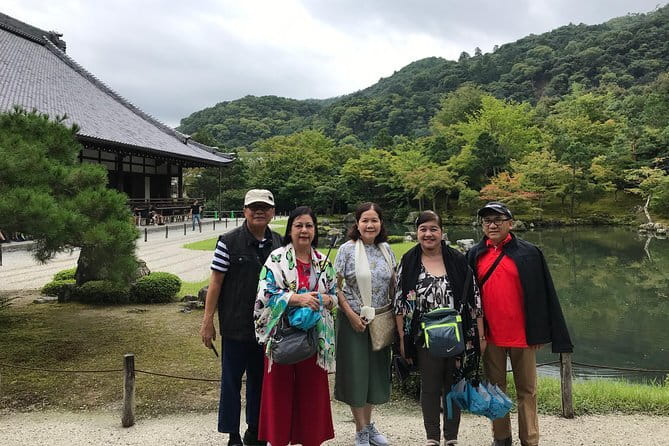
The tour is designed for an 8 to 10 hour window, with set visit times at each major site. In practice, that means you have enough structure to see a lot, but not so much structure that you feel trapped. A typical rhythm looks like quick arrival, guided orientation, time to walk and look, then move on before you lose the day to congestion.
Your stop list is built around variety. You start with a temple garden, move to the famous golden pavilion, then shift to castle interiors, then a hillside temple with sweeping views, and finally a shrine known for its orange torii tunnel. That mix keeps the day from feeling repetitive, even if you are not a hardcore temple person.
I also like that the guide is a professional driver, not just a person with a good map. You benefit from someone who understands how to get you between places efficiently, so you can spend more time sightseeing and less time stuck thinking about traffic.
Tenryu-ji Temple garden time, your calm opening
Tenryu-ji is a strong first stop because it sets a slower tone. You have around 30 minutes here, which is just enough time to focus on the garden and decide how deep you want to go. If you are the type who likes to linger over details, you can keep it relaxed and still feel like you had a real start.
What makes this stop appealing is the garden experience. Even without spending hours, you get that Kyoto temple atmosphere right away, with space to breathe after travel time. If you want to go inside buildings as well, you can, but remember admission tickets are not included for this stop.
A practical tip is to treat this as your warm up. Use it to get your bearings, take a few photos from good angles, and gauge your group energy before the day gets more crowded later.
Kinkaku-ji Golden Pavilion, the “one thing” many people want
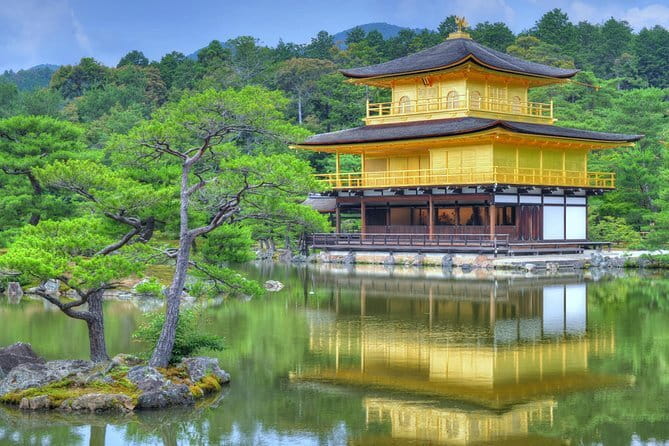
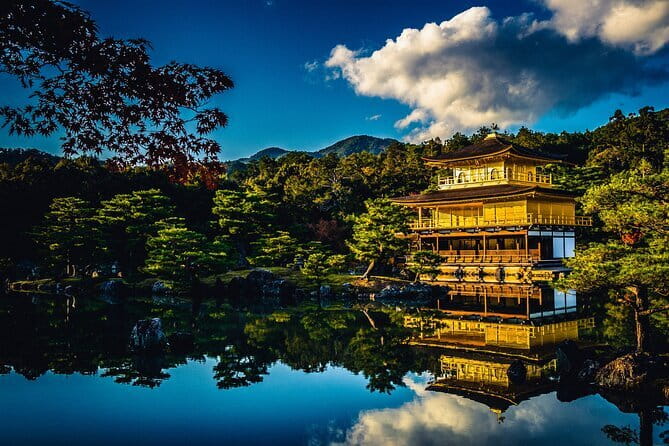
Kinkaku-ji is Kyoto’s most famous visual hit for a reason. You get about 50 minutes, which is a good balance between time to see the pavilion and time to walk the surrounding areas.
This is a stop where you should be intentional with your photos. If you rush, you miss the visual layers, like how the garden and reflections change the feel of the pavilion. If you go slow, you risk losing time elsewhere, but you still get your money’s worth because it is a straightforward sight.
Admission is not included here either, so plan for it. Also, do not be surprised if the pavilion area feels busy. That is normal for Kyoto’s headline attractions, and the guide can help you manage your time so you still get a satisfying visit.
Nijo Castle palace halls, art you can actually look at
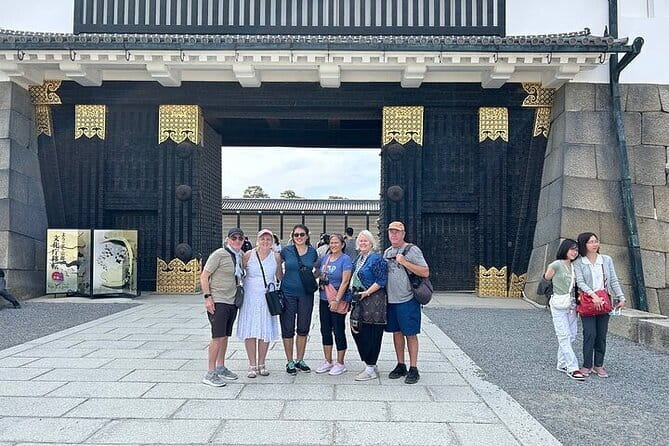
Nijo Castle is a different flavor from the other sites on the route. You have about 1 hour, including time to enter the palace and see the artistic works inside.
The key value of Nijo is that it gives you a peek into how power and culture were staged. It is not only about walking around. It is about standing in rooms, looking at details, and realizing you are inside a carefully designed space built for performance of status.
Because entry tickets are not included, you will want to budget for admission costs in your planning. The good news is that this is a timed stop, so you have permission to take your time without feeling like you will run out of the whole day.
If you are traveling with mixed interests, Nijo Castle tends to please people who like history, architecture, and interiors. Even if you do not love temples, the castle gives you a fresh angle on Kyoto’s traditional culture.
Kiyomizu-dera viewpoints, the uphill payoff
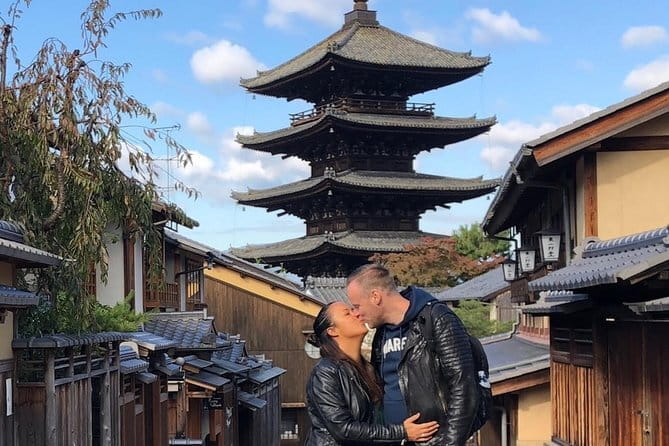
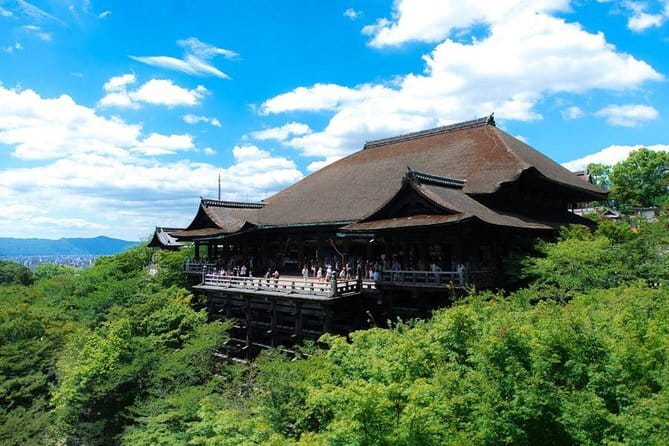
Kiyomizu-dera is one of those places where the setting matters as much as the buildings. You get about 1 hour here, with time to view the temple buildings and reach the panoramic veranda for wide views.
This stop is especially enjoyable when the group is energized, because Kyoto views are part of the reward. You are also walking on uneven ground and around crowds, so the guide’s pacing matters. If you need slower steps, the guide can adjust to your pace, rather than forcing a sprint.
As with the other paid stops, admission tickets are not included. So you will want to treat your base price as the transportation and guiding portion, and then plan for entry fees separately.
A smart way to use your time at Kiyomizu-dera is to split it mentally. Spend the first portion understanding what you are looking at, then save time for the veranda views without rushing. That way you do not end up with a photo you snapped while already walking away.
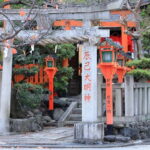
Fushimi Inari-taisha torii tunnel, your walk through orange gates
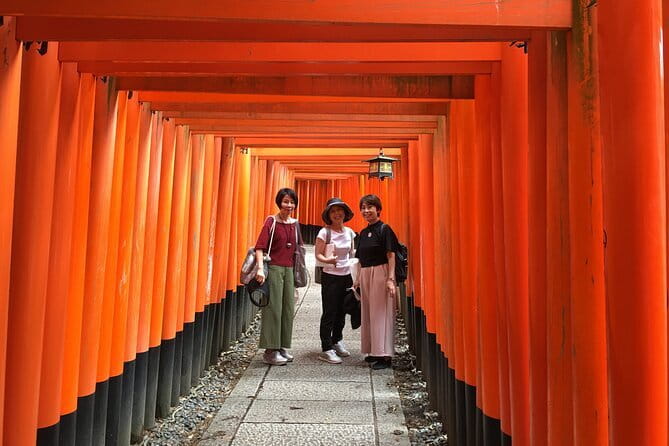
Fushimi Inari-taisha is the emotional closer for many people, because it feels like a ritual. You get about 50 minutes, and the best part is moving through the tunnel of orange torii gates.
The big benefit here is the entry cost. This stop is free, so it is the one on the list where you do not need to add admission to the plan. That makes it a nice relief on a day that already has other paid entries.
This is also a stop where you can tailor the intensity. If you want a lighter walk, you can focus on the main corridor experience. If you want more adventure, you might push farther along, as long as your group timing still fits the overall plan.
Even though it is free, give it real time. Fushimi Inari works better when you slow down enough to feel the tunnel effect, not just pass through it like a photo checkpoint.
Price and what you will likely pay extra
The base price is $312.73 per group, up to 6 people, with a planned 8 to 10 hour day. That can be good value in Kyoto, because you are paying for a private guide and a full car, not just a ticketed entry package.
The part to understand is what is included versus what is not. Included are the guiding fee, the cost of the car, and gasoline. Not included are parking fees, expressway fees, lunch for you and the guide, and admission fees listed as ¥25,000 per booking.
That ¥25,000 admission note matters. It is not broken down per site in the details you have here, so I suggest you budget for it rather than assuming each stop is a small add-on. In plain terms, the tour price covers the “how you move and how you learn,” then you add the “how you enter” costs on top.
Also, one small reality check from experience is that additional costs can feel unclear if you are not watching for them. If you care about exact totals, ask for a quick estimate of expected extra fees before you start so there are no surprises at the end.
Your guide, English explanations, and real-world flexibility
The tour provider is Mitsuyuki, and the guide name that shows up in past experiences is Mitsuyuki Nishikawa. He is a licensed English tour guide and a professional driver, which is a rare combo because it means you are not just getting facts, you are also getting smooth navigation.
What people tend to love here is the balance of information and flexibility. The guide can explain each site in a way that makes it easier to understand what you are looking at, not just a list of names. At the same time, the route is flexible, meaning you can adjust the day to match the group’s interests.
There is also a practical travel style that helps: the guide may walk quickly, especially when time is tight, but can slow down to your pace. That is important for mixed groups, like families or older travelers.
Finally, this tour is private. That means you are not managing your day around strangers, and you can ask questions without feeling like you are interrupting a group schedule.
Car size, heat comfort, and who this tour fits best
This is one of those tours that fits a specific type of traveler. If you want maximum sightseeing with minimum friction, you will probably appreciate the car format a lot. You also have a real comfort advantage: air conditioning. In Kyoto’s hotter months, that alone can make a big difference.
For families, first-timers, and people who want the “greatest hits” without overplanning, this works well. It also suits couples or small groups who prefer a guided day but still want the freedom to move at their pace.
The caution is space. One important note is that the car can feel small for 6 Americans. If your group is exactly 6 and you all carry larger backpacks, you might want to think about whether you can travel comfortably in a tighter vehicle.
If you are 2 to 4 people, you will likely feel better about the space and still enjoy the same private, flexible experience.
Is this Kyoto tour worth booking for your trip?
I would book this tour if you value comfort, flexibility, and guided context more than DIY wandering. It is a strong way to cover major Kyoto landmarks in one day without turning your afternoon into a navigation project. The private format is a big deal if you hate waiting, pushing through crowds as a mob, or dealing with transit timing.
I would pause before booking if you are on a tight budget and do not want to think about extra admissions, parking, and expressway costs. Also, if your group truly needs a very roomy vehicle for 6 people, you may want to consider adjusting your group size or asking about vehicle capacity before committing.
If you want a day that feels organized but not rigid, this is a good match. Kyoto is complicated, and a guide plus car is one of the most practical ways to make it feel simple.
FAQ
How many people are in a group?
The tour is a private experience, for up to 6 people per group.
How long does the Kyoto tour last?
It runs about 8 to 10 hours.
What does the tour price include?
The price includes the guiding fee, the cost of the car, and gasoline.
Are temple and castle admission tickets included?
No. Admission fees are not included, and an admission fee amount of ¥25,000 per booking is listed as not included. Fushimi Inari-taisha is listed as free.
Is pickup included?
Pickup is offered.
Do I get a mobile ticket?
Yes, the tour includes a mobile ticket.
What if weather is bad?
This experience requires good weather. If it is canceled due to poor weather, you will be offered a different date or a full refund.
Can I get a refund if I cancel?
Yes. You can cancel up to 24 hours in advance for a full refund. If you cancel less than 24 hours before the start time, the amount paid is not refunded.
More Tours in Kyoto
More Tour Reviews in Kyoto
Not for you? Here's more nearby things to do in Kyoto we have reviewed


Kobe & Himeji Day Trips, compared.
 ★ 4.6Osaka/Kyoto: Amanohashidate & Miyama Tour with Boat & LunchFrom $71207 reviews
 ★ 5.0Nara Park, Osaka & Kobe from Kyoto Full Day tourFrom $90207 reviews
 ★ 4.6From Kyoto: Nara, Osaka & Kobe Day Trip – 3 Cities in 1 DayFrom $129160 reviews
 ★ 4.8Volleyball in Osaka, Kobe & Kyoto with locals!From $6131 reviews
 ★ 5.0Discover Himeji, Kobe and Nara from OsakaFrom $91101 reviews
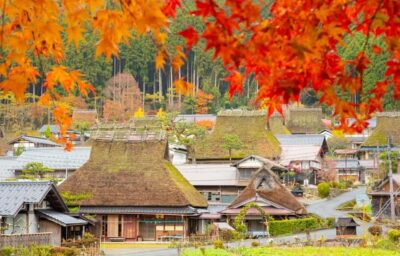 ★ 4.6Miyama Village, Amanohashidate & Ine Bay Day TripFrom $6398 reviews
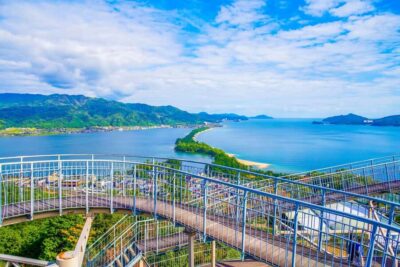 ★ 4.5Kyoto Amanohashidate,Ine Bay Trip with Optional boat/RopewayFrom $6387 reviews
 ★ 4.7Pickleball in Osaka, Kobe & Kyoto with Locals!From $680 reviews
Browse the lists this tour appears in