
Reviewed · GION & GEISHA DISTRICT TOURS
Maiko Dance and Tea Ceremony on a Noh Stage in Kyoto
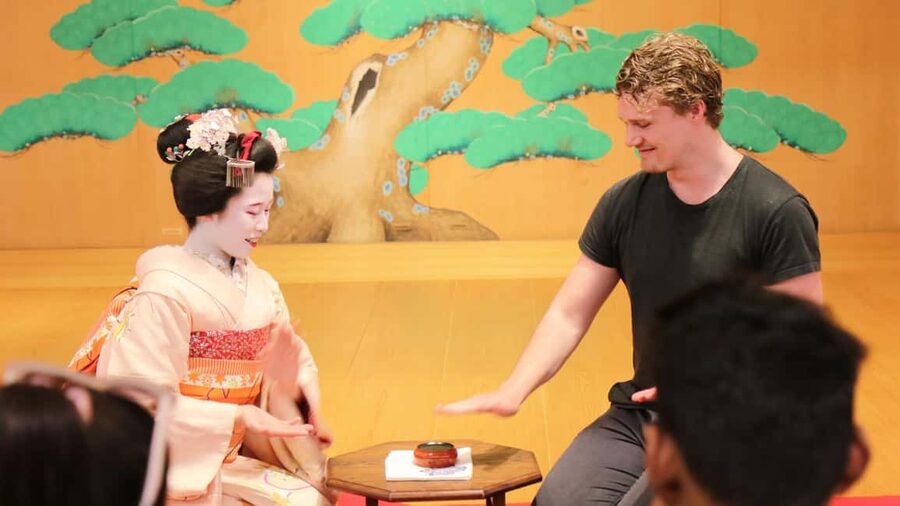
A tea sip and a maiko dance, in Kyoto. This experience is interesting because it puts performance and hospitality on the same historic stage, the Noh theater, where you can really feel the calm, ritual side of Japanese culture. I like the fact that you are not watching from the back of some big venue, you are in a dignified space built for restrained, precise art.
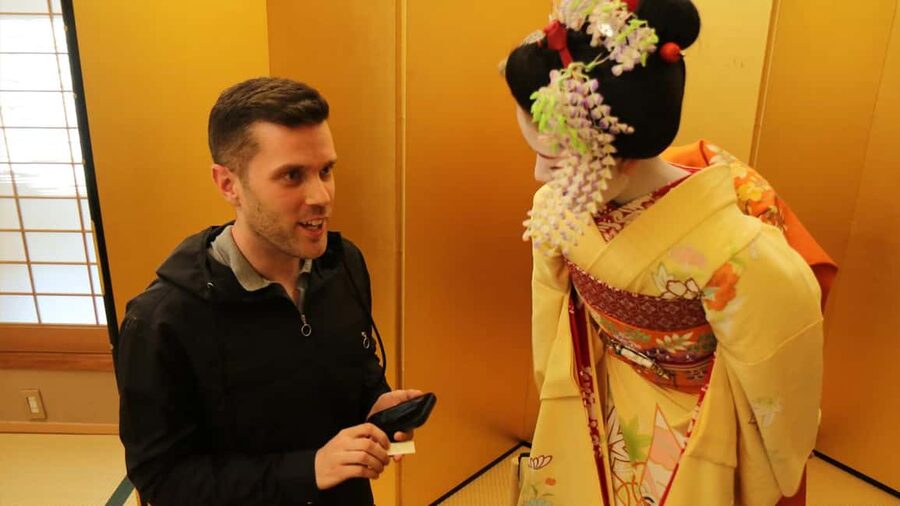
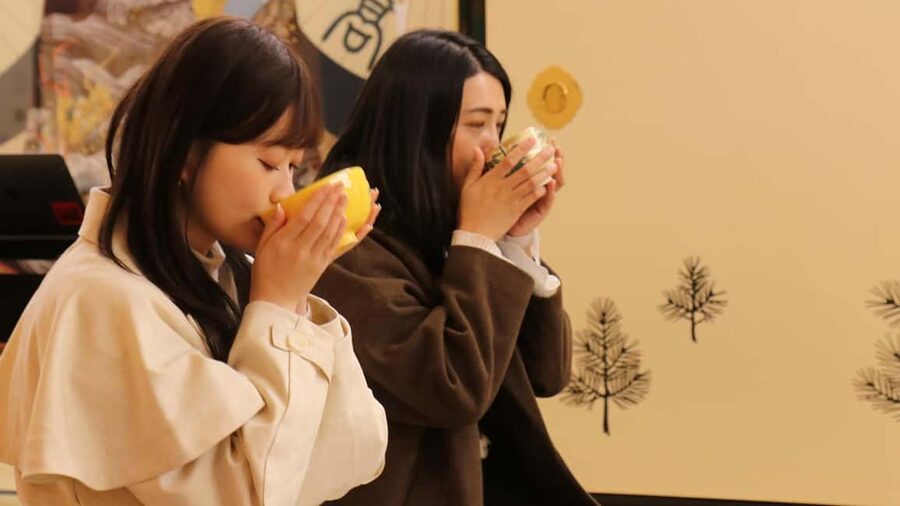
My second favorite part is the tea ceremony with freshly prepared matcha served alongside seasonal sweets. You also get an up-close interaction moment, including the chance to take photos and chat with the maiko, which turns this from a passive show into a personal cultural encounter. One possible consideration, the whole program is short (about 1 hour to 90 minutes), so plan your expectations accordingly, and don’t count on it to replace a proper Kyoto sightseeing block.
Key highlights that matter on the ground
- A real Kyoto Noh stage setting, so the dance performance happens in the right kind of theater atmosphere
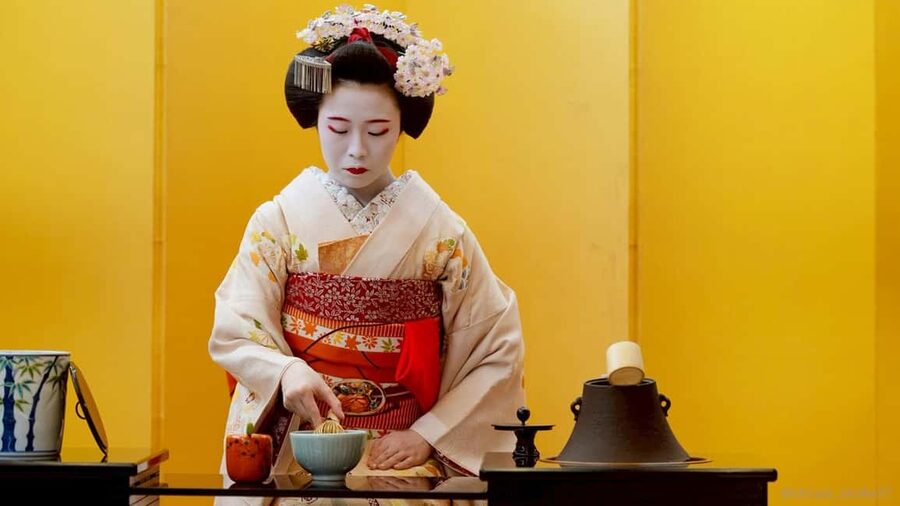
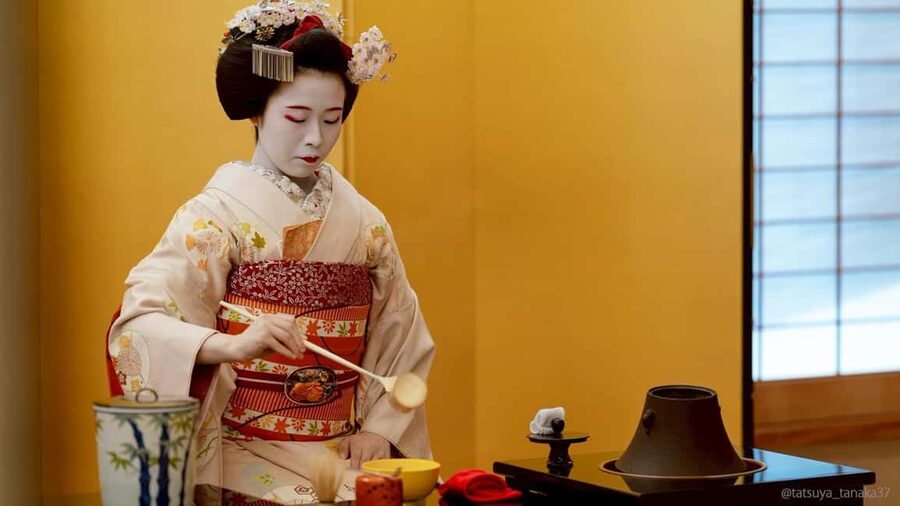
- Matcha prepared by the maiko with a careful, refined tea flow you can watch firsthand
- Seasonal Japanese sweets paired with the matcha, not generic snacks
- English-speaking interpreter guide (professional) plus live tour guidance in English and Japanese
- Photo and chat time with the maiko, in an intimate setting
- Simple prep rules, you remove shoes indoors and wear socks
Where this Kyoto performance actually shines
Kyoto can be overwhelming fast. You arrive, you see crowds, you chase reservations, and suddenly everything feels rushed. This kind of experience works because it slows you down on purpose.
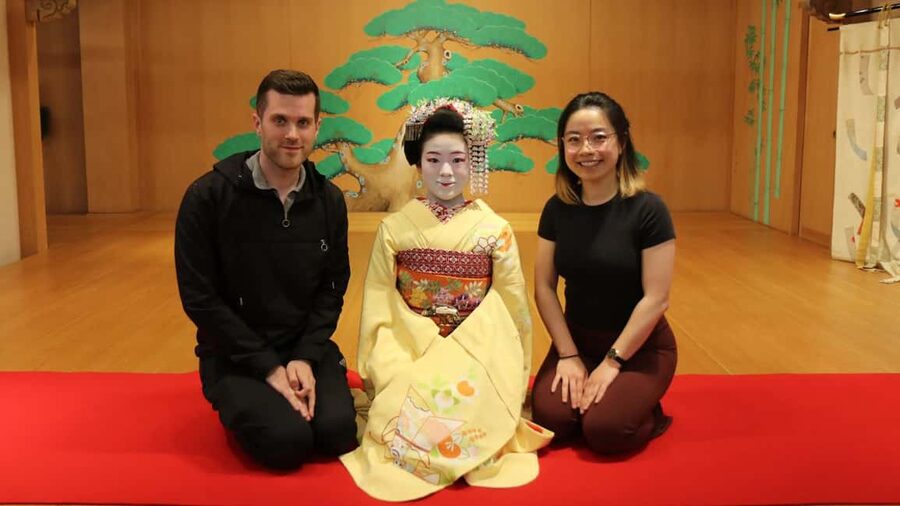
The core setting is a traditional Noh stage in Kyoto, which changes the whole mood. Noh is not built for loud spectacle. It is built for controlled movement, measured pacing, and that quiet focus where even small gestures feel meaningful. When a maiko dance is placed in this environment, you are more likely to notice the details that you would miss in a conventional theater.
I also like that the format is structured. You have a clear program length, you know where you need to be, and you are guided through tea and performance without needing to translate everything yourself. That matters in Japan, because the cultural “how” is often just as important as the “what.”
The best part for many people is the combination of two very different arts under one roof. You get:
- a dance performance by a maiko (apprentice geisha)
- a tea ceremony moment that connects etiquette, taste, and hospitality
That pairing is not accidental. Tea and dance both rely on discipline. You are getting a practical lesson in Japanese culture, not a vague lecture.
You can also read our reviews of more tours and experiences in Kyoto.

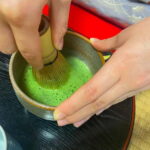
Maiko dance on a Noh stage: what you should watch for
A lot of cultural shows feel like a blur of costumes. This one is different because the dance is delivered in a space that supports Noh style aesthetics.
Here is what I’d focus on, in plain terms, while you are watching:
- Movement control: Noh performance style usually emphasizes gradual, intentional motion, and you can feel that in the dance pacing
- Stillness: part of what makes these arts work is the pauses. If you are used to modern performances, try not to fill silence
- Formality: the ceremony and performance share the same tone, respectful and composed
Even if you do not know the specific dance meanings ahead of time, you still benefit. You can enjoy the craftsmanship and the atmosphere at the same time. That is why this works well for first-timers to Kyoto culture, and also for people who have seen plenty of shrines but want something more arts-focused.
One more practical detail: you should take advantage of the photo and chat time. That is often the moment where the experience becomes memorable beyond the show itself. The setting is described as intimate, which is exactly what you want for real conversation, even if it is short.
The tea ceremony: matcha, sweets, and what it teaches
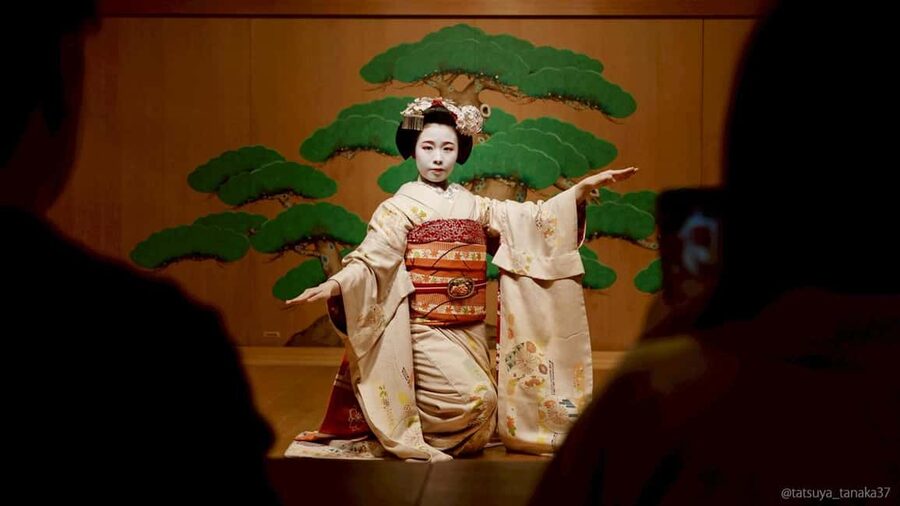
The tea ceremony is not just a drink hand-off. In this experience, a maiko prepares the matcha with refined precision. That precision is the whole point, and it shows in the flow.
You will be served:
- matcha
- seasonal Japanese sweets
- all as part of the tea ceremony itself
So what should you expect to feel? Tea ceremonies train you to slow your senses down. You notice temperature. You notice texture. You notice the pairing. And you notice that hospitality in Japan is often communicated through careful preparation, not big gestures.
Seasonal sweets are a big deal here. Generic “tea cakes” can feel like a tourist add-on. Seasonal sweets signal that the moment matters, which makes the tea taste feel more connected to the time of year.
Also, this is not a silent cultural museum scene. You have a professional English interpreter guide, plus live guidance in English and Japanese. That means you can ask basic questions and get context without guessing.
If you are picky about food experiences, this is one reason you might enjoy it: you are not just drinking matcha, you are eating something designed to complement it.
Photos and chat with the maiko: how to make it feel respectful
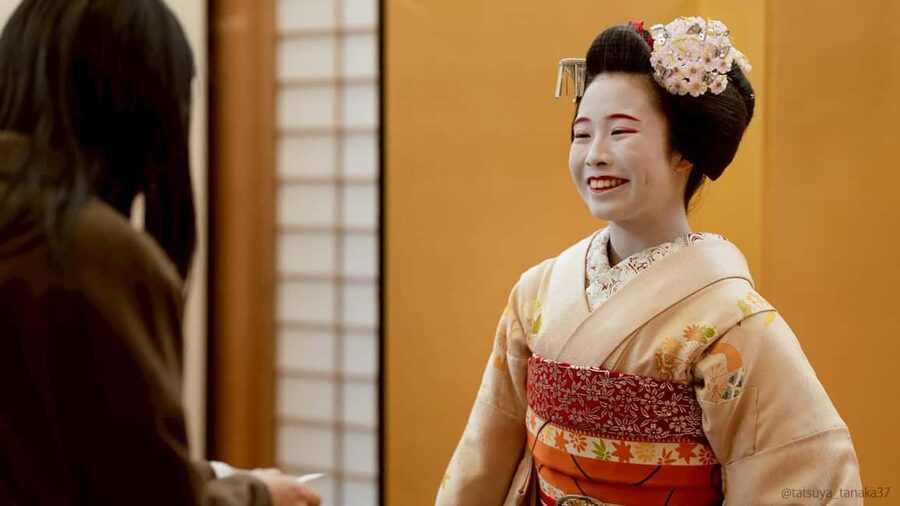
This is one of the most praised parts of the experience. People value the chance to take photos and chat with the maiko in an intimate, authentic setting. That combination is powerful because it turns the event into a two-way human moment.
For you, the best approach is simple:
- Be polite and brief in conversation, especially if others are waiting
- Use your photo moment efficiently, so it does not stretch
- Keep your tone calm, since the whole program is built around serenity
If you tend to get shy, good. This kind of interaction works best when you do not over-perform. A few friendly questions, or even just asking what to look for in the tea or dance, can be enough.
And if you are traveling with someone, align expectations before the photo moment. Decide who wants to ask questions and who wants to focus on the performance timing. That way the experience stays smooth.
Inside Kurochiku Tensho-kan: shoes off, socks on
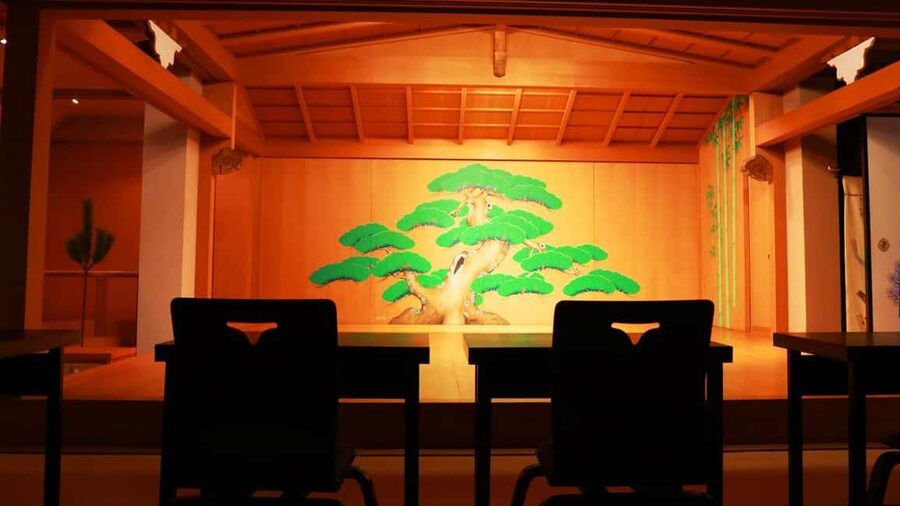
The practical reality of this experience is that you participate indoors after removing your shoes. That is normal in many traditional settings in Japan, but it catches people off guard when they are already tired from Kyoto walking.
You should bring:
- Socks, because you will take your shoes off indoors
You will also want to plan your arrival with time in mind. You should arrive at the 1st floor reception of Kurochiku Tensho-kan at least 15 minutes before the starting time. That buffer helps you:
- check in calmly
- get ready for indoor seating
- avoid rushing right before the ceremony starts
Comfort matters too. Comfortable seating is arranged so you can relax while you watch the dance and take part in the tea ceremony.
One more note on your behavior: since this is a traditional setting, keep your phone use respectful. If you are taking photos during the designated moment, great. During the ceremony and performance, keep distractions minimal.
What the included items are really paying for
Let’s talk value, because the price can look like a splurge at first glance.
Price listed is $141 per person for a duration of about 1 hour to 90 minutes. At face value, that is not a long time. So why do people book it?
Because the included costs are substantial and specific:
- Matcha and sweets served at the tea ceremony
- a Japanese-patterned handkerchief given to each participant
- a professional English interpreter guide
- a Noh stage in Kyoto
- a maiko dispatch fee
That last point is the big one. Getting a maiko for a cultural program is not like hiring a performer for a standard show. The experience is built around access and authenticity, and that dispatch fee is part of what makes it possible.
Also, the interpreter guide is not an optional add-on here. For many people, that is the difference between just watching motions and actually understanding what they are seeing. Even basic context can make a calm, formal performance feel personal.
Not included is private transportation, so you will handle getting to the meeting point area on your own.
If you are weighing this against other Kyoto paid experiences, think of it as a premium, focused cultural session. You are buying a specific setting, a specific performer access, and a guided tea ceremony, not a broad “attractions pass.”
Timing, meeting point, and how to not ruin your own night
The meeting point may vary depending on the option booked. That means you should treat your booking confirmation as your source for exact location details.
What stays consistent in your prep is this:
- arrive 15 minutes early at the 1st floor reception of Kurochiku Tensho-kan
- check what time slot you selected for the start
Duration is listed as 1 hour to 90 minutes, so your best planning move is to build a buffer before and after. In Kyoto, things rarely go according to schedule due to walking, transit, and lines. This program is scheduled and start-dependent, so you want fewer variables.
If you are pairing this with other activities, consider choosing something that does not require tight timing right after. Let the rest of your evening breathe.
Languages and guidance: what you can expect to understand
You get live tour guidance in English and Japanese, and you also have a professional English interpreter guide.
That matters because a tea ceremony and formal dance come with cultural cues. Even if you enjoy arts without studying them, being able to ask simple questions helps you appreciate the logic behind the ritual.
So if you are worried about not understanding, you can relax. Your guide support is part of the product.
Who this experience suits best (and who may want to skip it)
This fits best if you want:
- a Kyoto cultural experience that is calm and structured
- a hands-on role in tea, not only viewing
- a chance to interact with a maiko through photo and chat
- English support so you can understand the etiquette and context
It may not be ideal if you want a long outing. This is short by design, about 1 hour to 90 minutes, and you should not expect a full afternoon.
If your goal is only to tick off a list of must-sees, you might be happier with a self-guided plan. But if you care about art, manners, and the meaning behind traditions, this is a strong choice.
Also, pack your patience. The program is dignified and serene. If you like fast-paced sightseeing, this will feel slower than a temple hop. That is exactly why it works.
Should you book the Maiko Dance and Tea Ceremony on a Noh Stage?
I think this is a smart book if you want one Kyoto experience that feels genuinely traditional, guided, and personal, without needing extra research or language effort.
You should book if:
- you want a Noh-stage maiko dance setting
- you care about matcha plus seasonal sweets served during a real tea ceremony
- you want English guidance and a calmer, indoor cultural moment
- you value the chance to photo and chat in an intimate setting
You might skip or choose something else if:
- you expect a long sightseeing day
- you are sensitive to shoe removal and indoor sock-only participation
- you do not want to handle your own transportation to the meeting point area
If you like the idea of Kyoto at a slower pace, where art and hospitality share the same script, this experience is a very good use of your time and money.
FAQ
How long is the Maiko Dance and Tea Ceremony?
The duration is listed as 1 hour to 90 minutes, depending on the starting time available.
What is included in the tea ceremony?
You will be served matcha and seasonal Japanese sweets at the tea ceremony.
Do I need to bring anything?
Yes, bring socks. You will remove your shoes indoors.
Where do I check in before the start?
Arrive at the 1st floor reception of Kurochiku Tensho-kan at least 15 minutes before the starting time.
What languages are available?
The experience includes live tour guidance in English and Japanese, and there is a professional English interpreter guide.
Are shoes allowed inside?
No. Guests participate indoors after removing their shoes.
Is private transportation included?
No, private transportation is not included.
More Tour Reviews in Kyoto
Not for you? Here's more nearby things to do in Kyoto we have reviewed



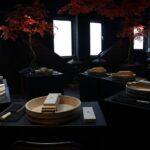


Gion & Geisha District Tours, compared.
 ★ 4.7Kyoto Geisha Walking Tour: Gion District & Hidden GemsFrom $253,273 reviews
 ★ 4.9Gion Magical Night Walking Tour with Geisha TriviaFrom $242,393 reviews
 ★ 4.7Gion Geisha District Walking Tour – Stories of GeishaFrom $202,187 reviews
 ★ 4.9Best of Kyoto: Gion, Geisha, Pagodas & CobblestonesFrom $242,058 reviews
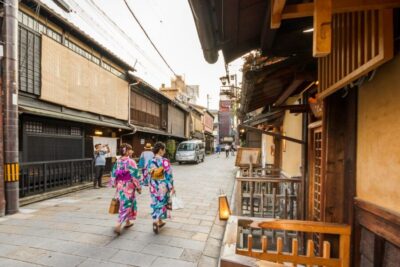 ★ 4.5Night Walk in Gion: Kyoto’s Geisha DistrictFrom $212,003 reviews
 ★ 5.0Kyoto Night Foodie Tour in Gion (9+ dishes + 6 Sake tastings)From $1631,762 reviews
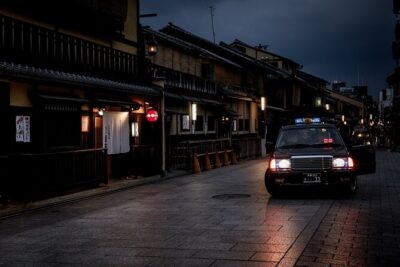 ★ 5.0Kyoto Gion Geisha District Walking Tour – The Stories of GeishaFrom $251,441 reviews
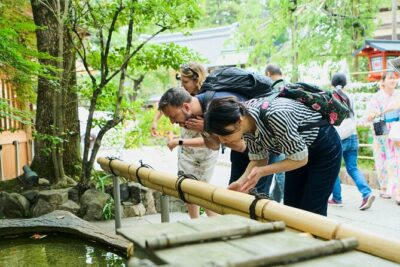 ★ 5.0Kyoto Gion: 2-Hour Geisha Culture & History Walking TourFrom $231,186 reviews
Browse the lists this tour appears in