
Reviewed · KYOTO TEA CEREMONIES
Nara:Private Tea Ceremony(Max 5 ppl) -Master Matcha Making-
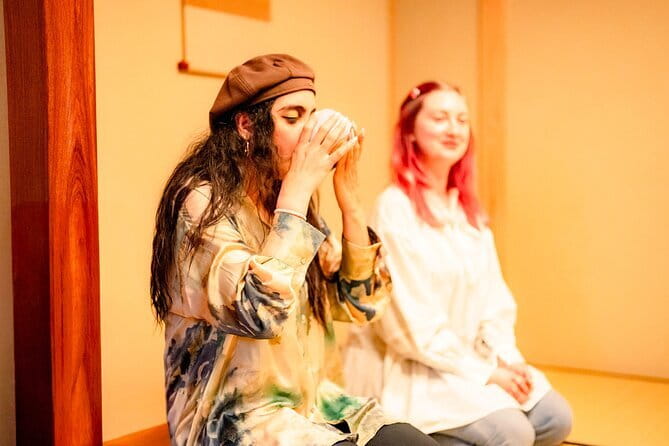
Matcha can slow time. In Nara, you get a private tea ceremony in a 120-year-old Japanese house, with a calm teacher-led lesson that makes the whole hour feel like a mini reset.
I love the chance to compare two types of Nara single-origin matcha back to back, then pick your favorite based on aroma and taste. I also like that you do more than watch, you whisk your own matcha with a bamboo whisk while learning the basic etiquette and tools. One thing to consider: it is only about an hour, so come with questions if you want it to feel personal.
Key highlights (what makes this worth your time)
- A 120-year-old house setting in Nara: You slow down fast just by being inside the tea room atmosphere.
- Two Nara single-origin matcha to taste and compare: You learn what changes when flavor and aroma shift.
- One-on-one style lesson with a tea master: You can ask questions and get straight answers.
- Hands-on whisking with the chasen: You practice, not just observe.
- Full set of tea ceremony utensils plus learning how they are used: practical basics you can remember.
- Brunch, plus coffee and/or tea and a Japanese sweet: tea time comes with real comfort food.
Why this tea ceremony feels different in Nara
Nara is not just temples and deer. This experience adds something quieter, more tactile, and way more hands-on than most cultural stops.
The big win is the setting. You are in a historic 120-year-old Japanese house, and that matters because a tea ceremony is built on small movements and attention. When you sit and watch the process unfold in a traditional space, the routine makes more sense. It is not just about drinking matcha, it is about how the whole moment is paced.
Another standout is the structure. You taste two types of Nara single-origin matcha and compare them, then you learn the basics, then you actually whisk your own. That sequence keeps you engaged. You are not stuck in a passive role, and you leave with something you can replicate at home, even if you never become a tea master.
The one possible drawback is also simple: at about 1 hour, you will likely feel like you want a little more time once you get the hang of it. If you have strong interest, bring specific questions about utensils, etiquette, or how matcha differences show up in aroma and flavor.
You can also read our reviews of more private tours in Nara


Where you meet, and how to plan your arrival
You start at Guesthouse Naramachi, 30 Kitakyōbatechō, Nara 630-8322, Japan. The tour ends back at the meeting point.
It is near public transportation, which is helpful, because the one thing not included is your transportation fee. So think of this as a self-guided logistics piece, then a guided tea lesson once you arrive.
You also get a mobile ticket, so have it ready on your phone when you show up. Since the average booking time is about 18 days in advance, I suggest planning early, especially if you want a specific day or you are traveling in peak season. Even private experiences can fill up.
Practical tip: arrive a bit early so you can settle in before the tea lesson starts. With something as detail-based as matcha whisking, a few minutes of calm breathing makes everything easier.
Entering the tea room: the quiet etiquette lesson begins fast
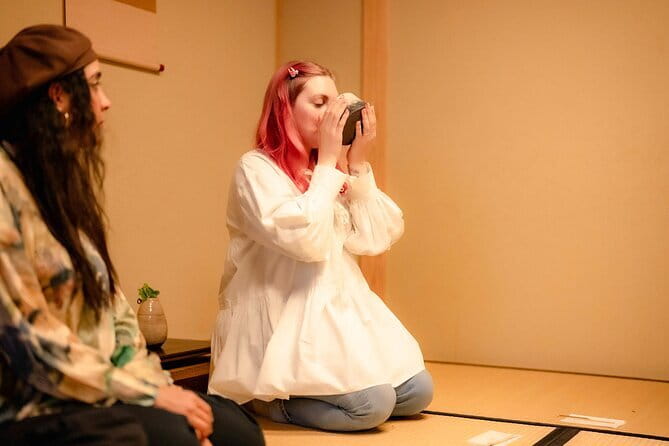
Your time starts in a calm, traditional atmosphere. You are not asked to rush into performance mode. Instead, you get oriented in the rhythm of the ceremony.
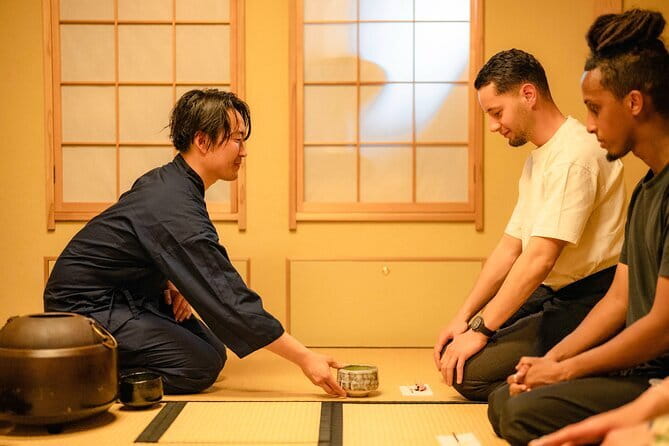
A key part here is learning the history and etiquette of tea ceremony basics. The course is designed for people who have never done this before, so you get the meaning behind what you see: why utensils are used a certain way, what good manners look like at the tea moment, and how to treat the experience with respect.
You also learn about the proper use of tea utensils. That sounds technical, but it is actually practical. When you understand what each utensil is for, you stop guessing during the demonstration and you pick up faster when it is your turn.
And because it is a private activity for up to 5 people, your teacher can adjust. If someone is confused, you do not have to wait for a group schedule to catch up.
Taste two Nara single-origin matcha like a mini flight
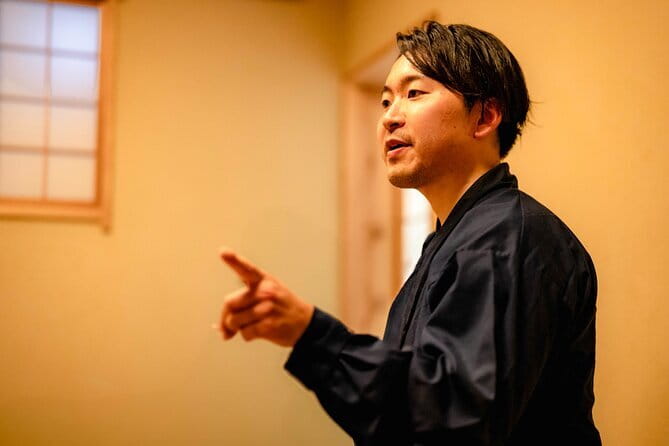
The highlight for many people is the two-matcha comparison. You get to taste two types of Nara single-origin matcha, both singled out as single-origin. That setup is ideal for training your own senses.
Here is how I’d approach it mentally while tasting:
- First, smell before you sip. Matcha aroma can shift even when the color looks similar.
- Then sip slowly. Pay attention to sweetness, bitterness, and the way the flavor lingers.
- Finally, compare both, not just one. The second tasting helps you calibrate what you actually like.
This is not just about picking which cup is better. It teaches you how matcha character changes, so you can later buy matcha and use your memory as a guide. The experience gives you language for taste, even if you do not call it anything fancy.
If you are picky about food or you usually skip tastings, this format can work because it is simple: two options, side by side in the same session, taught in a way you can understand.
Watching the master: what you learn when you slow down
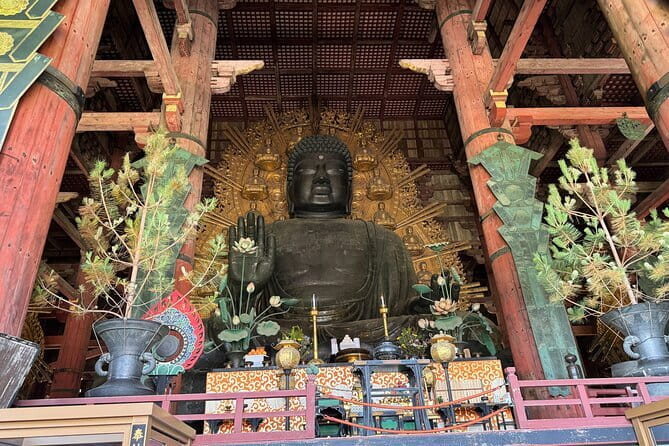
You get a demonstration from the tea master, and the teaching style matters. In one of the past sessions, the tea master was Mike, and he was described as earnest and generous, with a lot shared during the lesson. That kind of energy is important, because tea ceremony can feel formal if the teacher is distant. In this setup, you get hospitality, not just instructions.
During the demonstration, you are watching the flow: how matcha is prepared, how the whisking is done, and how the utensils are handled. Even if you think you are just observing, you are building muscle memory for your own turn later.
One more thing: you can ask as many questions as you like. That turns the lesson from a one-way show into a real conversation. If you want to know why certain steps matter, you can ask. If you are curious about differences in matcha, you can ask. This is one of those experiences where questions actually improve the whole session.


Your turn with the chasen: getting the whisk technique right

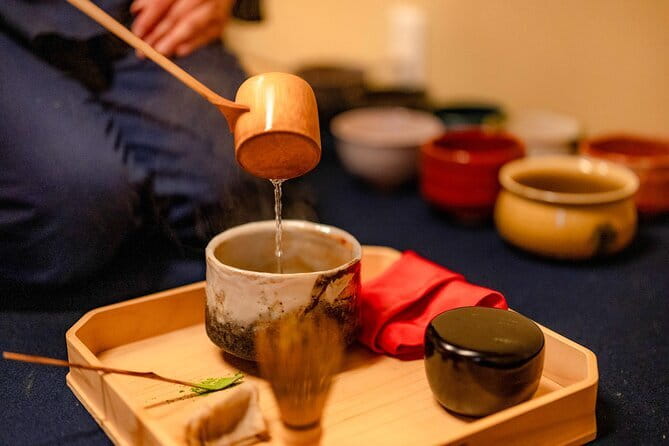
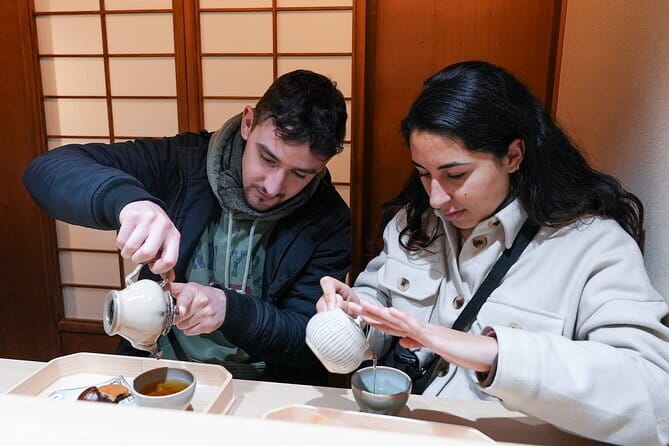
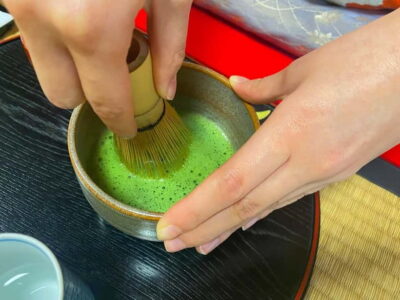
Then comes the part most people remember: you whisk your own matcha using a bamboo whisk, the chasen.
Hands-on instruction is the difference between watching matcha being made and learning how to do it. The whisking step is where you feel the process. You can also tell, quickly, how matcha texture changes when you whisk. It is a small skill, but it feels rewarding because you can see and taste the results.
When you whisk, focus on patience. Matcha does not respond well to panic. Slow, controlled motions help you build the consistency you want. You do not need to become perfect on the first try, but learning the rhythm is the whole point.
Also, since this is a private lesson for up to 5 people, you are not stuck in a long line. You get more attention than you would in a larger group setting. That matters for beginners, because beginners usually have the same core problem, which is not knowing what they are supposed to be aiming for.
How the course ties etiquette, utensils, and flavor together
One danger in cultural experiences is that you learn rules but not meaning. This lesson tries to connect the dots.
You learn basics of the tea ceremony etiquette and history, you learn the proper use of tea utensils, and then you put that into practice while whisking and tasting.
That combination is useful for you because it stops tea from feeling like a museum activity. It becomes something you can understand: a sensory routine with respectful behavior and specific tools.
A couple practical takeaways you can expect to walk away with:
- Utensils are not random. Each one has a job, and knowing the job helps you handle them correctly.
- Etiquette is part of the experience. It guides pacing, attention, and respect in a way that improves how the cup tastes.
- Your senses are the real lesson. The matcha tasting is the training exercise behind everything else.
If you are traveling with a teen or family, this structure can also be a win. The mental model is easy: watch, learn basics, taste, then try it yourself. It is not just standing and listening.
Brunch, sweet, and the real-life benefit of included food
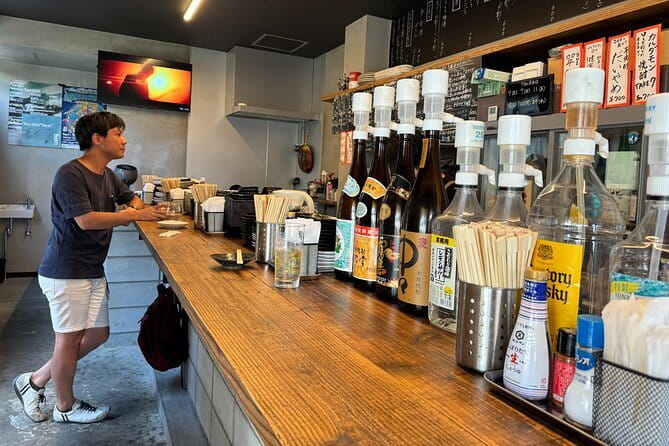
This is not tea-only. You get coffee and/or tea, brunch, and a Japanese sweet included.
Food matters here because tea ceremony can be a full attention activity. When the session also includes a brunch component, you are less likely to feel hungry or distracted. It keeps your mood steady and makes the whole hour feel more complete.
The Japanese sweet included also fits naturally with matcha. Even when you do not connect the flavors in a formal way, the sweet gives you a contrast point. That makes the matcha taste experience clearer, especially when you are comparing two types.
If you like practical inclusions that reduce decision fatigue, this one is doing that for you. Instead of thinking about where to eat after, you already have that handled inside the experience.
Price and value: is $50.85 per person fair?
At $50.85 per person, this is not a budget activity. But it is also not priced like an expensive luxury show. The value comes from what is included and from the format.
You are paying for:
- A private-style session (only your group participates)
- A teaching-focused ceremony with learning goals
- Two types of Nara single-origin matcha
- Hands-on whisking practice
- A full set of tea ceremony utensils included
- Brunch, plus coffee and/or tea and a Japanese sweet
- A lesson duration of about 1 hour
That combination is why the price can make sense. Many food and culture experiences charge separately for a meal, a workshop, and sometimes even tastings. Here, those pieces are bundled into one time block with a teacher.
The main cost that is not covered is transportation to the meeting point. So you should factor in getting to Guesthouse Naramachi. If your hotel is convenient to public transport, this stays reasonable. If you are coming from far away, transportation may change the true cost.
Overall, I see it as good value if you want a guided, hands-on matcha lesson with real hospitality and not just a quick photo stop.
Who should book this private matcha master lesson
This works especially well if you like calm, sensory experiences, and if you value learning something you can repeat.
It also fits well for families. The experience notes that families with young children are welcome, and that matters because the lesson format is private. A smaller, calmer setting can be easier than a bigger group activity.
It is also a solid pick for couples and friends who want a break from faster sightseeing. If you are done with crowds for the day, this gives you something slower and more personal.
If you are traveling alone, it can still be worth it because a private format usually means you get room to ask questions. Just know your time is about one hour, so come with curiosity.
Finally, if you are a teen or a first-time food learner, the two-matcha tasting plus the whisking can hold attention better than a lecture-only class. One past family experience mentioned that even a 17-year-old got into it, which is a strong sign that the activity can land with younger ages.
A quick reality check before you go
Keep expectations grounded. You are not going to become a tea expert in one hour. What you will get is a clean foundation, a memorable hands-on experience, and a sense of what matcha tastes like across two Nara single-origin options.
Also, bring a question mindset. Since the teacher allows you to ask as many questions as you like, you will get more out of the hour if you show up with curiosity, not just good intentions.
Should you book the Nara private tea ceremony?
Yes, if you want a structured, hands-on matcha experience in a traditional setting, with real instruction and food included. The big reasons to book are the two-matcha comparison, the chance to whisk your own matcha, and the private group format that keeps the lesson focused.
Skip it only if you are looking for a long, multi-hour deep study, or if you prefer experiences that are mostly walking and sightseeing. This one is about attention, taste, and technique.
If you are in Nara for a few days and you like authentic, calm moments that break up the travel pace, this fits nicely.
FAQ
Is this tea ceremony private?
Yes. It is a private activity, and only your group participates.
How many people can join this private matcha making experience?
The group size is limited to a maximum of 5 people.
How long does the Nara tea ceremony master lesson take?
It runs for about 1 hour.
What matcha do we taste and do we make it ourselves?
You taste two types of Nara single-origin matcha, and you also whisk your own matcha with a bamboo whisk.
What is included in the experience?
A full set of tea ceremony utensils, coffee and/or tea, two types of matcha, brunch, and a Japanese sweet.
Where is the meeting point in Nara?
The meeting start point is Guesthouse Naramachi, 30 Kitakyōbatechō, Nara 630-8322, Japan. The activity ends back at the meeting point.
Is transportation included in the price?
No. Transportation fees are not included.
Can I cancel and get a full refund?
Yes. You can cancel up to 24 hours in advance for a full refund.
More Private Tours in Nara
More Tour Reviews in Nara

Not for you? Here's more nearby things to do in Nara we have reviewed




Kyoto Tea Ceremonies, compared.
 ★ 4.9Tea Ceremony in a Traditional Tea House in KiyomizuFrom $493,519 reviews
 ★ 4.9Tea Ceremony Ju-An at Jotokuji TempleFrom $293,207 reviews
 ★ 4.345-Minute Tea Ceremony Lesson ExperienceFrom $222,378 reviews
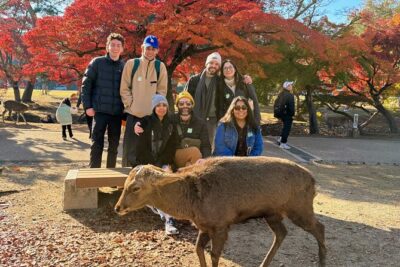 ★ 5.0World Heritage Kyoto & Nara Uji Authentic Matcha ExperienceFrom $1291,573 reviews
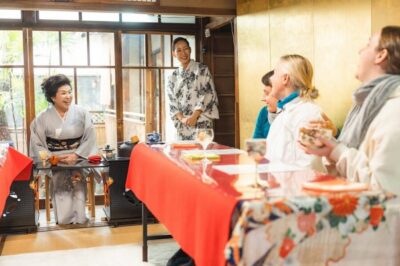 ★ 4.9Table-Style Tea Ceremony at a Kyo-MachiyaFrom $451,211 reviews
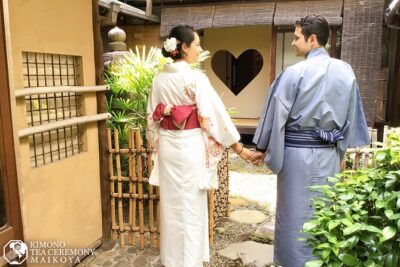 ★ 5.0Kimono Tea Ceremony at Kyoto Maikoya, NISHIKIFrom $65911 reviews
 ★ 5.0Arashiyama Bamboo Forest, Monkeys, Matcha & Temple TourFrom $53759 reviews
 ★ 4.9Tea Museum Tickets and Matcha Grinding ExperienceFrom $23739 reviews
Browse the lists this tour appears in