
Reviewed · KYOTO COOKING CLASSES
Udon and Tempura Cooking Class in Nara
Cutting udon dough feels weirdly satisfying. This handmade udon class in Nara has you working with Japanese wheat flour under a skilled instructor, then finishing with hot Tempura Udon you make yourself. I especially like the hands-on pacing and the fact that the meal is part of the lesson, not an afterthought. One possible drawback: you need a bit of comfort around food prep basics (kneading, rolling, and frying), since it is not just watching.
I love that you start right in Nara with a craftsman-led approach, and you are not stuck translating a cookbook. Expect a practical, friendly flow where you learn the steps, handle the tools, and taste the results quickly. Also, with a maximum group size of 10, it feels personal rather than rushed.
Finally, consider timing. The whole experience runs about 1 hour 30 minutes, so it is best if you are ready to focus and stay with the group instead of wandering off to explore.
Key Things I Think You Will Enjoy
- Hands-on udon technique using 100% Japanese wheat flour
- Tempura with local Nara vegetables cooked fresh with the chef
- You eat what you make, including your Tempura Udon
- Pickup by air-conditioned vehicle, so you can arrive relaxed
- Small group limit of 10, which helps you get attention
Handmade Udon with Japanese Wheat Flour in Nara
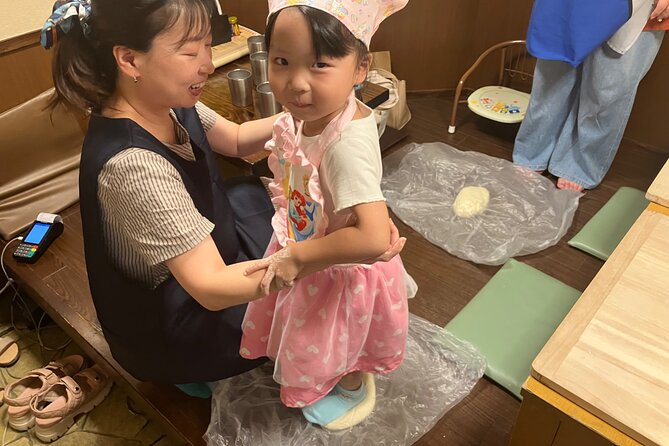
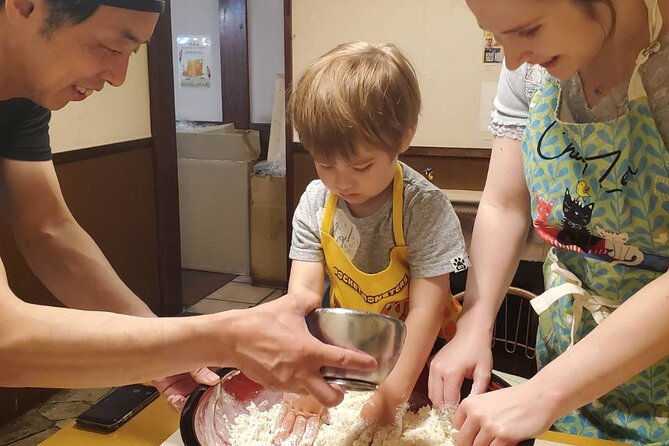
This experience centers on making udon noodles from scratch, and it is surprisingly physical work for something so simple-looking. You will learn how to knead the dough, roll it out, and cut it into fresh noodles. The important detail is the ingredient choice, you use 100% Japanese wheat flour. That matters because it is the base for the chew and texture people look for in good udon.
What I like about this setup is the logic of learning. You do not jump straight to eating. You build the noodle first, and only then you get to appreciate why certain steps matter. Kneading affects elasticity, rolling affects thickness and evenness, and cutting affects how the noodles cook. Even if you do not become an udon expert, you will leave with an actual sense of the process.
Also, the class format usually encourages you to follow the instructor’s tempo. You are not trying to copy a method from a video while everyone waits. That makes the 1.5-hour length feel workable instead of frantic.
One little culture note from a past participant’s experience: you can expect simple etiquette when you arrive, like washing your hands and removing your shoes before getting into the workspace. It is quick, but it helps you understand that this is a craft environment, not a staged show.
You can also read our reviews of more cooking classes in Nara
Rolling, Cutting, and Cooking Your Noodles
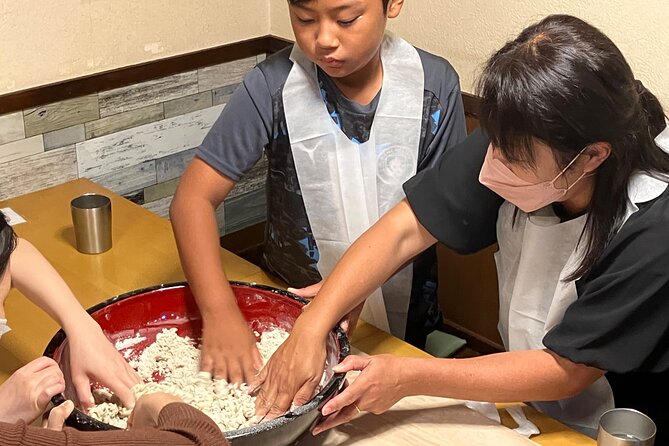
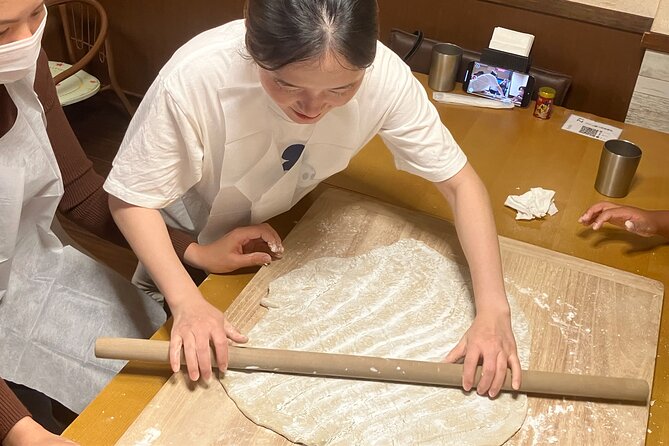
In a class like this, the real payoff is doing the key motions yourself. You will handle the dough, roll it, then cut it into noodles. The instructor guides you through the technique, so you get a sense of how the dough should feel as you work with it.
Keep your expectations grounded. You are learning a skill, not producing restaurant-grade noodles on the first try. But the value comes from feedback and practice. When you can see and taste the result, the lessons stick.
Then comes the cook-to-eat payoff: after you form your noodles, the food story continues with tempura. You are not just creating components. You are building toward one final dish, your tempura udon, served hot after everything is cooked.
If you worry about timing, do not. The class is designed as a single flow, from dough work to finishing your meal, so you can stay confident that you will get to eat what you made.
Tempura with Fresh Nara Vegetables
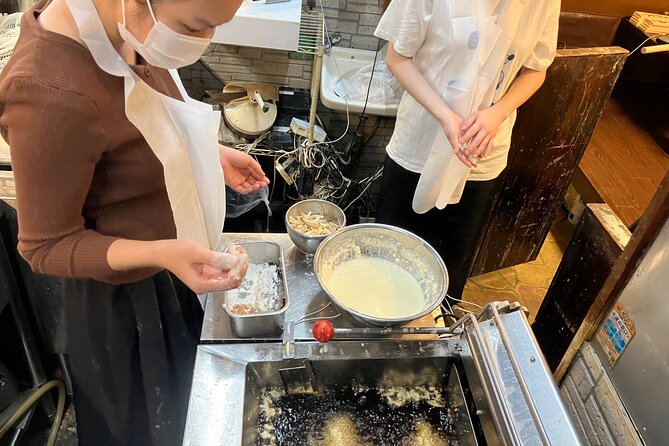
The tempura part uses locally sourced vegetables from Nara, and that is a big practical advantage for taste. When ingredients are local and prepared for the class, they usually arrive fresh and ready, so your tempura has a better chance at being crisp and satisfying right off the fryer.
You will fry the vegetables with the chef. That makes a difference. Tempura is one of those dishes where small changes matter, oil temperature, batter consistency, and timing. Working alongside the instructor means you are not left guessing how to fix something when it goes wrong. You get to focus on learning the method while the chef sets you up for success.
What I love here is the sensory contrast. Udons are all about chew and softness. Tempura is all about light crunch and heat. When you combine them, the meal feels balanced and complete, not like a gimmick.
And because you eat the tempura right after cooking, it stays crisp. That is the kind of detail that is hard to recreate later at home.
Your Tempura Udon Meal, Hot and Made by You
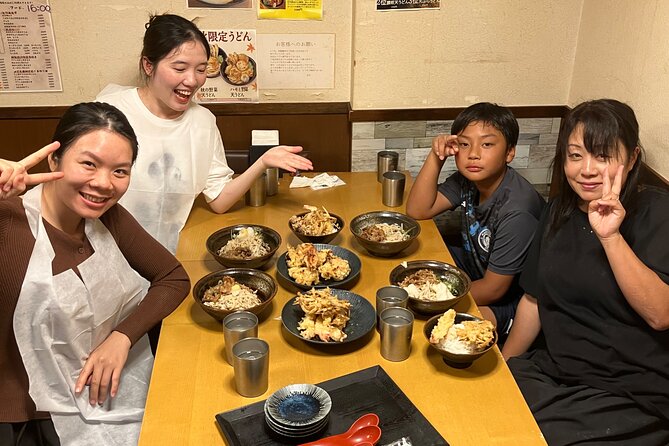
The final act is the simplest and best part: you savor handmade udon served with freshly fried tempura. This is not just tasting food someone prepared for you. You participate in making the noodles, you take part in frying the vegetables, and then you sit down for the reward.
I think this is the strongest reason to book this class. Too many cooking experiences let you do a tiny step, then you mostly watch. Here, the meal includes your hands-on work. You get to taste the difference that your noodle cutting and tempura frying contribute to the final bowl.
It also helps you bring home something more than a photo. You learn how udon noodles and tempura fit together as a classic Japanese meal style. Next time you see tempura udon on a menu, you will be able to connect it to the real steps that create that texture.
Pickup in Nara and How the 1.5 Hours Really Feel
You are picked up by air-conditioned vehicle, with the host meeting you at the start point in Nara. The meeting point is listed as リハビリデイサービスアイリス632-2 Hōrenchō, Nara, 630-8113, Japan, and the tour ends back at the meeting point.
That round-trip matters because Nara can be busy, and you do not want your time eaten up by transit uncertainty. With pickup, you can treat the class like a focused activity rather than a logistics puzzle.
The total duration is about 1 hour 30 minutes. That time window is actually a good match for this kind of skill lesson. You get enough time to do the key noodle steps and participate in frying. At the same time, it does not drag into a half-day where you lose patience or concentration.
A class this size also keeps energy stable. With a maximum of 10 travelers, you are less likely to feel like you are waiting endlessly for turns or tools.
More Kyoto temple visits, food tours, tea experiences, and day trips to compare

Price and Value: Is $53.33 Worth It?
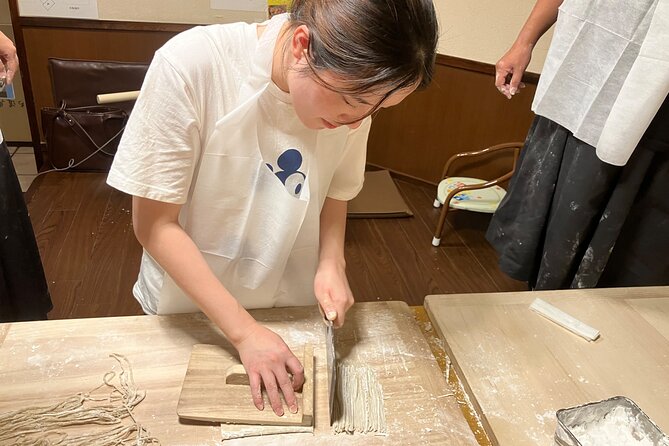
At $53.33 per person, this can look like a lot until you break down what you are getting. Included are the air-conditioned vehicle pickup and the meals, meaning ingredients and cooking tools are provided. That is key. You are not paying extra for the food you eat, and you are not bringing your own ingredients or gear.
You are also paying for instruction. In a craft like udon making, guidance matters, because the dough handling and noodle cutting techniques are hard to learn purely from observation. Add in tempura frying guidance, and the cost starts to feel more realistic.
For me, the biggest value is that it is not just a tasting. You take part in the core work and then you eat the result while it is fresh and hot. If you are the type of traveler who likes active learning, this price aligns with the experience you actually get.
If you only want a light snack or you hate any cooking involvement, then it may feel pricier than a typical food stop. But if you want a hands-on Nara moment with a full meal attached, this is a solid use of time.
Small Group Size and Getting Real Attention
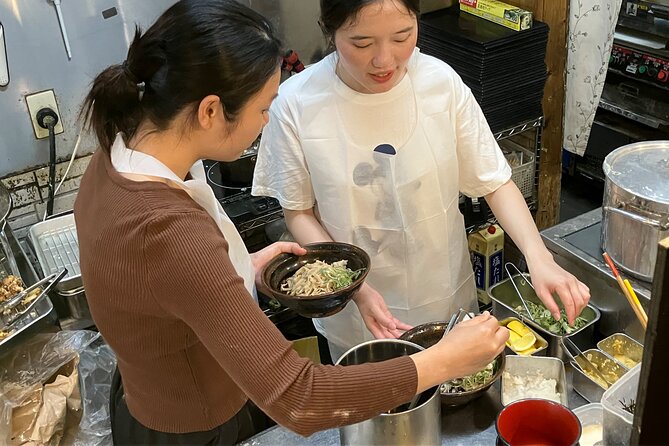
A maximum group size of 10 is not just a number. It affects how much personal attention you can get as you knead, roll, and cut. Smaller groups also reduce the stress of sharing equipment and keep the class moving at a steady pace.
This is especially helpful if you are visiting from overseas and do not speak Japanese well. Cooking classes are easier when the steps are shown and corrected quickly. You also tend to feel less self-conscious when everyone is working in the same space and learning together.
Based on a past participant’s experience with the guide Masakazu Sakaguchi, the welcome aspect matters too. They described being warmly greeted, asked to wash hands, and remove shoes before getting into the working area. That kind of careful hosting makes the whole session feel like a real workshop.
Optional Sake and How to Think About Alcohol
You can order local Nara sake, but it is at an additional cost. Alcoholic beverages are not included, so if you want a toast, plan on paying separately.
My practical advice: decide in advance whether you want sake, because it can change how you experience the meal. If you prefer to stay focused on the cooking steps and enjoy the food flavors cleanly, skip it. If you enjoy pairing a local drink with local food, it can add a fun finishing touch.
Either way, the core experience stands on its own. You do not need alcohol to have a great meal.
Where You Start, Where You End, and What to Bring
The class starts and ends at the same meeting point area in Hōrenchō, Nara. Pickup is offered, so you can arrive without worrying about transfers during a busy day.
As for what to bring, the tour includes cooking tools and ingredients, so you are not showing up with supplies. Plan to wear comfortable clothes that can handle a little kitchen activity. Since shoes may need to come off, wear footwear that is easy to remove and put back on.
If you have dietary concerns, the details provided here focus on the class format and included meal components, so you will want to ask your booking confirmation messages if you have specific needs.
If you are traveling with service animals, service animals are allowed.
Who This Cooking Class Is Best For
This is a great fit for people who learn by doing. If you like food experiences where you actively make the dish instead of watching from the sidelines, you will probably enjoy this.
It also works well for couples and small groups who want an organized Nara activity without a huge time commitment. The max 10 travelers helps keep it social but not crowded.
If you are short on time and want one memorable Nara food moment that is still hands-on, this fits the bill. The 1 hour 30 minutes duration is enough to feel productive, and the meal gives you something concrete at the end.
If you dislike all cooking tasks, or if you want a purely passive cultural activity, look for something else. This one asks you to work.
Should You Book Udon and Tempura in Nara?
Book it if you want a true hands-on food lesson in Nara: make udon noodles from Japanese wheat, fry tempura with local vegetables, then eat your own Tempura Udon while it is hot. The combination of included meals, tools, and pickup, plus the small group limit, makes it good value for an active traveler.
Pass or reconsider if you are looking for a casual, sit-and-watch experience, or if you are not comfortable participating in basic cooking steps like kneading dough and frying tempura. Also, if you are the kind of traveler who needs a slow morning with minimal effort, this class is designed for a focused hour and a half.
If you are on the fence, think about what you want to remember from Nara. A bowl of tempura udon is nice. A bowl you made with your own hands is better.
FAQ
How long is the Udon and Tempura cooking class in Nara?
It runs for about 1 hour 30 minutes.
What is the price per person?
The price is $53.33 per person.
Is pickup included?
Yes. The host comes to pick you up by car, and the vehicle is air-conditioned.
What is included in the meal?
All ingredients and cooking tools are included, and you eat the food you prepare.
Is alcohol included?
No. Alcoholic beverages are not included. Local Nara sake can be ordered for an additional cost.
How large is the group?
The experience has a maximum of 10 travelers.
Where does the tour start?
The start point is リハビリデイサービスアイリス632-2 Hōrenchō, Nara, 630-8113, Japan.
Where does the tour end?
It ends back at the meeting point.
Do I need a physical ticket?
No. A mobile ticket is used.
What is the cancellation window?
Free cancellation is available up to 24 hours in advance for a full refund.
More Workshops & Classes in Nara
More Cooking Classes in Nara
More Tour Reviews in Nara





Not for you? Here's more nearby things to do in Nara we have reviewed







Kyoto Cooking Classes, compared.
 ★ 5.0Ramen Cooking Class at Ramen Factory in KyotoFrom $1311,937 reviews
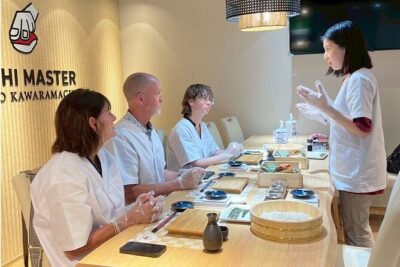 ★ 5.0Sushi Making in Kyoto! Same-day bookings welcome!From $53713 reviews
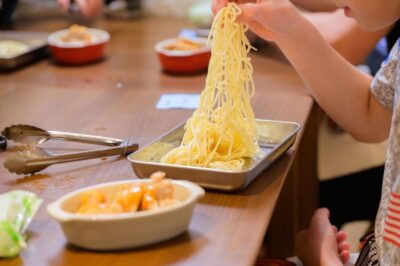 ★ 4.9Ramen Cooking Class at a Ramen Factory with SouvenirFrom $127532 reviews
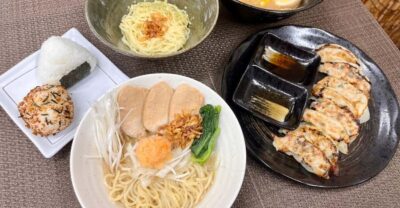 ★ 5.0Ramen, Gyoza, and Onigiri Cooking ClassFrom $90445 reviews
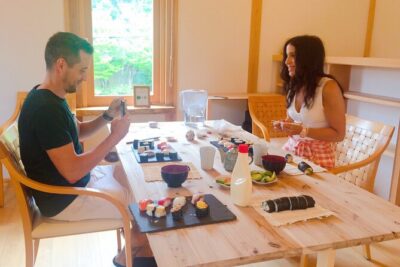 ★ 5.0The Original Small-Group Sushi Making Class in KyotoFrom $69436 reviews
 ★ 5.0Japanese Washoku Bento Small Group Cooking ClassFrom $58380 reviews
 ★ 5.0Kyoto Ramen and Gyoza Cooking Class with Professional ChefsFrom $86282 reviews
 ★ 4.9Afternoon Japanese Izakaya Cooking ClassFrom $67241 reviews
Browse the lists this tour appears in