
Reviewed · NARA DAY TRIPS FROM KYOTO
Osaka: Nara and Uji Day Trip with Deer Park and Hot Spring
Deer and temples in one long day is the hook. I like the way this trip puts deer crackers in your hand at Nara Park, then follows with Kasuga Taisha’s thousands of lanterns. The only real drawback is simple, it is a packed 10-hour run, and extra costs for major temple stops and the onsen can add up.
What really sells it is the flow, you get a guide for the big landmarks and navigation, plus a low-stress finish at Genji no Yu hot spring. I do suggest you check the onsen rules ahead of time, tattoos may limit entry, and bathing is not the time to wear anything.
Key things I’d prioritize on this day trip
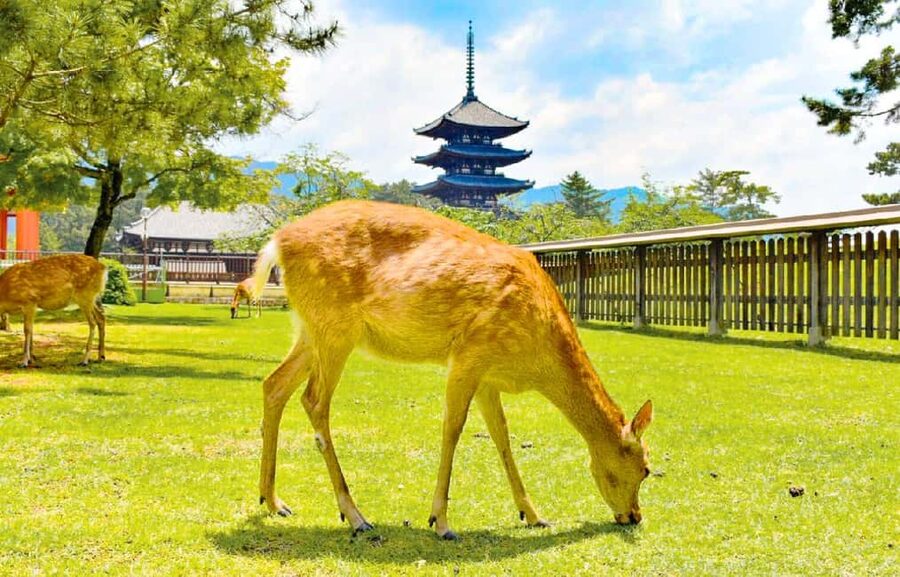
- Feeding Nara Park deer with provided crackers, including how to stay calm if they get close
- Todai-ji Great Buddha stop, one of the most iconic religious sights in Nara
- Kasuga Taisha lantern lanes, bronze and stone lanterns that set the mood fast
- Uji matcha food walk, matcha ice cream, cakes, and matcha-colored soba noodles
- Genji no Yu onsen soak, natural hot spring with indoor and outdoor baths
Osaka to Nara and Uji in a single 10-hour window
This is a smart day trip if you want a lot of Japan in one shot without solving train routes. You start in the Namba Shinsaibashi area at Harimaya Bld, and the tour runs 10 hours total, with a 70-minute bus ride out to Nara and 80 minutes back toward Osaka. The vehicle is air-conditioned, and seats are typically compact, so pack light.
A good thing here is that the schedule is structured, but you still get sightseeing time at the key places. The day is built around four anchors: Nara deer and temples, Kasuga Taisha’s lanterns, Uji’s matcha town vibe, and a final reward at Genji no Yu hot spring.
The other big factor is the guide. This is a shared group tour, and your guide provides explanations in English, Japanese, and Traditional Chinese. In the reviews, names like Ethan, Etta, Jessica, and Liao come up often for clear guidance and keeping people on track. If you’re traveling with mixed interests, that multilingual support helps a lot.
You can also read our reviews of more tours and experiences in Nara.
Start point, timing, and how to not get stressed
Meet at Harimaya Bld (Harimaya Building), 1-chome-3-11 Nipponbashi, Chuo Ward, Osaka 542-0073. Departure is 8:40am, and you should arrive 15 minutes early. The guide is holding a yellow flag, so look for that on arrival.
This small detail matters because the tour has a fixed rhythm once the group boards. You also want buffer time for your own logistics, like getting from your hotel to the meeting point. The tour info is explicit: no refund for latecomers and no show, so treat that early arrival as part of the plan.
Once you are on the bus, you get a guided day without needing to constantly check directions. The guide also covers the “what to see and how long to look” part, which is why many first-timers like this format. In a couple reviews, guides were praised for pacing and for sending extra tips during the day, like where to go next after a stop.
Nara Park deer crackers: fun, but manage the momentum
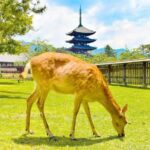
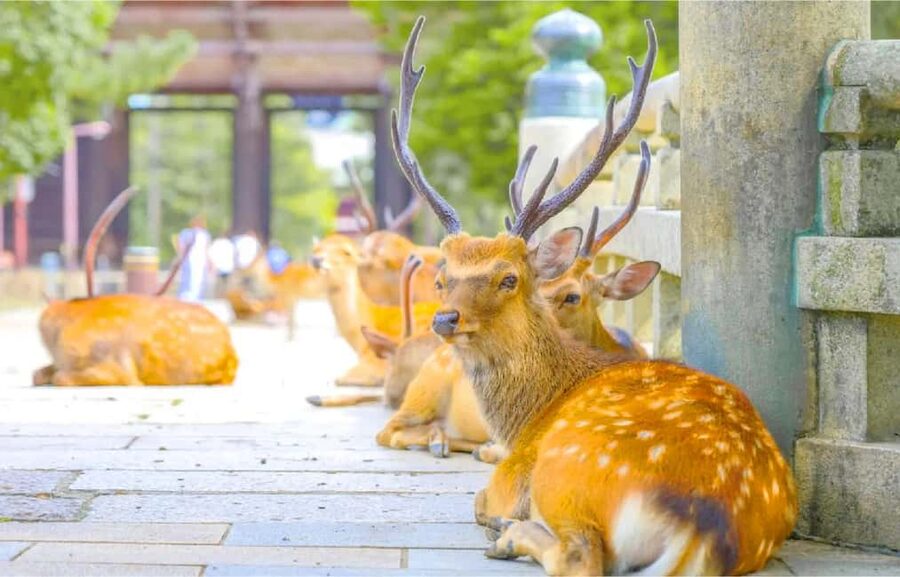
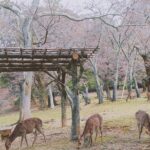
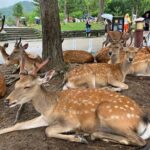
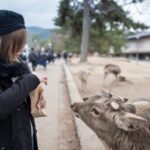
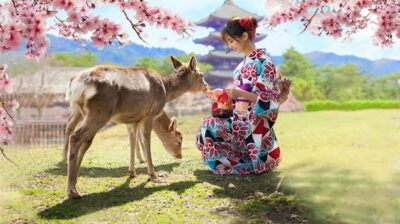
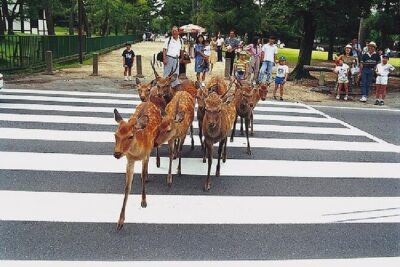
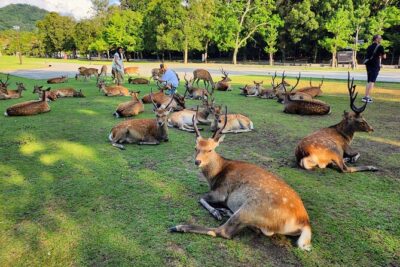
At Nara Park, you get about two hours, and that is the core “only-in-Japan” moment for many people: feeding the deer. You receive a complimentary pack of deer crackers at the start of the tour. Then you walk into the maple-forest setting at the base of Wakakusa Mountain, where the deer have learned to associate people with snacks.
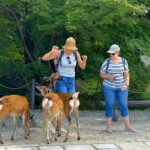
Here’s the practical part. The deer can approach you if they think you have crackers, and the biggest issue is excited groups. If you hold crackers high, make quick moves, or cluster in a narrow path, it gets chaotic fast. Keep your grip steady and stay aware of your surroundings, especially if others are feeding at the same time.
I like this portion because it gives you a sensory memory you can’t “read” in a guidebook. You get close enough to see the deer behavior for real, but you are still in a managed sightseeing setting where the guide can keep the group moving.
If you want a better experience, plan to enjoy the deer scene first, then shift your attention to the major temples without rushing. Two hours is usually enough to do both, but I would avoid spending the whole window just trying to perfect deer photos.
Todai-ji and Kasuga Taisha: the landmarks that change the mood

After Nara Park, the day shifts into high-impact temple sightseeing.
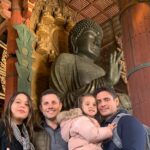
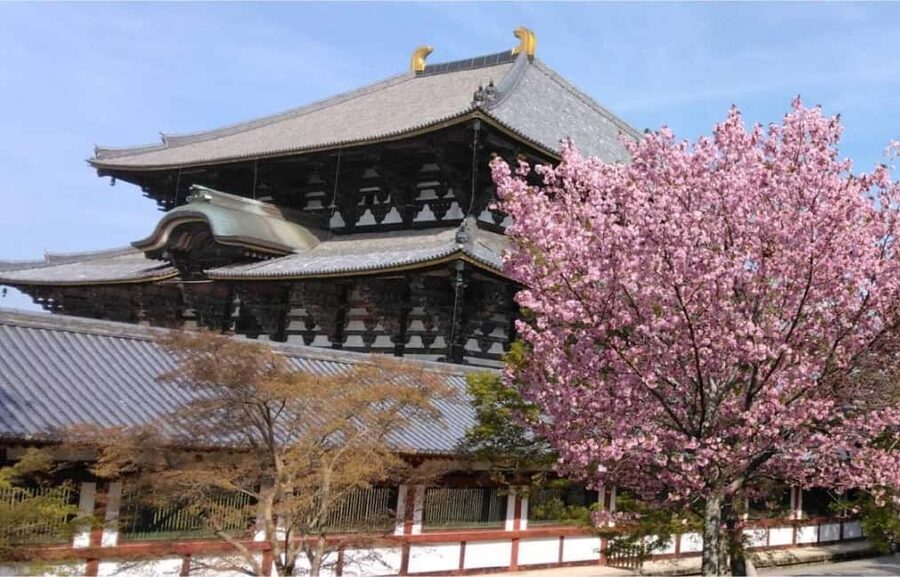
Todai-ji: the Great Buddha moment
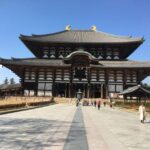
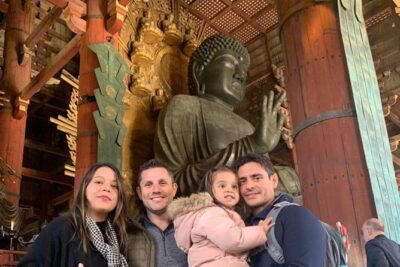
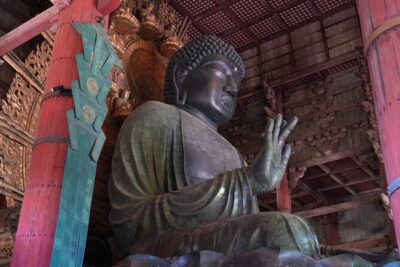
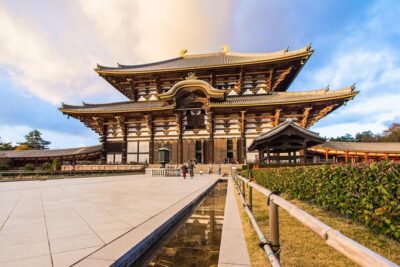
You’ll visit Todai-ji, home to the Great Buddha of Nara. Even if you are not a temple super-fan, this stop has a simple advantage: scale. The Great Buddha is the kind of sight that makes you look up without trying, and a guide helps you catch the context so it feels more than just a big statue.
A drawback to keep in mind: top sights often come with queues and admission steps. The good news is that you still get a guided visit, and the tour timing is built to include the must-sees rather than spreading you too thin.
More Kyoto temple visits, food tours, tea experiences, and day trips to compare
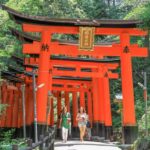
Kasuga Taisha: lanterns that lead you forward
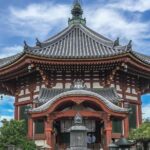
Next is Kasuga Taisha Shrine, famous for its thousands of bronze and stone lanterns. This is where the experience gets atmospheric. The lanterns create a pathway feeling, even during daylight, and you get that sense of an older world being carefully preserved.
What I like about pairing Todai-ji with Kasuga Taisha on the same day is contrast. Todai-ji hits you with monumental presence. Kasuga hits you with detail and repetition, you walk and the shrine keeps unfolding. If you only have one shot at Nara from Osaka, this pairing is a strong use of time.
Uji on the clock: matcha snacks, Genji vibes, and river-town calm
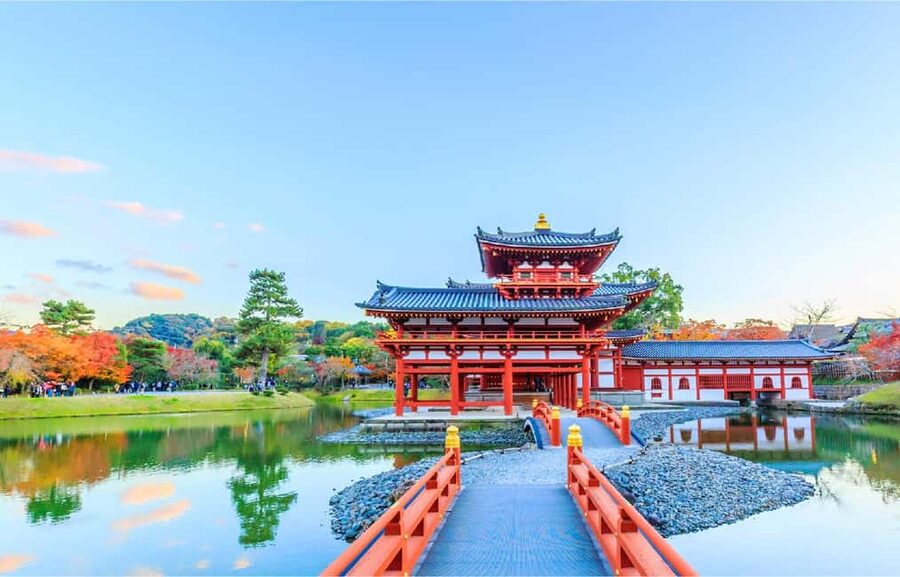
Then the tour moves to Uji, where you get about 1.5 hours. Uji is known for matcha treats, and the tour plan leans into that. Expect to see streets with matcha ice cream, matcha cakes, and even matcha-colored soba noodles.
This part is not just food for food’s sake. It gives you a different tempo after temple walking. You can wander, stop for a snack, and reset your energy before the final heritage and hot spring stops.
Uji also has a literary identity. The final chapters of The Tale of Genji are set here, which is a neat angle for people who like culture beyond sightseeing checklists. In plain terms, it makes the town feel like it has a story you can step into, not just a shopping stop.
Two practical tips for Uji:
- Keep some room for tasting, because matcha desserts are easy to overschedule.
- Don’t plan anything immediately after the tour ends. The tour info notes timing can shift due to traffic or weather.
Byodo-in Temple and the Tale of Genji Museum
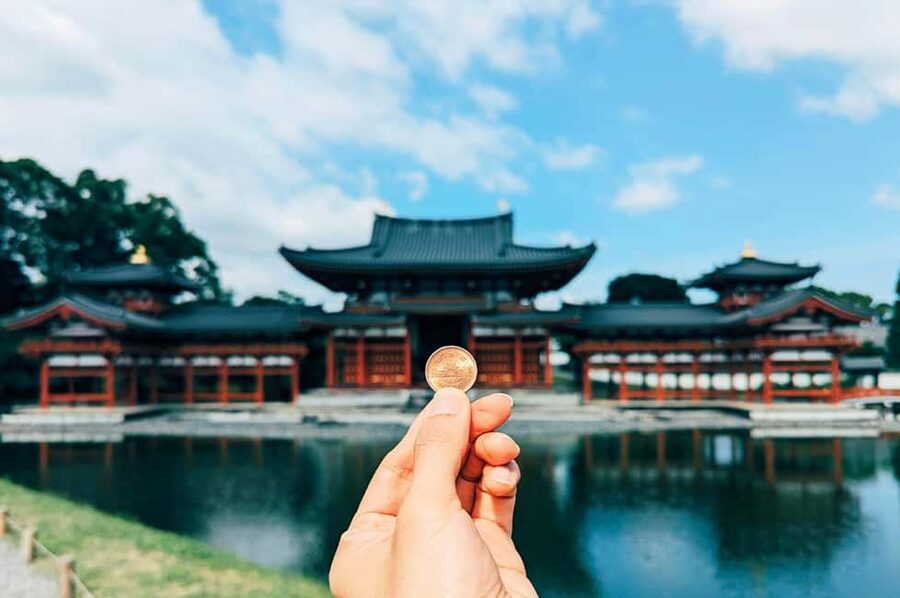
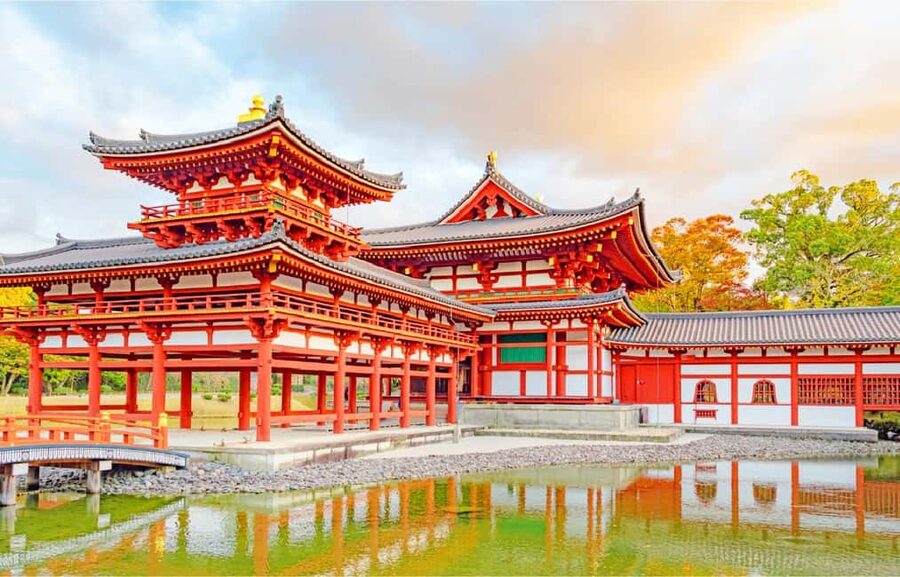
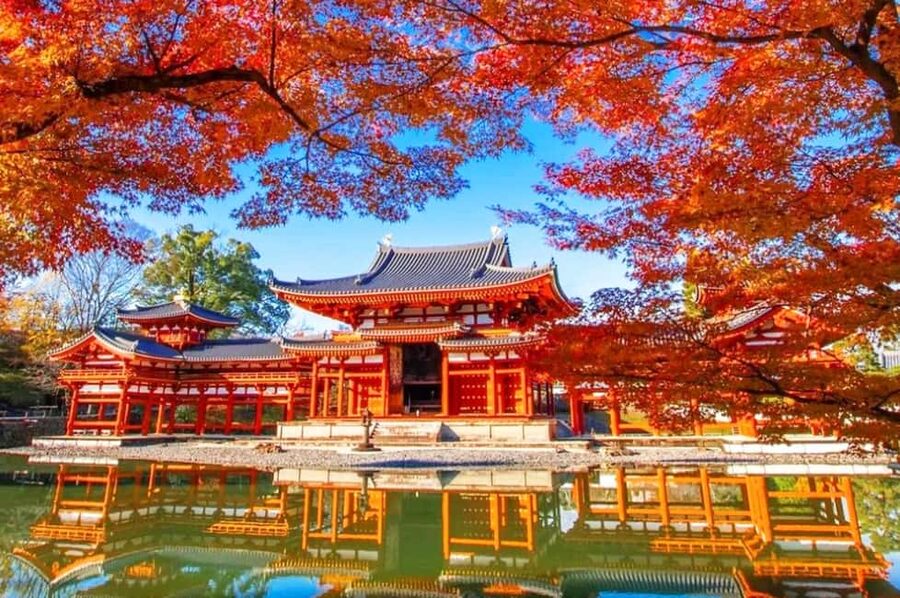
After Uji, you head to the Byodo-in Temple area for sightseeing. This is one of the highlights if you like classic architecture and pond garden compositions, the kind that reward slow looking.
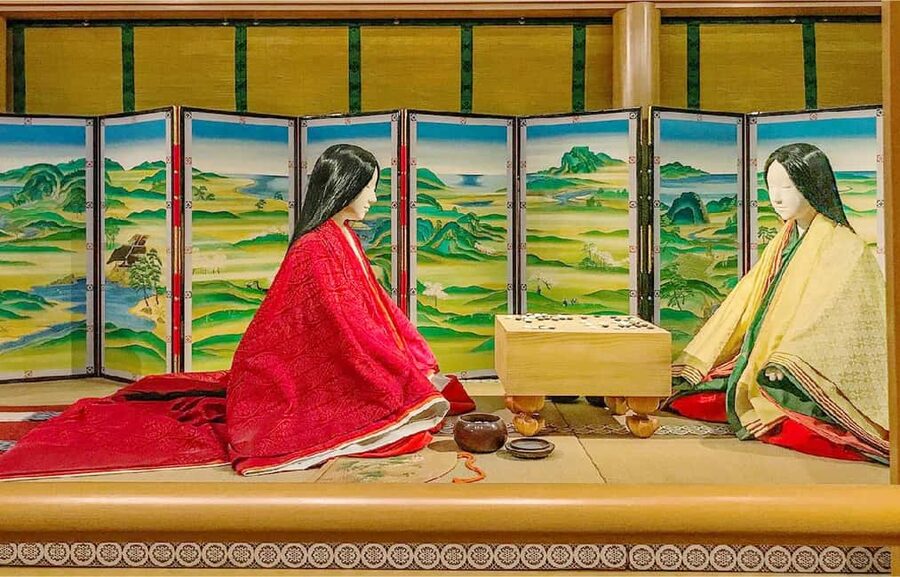
Then the Tale of Genji Museum comes into play. The museum uses advanced multimedia and high-definition visuals to explain the allure of The Tale of Genji. This is a nice match for how the day is structured. You go from matcha street energy to an art-and-story bridge, and it helps you connect Uji’s literary reputation to what you are seeing.
In the reviews, people often praised the guide for keeping everyone organized and communicating clearly across languages, which matters here. Museum-style stops can be confusing if you don’t know what to prioritize, and a good guide helps you pace the visit so it does not eat the rest of your day.
Genji no Yu hot spring: the perfect landing, plus rules that matter
The day ends at Uji Natural Hot Spring Genji-no-Yu, with about one hour for sightseeing and soaking time. This hot spring is described as Uji’s only natural hot spring, and the water is drawn from 1,111 meters underground.
What you should expect on arrival:
- A traditional Japanese-style bathing setup
- Three indoor baths plus an outdoor bath
- A tranquil atmosphere designed to slow your body down after walking
Why this matters for most people is simple. You spend hours on foot, then you get a structured reset. Several reviews specifically call out that the onsen portion felt relaxing, and that finishing in the hot spring made the long day feel worth it.
Two rules to treat as non-negotiable:
- If you have a tattoo, you may not be able to enter the onsen.
- When bathing in hot springs in Japan, wearing clothing is not allowed.
If you were hoping the onsen would be a flexible add-on, don’t count on that. One review noted disappointment when tattoos prevented entry, so plan around that possibility.
Price and value for $57, and what you still pay later
The listed price is $57 per person for a 10-hour day trip. That price includes a lot of the “pain points” of day trips: an English-Japanese-Traditional Chinese speaking guide, round-trip transfers from the meeting point, an air-conditioned vehicle, and service fees for the driver and tour guide, plus all taxes and parking fees.
What is not included is where your spending likely lands:
- Meals and drinks
- Admission to Todai-ji Temple
- Admission to Byodo-in Temple
- Admission for Uji onsen
So is $57 good value? For the kind of route you are taking, yes, mainly because it bundles logistics with guided stops. You are not paying extra to figure out how to connect Nara and Uji. You are paying for timing, transportation, and interpretation.
If you are the type who wants to wander at length, this is the only “cost curve” you should watch. You’ll likely want spending money for snacks in Uji plus ticket fees for the main religious sites that are listed as not included.
In terms of overall fit, it is also good if you are traveling solo or as a small group and want built-in structure. It is a shared tour, so if you dislike group pacing, plan your expectations accordingly.
Who this Osaka day trip suits best
This tour is ideal for:
- First-time visitors using Osaka as a base who want Nara and Uji without train planning
- People who want a mix of wildlife fun (deer feeding), major temple highlights, and a final onsen soak
- Travelers who like having a guide handle the “what matters” at each stop, including cultural context
It might not be your best match if:
- You want a slow, deep temple day where you can linger for long stretches. Even with decent time windows, it is still a full itinerary.
- You are counting on guaranteed onsen entry despite tattoos. The tour info clearly warns tattoos may prevent entry.
The reviews also hint at pacing tradeoffs. A couple people wished they could stay longer at each destination, which makes sense in a packed schedule. The guide can keep things moving well, but you are trading “more time everywhere” for “see the big stuff and relax at the end.”
Should you book this Nara and Uji day trip from Osaka?
If you want one day that checks the famous boxes and still leaves you with a real payoff at the end, I’d book it. The best part is the arc: deer feeding in Nara Park, temple icons in Nara, matcha and story context in Uji, then the calming finish at Genji no Yu.
My main booking advice is to decide early if the onsen is a priority for you. If tattoos are an issue, you might not get the final soak experience you want. Also, budget for entrance fees at Todai-ji, Byodo-in, and the onsen, plus your own meals.
If you show up on time, wear comfortable shoes, and keep your expectations aligned with a busy day, this tour is a solid, low-stress way to see a lot of Honshu culture in one go.
FAQ
What time does the tour depart from Osaka?
The tour departs at 8:40am from Harimaya Bld. You should arrive at least 15 minutes early.
Where is the meeting point, and how do I find the guide?
Meet at Harimaya Bld, 1-chome-3-11 Nipponbashi, Chuo Ward, Osaka 542-0073. The guide is holding a yellow flag.
What is included in the tour price?
The price includes an English-Japanese-Traditional Chinese speaking tour guide, service fees for the driver and guide, an air-conditioned vehicle, round-trip transfers from the meeting point, and all taxes and parking fees.
Is admission to Todai-ji, Byodo-in, and the onsen included?
No. Admission to Todai-ji Temple, Byodo-in Temple, and the Uji onsen (Genji no Yu) is not included.
Are meals and drinks included?
No. Meals and drinks are not included.
What languages does the guide speak?
The guide provides live commentary in English, Japanese, and Traditional Chinese.
Can I enter the hot spring if I have a tattoo?
The tour information says you may not be able to enter the onsen if you have a tattoo.
What is the cancellation policy?
You can cancel up to 24 hours in advance for a full refund.
What if traffic or weather affects the schedule?
The schedule is subject to adjustments due to traffic or weather conditions, so it’s recommended not to plan other transportation or activities right after the tour ends.
More 1-Day Tours in Nara
More Tour Reviews in Nara
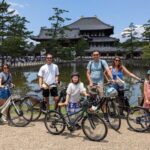
Not for you? Here's more nearby things to do in Nara we have reviewed

Nara Day Trips from Kyoto, compared.
 ★ 5.0World Heritage Kyoto & Nara Uji Authentic Matcha ExperienceFrom $1291,573 reviews
 ★ 4.7Kyoto/Osaka: Nara, Fushimi Inari Taisha, Arashiyama Bus TourFrom $521,275 reviews
 ★ 5.0Nara Half Day Trip Walking Tour (Private Option Available)From $105937 reviews
 ★ 4.4Osaka/Kyoto: Arashiyama, Nara & Fushimi Inari Shrine w/LunchFrom $61754 reviews
 ★ 5.0Nara Early Morning Tour (Kyoto or Osaka Departure Available)From $61676 reviews
 ★ 4.5Kyoto and Nara Day Trip from KyotoFrom $194445 reviews
 ★ 5.0Full Day Guided Tour to Kyoto and Nara from Osaka by VanFrom $106420 reviews
 ★ 4.5Nara Afternoon Tour from Kyoto or OsakaFrom $102390 reviews
Browse the lists this tour appears in