
Reviewed · KYOTO PRIVATE GUIDED TOURS
Nara Day Trip from Kyoto with a Licensed Guide
Deer, temples, and calm history in one day. Nara has that old-capital feel that is different from Kyoto and Tokyo, and this tour gives you a licensed guide plus a tight, practical route through the biggest sights. It is set up for comfort, with hotel pickup and public transit so you can focus on the places, not the trains.
I like two things right away. First, the guide factor, because the day runs on interpretation, not just photos. I’ve seen strong praise for guides such as Akiko Okada, Jun, Fumi, and Tatsuya, especially for being friendly and making the history click. Second, the pacing is built around key stops with real time at each one, so you are not speed-walking between crowds and calling it a day.
One possible drawback: lunch is not included, and the tour is about 8 hours, so you’ll want a plan for food breaks and energy. Also, like any day trip, weather can shuffle things around a bit, so keep your day flexible.
Key highlights at a glance
- Hotel pickup in Kyoto helps you start without wrestling with station logistics
- Nara Park with free-roaming deer plus time to feed them with crackers
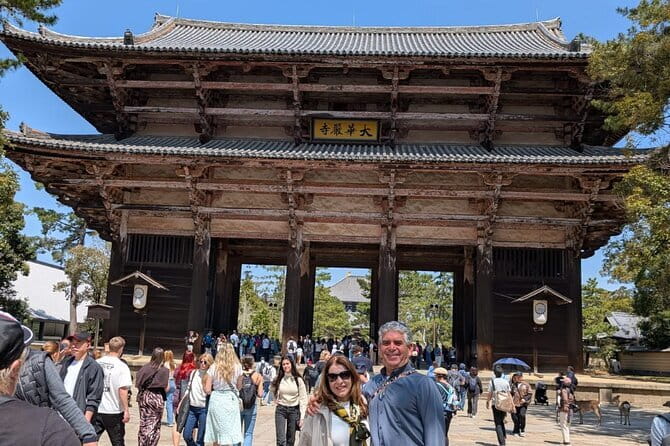
- Todai-ji up close including both the huge gate and the main temple complex
- Kasuga Grand Shrine with a longer shrine visit that feels more than a quick photo stop
- Isuien Garden and shakkei (borrowed scenery) for a calmer, scenic reset
- Licensed English guide interpreter for context and smoother navigation
Why Nara feels different from Kyoto and Tokyo
Nara is Japan’s older capital, and you can feel it in the pace. Kyoto often hits you with craft and art, and Tokyo hits you with speed and scale. Nara leans more traditional and slower in a good way, with landmark temples and shrines that have been part of Japanese religious life for centuries.
This is also a great “reset day” if you’ve been moving around Kyoto a lot. You still get big icons, but the vibe is less manic. You’ll also get out of the constant Kyoto tourist bubble and into a city where the standout moments are the sacred sites, not just neighborhoods.
You can also read our reviews of more guided tours in Kyoto

The value of a licensed English guide for big sacred sites
This tour is run by a National Licensed English Speaking Guide Interpreter. That matters in places like Todai-ji and Kasuga Grand Shrine, where the visuals are only half the story. Even if you’re not a hardcore temple nerd, having a guide who can explain what you’re looking at, and why it matters, changes the experience fast.
You’ll also appreciate the practical side. People tend to underestimate how confusing transit areas can feel when you’re tired and jet-lagged. The tour includes hotel pickup and a handoff at Kyoto Station, so you are not trying to figure out train platforms while your brain is still loading maps.
Also, the day is designed for a private group, meaning it is just your group participating. That usually translates to fewer forced compromises. When your guide knows how to manage time across crowded temple zones, you get a smoother day.
Price and what you actually get for $340 per person
Let’s be real about the number: $340 per person is not a budget impulse buy. So what justifies it?
You are paying for a bundle:
- A licensed English guide for the day
- Hotel pickup
- Public transportation fees
- Admission fees for the paid stops
- Mobile ticket convenience
Admission notes matter because not every stop charges. Nara Park and the large gate at Todai-ji (Nandai Gate) are listed as free, and the paid admissions cover the temple complex at Todai-ji, Kasuga Grand Shrine, and Isuien Garden.
If you compare this to doing Nara solo, the big savings can come from your guide not only explaining sights, but also helping you avoid wasting time. If your group includes two people who share a guide all day, the cost often feels more reasonable than booking multiple separate entries, transit, and self-guided interpretation on top.
How the day runs from Kyoto Station to deer and shrines
The trip is about 8 hours. The route is built in a logical order, starting with Kyoto’s connection point, then moving through Nara Park, Todai-ji, Kasuga Shrine, and finally Isuien Garden.
Here’s what that means for you as you plan:
- You’ll do a lot of walking, especially once you enter Nara Park and the temple areas.
- The tour asks for moderate physical fitness, which usually works for most people who can handle steady walking and short climbs.
- You’re not doing “everything in Nara,” you are doing the high-impact core with enough time to actually enjoy it.
And because it is a private tour, you can usually expect your guide to adjust within reason to your comfort and pace.
Stop 1: Kyoto Station Building, pickup, then train to Nara
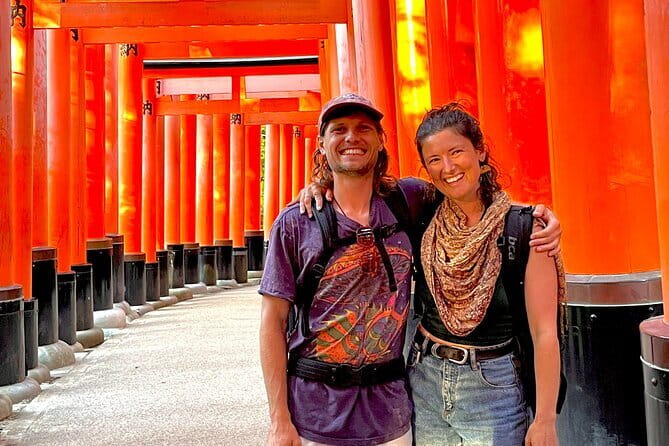
You meet your guide after hotel pickup in Kyoto. From there, you head to Kyoto Station, connect by train, and arrive in Nara.
This first segment is important because it sets the tone. A good guide gets you oriented quickly, and you lose less time to confusion. One past experience that stuck out involved a guide walking guests through the station area, which is exactly the sort of help that makes the day feel easy.
Also, the first stop is simple, and the listed time is about 2 hours. That includes the train ride and setup, not just standing around waiting.
More Kyoto temple visits, food tours, tea experiences, and day trips to compare

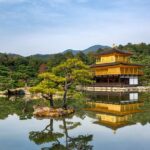
Stop 2: Nara Park, deer feeding, and temple sight lines
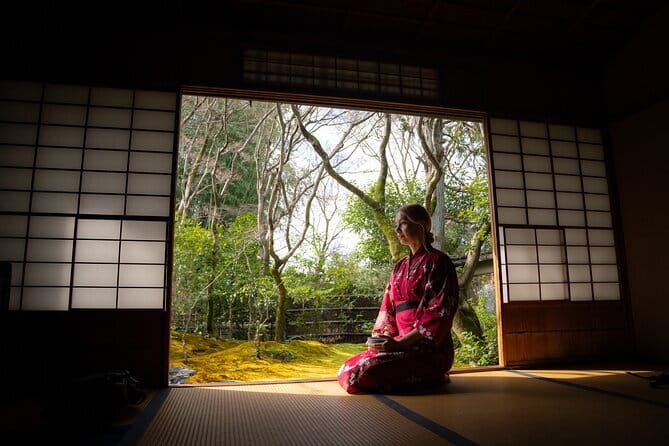
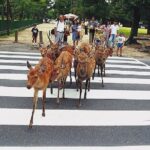
Nara Park is a signature experience for a reason. The park covers a huge area, and the deer are famously comfortable around visitors. You’ll get about 1 hour here.
What I like about this portion is that it works as both activity and introduction. You get a natural scene, playful deer moments, and then you pivot into the temple zone without feeling like you’ve traveled to a different planet.
You can buy special crackers to feed the deer. Do this with calm attention. The deer are gentle, but they are still animals, and you want to keep your hands and bags secure. If you’re traveling with kids, this is often the part they remember most, but it’s also where you’ll want to keep everyone moving safely.
A small practical note: Nara Park can get busy. With only 1 hour, you’ll want to know that this is your “see the deer, enjoy the open space, then head into Todai-ji” window.
Stop 3 and 4: Todai-ji gate (Nandai Gate) and the Great Buddha complex
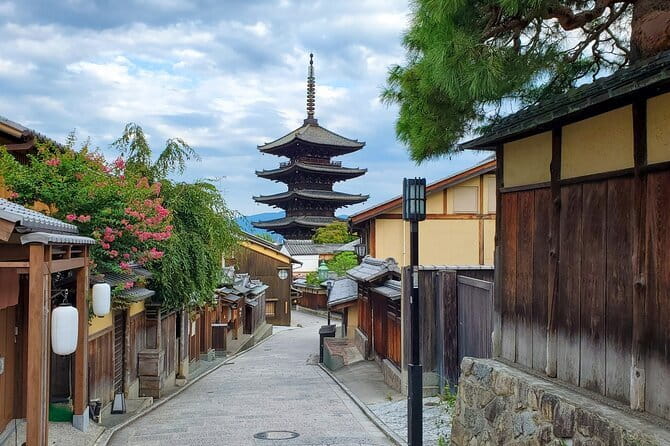
Todai-ji is the big draw, and this tour gives it two stages.
Nandai Gate (about 30 minutes)
The Nandai Gate is listed at 25 meters high, and it is one of the largest temple gates in Japan. You’ll also notice guardian kings in dark alcoves on both sides. Even a quick stop can be impressive because the scale is real.
This segment is shorter, but it acts like a dramatic threshold. You get the sense of entering something larger than a normal tourist site.
Todai-ji main temple (about 1 hour 30 minutes)
Then you move into Todai-ji itself, with about 1 hour 30 minutes. This is one of Japan’s most historically significant temples. The tour notes the temple was built in 752, and it became the head temple for Buddhist temples in Japan.
What you should expect here is not just monuments, but context. A licensed guide can help you see beyond the headline. If you’ve ever been in a huge temple complex and felt like you were wandering without understanding, this is where the guide’s interpretation pays off.
The included admission for this stop is a plus because you do not have to coordinate ticket lines yourself.
Stop 5: Kasuga Grand Shrine, sacred Shinto details, longer time
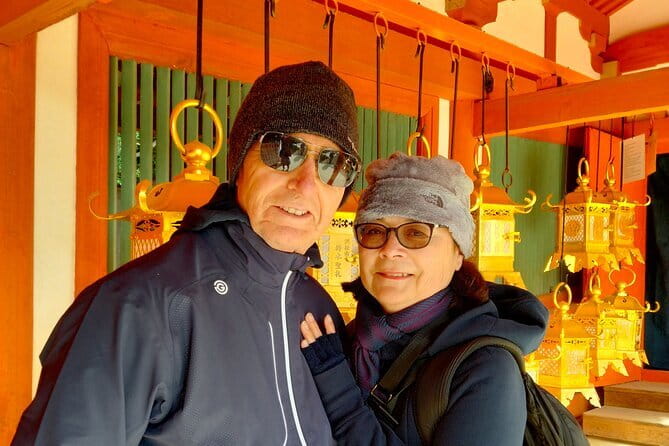
Kasuga Grand Shrine is a standout for many people because it feels different from the Buddhist temple atmosphere. This tour includes about 2 hours here, which is a meaningful chunk of time rather than a quick photo run.
The shrine is considered one of Japan’s most sacred shrines. It is known for enshrining numerous gods, and it attracts both locals and tourists looking for an iconic Shinto experience.
Two hours means you can slow down. You can look at structures without feeling rushed, and you can take in the way the shrine area feels more intimate than some giant temple grounds. If you like atmosphere and symbolism, this is the stop that often delivers the most “I get why people return here” feeling.
Stop 6: Isuien Garden and shakkei (borrowed scenery)

After the main sights, Isuien Garden is a calmer, more scenic close to the day. The stop is listed at about 30 minutes, and admission is included.
The key detail is shakkei, or borrowed scenery. That means the garden design uses the surrounding landscape, including Mt. Wakakusa, as part of the view. Even if you only spend half an hour, the technique helps you understand why Japanese gardens are built like visual choreography.
This is also a smart pacing choice. After temples and crowds, you get a reset moment where you can breathe and just look.
What makes the tour work well day to day
Based on the way guides are described in past experiences, the tour’s success often comes down to guide style. Guides such as Akiko Okada, Jun, Fumi, and Tatsuya are praised for being friendly and accommodating, and for keeping the day organized without making it feel stiff.
Here are the practical takeaways you can count on:
- You should feel comfortable moving through Kyoto Station with your guide rather than wrestling the process alone.
- The day is built to include time at each stop, so you can actually absorb what you see.
- Your guide should be able to adjust to your pace within reason.
There’s also flexibility in the spirit of the trip. One experience included an extra request to find a souvenir, and another involved a food stop. The only reality check is that lunch is not included in the tour price, so if you want specific meals, you may need to handle them yourself or coordinate a quick stop that matches your needs.
Practical considerations before you go
This tour is private and designed for a single group. That is great if you want less crowd pressure. The listing also allows dietary restrictions such as vegetarian and vegan, and even gluten-free requests, if you indicate it at booking.
Still, I suggest you plan for the “missing piece”: lunch. You’ll have temple time and shrine time, but you need your own meal plan. If your group has people with strong food needs, decide in advance whether you want your guide to help you locate something nearby during breaks, or whether you’ll handle it independently.
Also, bring your patience for Japan day trips. Even with a guide, you’ll be sharing space with other visitors around the big icons, especially Todai-ji and Nara Park.
Finally, weather can change the order or timing. If rain or heat hits hard, your guide may adjust the plan. That’s normal, and it’s part of why a guide helps.
Who this Nara day trip suits best
This is a strong fit for you if:
- You want one well-structured day instead of piecing Nara together on your own
- You care about explanations, not just snapshots
- You prefer a private format where your guide can manage your pace
- You are staying in Kyoto and want an easier alternative to self-planning transit
It might be less ideal if:
- You want long free time to wander without an itinerary
- Your group’s priority is only the absolute fastest checkmarks
- You are looking for a fully catered day with lunch included
If your goal is a thoughtful, high-impact Nara day, this hits the target.
Should you book this tour
I’d book this tour if you value a smooth day, licensed English guidance, and having admission fees handled. The route is smart, the key stops are the right ones, and the guide element is where the value tends to show up.
Before you hit purchase, do two things. First, decide how important lunch planning is for your group, since it is not included. Second, if your travel style is very specific, tell the provider what you want to focus on, because the plan is described as a sample and may be adjusted due to weather or other reasons.
If you want a classic Nara day with deer, towering temple scale, shrine atmosphere, and a garden that shows off shakkei thinking, this is a solid way to do it without wasting time.
FAQ
How long is the Nara day trip from Kyoto?
It is listed as about 8 hours.
Does the tour include hotel pickup in Kyoto?
Yes, hotel pickup is offered.
Are admission fees included?
Yes. Admission is included for the listed paid stops, including Todai-ji temple, Kasuga Grand Shrine, and Isuien Garden. Some stops in the schedule are noted as free.
Is lunch included?
No. Lunch is not included.
Is this tour private?
Yes. It is a private tour/activity, and only your group participates.
What should I know about physical requirements?
The tour notes that travelers should have a moderate physical fitness level.
More 1-Day Tours in Kyoto
More Guided Tours in Kyoto

More Tour Reviews in Kyoto
Not for you? Here's more nearby things to do in Kyoto we have reviewed


Kyoto Private Guided Tours, compared.
 ★ 5.0Private Kyoto Tour with a Local, Highlights & Hidden Gems, PersonalisedFrom $1021,543 reviews
 ★ 5.0Kyoto 6hr Private Tour with Government-Licensed GuideFrom $1551,369 reviews
 ★ 5.010 Must-see Spots in Kyoto One Day Private Tour (up to 7 people)From $1791,108 reviews
 ★ 5.0Kyoto 4hr Private Tour with Government-Licensed GuideFrom $109629 reviews
 ★ 4.8Private Tour with Local Licensed GuideFrom $106463 reviews
 ★ 5.0Private Kyoto Tour with Licensed Guide & Vehicle (Max 15 persons)From $634417 reviews
 ★ 5.0Kyoto Customized Private Tour: See Top Attractions in 1 DayFrom $132342 reviews
 ★ 4.6Kyoto/Osaka: Kyoto and Nara Customized Private Guided TourFrom $477258 reviews
Browse the lists this tour appears in