
Reviewed · NARA DAY TRIPS FROM KYOTO
Osaka: Kyoto and Nara Private Day Trip
Deer, torii gates, and golden temples, all in one day. This private Osaka to Nara and Kyoto trip is built for people who want big-name sights, but still prefer the comfort of a van and a guide who can shape the day.
I especially like two things: the time at Nara Park for a relaxed deer walk, and the way the route strings together Kyoto’s top temples and neighborhoods without you having to navigate every transfer. One possible drawback is the schedule is full, with a moderate amount of walking, so you will want good shoes and a calm attitude about crowds.
Quick take: what’s special here
- Private van door-to-door from Osaka (plus pickup options in Nara or Kyoto) keeps logistics simple for 10 hours.
- Nara Park deer time is unhurried, and you get a true nature moment right before the temple giants.
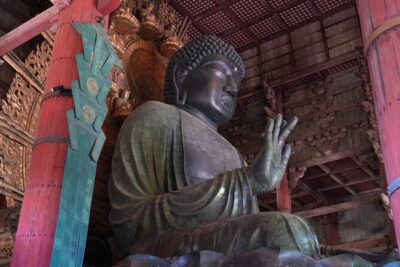
- Todai-ji’s Great Buddha is the kind of sight that makes scale hard to describe, with a 15-meter bronze statue.
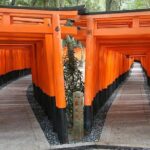
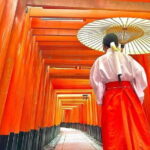
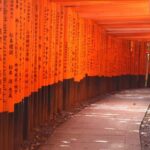
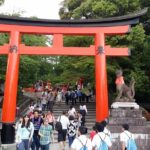
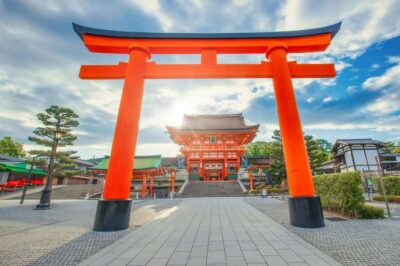
- Fushimi Inari Taisha torii gates deliver that iconic red-tunnel feeling for photos and quiet wandering.
- Kyoto highlights in one loop including Kinkaku-ji, Arashiyama Bamboo Forest, Nishiki Market, Gion, and Kiyomizu-dera.
- Guide support for photos and explanations shows up again and again in the feedback, especially with guides like Nomi Nomi and Musa.
How this Osaka to Nara and Kyoto private day runs in 10 hours
This is a private group day trip, built around hotel pickup and drop-off, plus private transportation in a van. The day is designed to cover both cities efficiently, with short van rides that connect temple and neighborhood time without constant train hopping.
Timing is straightforward in the way you will feel it. You start with pickup, then head toward Nara for the morning temple and park highlights. Later, Kyoto fills the rest of the day with a mix of guided time, photo stops, and breaks for walking and shopping, before you finish back at your original area.
The practical upside of a private format is control. You can move at a pace that fits your group, and the driver can keep you on track through busy areas. In the feedback, Musa was described as safe and flexible, including when plans shifted last-minute. Nomi Nomi also came up repeatedly, praised for making each stop feel meaningful and helping with family-friendly logistics, even when kids were involved.
One thing to remember: entrance fees and meals are not included. That is normal for Japan day trips, but it does mean you should budget for a few extra stops at ticket counters and for lunch on your own.
You can also read our reviews of more private tours in Osaka
Nara Park deer walk and Todai-ji’s 15-meter Great Buddha
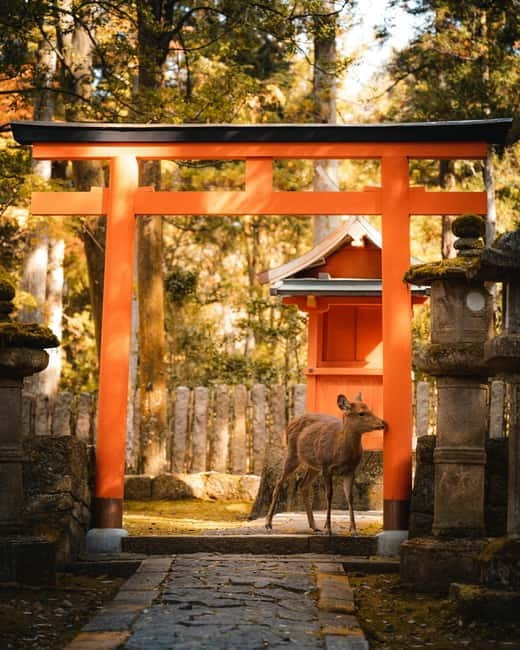
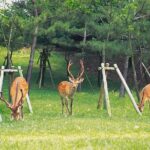
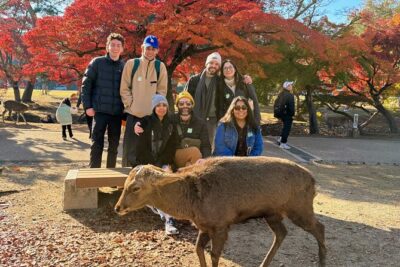
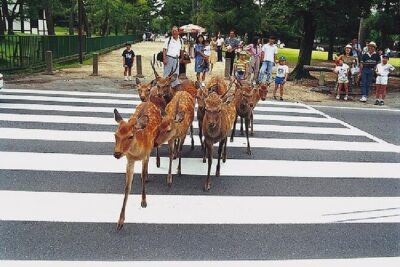
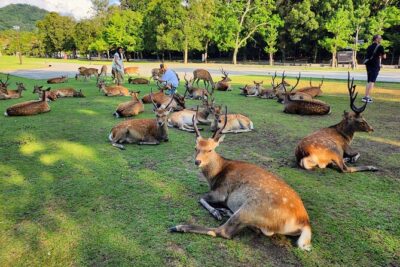
Nara is where the day shifts from city convenience to an almost timeless-feeling park scene. You spend time at Nara Park, with a leisurely walk and time to be around the deer. This is not a zoo moment. The deer are wild animals, so you will want to treat the encounter as real wildlife, with your own judgment and caution.
What I like about building Nara Park into the morning is that it gives you an emotional reset before you hit the heavy hitters. It is a different kind of sight: movement, grass, and spontaneous deer behavior, not just stone and shrines.
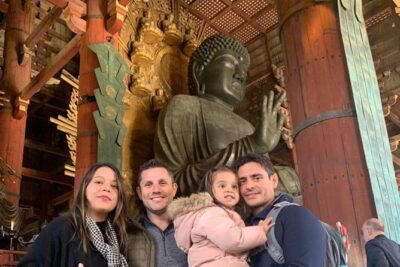
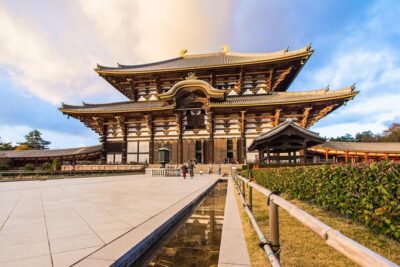
Then the day moves to Tōdai-ji Temple, famous for housing a bronze Buddha statue that measures about 15 meters tall. This is the sort of scale that makes you slow down without trying. Even if you have seen photos, seeing it in person changes how big “big” actually feels.
Keep your walking comfort in mind here. The day includes a moderate amount of strolling across multiple sites, and this stretch sets the tone. Comfortable shoes matter more than you think because you will not just walk on flat paths.
Fushimi Inari Taisha torii gates, vermillion-red, and photo-friendly pacing
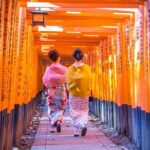
After Nara, the itinerary pivots into Kyoto’s most recognizable shrine scene: Fushimi Inari Taisha. You get a photo stop and about an hour that includes walking. The torii gates are famous for a reason. Those vermillion-red frames pull you forward one step at a time, and the tunnel effect is exactly what makes people stop, breathe, and take photos.
Here is my practical advice for Inari. Do not rush to “complete” the whole thing in one go. Use your hour like a choose-your-own-adventure. Walk far enough to get the gate rhythm in your photos, then slow down and enjoy the atmosphere where the crowd noise thins slightly.
You will also appreciate that the day gives you structured time rather than forcing you to plan a route yourself. The tour includes guidance and movement through key stops, so you are not playing catch-up when the crowds swell.
Kinkaku-ji gold leaf calm and Arashiyama Bamboo Forest quiet time
Kyoto’s temple highlights hit in two very different flavors: bright and reflective at Kinkaku-ji, then calm and airy in Arashiyama.
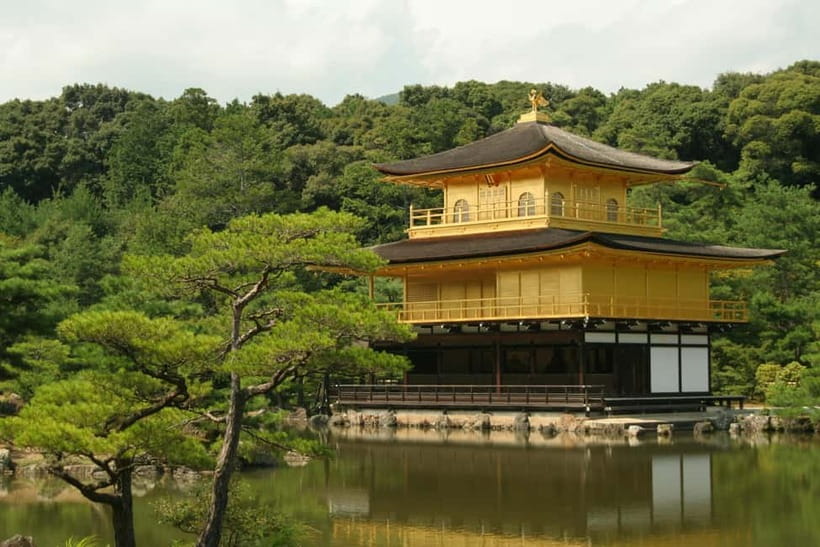
First comes Kinkaku-ji, also known as the Golden Pavilion. You get a photo stop and then about an hour for viewing and sightseeing. The gold-leaf look is dramatic, but the real value is how peaceful the setting feels once you are inside the temple atmosphere. It is one of those places where you can tell your brain to stop scrolling and just look.
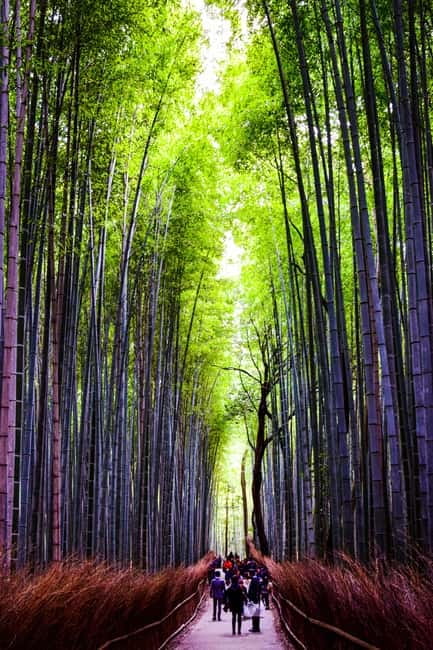
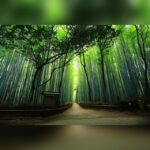
Later, you shift to Arashiyama Bamboo Forest for about an hour. This is another photo-friendly stop, with a mix of sightseeing and free time. The area is also tied to shopping time, including the Arashiyama Kimono Forest area mentioned in the tour info, so you can balance photos with a bit of browsing.
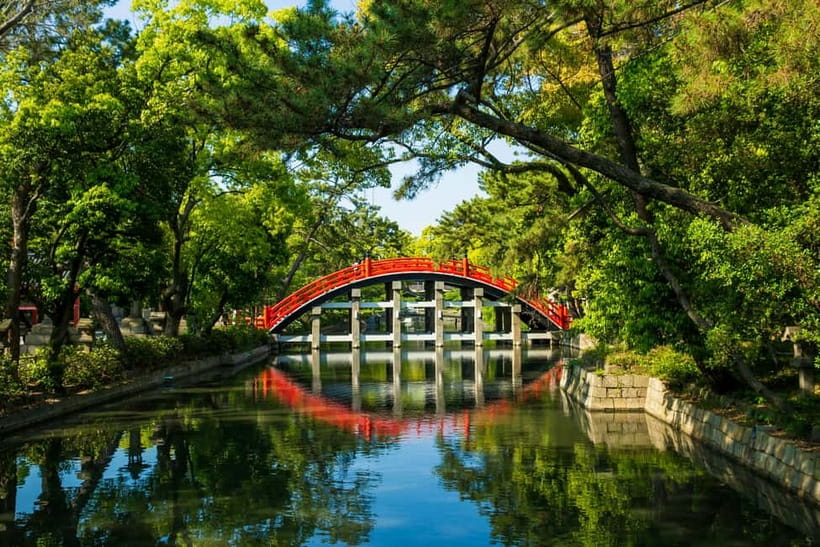
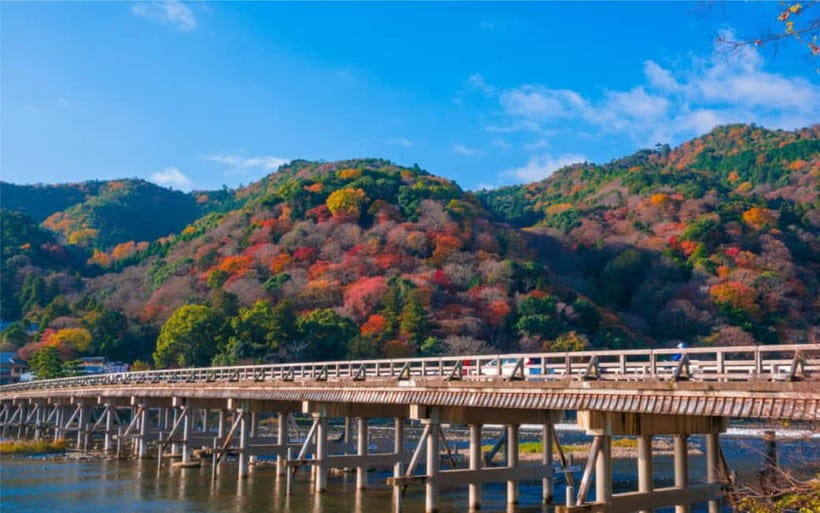
One detail I like for a day like this: the tour does not treat Arashiyama as a drive-by. You get time to slow down. Then the route includes the chance to cross Togetsu-kyō Bridge and take in views of the Katsura River, finishing this Kyoto section with a scenic payoff.
Nishiki Market, Gion, and Kiyomizu-dera street-level stops
This trip mixes big-ticket temples with Kyoto’s everyday textures. It is the kind of combination that helps you feel the city, not just see it.
At Nishiki Market, you get break time and walking, plus a guided tour and photo stop within about an hour. Market time is one of the best ways to understand local daily life, even if you do not plan to eat anything. It is also a good place to reset energy in the middle of a long day.
Then there is Gion, with another break and about an hour that includes a guided tour, walking, photo stop, and a safety briefing. Gion is famous, but the value here is more about the stroll. A guided approach helps you move through the streets without losing time or ending up in the wrong places for what you want to see.
Next is Kiyomizu-dera with photo stop, guided tour, and walking time for about an hour. Kiyomizu-dera tends to feel like a whole zone, not a single object, and having guided time can help you understand what you are looking at as you move through the area.
In the feedback, Nomi Nomi was specifically praised for explanations and even family handling. That matters because these neighborhood sites work best when you know what to notice while you are walking.
More Kyoto temple visits, food tours, tea experiences, and day trips to compare
What to bring, and how to handle the walking and weather
This is a practical day trip, and you should plan like it is one long walking day with short breaks. The tour info calls for comfortable shoes because there is a moderate amount of walking across several sites.
Pack for the conditions. You are advised to bring a hat, sunscreen, and water. You are also told to be ready for all weather, with a raincoat or umbrella if needed. That is especially smart in Japan, where a day can switch moods quickly.
Also keep your belongings safe in crowded places. This is not just a generic warning. Nishiki Market and Gion can get busy, and Inari draws crowds for photos.
Finally, the deer interaction in Nara is at your own risk. That does not mean you cannot enjoy it. It just means you should treat deer like wildlife, not pets. Keep control of yourself, your space, and your reactions.
Price and value for a group up to 6
The price is $474 per group, up to 6 people, for a 10-hour day trip. That is the key math for value. If you fill the van, you can think of it as roughly $79 per person at the maximum group size. If you do not fill it, the per-person value drops, so this is most cost-effective when you can split the group size.
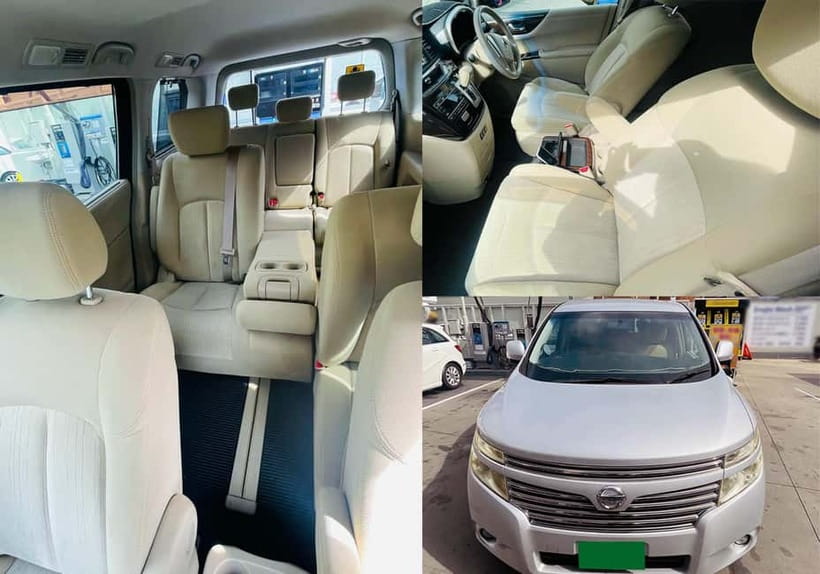
What is included is important: hotel pickup and drop-off, private transportation, and a professional English speaking driver. You also get a driver who speaks English, Hindi, and Urdu, which can be a comfort if you are traveling as a multilingual group.
What is not included also affects real-world budgeting: meals and beverages, personal expenses, and entrance fees. For value, the best way to look at this trip is as a guided day that saves time and stress. If you would otherwise spend time coordinating transit, dealing with multiple transfers, or trying to sequence temple priorities on your own, the private format can be worth it.
The feedback adds one more value angle: photo help. Multiple comments praised Nomi Nomi for taking standout photos that looked professional. That is not essential to the sights, but it is a real quality-of-life benefit when you want memories without begging strangers.
One note on risk and reliability: one low rating described a driver who never showed up and did not communicate. Another comment mentioned a late arrival of about an hour. Those are not common themes in the overall rating, but they are worth recognizing. If you book, make sure your contact details are correct and your pickup plan is clear the day before.
Service quality: drivers like Musa and Nomi Nomi, plus the small comfort gaps
The biggest pattern in the feedback is service attitude. Musa was described as safe, kind, and flexible with itinerary changes. Nomi Nomi was described as friendly, funny, and very good at explanations. One family praised his patience and help with kids, including carrying a young child during the day.
That kind of support makes a private tour feel easier than it actually sounds. When the day is packed, the driver is not just a driver. They are also your timing buffer, your translation bridge, and often your photographer assistant.
There are also small comfort details. One comment said they wished there were dedicated USB outlets in the back. The fix described was that Musa stretched a cord when needed. In other words, you may be able to charge devices in the van, but it might not be built in like a modern airplane setup.
Also, because the guide is part of the experience, it helps to match your travel style to a private tour. If you like explanations, you will likely appreciate the guided time at Nishiki Market, Gion, and Kiyomizu-dera. If you just want photos and quick turns, you still can do it, but you might feel the schedule is structured, not totally loose.
Should you book this Nara and Kyoto private day trip?
Book it if you want a single-day hit of both Nara and Kyoto with minimal stress. This works well if you care about the iconic sites: Nara Park deer, Tōdai-ji’s 15-meter bronze Buddha, Fushimi Inari’s torii gates, Kinkaku-ji, Arashiyama Bamboo Forest, and the classic Kyoto neighborhoods and temple area stops.
Skip it, or choose another option, if you hate a packed day. You will walk, you will be in crowds, and the schedule moves through multiple areas with breaks along the way. Also, if you need wheelchair accessibility, this one is not suitable.
If you do book, I suggest two simple moves. First, wear your most comfortable shoes and treat water breaks as part of the plan. Second, if you want great photos, ask your driver about the best photo moments at each stop and plan to take your time during the designated photo stops rather than squeezing everything between them.
Overall, this is a strong choice for people who want Kyoto’s highlights with the ease of a private ride and a friendly guide who can make the day feel both organized and human.
FAQ
How long is the Osaka: Kyoto and Nara private day trip?
The duration is 10 hours.
How many people can fit in the private group?
It is a private group for up to 6 people.
Where does pickup and drop-off happen?
Pickup has 3 options: Nara, Kyoto, or Osaka. Drop-off also has 3 options: Kyoto, Osaka, or Nara.
What is included in the price?
Hotel pickup and drop-off, private transportation, and a professional English speaking driver are included.
Are meals and entrance fees included?
No. Meals and beverages, personal expenses, and entrance fees are not included.
Can I interact with the deer at Nara Park?
You can interact during the Nara Park walk, but the deer are wild animals, so it is at your own risk.
More 1-Day Tours in Osaka
More Private Tours in Osaka
More Tour Reviews in Osaka
Not for you? Here's more nearby things to do in Osaka we have reviewed


Nara Day Trips from Kyoto, compared.
 ★ 5.0World Heritage Kyoto & Nara Uji Authentic Matcha ExperienceFrom $1291,573 reviews
 ★ 4.7Kyoto/Osaka: Nara, Fushimi Inari Taisha, Arashiyama Bus TourFrom $521,275 reviews
 ★ 5.0Nara Half Day Trip Walking Tour (Private Option Available)From $105937 reviews
 ★ 4.4Osaka/Kyoto: Arashiyama, Nara & Fushimi Inari Shrine w/LunchFrom $61754 reviews
 ★ 5.0Nara Early Morning Tour (Kyoto or Osaka Departure Available)From $61676 reviews
 ★ 4.5Kyoto and Nara Day Trip from KyotoFrom $194445 reviews
 ★ 5.0Full Day Guided Tour to Kyoto and Nara from Osaka by VanFrom $106420 reviews
 ★ 4.5Nara Afternoon Tour from Kyoto or OsakaFrom $102390 reviews
Browse the lists this tour appears in