
Reviewed · NARA DAY TRIPS FROM KYOTO
Nara Afternoon Tour from Kyoto or Osaka
Nara hits fast, with temples and deer. This afternoon tour pairs guided history with a simple ride out of Kyoto, then drops you into Nara’s top sights without wrestling trains. I especially like the way the tour handles logistics for a tight half day.
A big plus is the tour’s focus on the two star buildings: Todai-ji’s Great Buddha Hall and Kasuga Grand Shrine’s lantern world. You get major landmarks in a sequence that feels natural, not random stop-and-start.
The main drawback to plan around is time pressure, and there’s also a real walk from the parking area to Todai-ji, listed at about 25 minutes one-way. If you’re hoping for slow deer feeding and long temple wandering, you may feel squeezed.
Key things I’d circle before you go
- Afternoon timing from Kyoto Station keeps the day flexible, with pickup near Kyoto Station and a full return by vehicle.
- World Heritage stops with admission included: Todai-ji and Kasuga Grand Shrine tickets are part of the tour price.
- Nara Park deer time is built in, with more than 1,000 deer in a 1,250-acre park.
- Kasuga lantern access can be upgraded (from Jan 2025), with a Main Sanctuary special visit area added when possible.
- Group size max is 40, which usually works well, but can make pacing feel brisk if everyone moves differently.
Nara Afternoon from Kyoto and Osaka: Why this half day works
If you only have part of a day in the Kyoto area, Nara can feel like a lot to squeeze in. This tour is designed for that exact problem: you’re out for about 5 hours 40 minutes, you hit the top religious sites, and you still get time in Nara Park where the deer rule the scene.
Starting in the afternoon also changes the vibe. You avoid some of the morning chaos that comes with popular temples, and you can aim for better light for photos around the deer park and shrine grounds. Even if the weather is uncooperative, you’re not stuck planning your own routing across multiple transit connections.
You also get a guided flow. The tour’s talking points are clear, so you spend time seeing, not just moving. And the ride in and out means you don’t have to mentally budget for train transfers, station navigation, and ticket machines after a long day already in Kyoto.
One small but meaningful detail: the tour uses a mobile ticket, so you’re not hunting for paper vouchers or printing things at the last minute.
You can also read our reviews of more tours and experiences in Kyoto.

Meeting point, ride logistics, and why group size matters
From Kyoto, pickup is at the Avanti Tour Desk near Kyoto Station. From there, you go by vehicle to Nara and return to your original departure point afterward.
If you depart from Osaka, the tour includes a specific assistant connection for certain segments, including from Hotel Granvia Osaka to the Sunrise Tours Desk in Kyoto Avanti (B1F) and from Kintetsu Nara Station to Osaka Namba Station. This matters if you’re trying to understand where you’ll meet your English support, and how the routing pieces connect.
Here’s what to know about the group itself: the tour has a maximum of 40 travelers, and seats may not be designated. In practice, that can mean you’re not guaranteed the exact seat you want on the bus, but it usually still runs smoothly.
The pace is the bigger issue than seating. Some people love the efficiency, and others feel it’s rushed. The common thread is simple: when the group is large, and when some people are slow on walks, everyone else’s time can tighten. If you’re the type who likes a calm, unhurried visit, show up ready to move at a steady pace.
Also, listen carefully to rejoin instructions. One solo traveler issue was reported where they felt left behind when it came time to reconnect with the group. That’s not something you can plan away, but it’s a good reminder: stay close, know the landmark where the bus is, and don’t wander too far from the agreed meeting flow.
Todai-ji Temple: Great Buddha Hall, World Heritage scale, and the walk
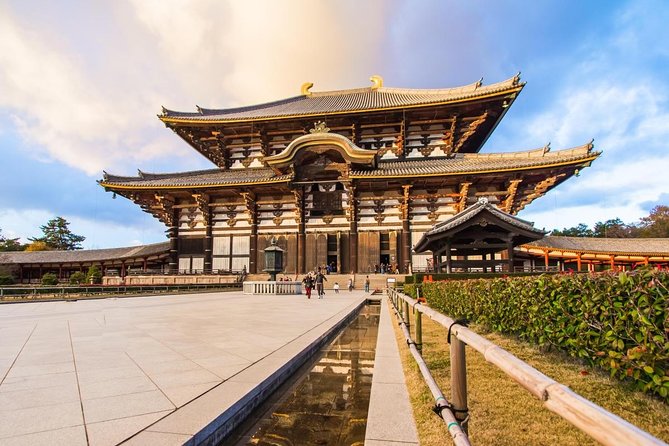
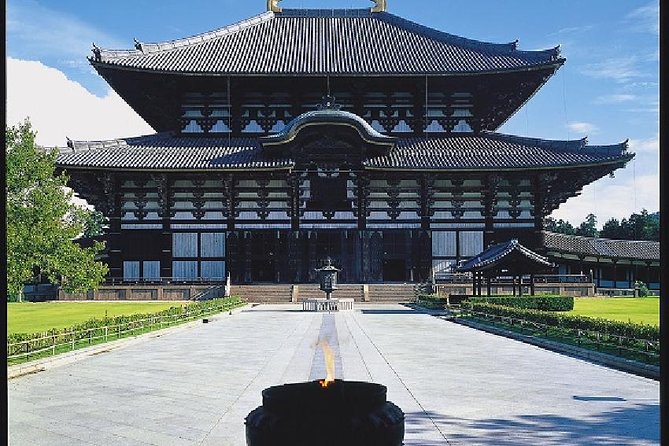
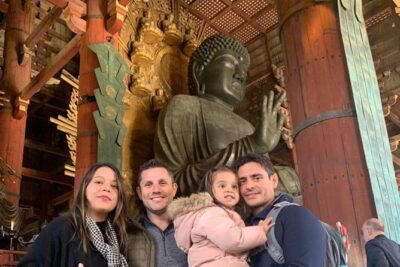
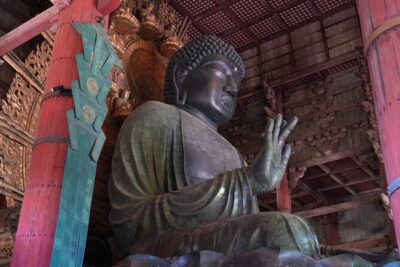
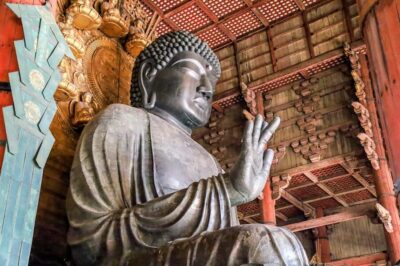
Your first stop is Todai-ji Temple, a World Heritage site and a symbol of the Nara Period. This is the building you’ll picture later when someone says Nara and you think big Buddha.
The time budget here is about 1 hour 10 minutes, with an admission ticket included. That includes time inside the major hall area you came for, including the Daibutsuden (Great Buddha Hall) and the massive bronze Buddha statue.
The part many people don’t anticipate is the walking. The tour specifically notes that you’ll walk from the parking lot to Todai-ji, about 25 minutes one-way. That means you’re not just doing a short temple stroll. You’re doing a hike up to the site, and then you’re turning around to do it again on the way back.
So bring the right mindset. Wear comfortable shoes, and if your legs need frequent breaks, this is the moment to plan for it. The good news is that once you reach Todai-ji, the payoff is huge, and the tour gives you enough time to experience the main icon without feeling like you got only a snapshot.
If you’re traveling when it’s hot or rainy, you’ll be glad you’re with a group rather than trying to manage your own transport, because the tour’s structure carries you through the hardest-to-schedule portion.
Nara Park deer time: the 1,250-acre “yes, they really are everywhere” moment
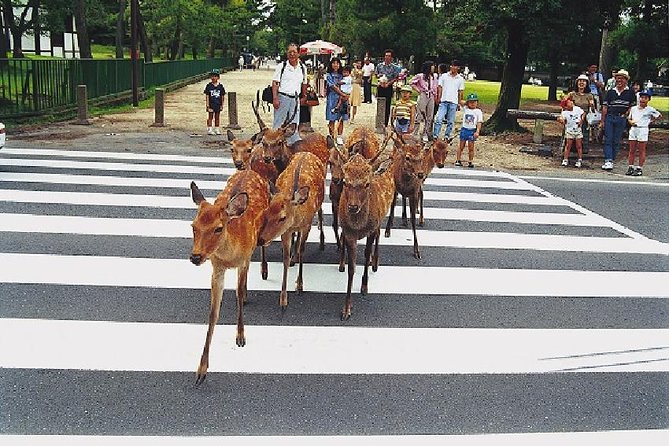
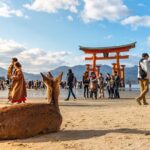
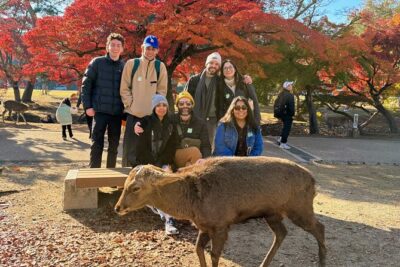
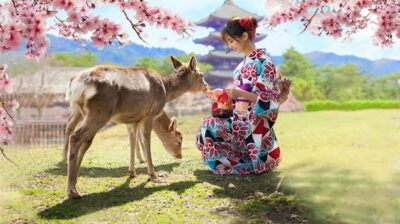
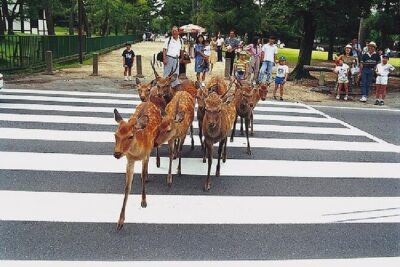
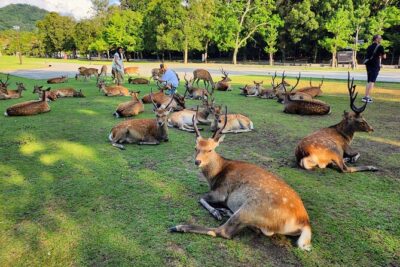
Between temple and shrine, you get Nara Park, described as a peaceful reserve of about 1,250 acres with more than 1,000 deer roaming freely. This is where your photos stop being posed and start being chaotic in a fun way.
This is also where expectations matter. If you’ve only seen deer in parks where they’re separated by fences, Nara is different. The deer behave like locals with excellent timing. They come close, they watch your hands, and they know when treats are involved.
What I like about having park time inside a guided tour is that you’re not spending energy figuring out where to stand, when to move on, and how to get back on schedule. The trade-off is that park time can feel limited, because the afternoon itinerary has to hit the next stop.
So treat park time like a short visit, not an all-day hangout. You’ll get the “oh wow” moment, and you can enjoy deer encounters, but you shouldn’t plan to linger so long that you miss the return flow. If you want extra deer feeding time, consider arriving earlier the next time you’re in Nara and doing a longer independent visit.
Weather changes the feel too. Rain can make deer less playful, but it also makes the walk more annoying. Some departures have included small surprises like spare umbrellas provided when rain hit. Don’t count on it every day, but it’s a nice sign that the operation thinks about comfort when conditions change.
Kasuga Grand Shrine lanterns and the Main Sanctuary option
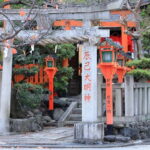
Next up is Kasuga Grand Shrine, with about 1 hour on the stop and an admission ticket included. This shrine is famous for its lanterns, described here as more than 3,000 antique stone and bronze lanterns.
When people talk about Kasuga, they usually mention the atmosphere. That comes from two things: the density of lanterns and the fact that you’re walking through a shrine setting where the light and shadows do half the storytelling for you. With limited time, this tour version is smart because it focuses you on the core shrine experience.
There’s also an important update mentioned: from January 2025, the tour adds access to a Main Sanctuary special visit area. That can mean you get closer to the Main Sanctuary and you can view hanging lanterns in the corridor.
Even with that update, the tour is clear about what happens if access isn’t possible due to events or operations. If the special visit area can’t be entered, the tour goes to either the Kasuga Taisha Museum or Todaiji Museum instead. In other words, you won’t skip the whole shrine follow-up, even if you don’t get the exact lantern viewing angle you hoped for.
One more practical note: Treasures Hall and Manyo Botanical Gardens at Kasuga Shrine are not included. If those are priorities for you, you’ll want to plan a separate add-on visit, because this tour’s Kasuga time is focused on the main shrine experience.

Price and value: what you get for $102.38
At $102.38 per person, this isn’t a bargain trip in the “super cheap” sense. But it also isn’t just transportation and a quick stop.
Included in the price:
- National Government Licensed English Guide Interpreter fee
- Admission fees and transportation costs included
Not included:
- Lunch and drinks
- Hotel pickup and drop-off
- Treasures Hall and Manyo Botanical Gardens at Kasuga
- Anything beyond the planned admission coverage
So where does the value come from? In two places. First, you’re paying for a guide who connects what you’re seeing to why it matters, so the time at Todai-ji and Kasuga feels purposeful rather than like a checklist. Second, you’re buying convenience. Your afternoon includes a ride out of Kyoto, the return trip, and the main-site admissions, which is exactly what makes an efficient half day feel worth the money.
If you already know you like guided tours and want the history explained while you’re standing in front of the stuff, this price is easier to swallow. If you’re the type who prefers solo wandering with a station hopping budget, you might be able to build an itinerary for less. But then you’re taking on the stress of timing, entrance planning, and managing the walks and park flow yourself.
Also worth noting: seats may not be designated. That usually doesn’t change value, but it can affect comfort. The bus is generally described as comfortable, which matters when you’re coming from Kyoto and aiming to return after temple hours.
Guides, pace, and how to get the most out of limited time

A strong theme in the feedback is guide quality, with specific names popping up: Yuki, KC, Mo Mo, Miyuki, and Kimny. People praise guides for keeping information clear and for managing the group well, even when conditions shift like rain.
So here’s my practical take: you should absolutely show up willing to listen. The guide is the difference between seeing a Great Buddha and understanding what makes it Nara-Period iconic. It’s also the difference between a deer park that feels like a blur and one that feels like part of the shrine culture.
At the same time, some departures do get criticized for pacing. When the group is large and some people don’t make the rejoin timing, it can squeeze the second half of the day. If you’re sensitive to time pressure, keep your expectations aligned: you’re getting a focused highlights pass, not a slow museum experience.
That long Todai-ji access walk is also part of pacing. If you want maximum time inside, start that first stretch with steady energy and fewer stops. If you need breaks, do them early rather than waiting until you’re behind schedule.
One more tip: carry a small bottle of water and a light layer. Lunch isn’t included, and the afternoon can run hot. You’ll feel better if you’re not spending your limited time trying to find a drink at the wrong moment.
Should you book the Nara Afternoon Tour from Kyoto or Osaka?
Book it if you want an efficient, guided highlights visit to Nara’s biggest hits: Todai-ji, Nara Park deer time, and Kasuga Grand Shrine lanterns, with admissions and transport covered. This tour is a strong fit for first-timers, for people who hate transport planning, and for anyone who wants the “Nara in one afternoon” experience.
Skip it or plan differently if you:
- need lots of time to linger at each stop
- expect a low-walking itinerary, since Todai-ji includes a long walk from the parking area
- are very sensitive to group pace and worry about feeling rushed
If you’re torn, use this rule of thumb: if you like a structured day with a guide telling you what you’re looking at, you’ll likely feel happy with the value. If you prefer to wander freely and stretch time on your own terms, Nara can be an even better experience when you build it at your own speed.
FAQ
How long is the Nara afternoon tour from Kyoto or Osaka?
The tour runs for about 5 hours 40 minutes.
What are the main stops on the tour?
You visit Todai-ji Temple, Kasuga Grand Shrine, and you spend time at Nara Park to see the deer.
Are admission tickets included?
Yes. Admission tickets are included for Todai-ji Temple and Kasuga Grand Shrine. Some areas at Kasuga, like the Treasures Hall and Manyo Botanical Gardens, are not included.
Is lunch included?
No. Lunch and drinks are not included.
Where is the pickup in Kyoto?
Pickup is at the Avanti Tour Desk near Kyoto Station.
Can I get a full refund if I cancel?
Yes, you can cancel up to 24 hours in advance for a full refund.
Should you book this Nara afternoon tour?
If you want the biggest Nara sights done in one smooth afternoon, this is a smart way to do it, especially with admissions and transport included. Just go in knowing you will walk to Todai-ji and you are on a guided timetable, so plan your energy for a focused, not slow, day.
More Tours in Kyoto
More Tour Reviews in Kyoto
Not for you? Here's more nearby things to do in Kyoto we have reviewed



Nara Day Trips from Kyoto, compared.
 ★ 5.0World Heritage Kyoto & Nara Uji Authentic Matcha ExperienceFrom $1291,573 reviews
 ★ 4.7Kyoto/Osaka: Nara, Fushimi Inari Taisha, Arashiyama Bus TourFrom $521,275 reviews
 ★ 5.0Nara Half Day Trip Walking Tour (Private Option Available)From $105937 reviews
 ★ 4.4Osaka/Kyoto: Arashiyama, Nara & Fushimi Inari Shrine w/LunchFrom $61754 reviews
 ★ 5.0Nara Early Morning Tour (Kyoto or Osaka Departure Available)From $61676 reviews
 ★ 4.5Kyoto and Nara Day Trip from KyotoFrom $194445 reviews
 ★ 5.0Full Day Guided Tour to Kyoto and Nara from Osaka by VanFrom $106420 reviews
 ★ 4.6From Kyoto: Nara Guided Morning TourFrom $77335 reviews
Browse the lists this tour appears in