
Reviewed · NARA DAY TRIPS FROM KYOTO
Osaka: Kyoto & Nara & Uji Historical and Scenic One-Day Tour
Cool Japan, in one long day.
This Osaka to Kyoto, Nara, and Uji trip is a fast-hit route through some of Honshu’s most iconic sights, from the huge bronze Buddha at Tōdai-ji to Uji’s matcha stops and Fushimi Inari’s red torii corridor. I especially like that you get easy transportation handled and a guide who keeps the day readable, so you spend your energy walking where it counts and not figuring out trains. One trade-off to consider: the schedule is tight, so there can be more time on the road than at each attraction.
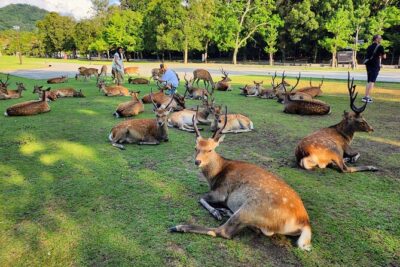
What I like most is the mix of “wow” moments that actually feel different. Nara Park brings the playful, down-to-earth side of Japan with deer encounters, while Fushimi Inari Taisha hits you with that long, red torii tunnel effect and the sense of a place that’s been used for centuries. I also appreciate the practical way guides explain what you’re seeing, including humorous and vivid commentary like the English guide Mia was praised for.
The possible drawback is simple: it’s an 8-10 hour day, and some stops have limited time. If you’re the type who likes lingering, especially in Uji, you may want a bit more breathing room.
Key Things to Know Before You Go
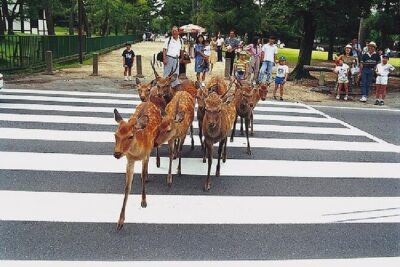
- Nara deer feeding gives you a memorable photo moment, but you must follow the guide’s instructions since they’re wild animals.
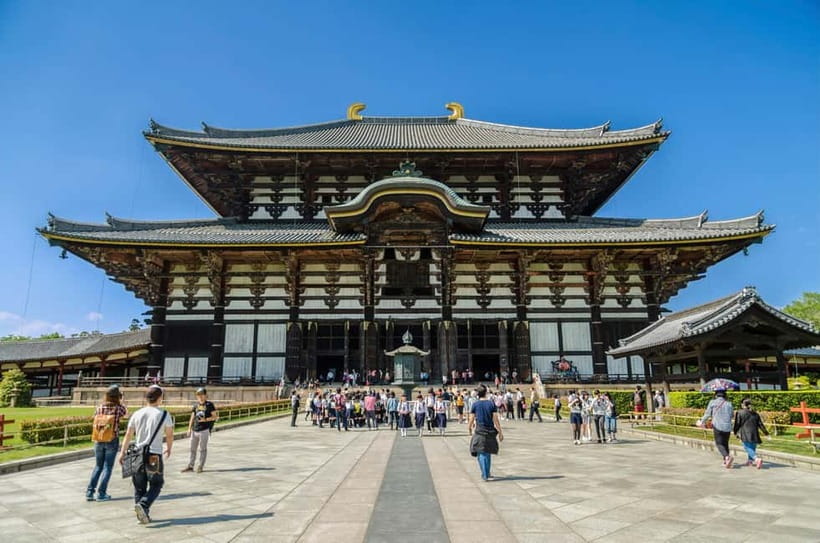
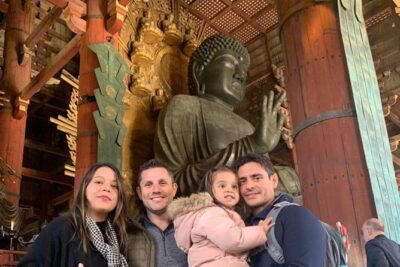
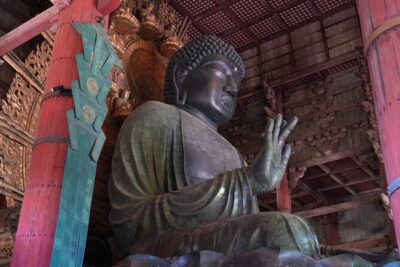
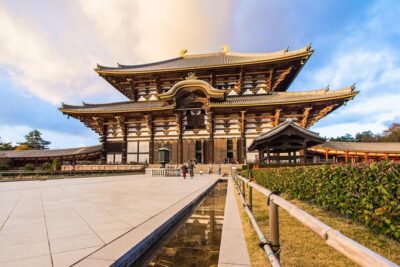
- Tōdai-ji is short but powerful, with a guided look at the Vairocana Buddha in this World Cultural Heritage site.
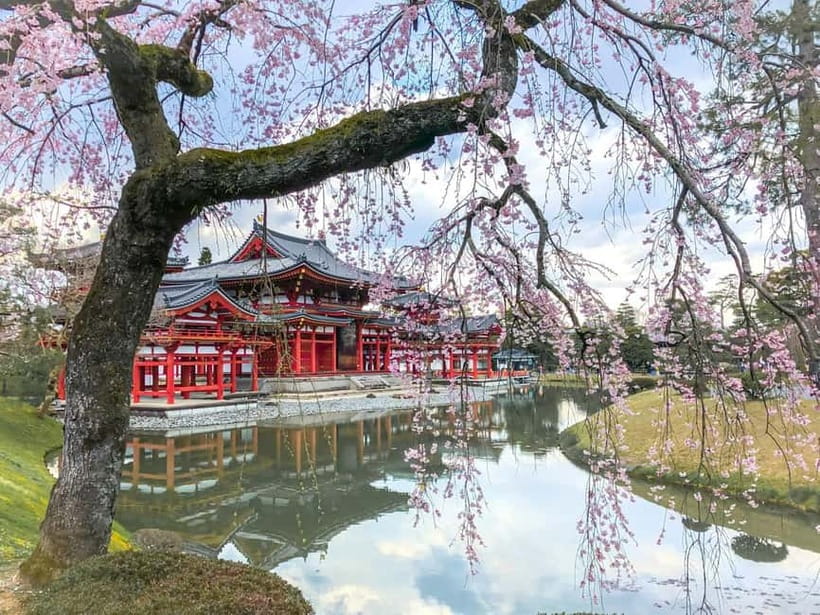
- Uji matcha culture is built around time along the river and a Byōdō-in temple visit, plus matcha treats at local streets.
- Byōdō-in Temple is the quiet counterweight to the busier spots, with an iconic, solemn atmosphere.
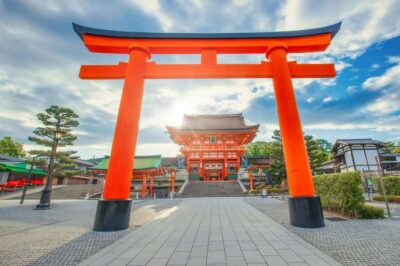
- Fushimi Inari’s torii corridor is your finale, with about 70 minutes to walk, pause for photos, and soak in the shrine vibe.
One Day Across Nara, Uji, and Kyoto, With a Plan
This is the kind of tour that works best when you want range, not depth. In a single day you cover Nara Park, Tōdai-ji, Uji, Byōdō-in, and Fushimi Inari Taisha, which means you can see several “top of the list” sights without planning a whole route yourself.
The strengths are pacing and variety. You start with something light and playful in Nara, shift into big, historic Buddhist scale at Tōdai-ji, then switch tone to Uji’s calmer river walk and matcha culture before ending with the long, photogenic torii walk at Fushimi Inari.
The trade-off is that each stop is only allotted a specific window. That’s not a deal-breaker, but you should go in knowing you’ll be moving most of the day, not staying still.
You can also read our reviews of more historical tours in Osaka
Getting From Stop to Stop, Pickup and Drop-Off Practicalities
Transportation is a major part of the value here. You get round-trip rides in an air-conditioned vehicle, plus tolls, parking, and fuel are covered, so you’re not doing little surprise add-ons for logistics.
Pickup is optional, and the meeting point can change depending on what you selected. You’ll also be emailed pickup details by 8:00 pm the evening before, and it helps to be in the hotel lobby about 10 minutes early so you can board as soon as the vehicle arrives.
Drop-off is spread across multiple areas, including Chuo Ward, Kita Ward, Harimaya Nippombashi 1-chome, Fukushima Ward, Nishi Ward, Nishinari Ward, Naniwa Ward, and also Kyoto Station Hachijo Entrance Square Sunken Garden. Translation: you’re more likely to end the day near where you’re staying.
Nara Park and Tōdai-ji: Deer, Bronze, and Big Feelings
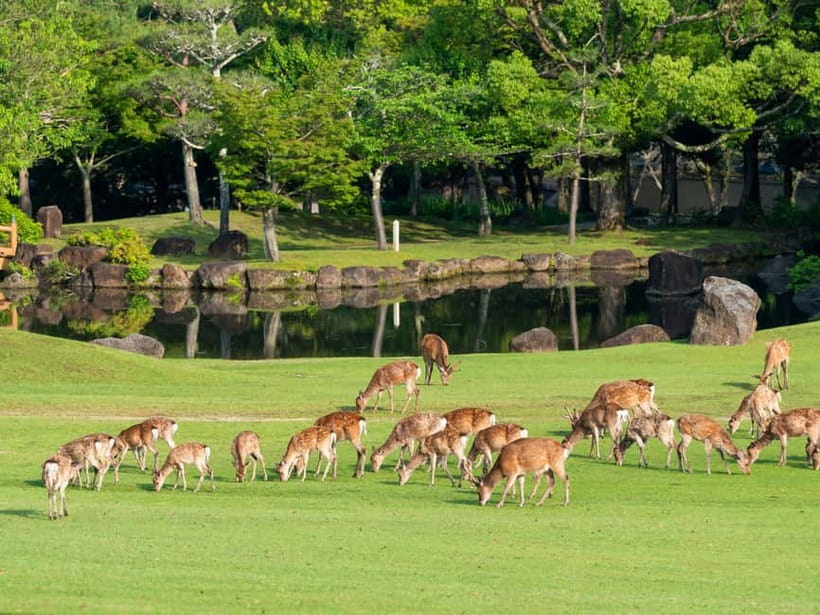
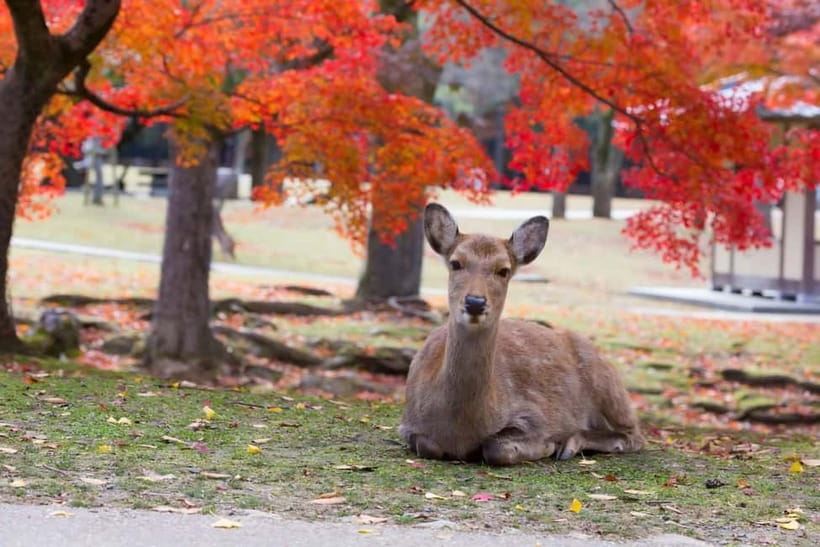
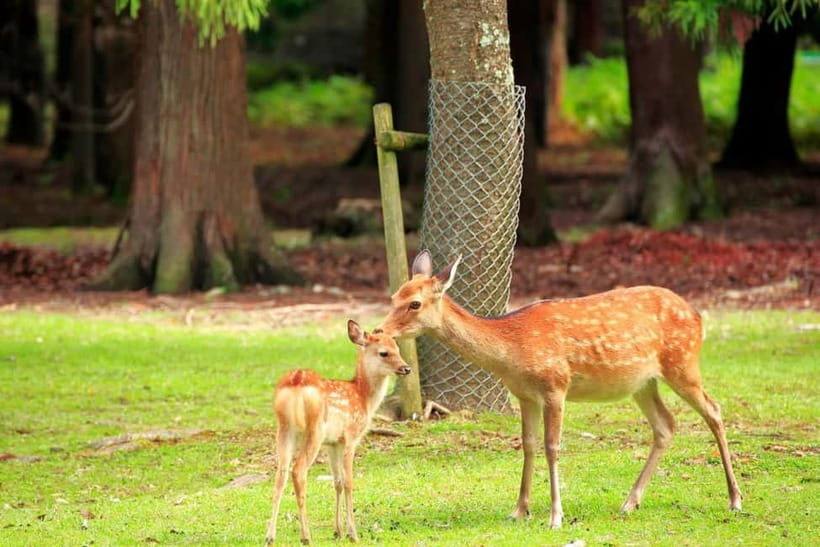
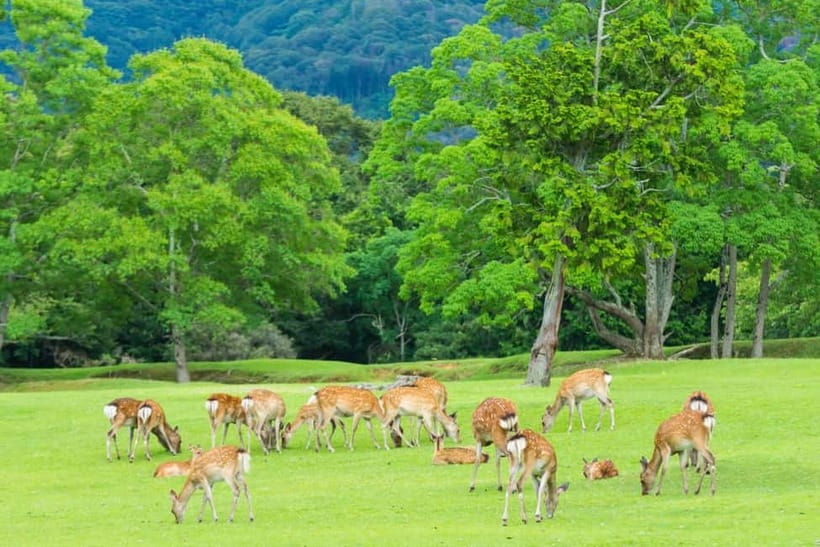
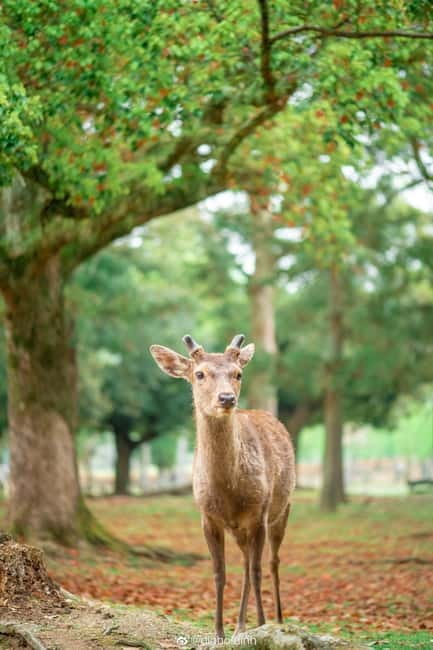
Nara Park is the warm-up, and it’s a fun one. You get about 45 minutes of free time to stroll and meet the deer, feed them if the guide allows it, and take photos. This is one of those experiences that feels instantly “Japan,” because the deer are everywhere and the atmosphere is relaxed.
A key point: the deer are wild. You should follow the guide’s instructions when feeding, and keep your personal space too. If you don’t want deer anywhere near you, this is not the tour for you, and the tour also isn’t suitable for people with animal allergies.
Then you jump to Tōdai-ji for a shorter visit, around 30 minutes. The headline is the Vairocana Buddha and the sheer scale of Todaiji as a World Cultural Heritage temple. Even with limited time, this stop hits hard because it’s not just an art stop, it’s a “stand there and feel the scale” stop.
Practical tip for Tōdai-ji: arrive mentally ready for “walk in, look up, appreciate, move on.” If you expect long, slow museum-style wandering, you may feel rushed. If you want a meaningful first taste, this works.
Uji River Walk, Matcha Time, and the Statue of Murasaki Shikibu
Uji is where the day shifts from major landmarks to cultural flavor. You get about 2 hours total for the Uji portion, plus time built around the river area and nearby viewpoints.
The Uji River walk matters because it slows you down in a good way. You’ll also see the Statue of Murasaki Shikibu, a nice pause that ties the place to Japan’s literary heritage, even if you’re not a deep-bibliography person. It’s a simple stop, but it helps Uji feel like more than “just a stop for matcha.”
Then comes the matcha culture part, and it’s hands-on in a practical way. There’s time around Byōdō-in Omotesando, plus a dedicated Uji Matcha Food Street opportunity to taste matcha desserts. This is one of the best ways to learn Uji, because food is the easiest cultural shortcut that doesn’t require a guidebook level of homework.
What I like about this structure is that it gives you two kinds of satisfaction. You get the calm, scenic river moments and temple quiet, plus you get an edible payoff.
One consideration: if you love matcha and snack-hunting, you might wish you had longer in Uji. One of the cautions you’ll want to keep in mind is that people can feel the overall schedule still has a lot of travel time, so make your Uji moments count.
Byōdō-in Temple: Tranquil Power in a Short Visit
Byōdō-in is the temple stop many people remember. You’ll visit it as part of the Uji segment, and the vibe is clearly meant to feel quieter and more solemn than the more crowded highlights later.
This visit is valuable because it’s not just another photo angle. It’s a chance to experience a historically significant place with a calmer pace, and it works well as a “reset” before you head back into the busy shrine energy of Kyoto.
Since admission to Byōdō-in Temple is not included, plan for an added ticket cost. That’s also a small reminder that this tour’s price is mostly about transportation and guiding, not about covering entry fees everywhere.


Fushimi Inari Taisha and the Thousand Torii Corridor Finale
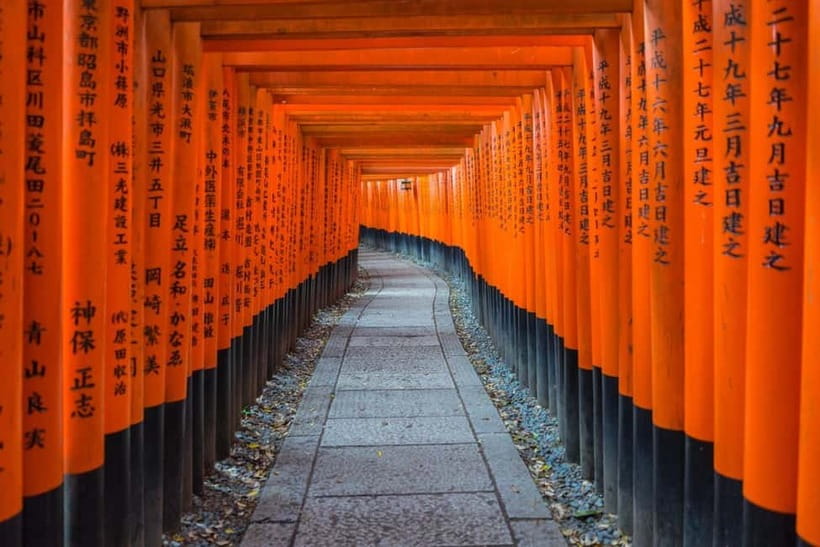
Fushimi Inari is the grand finale for a reason. You get a break time, photo stop, free time, and then a walk of about 70 minutes through the torii corridor.
The signature sight here is the red torii gates that form the long Thousand Torii corridor. The effect is visual and atmospheric at the same time, especially when light hits the gaps between gates. It’s also the kind of walk where a guide’s context helps, because you’re not just walking for views, you’re walking through a living shrine pathway.
Practical advice for this part: wear shoes you trust. The tour notes moderate walking overall, and Fushimi Inari’s allotted walking time is long enough that discomfort can ruin the fun. If you’re carrying a small bag, keep it simple so you can move freely between photo stops.
This is also where crowds show up. You can’t control that, but you can control your mindset: think of it as an hour of walking that you’re doing at your own speed inside the time window. Pause, take a few photos, then keep moving so you actually get to enjoy the full corridor feeling.
How Much Time You Really Have, and How to Beat Stress
This is a full-day route, and the minutes matter. Nara Park is about 45 minutes, Tōdai-ji about 30 minutes, Uji about 2 hours, and Fushimi Inari about 70 minutes walk, with other short sightseeing stops in between.
The good news is that the itinerary is structured so you’re not just hopping randomly. The guide plus vehicle transport makes it easier to keep your bearings when Japan feels like information overload.
The stress risk is in expectation-setting. If you like to linger at temple interiors or spend time browsing side streets without time pressure, you may end up feeling slightly rushed. If you’re fine with “see it, appreciate it, move on,” you’ll likely love the variety.
A small but real advantage: one guide experience described in the wild was Mia using WhatsApp to connect with the group. That kind of communication is useful when people are meeting back up after bathroom breaks or photo pauses, because you spend less time guessing.
Price and Value: What You Pay for, What You Still Need to Cover
The price is listed at $56 per person, and that’s one reason people choose this style of tour. What you’re really buying is not the tickets, it’s the logistics: English-speaking guide, air-conditioned vehicle transport, and added costs like toll, parking, and fuel.
The items not included are important to note:
- Admission to Tōdai-ji Temple and Byōdō-in Temple
- Meals and beverages
- Other personal expenses
So the real value depends on how you handle those extras. If you’d be paying for transport anyway and trying to coordinate multiple cities, this bundled approach can make economic sense. If you already have a plan to go independently with Suica and trains, you might compare costs carefully, especially after tickets and your own meals are added.
Also remember you’re paying for an all-in-day structure. If you’re trying to see Osaka-region base locations plus three historic areas without spending your entire vacation on scheduling, that’s part of the value.
Who This Tour Suits Best (and Who Might Struggle)
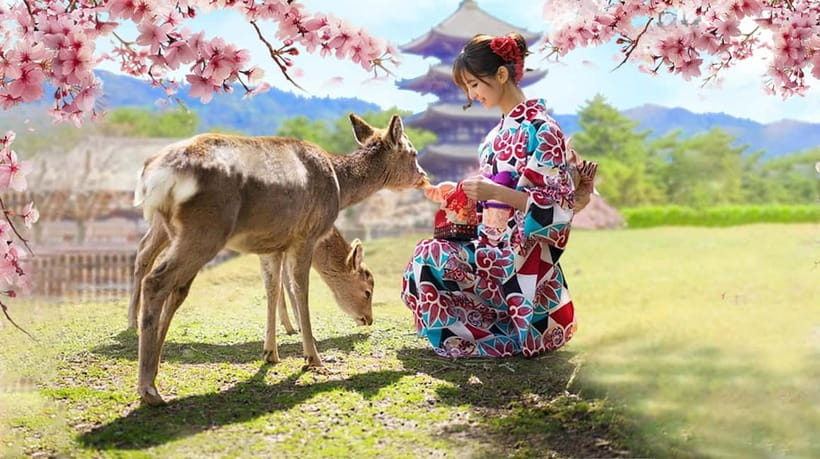
This tour is a great fit for first-timers who want a lot of highlights with less planning. You get the emotional mix of deer cuteness, massive temple scale, Uji’s matcha culture, and Kyoto’s shrine photography favorite.
It’s also good for travelers who want an English guide and straightforward pacing. The tour offers English and Chinese guidance and is designed around staying together in a group, which reduces navigation friction.
Who may struggle:
- Wheelchair users, since the tour involves walking and isn’t listed as suitable
- People with animal allergies, because of the Nara deer stop
- Anyone who hates day-trip intensity and prefers slow travel, since the road time can be significant
If you’re pregnant or 70 and above, you’re asked to sign a travel waiver upon arrival, which is a reminder to go in prepared and travel responsibly.
Quick Packing List and Timing Tips for Comfort
You’ll be on your feet. Bring comfortable shoes and water, especially because Fushimi Inari’s walking window can add up.
Also keep your day simple: plan to carry only what you truly need. The tour includes moderate walking, so heavy bags can become annoying fast.
And one more rule: no smoking. It’s a standard expectation, but worth noting if you’re sensitive to that.
For timing, arrive at the meeting point about 15 minutes before departure so you’re not stressed when the vehicle rolls out.
Should You Book This Osaka-Kyoto-Nara-Uji One-Day Tour?
I’d book this if you want a well-structured highlight day and you’re okay with moving at a steady pace. It’s a strong choice for first-time visitors who want Nara deer, Tōdai-ji, Uji matcha culture, Byōdō-in, and Fushimi Inari without building the route yourself.
I’d skip it if you want long stays at fewer places, or if you’re uncomfortable around animals. It’s not a gentle half-day stroll. It’s a full-day route where the payoff is variety, and the price you pay is time spent on the road.
If you’re torn, here’s my rule of thumb: if you can enjoy a place in a focused visit, you’ll likely love this. If you need hours to settle into one temple or one street, plan separate trips instead.
FAQ
Is the tour guided?
Yes. You’ll have an English-speaking tour guide, with live guide availability also listed as Chinese and English.
How long is the tour?
It runs for 8-10 hours.
Does the price include temple admission?
No. Admission to Tōdai-ji and Byōdō-in is not included.
Are meals included?
No. Meals and beverages are not included.
What should I bring?
Bring comfortable shoes and water.
Do I need to arrange my own transportation between cities?
No. The tour includes round-trip transportation by air-conditioned vehicle, plus toll, parking, and fuel fees.
Where do I meet the tour?
The meeting point may vary depending on the option you book. You’ll also receive pickup details by email by 8:00 pm the evening before if pickup is selected.
How much walking is involved?
There is a moderate amount of walking, including about 70 minutes of walking at Fushimi Inari Taisha.
Is this tour suitable for wheelchair users?
No. It is not suitable for wheelchair users.
Can I cancel for a full refund?
Yes. You can cancel up to 24 hours in advance for a full refund.
More Historical Tours in Osaka
More Tours in Osaka
More Tour Reviews in Osaka
Not for you? Here's more nearby things to do in Osaka we have reviewed




Nara Day Trips from Kyoto, compared.
 ★ 5.0World Heritage Kyoto & Nara Uji Authentic Matcha ExperienceFrom $1291,573 reviews
 ★ 4.7Kyoto/Osaka: Nara, Fushimi Inari Taisha, Arashiyama Bus TourFrom $521,275 reviews
 ★ 5.0Nara Half Day Trip Walking Tour (Private Option Available)From $105937 reviews
 ★ 4.4Osaka/Kyoto: Arashiyama, Nara & Fushimi Inari Shrine w/LunchFrom $61754 reviews
 ★ 5.0Nara Early Morning Tour (Kyoto or Osaka Departure Available)From $61676 reviews
 ★ 4.5Kyoto and Nara Day Trip from KyotoFrom $194445 reviews
 ★ 5.0Full Day Guided Tour to Kyoto and Nara from Osaka by VanFrom $106420 reviews
 ★ 4.5Nara Afternoon Tour from Kyoto or OsakaFrom $102390 reviews
Browse the lists this tour appears in