
Reviewed · KYOTO TEA CEREMONIES
Authentic Tea Ceremony & Sushi in The Museum of Kyoto
Sushi, then silence, in Kyoto. This Museum of Kyoto experience pairs master-chef sushi with a calm tea ceremony inside an Edo-style house, complete with a garden view.
What I like most is how the two parts feel connected, not random dining plus a show, and how the guide explains what you are doing as you do it.
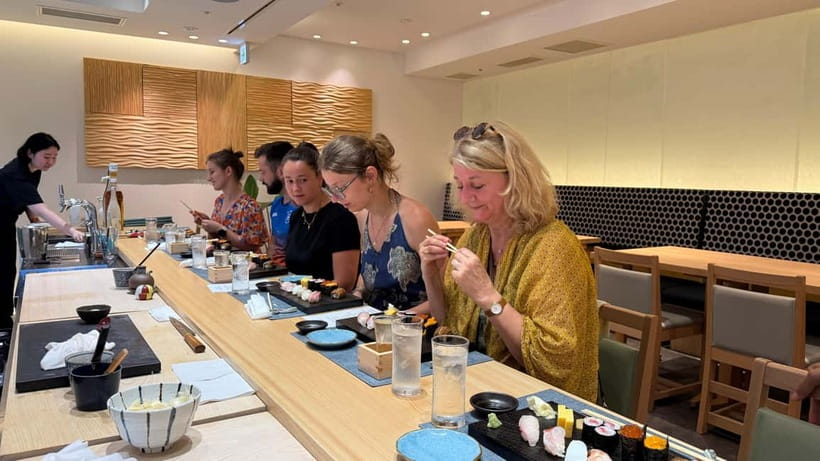
I love that the sushi is prepared right in front of you by a trained chef. I also love that you whisk your own matcha and taste it with traditional sweets, so you are not just watching.
One thing to consider first: this is not suitable for vegans or vegetarians, and there are age limits (not for children under 10, not for people over 95).
Key highlights you should care about
- Sushi prepared in front of you, so freshness is part of the experience
- Your own matcha whisking, paired with Kyoto sweets
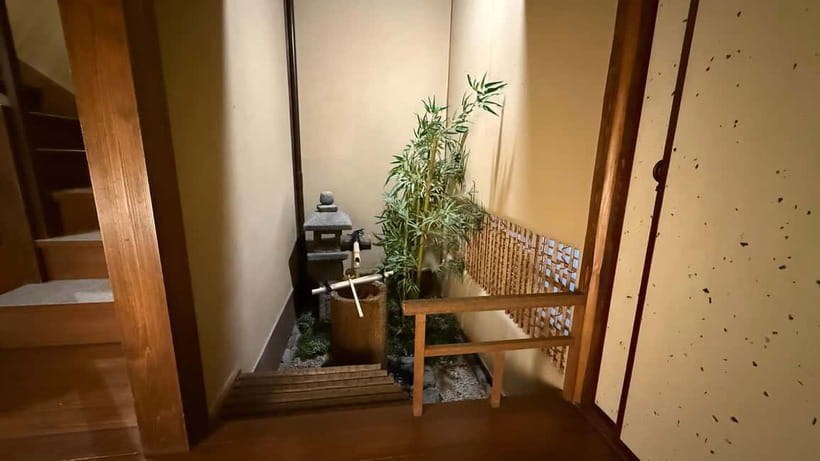
- Edo-period atmosphere in a basement house setting with a miniature garden view
- You wear a traditional haori (kimono-style jacket) during the tea ceremony
- The session includes explanations of chanoyu culture and the tea utensils used
Sushi Shin meets chanoyu in a real Kyoto setting
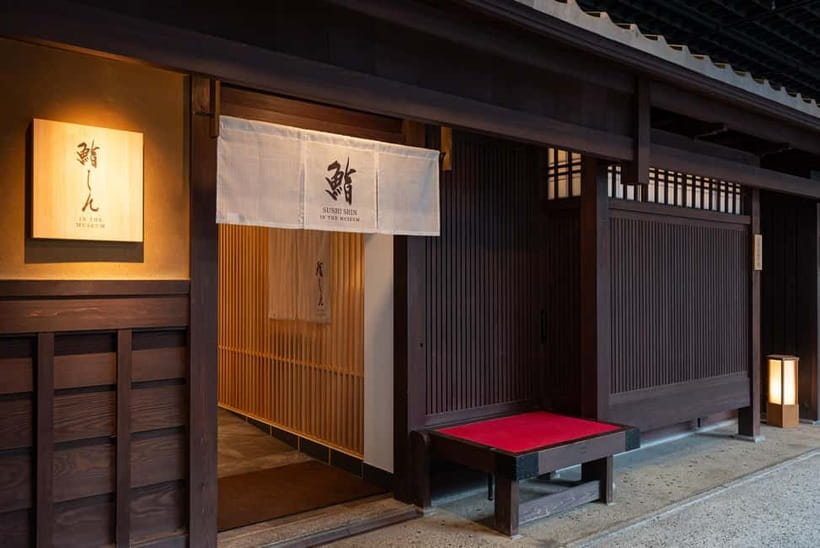
The day starts at the sushi restaurant Sushi Shin in the Museum, inside The Museum of Kyoto. Then you shift down into a traditional Japanese house on the basement floor, where the mood changes from restaurant energy to quiet, deliberate tea-room calm.
That contrast is the whole point. You get the food first, made with craft and precision, then you move into the kind of silence where every gesture matters. In the house, you can look out at a meticulously designed miniature garden, which helps you slow down instead of rushing through another cultural activity.
The tea part is guided, not vague. You’ll get an explanation of the history and culture behind chanoyu and the utensils used, so when you whisk matcha yourself, you understand what you are holding and why it matters.
You can also read our reviews of more museum experiences in Kyoto
The 11:00 vs 13:30 session timing changes when you eat
Kyoto timing is not one-size-fits-all here. For the 11:00 session, sushi is served at the end of the experience. For the 13:30, sushi is served at the beginning.
So plan your stomach around the schedule:
- If you book 11:00, treat the tea ceremony as your main event first, then you’ll have sushi to finish.
- If you book 13:30, eat earlier with sushi, then enjoy the quieter tea ceremony afterward.
This matters because tea is not a quick sip and move on. You’re guided through the process, you whisk, and you taste with sweets. If you arrive already stuffed, you might find the matcha and sweets less comfortable.
Master-chef sushi, made in front of you
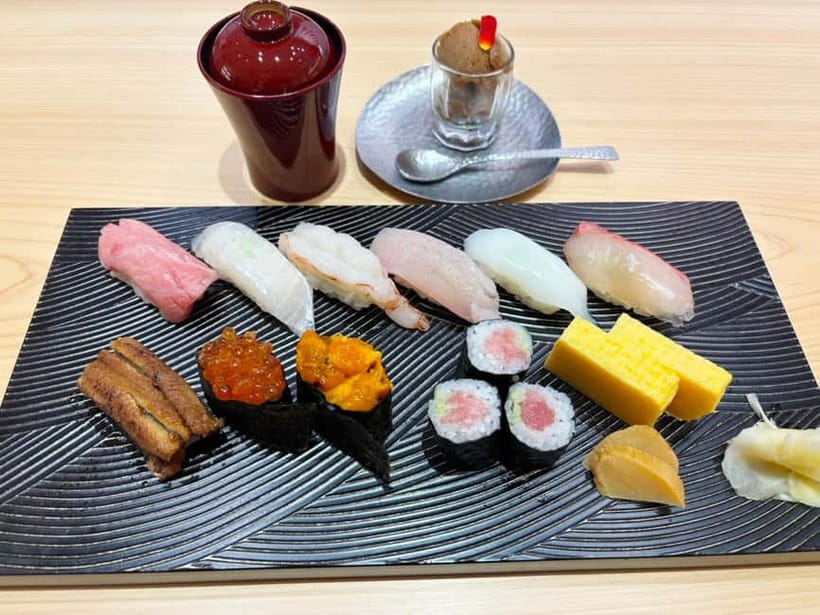
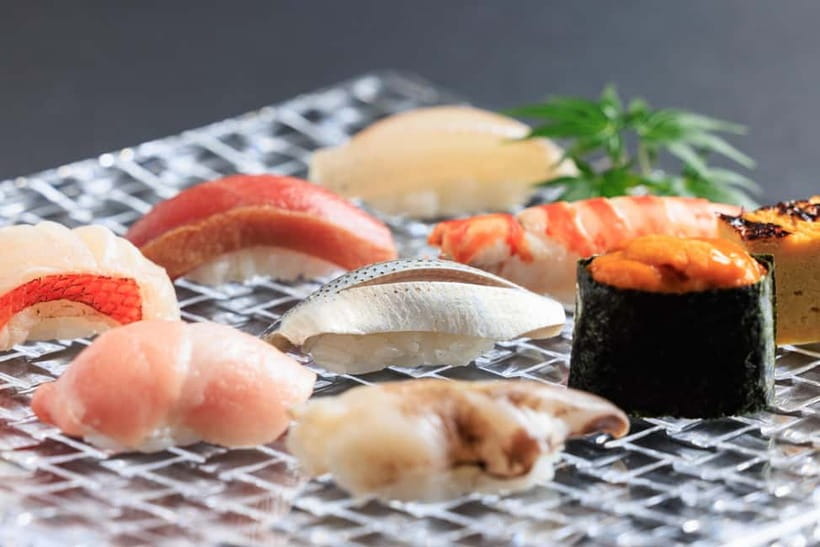
The sushi portion is built around one thing: freshness and craft. The sushi is prepared directly in front of you, and the chef brings years of training to the work.
In practical terms, this is the kind of meal where you notice details. The look, the temperature, and how each piece is finished. Instead of getting a tray that arrived from the back, you watch it come together. That changes the whole feel of dinner.
Also, the sushi timing is session-dependent, so you can choose the experience rhythm you want. If you prefer your heavier food first, pick the 13:30 session. If you like easing into the experience with tea and only later turning to sushi, pick 11:00.
Inside the Edo-style tea house, it is quiet by design
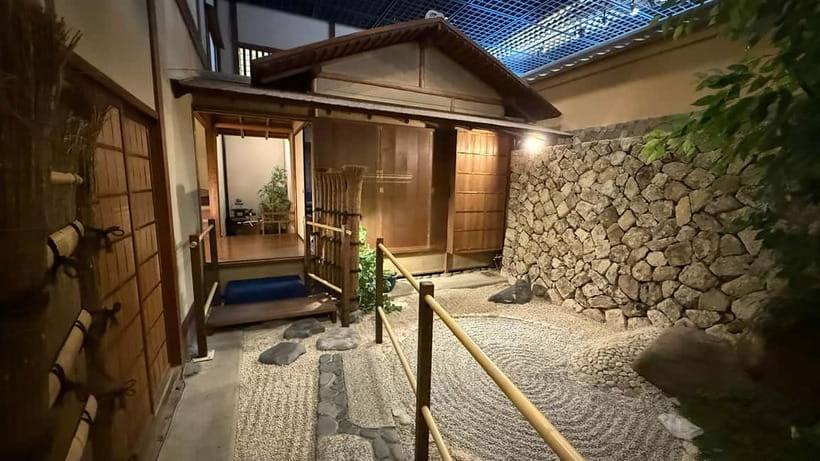
After sushi, or before it, you are guided to the tea space: a traditional Japanese house on the basement floor. The atmosphere is intentionally Edo period in feel, which gives you the sense that you are stepping into a smaller, older Kyoto world.
You also get a view of a meticulously designed garden from within the house. That might sound like a background detail, but it helps a lot. When you are in a room built for tea, the garden view gives your eyes somewhere calm to rest while you listen.
The guide sets the pace. You get an introduction to the utensils used and the cultural origins of chanoyu. You are not expected to already know the terms, and the experience is presented in English and Japanese.
Whisking matcha yourself, not just sipping it
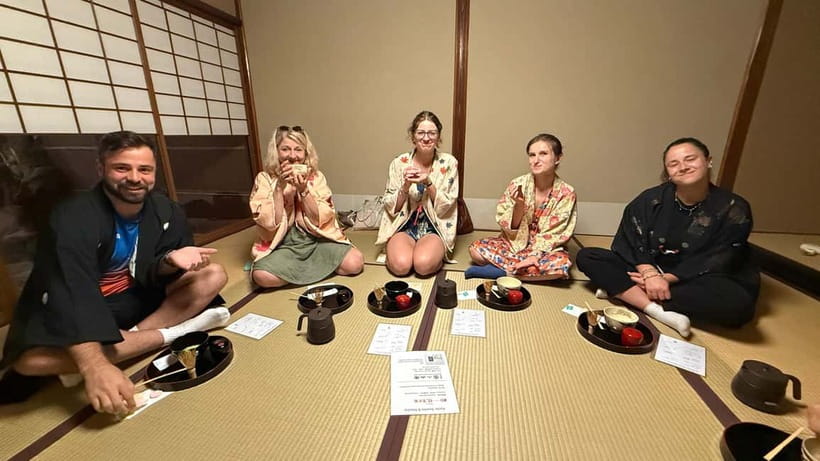
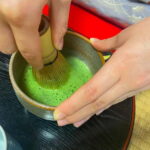
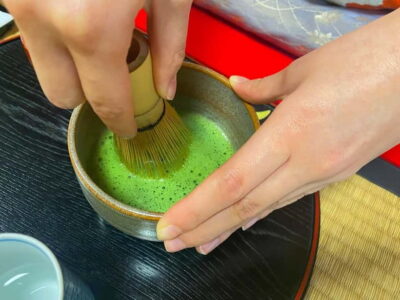
Here is where the experience becomes hands-on. During the tea ceremony, you whisk your own bowl of matcha and enjoy it together with traditional sweet.
That is a big difference from many tea experiences where you just watch someone pour and smile at you. You are doing the work, which means you will pay attention. The result is more memorable, and it makes the matcha taste easier to understand.
The matcha itself is described as premium and rare, and it’s paired with Japanese sweets. The pairing matters because sweetness helps you experience the matcha’s flavor more clearly, including its character compared with what you might have had elsewhere.
You also wear a traditional haori during the tea ceremony. That does more than look good in photos. It reinforces that this is part of a ritual, and it adds to the sense that you are inside the ceremony, not standing outside watching.
Kyoto sweets and premium matcha pairing, the real flavor lesson
The ceremony includes Kyoto sweets and the finest matcha. In other words, you get the classic matcha-sweet combo that is meant to balance bitterness and sweetness.
From the way people talk about it, the matcha quality is the star. Expect a matcha that feels higher-end than the powder you might grab at a supermarket. It’s the kind of taste that makes you realize what you were missing.
If you are picky about sweetness, you might want to pace yourself. Take a bite of sweet, then sip slowly. Matcha can feel strong at first if you drink it too fast. The ceremony timing gives you that chance to learn your own pace.
What’s included, and what that usually means for your budget
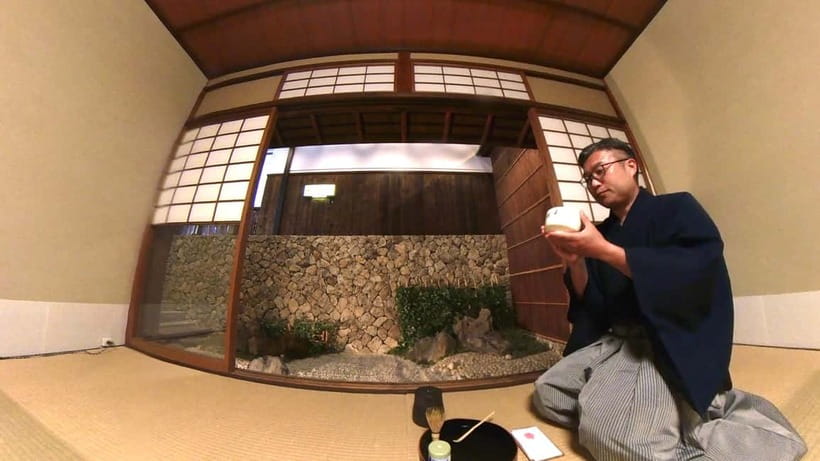
This experience includes:
- Wearing a traditional haori (kimono-style jacket)
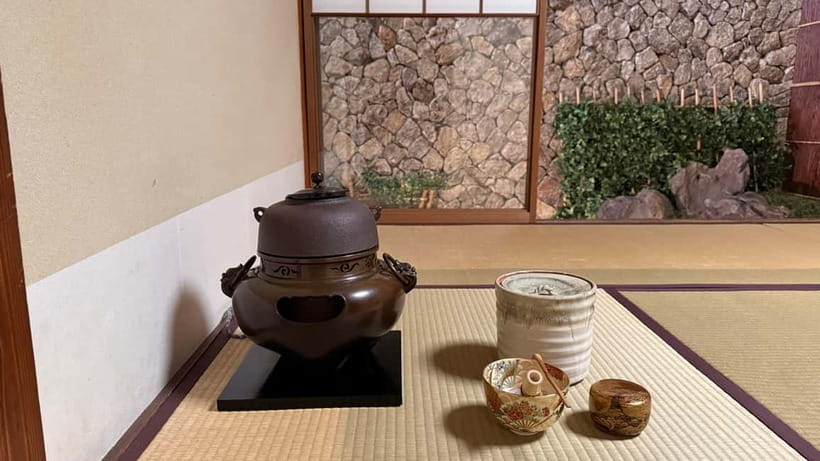
- Introduction to the traditional tea utensils used in the ceremony
- Brief explanation of the history and cultural origins of chanoyu
- Viewing a meticulously crafted miniature garden
- Kyoto sweets and finest matcha
Even though the written inclusions list does not spell out every meal component, the experience itself clearly centers on sushi at Sushi Shin in the Museum and then the tea ceremony.
So where does the $133 per person fit in? You are paying for a rare mix:
- A sushi chef with training, working right in front of you
- A guided tea ceremony, with you participating in whisking
- High-quality matcha and Kyoto sweets
- The haori and the Edo-style, garden-view setting
At this price point, the value is not just food. It’s the access and the structure: you’re not doing DIY tea etiquette while figuring out where to stand and what to do. The guide helps, the setting supports it, and the matcha is the kind you can actually learn from.
Who should book, and who should skip this one
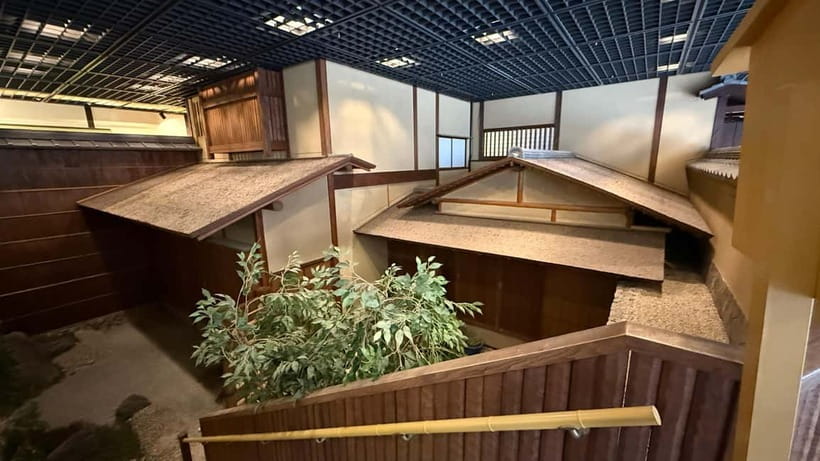
I think this fits best if you want a Kyoto experience that is genuinely sensory and calm. It suits food lovers who like seeing craft up close, and it also suits culture lovers who want real participation, not just a lecture.
It is not suitable for:
- Vegans
- Vegetarians
- Children under 10
- People over 95
So if you travel with a mixed group, double-check diets first. And if your group includes kids, this one probably won’t work.
If you are already doing a packed Kyoto day, pick your session time carefully because the tea ceremony is part of the whole block, not a quick add-on.
Small practical tips to make it feel easy
- Let the staff know about any allergies in advance. The experience explicitly asks you to share allergy details if you have them.
- Choose the session based on when you want sushi: 11:00 ends with sushi, 13:30 starts with it.
- If you dislike matcha or you are new to it, go slowly. The sweets are there to balance, but you will still taste the matcha directly.
- Wear comfortable clothes that still let you feel good in the haori. You’ll be changing into it and moving through the tea space.
Final call: should you book the Museum of Kyoto tea and sushi experience
If you like food craft and you want a tea ceremony that’s hands-on and guided, this is a strong yes. The best reason to book is simple: you get sushi made in front of you, then you experience matcha by whisking it yourself, with Kyoto sweets and a quiet setting that actually supports the ritual.
Skip it if your group needs vegan or vegetarian options, or if age restrictions apply. Also, be honest about your matcha tolerance if you do not enjoy it.
If your Kyoto plans include a bit of structure and you want an experience that feels different from a typical meal, this one is worth your time.
FAQ
Where does the experience start?
It starts at the sushi restaurant Sushi Shin in the Museum inside The Museum of Kyoto.
Where does the tea ceremony take place?
You’ll be guided to a traditional Japanese house on the basement floor.
How are the 11:00 and 13:30 sessions different?
For the 11:00 session, sushi is served at the end. For the 13:30 session, sushi is served at the beginning.
Is the haori provided?
Yes. Wearing a traditional haori (kimono-style jacket) is included.
What languages are offered?
The experience is offered in English and Japanese.
Who is it not suitable for?
It is not suitable for children under 10, people over 95, vegans, or vegetarians.
Do I need to pay right away?
You can reserve and pay later, meaning you pay nothing today.
Can I cancel, and how much notice is needed?
You can cancel up to 24 hours in advance for a full refund.
What should I do if I have allergies?
If you have any allergies, inform the organizers in advance.
More Museum Experiences in Kyoto
More Tour Reviews in Kyoto
Not for you? Here's more nearby things to do in Kyoto we have reviewed
Kyoto Tea Ceremonies, compared.
 ★ 4.9Tea Ceremony in a Traditional Tea House in KiyomizuFrom $493,519 reviews
 ★ 4.9Tea Ceremony Ju-An at Jotokuji TempleFrom $293,207 reviews
 ★ 4.345-Minute Tea Ceremony Lesson ExperienceFrom $222,378 reviews
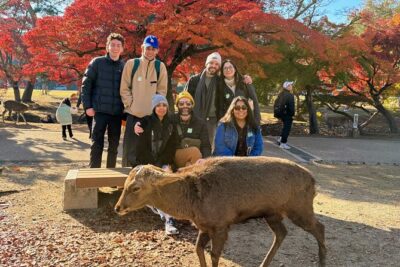 ★ 5.0World Heritage Kyoto & Nara Uji Authentic Matcha ExperienceFrom $1291,573 reviews
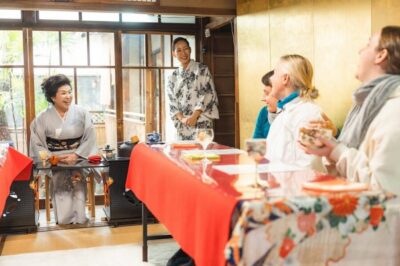 ★ 4.9Table-Style Tea Ceremony at a Kyo-MachiyaFrom $451,211 reviews
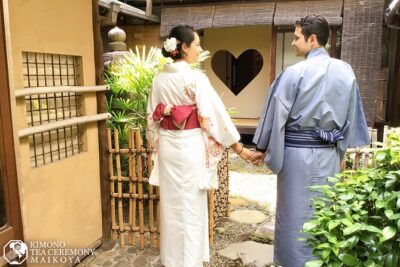 ★ 5.0Kimono Tea Ceremony at Kyoto Maikoya, NISHIKIFrom $65911 reviews
 ★ 5.0Arashiyama Bamboo Forest, Monkeys, Matcha & Temple TourFrom $53759 reviews
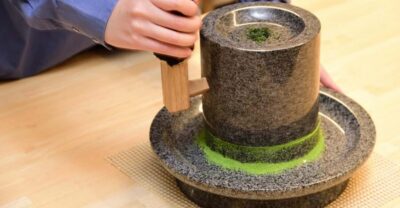 ★ 4.9Tea Museum Tickets and Matcha Grinding ExperienceFrom $23739 reviews
Browse the lists this tour appears in