
Reviewed · KYOTO SAMURAI & NINJA EXPERIENCES
Kyoto: Samurai Ninja Museum guided tour
Kyoto has a way of making legends feel real. This Samurai Ninja Museum guided tour turns samurai and ninja history into hands-on fun in just one hour. I like the structure, museum first, then action with shuriken throwing and dress-up. I also appreciate that the history explanations stay clear, with guides such as Mami, Miu, Sayo, Aya, and Akiko showing up in the feedback again and again.
One thing to consider, though: the whole experience is short. If you want a long, quiet gallery-style visit, this is more of a do-something tour than a slow wander. Also, it does not include transportation, so you will need to get yourself there and back.
Key Things That Make This Tour Fun and Practical
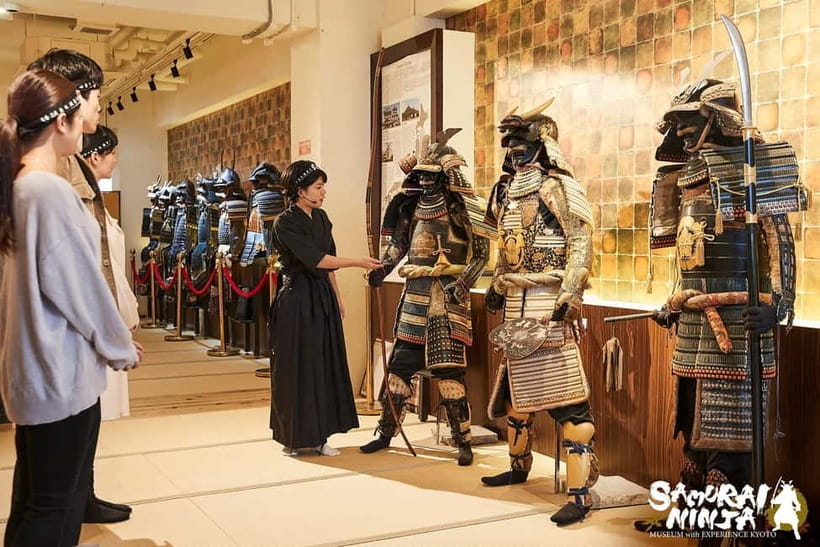
- Skip-the-line entry included, so you spend less time queuing and more time doing
- Small-group format (limited to 10 per group) with an overall cap mentioned as 30
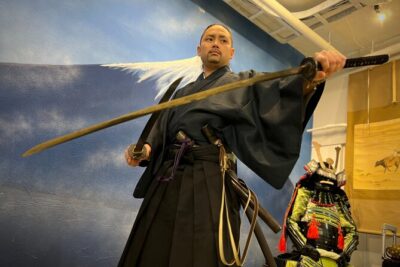
- Dress up like a samurai, including wearing a real-style helmet and holding a replica sword
- Hands-on ninja practice, including shuriken throwing plus a ninja fukiya activity
- Katana practice is part of the promised experience, not just a lecture
- English-speaking guides, praised for clear explanations and engaging the group
Why This Samurai Ninja Museum Tour Works in Kyoto
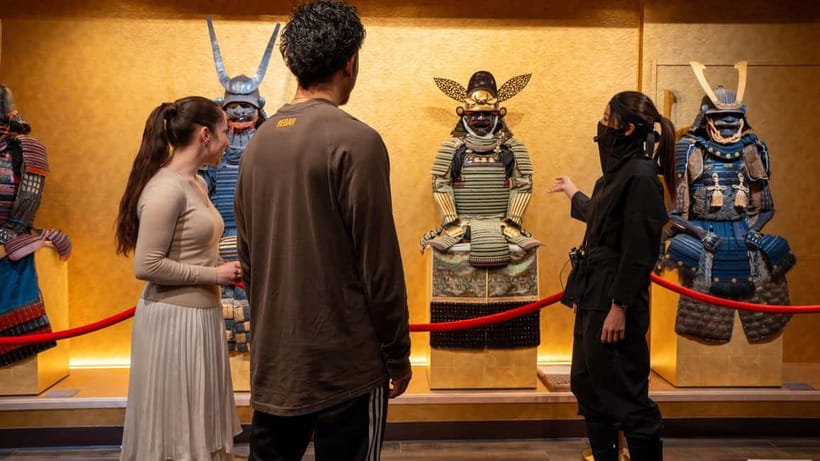
Kyoto is full of temples and timeless streets, but not every hour needs to be quiet. This tour gives you a different kind of cultural window, where you learn the samurai and ninja idea through tools, costumes, and guided storytelling.
The museum concept is simple. You are not just looking at artifacts behind glass. You are handling replicas, trying a throwing technique, and seeing how the roles of samurai and ninja fit into Japanese history across eras. That hands-on angle matters because it makes the facts easier to remember. After a short session, you leave with mental pictures, not just notes.
The other reason this tour feels efficient is the time box. At 1 hour, you can slot it between more classic Kyoto sights without derailing your day. And since the format is small, you usually get interaction instead of being lost in a crowd.
You can also read our reviews of more guided tours in Kyoto


The 1-Hour Flow: Museum Tour Plus Samurai Dress-Up
Most of your time starts inside the Samurai Ninja Museum, where you get a guided walk through the displays. This is not a random walkthrough. The guide connects what you see to the broader story, like how samurai and ninja operated in Japanese society and why their images stuck.
Then you hit the fun part: the samurai dress-up. The experience is described as including armor you can wear, a real samurai helmet, and holding a replica sword. That matters more than it sounds. When you put on helmet and gear, the whole topic stops feeling abstract. Even if you only wear it briefly, it changes how you interpret the weapons, training, and aesthetic choices you see in the museum.
I also like that the dress-up is paired with explanation. Guides such as Mami and Miu are repeatedly described as giving detailed historical context, so you are not just posing for photos. You are hearing what the equipment represented.
One practical note: because it is hands-on, you may want to wear something comfortable. Museum lighting and activity corners can be tight, and you will be moving around. Keep your plan simple and you will enjoy it more.
Shuriken Throwing: The Activity Everyone Remembers
The headline activity here is ninja star (shuriken) throwing. You get the chance to do it as part of the guided program, and the feedback is consistent that this is a satisfying finish. People describe it as fun for kids and adults, and several guides get praised specifically for ending the tour with a good, structured throwing session.
Why does this work so well? Because throwing is immediate learning. You can understand the idea in minutes, not hours. The guide can correct your stance or hand position on the spot, and suddenly you are experiencing what the tool is for, even in a controlled, replica format.
Also, shuriken is one of those subjects that sounds like pure fantasy until you see how it is presented in the museum. The throwing moment helps you separate myth from practice. It is not about becoming a ninja. It is about understanding the concept.
If you are the kind of person who likes a clear payoff, you will probably like this part a lot. And if you are traveling with teenagers, there is usually enough energy here to keep them interested without turning it into a lecture.
Katana Lesson and Ninja Fukiya: More Than Just Costume Photos
The tour description also promises other hands-on experiences, including a katana lesson and using a ninja fukiya. These are valuable because they round out the theme. Samurai gear and ninja tools are often talked about in separate lanes, but this museum experience tries to show both under one roof.
A katana session, even if it is short, can help you understand what makes the sword culturally significant beyond its movie look. The museum guide can likely connect it to training, discipline, and how weapons were part of a wider social role. It also gives you a reason to pay attention while viewing the displays earlier in the tour, because you know you will get hands-on later.
The ninja fukiya piece is a nice contrast. Instead of focusing only on blades and stars, you also get a tool associated with stealth and surprise. That variety keeps the hour from feeling repetitive. It also gives you more chances to interact, which is a major reason this tour earns strong scores.
One honest consideration: with a 1-hour duration, every activity cannot be super long. Expect quick, guided tries rather than a full training course. If you want a deep weapons-training experience, you will need a longer class elsewhere. If you want a compact taste with guidance, this fits the bill.
Guides Make the Difference, and the Feedback Names Them
A tour can have great activities, but the guide is what turns them into learning. This museum tour is repeatedly praised for English explanations and audience engagement.
Names that come up in the feedback include Mami, Miu, Sayo, Aya, Akiko, Ko, Taka, Tepe, Taku san, and Jukia. What you can take from that pattern is simple. This is not the kind of tour where you get a generic script and move on. People specifically mention guides explaining in detail, answering questions, and keeping the group involved.
Some reviews also describe guides leaning into the theme, even dressing in a ninja-like look. That is not guaranteed, but it points to a broader strength: the guides treat it like a show with a purpose. They ask questions, prompt interaction, and use the setting to keep energy up.
If you are traveling with kids, this matters even more. You want someone who can explain without talking down. The balance described in the feedback, fun plus facts, is exactly what you should look for when choosing a short Kyoto activity.
You can also read our reviews of more museum experiences in Kyoto



Price and Value: Is $28 for 1 Hour Worth It?
At $28 per person for a 1-hour experience, the key question is what your money buys. Here, your ticket includes entry to the museum, a guided English tour, and hands-on activities such as samurai dress-up and shuriken throwing. The tour format also includes skip-the-line entry, which saves time on a day when Kyoto crowds can slow everything down.
So where does the value come from?
- You are paying for guidance, not just museum access. The guide connects displays to story and helps you do the interactive parts.
- You are paying for the props and coaching, not only for a seat. Getting to handle or practice is the point of this experience.
- You are paying for time efficiency. One hour is short enough to fit into almost any Kyoto plan.
Where the value can feel off is when expectations do not match the format. One piece of feedback mentions that someone felt the price was like an upcharge compared with a standard museum visit. That is a reminder to check what is included for your particular booking and to understand that this is a guided, interactive session, not just passive entry.
If you like hands-on learning and you want an easy win for an hour, this price tends to make sense. If you prefer a long museum stroll, you might feel shortchanged. Choose based on your style.
Logistics That Matter in Real Life (Without the Fuss)
This is a museum activity in Kyoto, and it is wheelchair accessible. The group size is described as small, limited to 10 participants, with a maximum of 30 travelers mentioned for the overall activity size. Practically, that usually means you can see what is going on and hear your guide better than in a huge tour.
It lasts 1 hour, and there are starting times based on availability. Since transportation is not included, build in time for getting there and returning to your next stop.
Also, the tour includes skip the ticket line, which is one of those small details that can dramatically improve your experience in Kyoto. You arrive ready to participate, not ready to wait.
If you care about planning flexibility, the booking includes free cancellation up to 24 hours in advance and a reserve now and pay later option.
Who Should Book This Samurai Ninja Museum Tour?
This tour is a strong fit if you want:
- A family-friendly Kyoto activity where kids can do something, not just watch
- A short, guided introduction to samurai and ninja themes
- Hands-on novelty like helmet dress-up and shuriken throwing
- A structured hour led by an English-speaking guide who keeps the group engaged
It may be less ideal if you want:
- A quiet museum day with lots of independent time
- A deep, multi-hour weapons workshop
- Transportation handled for you
If you are building a Kyoto itinerary with temple stops and want one change of pace that still feels grounded in culture, this works nicely.
Should You Book It?
I think you should book this tour if you enjoy guided, interactive experiences and you like your history with action. The combination of museum entry, an English-speaking guide, and hands-on activities like samurai dress-up and shuriken throwing is exactly the kind of value that feels worth it in a city where time is precious.
If you are the type who prefers to read, wander, and linger, then you might enjoy the museum more on your own. But if you want a ready-made experience that gets you participating within minutes, this one is hard to beat for an hour in Kyoto.
FAQ
How much does the Kyoto Samurai Ninja Museum guided tour cost?
The price is $28 per person.
How long is the tour?
The tour duration is 1 hour.
What activities are included during the tour?
The tour includes museum entry and a guided museum tour, plus samurai costume dress-up and a ninja star throwing experience. The tour description also indicates hands-on activities such as wearing samurai armor, a katana lesson, and using a ninja fukiya.
Will the guide speak English?
Yes. The tour is listed as having an English-speaking live tour guide.
Does the tour help me avoid the ticket line?
Yes. The tour includes skip-the-ticket-line entry.
How big is the group?
It is a small group limited to 10 participants. The activity also notes a maximum of 30 travelers.
Is there free cancellation?
Yes. You can cancel up to 24 hours in advance for a full refund.
More Guided Tours in Kyoto



More Tours in Kyoto





More Tour Reviews in Kyoto
Not for you? Here's more nearby things to do in Kyoto we have reviewed











Kyoto Samurai & Ninja Experiences, compared.
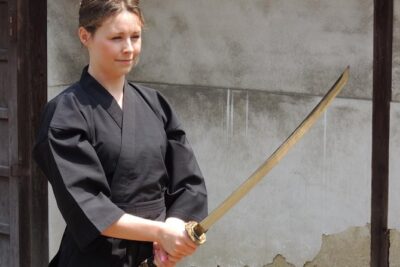 ★ 5.0Kyoto Samurai ExperienceFrom $1191,294 reviews
 ★ 4.9Kendo and Samurai Experience with Uniform and GearFrom $103815 reviews
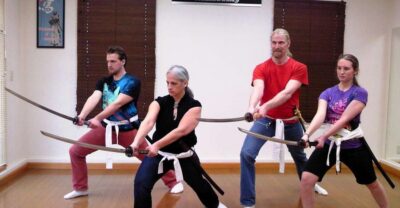 ★ 4.9Samurai Sword Class by Experts in Traditional ArtsFrom $64657 reviews
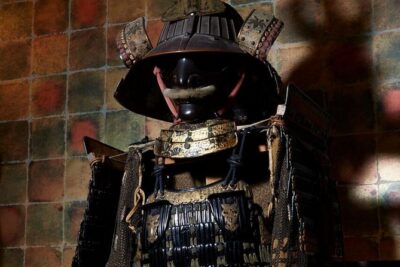 ★ 4.5Skip the lines Basic Ticket at SAMURAI NINJA MUSEUM KYOTOFrom $28632 reviews
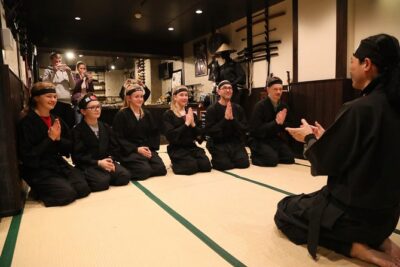 ★ 5.0Ninja 1-hour Hands-on Lesson by Japanese master in Kyoto -EntryFrom $80489 reviews
 ★ 4.8Ninja Weapon Forging ExperienceFrom $148478 reviews
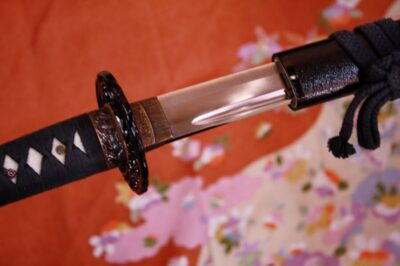 ★ 4.5Samurai Kenbu Traditional Sword Dancing ShowFrom $32426 reviews
 ★ 5.0Samurai Training with Modern day Musashi in KyotoFrom $132256 reviews
Browse the lists this tour appears in