
Reviewed · KYOTO CRAFT & CALLIGRAPHY WORKSHOPS
Calligraphy Experience in Kyoto Townhouse
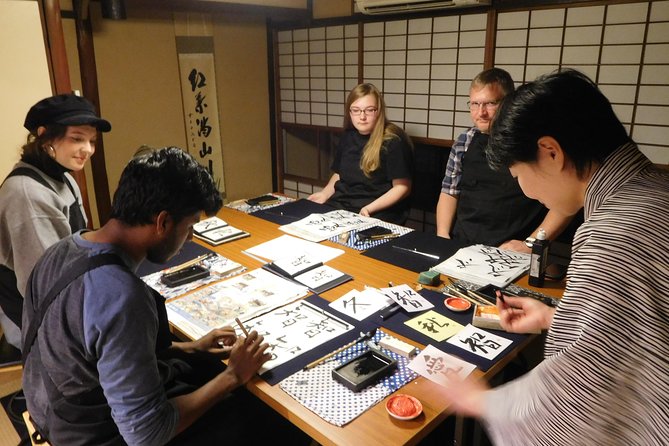
Ink and silence, in a Kyoto townhouse. I like the Zen-rooted way this kanji calligraphy workshop is taught, and the fact you get hands-on time in a traditional wooden home in Shimogyo Ward.
My other favorite part is the teaching style from Toshiko, the instructor, who gives clear, encouraging feedback so beginners can produce something they can actually be proud of. The one possible drawback is the class is only about 1 hour 30 minutes, so it is more about your first great strokes than turning you into a calligraphy expert, even though you will leave with a take-home piece.
Key highlights worth planning around
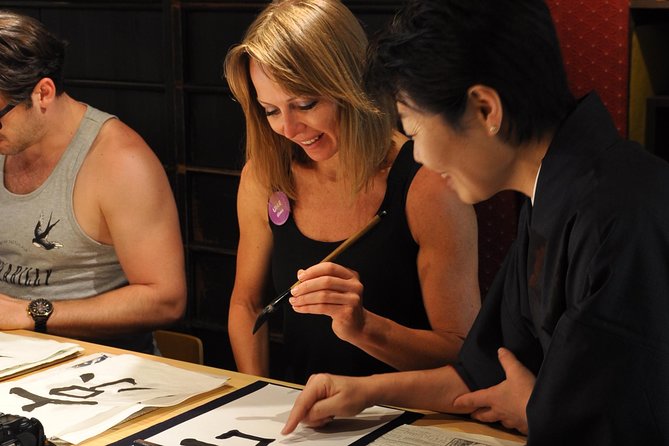
- A traditional townhouse you can actually enter inside an 80-year-old wooden home, a rare glimpse of Old Kyoto
- Zen roots first, skills second history and background set the tone before you pick up the brush
- Small-group class (max 5) so you can get personal guidance without feeling rushed
- Toshiko’s demonstration and feedback makes the difference for first-timers learning brush control
- Everything you need is included ink, paper, and calligraphy tools rental, so you show up empty-handed
- You leave with your kanji artwork a souvenir that is part practice, part memory
Inside an 80-year-old Kyoto townhouse
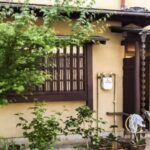
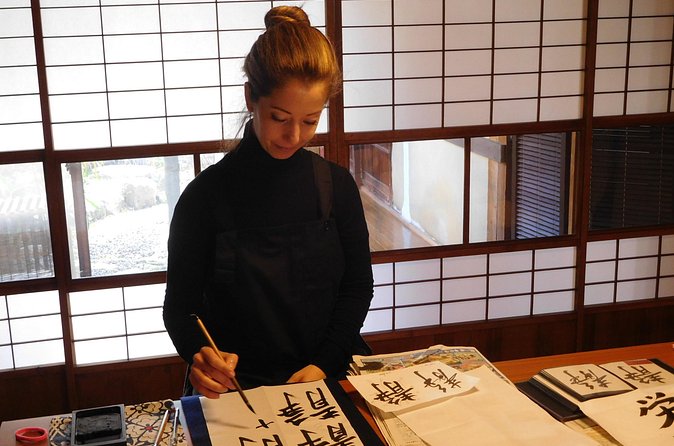
One reason this class feels special is the setting. You are not doing calligraphy in a modern studio. You step into an 80-year-old traditional wooden townhouse, the kind of place you would usually walk by without ever seeing the inside.
The room matters. Wood, natural light, quiet corners, and the simple rhythm of a class help you slow down. Calligraphy is supposed to be meditative, and that is easier when the environment is calm and lived-in rather than loud and brightly lit.
I also love that the townhouse experience is tied directly to the art. You are not just watching Japanese culture from a distance. You are practicing one of Japan’s classic crafts in the same kind of space where people once wrote, studied, and lived. It makes your finished kanji feel more grounded, like it belongs to Kyoto, not just to a tourist checklist.
A small practical note: the workshop ends back at the meeting area, so you are not dealing with a long transfer or complicated routing afterward. It is a self-contained experience, which helps if you are trying to fit Kyoto into a busy schedule.
You can also read our reviews of more tours and experiences in Kyoto.

Toshiko and the Zen-rooted story behind kanji
Before the brush hits the paper, you get the background and context that make Japanese calligraphy click. The workshop introduces the history and background of the art form, including its Zen roots. That is not filler. It changes how you approach your strokes.
Japanese calligraphy is often described as writing letters with black ink on white paper, but the technique is where the magic happens. Even if kanji looks complicated from afar, you are taught to see it as something you draw, not something you copy perfectly. That framing helps beginners relax.
This is where Toshiko’s role really stands out. The class includes demonstration, and then you get hands-on help while you practice. The vibe is encouraging rather than intimidating, and that matters when you are holding a brush for the first time.
You also learn how the form of the artwork can vary from person to person. That is important because it quietly removes pressure. Your job is not to produce a perfect character. Your job is to make a strong effort and learn the basics by the end of the lesson.
If you care about cultural context, this is one of those activities where you can feel the connection between art and mindset. You are learning technique, but you are also being guided into a more peaceful pace, the kind that makes the final result satisfying.
How the workshop works in 3 clear phases
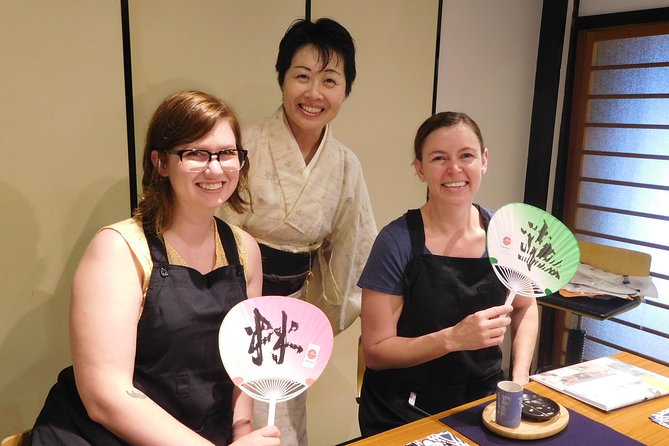
The lesson runs about 1 hour 30 minutes, and it follows a simple structure. That keeps it doable even if you are jet-lagged or short on time.
First comes an introduction. You learn essential knowledge about calligraphy, including its background and Zen associations. This is where you get the mental setup, the idea that careful attention and calm breathing are part of the craft, not distractions.
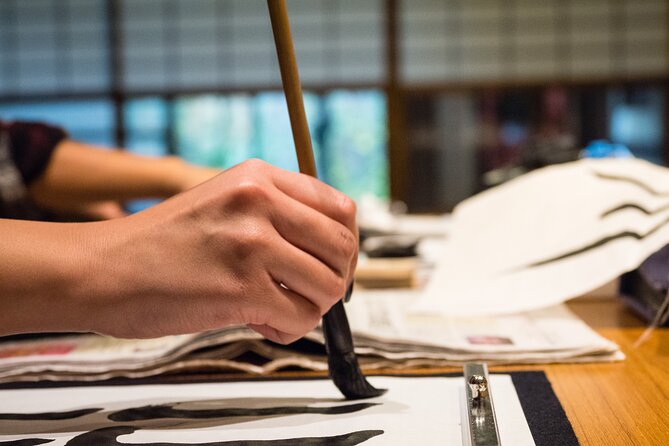
Next is the demonstration. Watching someone show basic techniques helps you understand what to copy and what to avoid. In calligraphy, tiny differences in brush angle, pressure, and stroke order can change how the character looks. A live demonstration speeds up your learning more than any photo can.
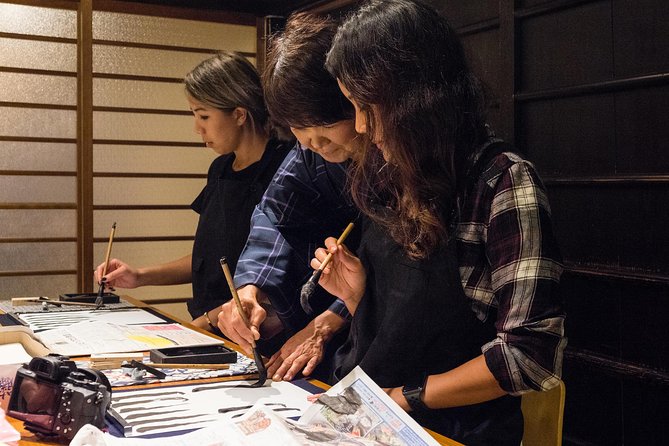
Then you get your hands-on practice. You create your own kanji calligraphy art work during the class. You receive instructive feedback from the teacher as you go, which is the best way to correct mistakes early, before they turn into bad habits.
Supplies are handled for you. Materials like ink and paper are included, along with calligraphy utensils rental. That means you do not have to hunt for tools in Kyoto beforehand. You can just show up, meet the teacher, and focus on the strokes.
A realistic expectation: you will probably improve quickly, but you are not being asked to memorize calligraphy for life. The goal is to master the basics enough to make a souvenir piece that feels like yours.
Your take-home kanji artwork, and how to make it meaningful
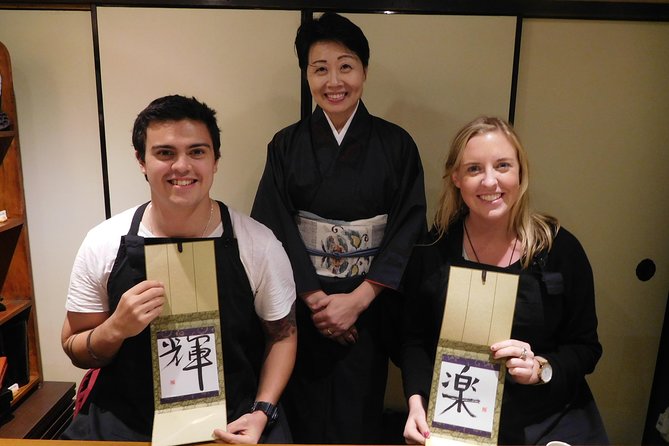
Leaving with your finished work is a huge part of the value here. The goal is to take home your Japanese kanji calligraphy art work, not just practice for practice’s sake.
The nice thing is that your piece becomes a souvenir with a story. It is not a postcard. It is not a mass-produced “Kyoto” item. You made it in an old townhouse, with a teacher’s guidance, using traditional tools.
To get the most out of that souvenir moment, think about what you want your character to communicate. The workshop teaches basics, but it also emphasizes that calligraphy varies by person. That means your style will show through, even as a beginner.
During practice, focus on the process more than the final look. Your teacher feedback helps you adjust stroke control. If you get one area wrong, you can correct it and still build confidence as you continue.
One practical tip for your enjoyment: wear comfortable clothes. You will be leaning in, concentrating, and spending time with ink and paper. If you can stay comfortable, your concentration will come easier, and your strokes will look better.
This is the kind of activity where the “success” is real, even if you start out nervous. You end with an actual piece to take home, which you can frame or keep as a personal Kyoto memory.
Location and timing in Kyoto’s Shimogyo Ward
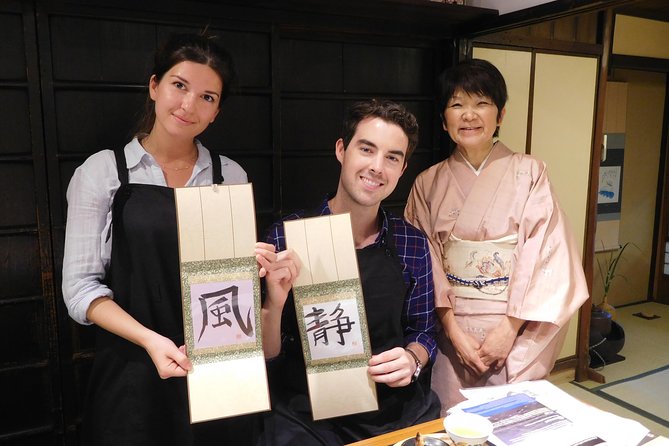
The meeting point is at 605 Nishidachō, Shimogyo Ward, Kyoto, 600-8397, Japan. The experience ends back at the meeting point, so you are not left figuring out where to go next with ink on your hands and time running out.
It is also described as near public transportation, which matters in Kyoto. Transit is good, but walking can add up fast if you are hopping between neighborhoods. A nearby meeting point keeps your day smooth.
The workshop runs about 1 hour 30 minutes. That duration is ideal if you want an authentic activity without burning half a day. Calligraphy also benefits from that time window, because you get enough practice to make a take-home piece, but you are not stuck doing it endlessly.
Group size is capped at 5 travelers, which keeps the class cozy. Smaller groups also tend to mean you get more direct attention, especially if you are a true beginner. You might find you are not sitting in a large room with many people, and that helps the meditative tone stay intact.
Booking-wise, it is commonly reserved about 8 days in advance on average. That is your clue to not wait until the last minute, especially if you are traveling during a busy season.
Also, you get a mobile ticket. That is handy because it reduces paper clutter and helps you get to the meeting spot without fuss.
Price and value: what $58.64 really buys
At $58.64 per person, this workshop is not the cheapest thing on your Kyoto list, but it is easy to justify when you look at what you receive.
You are paying for more than a craft activity. You are paying for:
- Time with a teacher, including demonstration and feedback
- Traditional materials like ink and paper
- Calligraphy utensils rental
- A finished kanji artwork you take home
- A small-group format in a real 80-year-old townhouse
If you have ever bought supplies for a hobby, you know tools add up fast. Here, you do not have to plan a shopping trip or bring gear. That can turn an arts-and-crafts activity into a genuinely good value.
You are also getting the “how” of the art form. Calligraphy is not just about the end product. The workshop teaches how to approach strokes and how the art works with Zen principles. That makes the lesson feel more like training than just decoration time.
Group discounts are mentioned too, which can help if you have a friend or family member joining you. If you are traveling with someone who wants a cultural activity that is calm and different from temple-hopping, splitting the cost can feel better.
Balanced expectation: you are unlikely to come out able to write kanji perfectly for every situation. But you will leave with basics, a finished souvenir, and a memorable experience in Kyoto’s older housing style.
Who should book this calligraphy class
This workshop fits best if you want a calm, hands-on cultural experience. If you like activities with a slower pace, where you can focus and learn something real, you will likely enjoy it.
It also suits beginners. The workshop is set up so you can make something beautiful even if kanji looks hard at first. The teaching approach treats the character like drawing rather than magic.
It can be a nice family option too. Participants under 18 must be accompanied by an adult. Even if the adult does not participate, there is a viewing fee described in the rules, so it can work for mixed skill levels.
Who might consider skipping: if you are the type who wants a long skill-building course, this one is short. You will get a lot done in 1 hour 30 minutes, but it is still a first lesson, not an all-day apprenticeship.
If you are short on time in Kyoto, this is one of the more efficient ways to add authenticity to your schedule. You do not need special preparation, and the result follows you home.
Should you book Ami Kyoto’s calligraphy in a Kyoto townhouse?
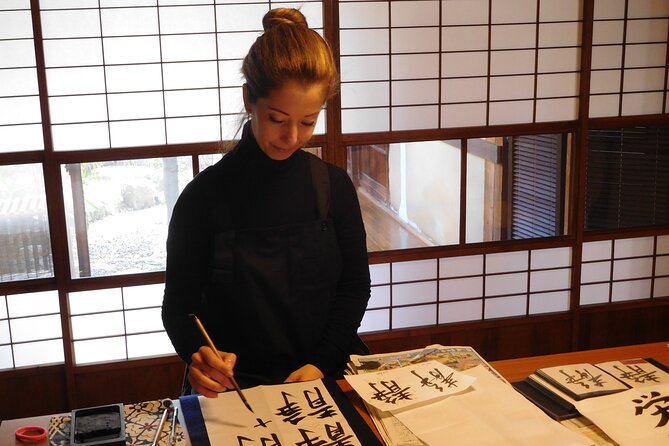
If you want a real Kyoto experience with a calm vibe, this is a strong choice. The townhouse setting in Shimogyo Ward, the Zen-rooted teaching, and the chance to take home your finished kanji make it feel worthwhile even for first-timers.
Book it if you can handle 90 minutes of focused practice and you want a souvenir with meaning. Skip it if you are mainly looking for sightseeing thrills or you want an extended, advanced training session.
In short: if you want to slow down and write something with your own hand in an old wooden Kyoto home, this workshop is a practical, memorable way to do it.
FAQ
How long is the Kyoto calligraphy workshop?
It runs for about 1 hour 30 minutes.
What is the price per person?
The price is $58.64 per person.
Where do I meet for the class?
You meet at 605 Nishidachō, Shimogyo Ward, Kyoto, 600-8397, Japan.
What is included in the workshop price?
Materials such as ink and paper are included, plus a rental fee for calligraphy utensils.
Do I need to bring supplies or do you provide them?
You do not need to bring supplies. The workshop includes materials like ink and paper, and calligraphy utensils are provided via rental.
What is the class size?
The experience has a maximum of 5 travelers.
Are there any rules for kids or teens?
Participants under 18 must be accompanied by an adult. If the adult does not participate, a viewing fee of 3,500 yen per person will be charged.
More Tour Reviews in Kyoto
Not for you? Here's more nearby things to do in Kyoto we have reviewed




Kyoto Craft & Calligraphy Workshops, compared.
 ★ 5.0Chopsticks Making Workshop in Gion with Engraving OptionFrom $15958 reviews
 ★ 4.8Authentic knife making experience at a blacksmith in KyotoFrom $154350 reviews
 ★ 5.0Calligraphy class at Buddhist temple in city centerFrom $55167 reviews
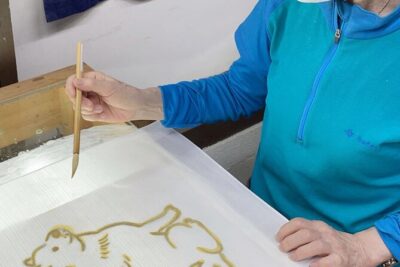 ★ 5.0Roketsu dyeing experience: M course Roketsu Dyeing ExperienceFrom $25163 reviews
 ★ 4.9Japanese Archery Workshop with Experienced InstructorFrom $38132 reviews
 ★ 4.8Japanese Calligraphy ClassFrom $5189 reviews
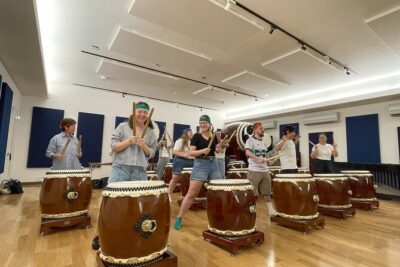 ★ 5.0TAIKO, Japanese Drum Experience from KyotoFrom $11586 reviews
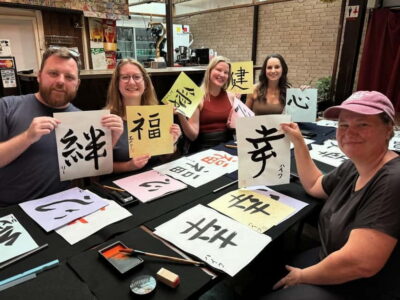 ★ 4.7Japanese Calligraphy WorkshopFrom $3284 reviews
Browse the lists this tour appears in