
Reviewed · KYOTO CRAFT & CALLIGRAPHY WORKSHOPS
Kyoto: Japanese Calligraphy Class
Kyoto writes back, one brushstroke at a time. I love the English instruction that makes the basics click fast, and I love that you leave with a personal Kanji scroll and take-home creations. It also helps that the studio is in front of Kyoto station, so this class fits cleanly into a normal sightseeing day.
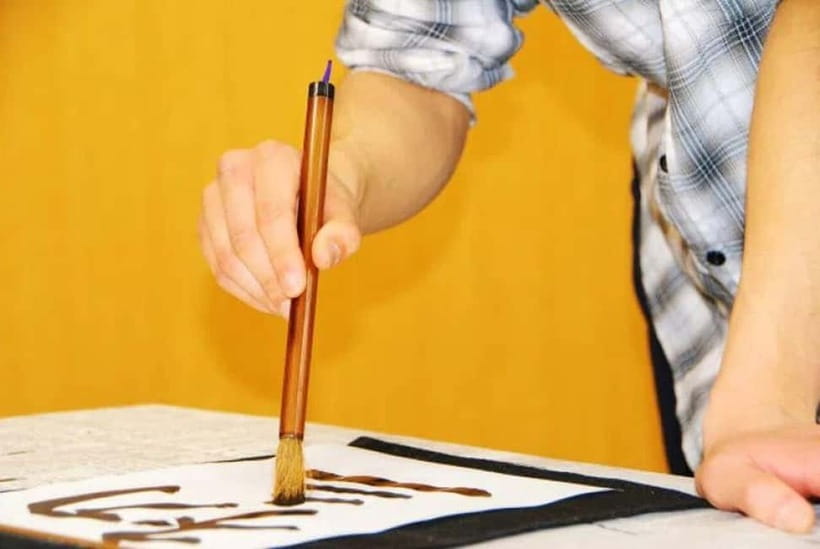
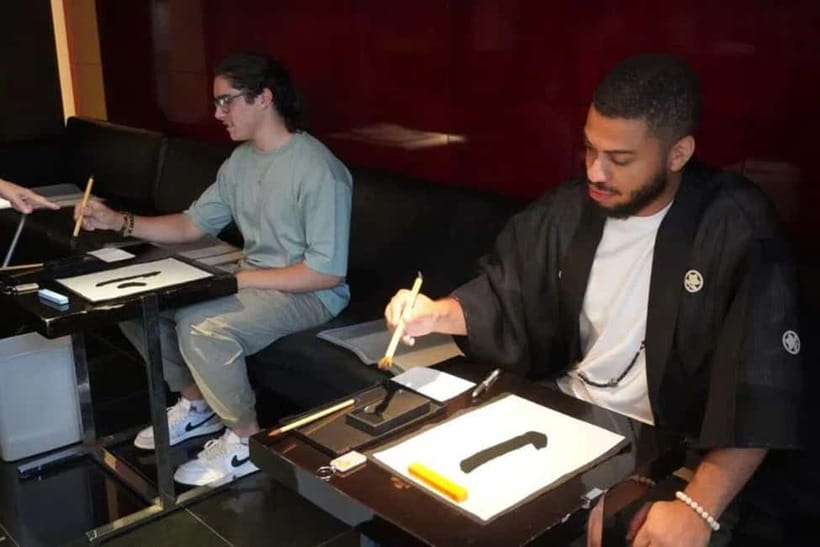
You’ll start with a short talk on how to use a brush and apply ink, then you practice basic characters before moving to more personal writing. In the past sessions I reviewed, instructors like Rena, Lana, Waka, Yoshia Kobayashi, and Kou have led classes with a patient, hands-on feel, including guidance on how to place strokes correctly.
One thing to plan for, it is a 1 hour experience, so you’ll focus on getting your strokes right and making keepsakes, not mastering calligraphy for advanced writing. Also, it’s not suitable for children under 5.
Key Points You’ll Care About
- Kyoto station location means easy arrival and quick start, even if your day runs tight.
- English instruction is built in, so you can enjoy the art without guessing the directions.
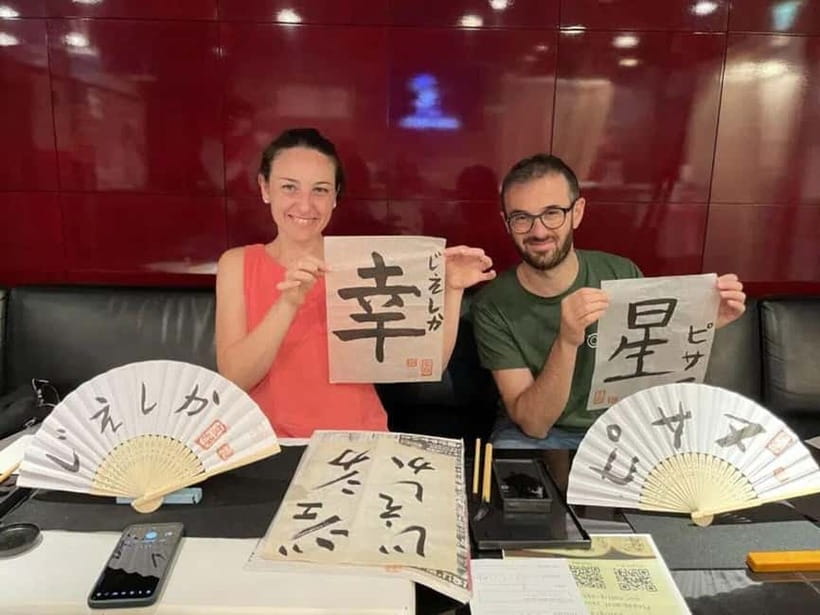
- You write a Kanji scroll using the characters you practice during class.
- You write your name and a favorite word, with staff help choosing possible kanji and meanings.
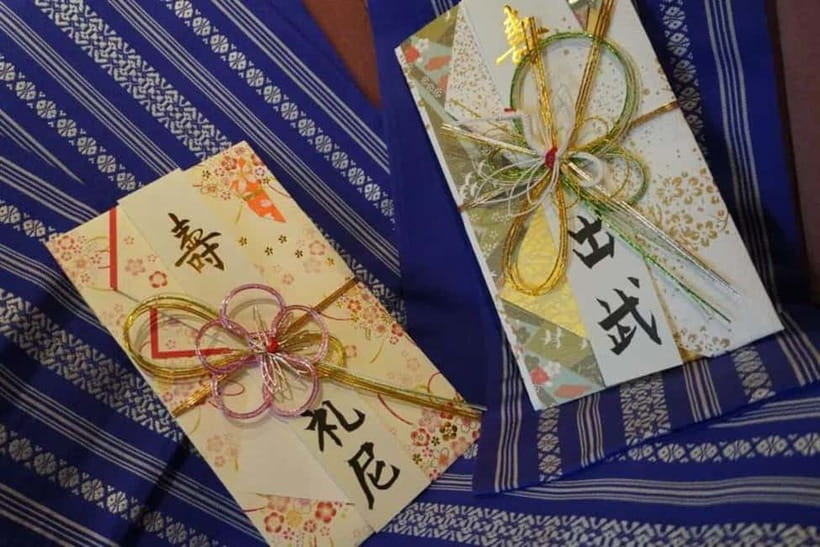
- Take-home souvenirs can include items like a fan, postcard, picture frame, or stationery.
- Private or small-group options are available if you want a calmer pace.
Kyoto Station to Ink and Brush in One Hour
If you’re using Kyoto as a base and you want a break from temples and ticket lines, this calligraphy class is a smart switch. The studio is in front of Kyoto station, so you do not need a long detour or complicated transport. That location matters. When your class starts right near a major hub, you can build it into a normal walking day without turning it into a logistics project.
The time is also realistic. It’s about 1 hour, so you’re not signing up for half a day just to try a new craft. You’ll get a focused lesson, make your items, and still have time to continue your Kyoto route right after.
More Kyoto temple visits, food tours, tea experiences, and day trips to compare


What You’ll Make: Scroll, Name, and Portable Keepsakes
The best part is that you do not just watch a demo. You’re actively writing, and you get the results.
Here’s the core of what you’ll create:
- A scroll featuring basic Kanji characters you practice in class.
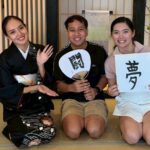
- Your own name in Kanji (and alphabets), plus a favorite word in Kanji and alphabets.
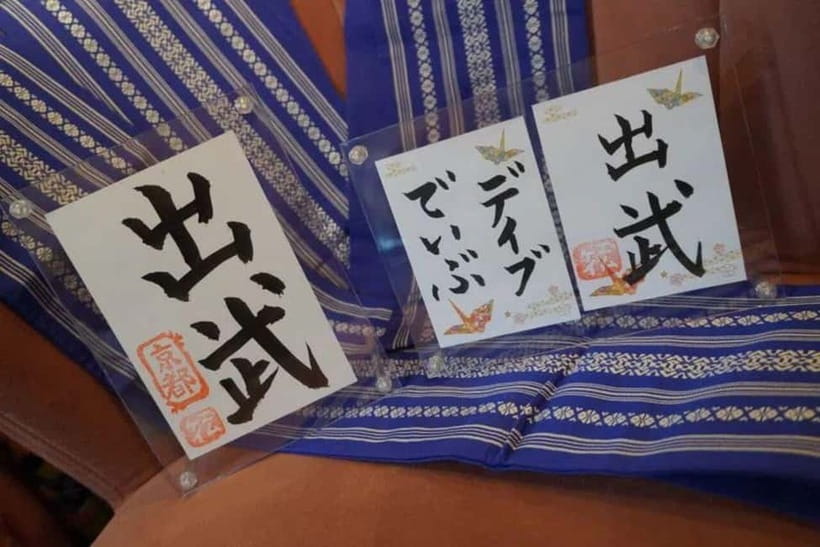
- Additional take-home souvenirs, depending on what your class session offers (examples include a Japanese fan, picture frame, postcards, and stationery).
This is where the class has real value. At home, you can buy a calligraphy kit, but you cannot easily get correction on brush control, ink consistency, and stroke order. In this class, you get feedback while you’re making your own writing, then you take the finished pieces with you.
A Fun Detail: Staff Help With Kanji Choices
A cool moment is how staff assist with possible kanji characters and their meanings when you write your name and a favorite word. That’s not just decorative. Kanji is tied to meaning, sound, and cultural nuance, so the choices you make here can feel personal rather than random.
They may work with examples like:
- Brian can be written as 武礼安, where each character carries meaning tied to martial, courtesy, and peace.
- Liz can be written as 梨図, linking pear and painting.
You do not need to understand kanji to enjoy this. You just bring your name and a word, and the instructor helps you land on characters that fit.
How the 60-Minute Lesson Actually Flows
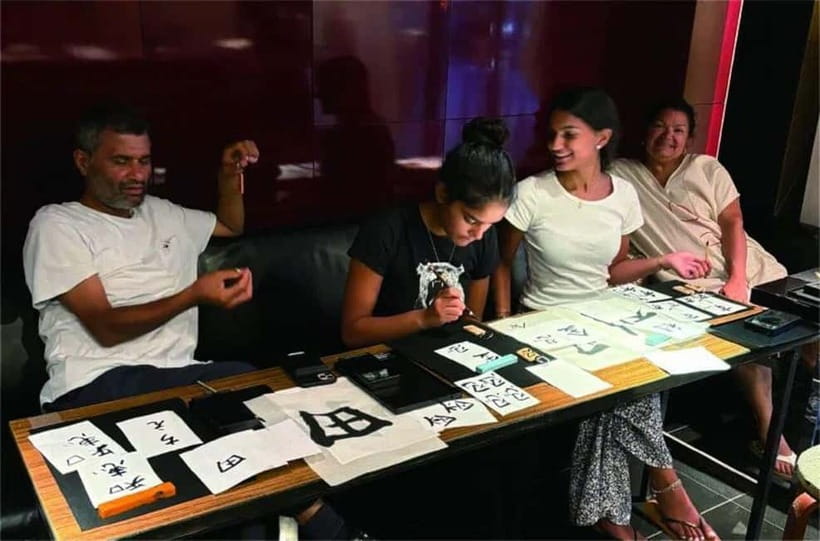
In one hour, the class runs like a tidy workshop with clear steps. Expect a rhythm that keeps you moving, not stuck.
Step 1: Brush and Ink Basics (the quick foundation)
The staff give you a lecture on:
- how to hold and use the brush
- how to apply ink
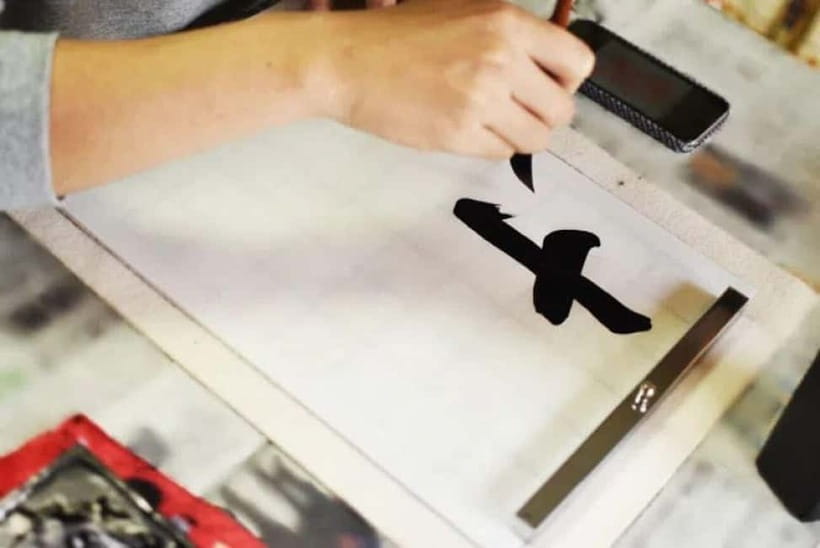
This is where calligraphy suddenly becomes doable. Brushwork is not just art, it’s technique. Small changes in pressure, timing, and angle can completely change the look of the strokes. The class starts by setting you up so you’re not fighting the tools while trying to write.
Step 2: Learn Basic Characters, Then Write a Scroll
Next comes practice. You begin with basic characters, then you create a scroll using the Kanji you write during class. That scroll is your tangible progress marker, a “first version” you can keep and show later.
This part is also the fastest confidence builder. You’ll start with simpler characters first, which gives your hand a chance to learn the brush’s behavior before you attempt your own name.
Step 3: Write Your Name and a Favorite Word in Kanji
After the basics, you move to the personal writing portion. You will write:
- your name in Kanji characters and alphabets
- your favorite word in Kanji and alphabets
The staff support you with possible kanji and their meanings, so you are not stuck staring at a blank paper. You’re also getting guidance that helps you correct stroke placement as you go.
In past sessions, people specifically liked the way instructors handled questions and stroke adjustments at a close, supportive pace. One-on-one help comes up in the feedback, which makes sense in a workshop like this, because brush technique is hard to learn from a slideshow.
Step 4: Make Extra Souvenirs and Take Everything Home
Then comes the fun finish. Depending on the class offering, you make additional items you can take with you, like:
- a fan
- postcards and stationery
- a picture frame
- or other small craft pieces
This is worth caring about because it changes the class from a single keepsake to a full set. If you’re the kind of traveler who likes sending notes back home, a calligraphy postcard or stationery can be far more useful than a one-off souvenir.
English-Friendly Instruction That Keeps You Relaxed
Japanese calligraphy can look intimidating, especially if you cannot read kanji. The good news here is that the instruction is in English. That means you can focus on the technique and meaning without getting lost in translation.
And based on what’s been shared about the teaching style in past sessions, the best ingredient is how patiently the instructors explain the steps, then help you correct your strokes as you try. People also noted that the staff took time to answer lots of questions about writing and language culture.
That culture context is not fluff. It helps you understand why calligraphy can feel different from regular handwriting. Strokes have intent. Brush control changes meaning and mood. When you learn the “why,” your final piece feels more than decorative.
Location and Timing: How to Slot This Into a Kyoto Day
Because it’s by Kyoto station, you can treat this class like a “checkpoint activity.” Start it early in the day, or do it after a morning temple sweep. Either way, you’re not forced into a complicated commute.
The only timing detail to keep in mind is that the class duration is about 1 hour, and it may vary slightly depending on how quickly people finish. So if you have a train to catch, you’ll want a reasonable buffer. Calligraphy is hands-on, and you’ll likely want to take your time during the writing steps.
Price and Value: Is $51 Worth One Hour of Calligraphy?
Let’s talk value in plain terms. At $51 per person for about 1 hour, the class is not cheap in the “souvenir shop” sense. But it’s a fair deal when you compare what you actually receive.
You get:
- instructor time and guidance (in English)
- use of brushes, ink, and washi-paper
- a finished scroll made from what you practice
- extra take-home craft items (fan, postcard, stationery, or similar)
The big value driver is feedback. If you tried to do this on your own, you’d spend money on supplies and still struggle with stroke technique. Here, you’re paying for a structured lesson plus the result, and you get to take it home.
If you like experiences that produce something you can use, this is a strong choice. A scroll in a tube is nice, but a postcard or stationery kit you make yourself is even better.
Who This Kyoto Japanese Calligraphy Class Suits Best
This class is a great fit if:
- you want a creative activity in Kyoto that doesn’t require prior knowledge
- you want something calmer than a busy walking circuit
- you like taking home a skill-based souvenir, not just a purchased item
- you travel with friends or family and want a shared activity near a major transit hub
It may not be the best fit if:
- you expect a long, slow art masterclass
- you want a deep dive into advanced calligraphy styles (this is a starter-to-keep version)
- you’re traveling with a very small child, since it’s not suitable for children under 5
Practical Tips Before You Go
These are small things that can make your session smoother, even with English instruction.
- Bring a name and one favorite word ready to go. If you have two favorite words, pick one so staff can help you decide quickly.
- Wear something comfortable for sitting and writing. Ink and washi-paper can be a little messy, and you’ll enjoy it more if you’re not worried about your clothes.
- If you’re sensitive to strong smells, know that ink is part of the experience. It’s not overwhelming for most people, but it is present.
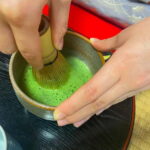
One more note: a couple of people mentioned a relaxed atmosphere and even a treat like matcha during their time in the studio. That’s not guaranteed from the basic details you have, but it hints that the setting feels more like a friendly workshop than a strict classroom.
Should You Book This Kyoto Calligraphy Class?
Yes, I’d book it if you want a high-value, low-stress Kyoto activity near the station that produces real keepsakes. The English instruction, the hands-on stroke correction, and the fact that you leave with a scroll plus additional souvenirs make it an efficient use of time.
I’d skip it if you’re looking for an all-day deep art project or if you need a child-friendly option for kids under 5. For everyone else, it’s one of those experiences that adds texture to Kyoto, because you get a piece of the culture in your hands, not just on a postcard.
FAQ
Where is the meeting point for the calligraphy class?
The location is in front of Kyoto station, but the exact meeting point can vary depending on the option you book.
How long is the Japanese calligraphy class?
The class is 1 hour. Starting times depend on availability.
Is there English instruction?
Yes, the instructor teaches in English, and English support is included.
What materials are provided?
You’ll use brushes, ink, and washi-paper, plus you may make certain items that you can take home as souvenirs.
Can I take what I create home?
Yes. You can take your calligraphy products home, including a scroll with the Kanji characters you write, plus additional souvenirs made during the session.
Do I write my name and a favorite word?
Yes. You can write your own name and your favorite word using Kanji characters and alphabets, with staff assistance for possible Kanji and their meanings.
Is the class suitable for young children?
It is not suitable for children under 5.
Is there free cancellation?
Yes. You can cancel up to 24 hours in advance for a full refund.
More Workshops & Classes in Kyoto

More Tour Reviews in Kyoto

Not for you? Here's more nearby things to do in Kyoto we have reviewed







Kyoto Craft & Calligraphy Workshops, compared.
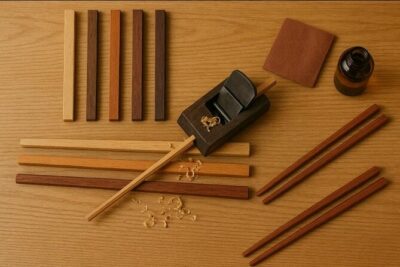 ★ 5.0Chopsticks Making Workshop in Gion with Engraving OptionFrom $15958 reviews
 ★ 4.8Authentic knife making experience at a blacksmith in KyotoFrom $154350 reviews
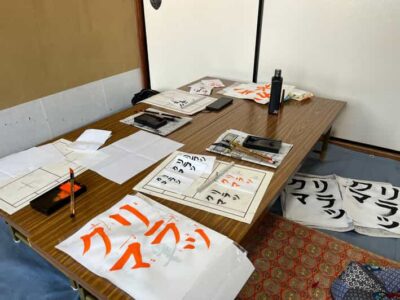 ★ 5.0Calligraphy class at Buddhist temple in city centerFrom $55167 reviews
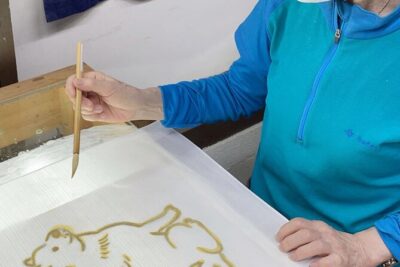 ★ 5.0Roketsu dyeing experience: M course Roketsu Dyeing ExperienceFrom $25163 reviews
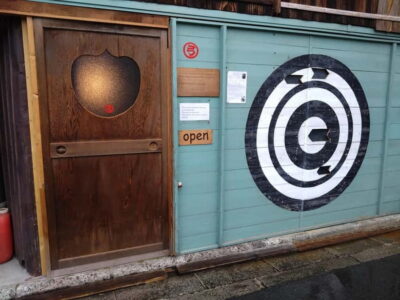 ★ 4.9Japanese Archery Workshop with Experienced InstructorFrom $38132 reviews
 ★ 5.0TAIKO, Japanese Drum Experience from KyotoFrom $11586 reviews
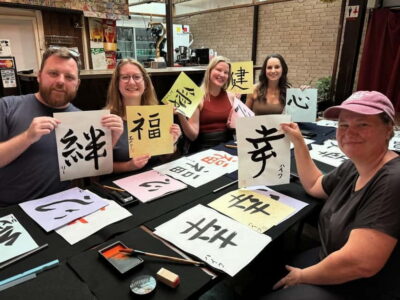 ★ 4.7Japanese Calligraphy WorkshopFrom $3284 reviews
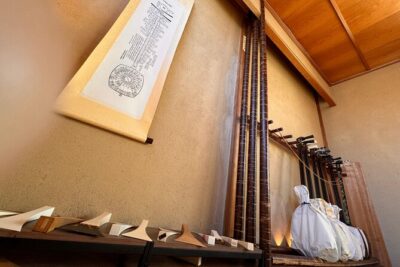 ★ 5.0Shamisen Experience in Kyoto 【Private】From $9982 reviews
Browse the lists this tour appears in