
Reviewed · CONCERTS
Concerts Played with Traditional Instruments in Kyoto
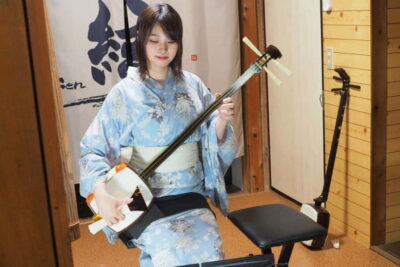
Koto and shamisen, in a real house. That is what makes this Kyoto experience special, starting with a clear introduction to the koto and shamisen before the music begins. I also love the intimate home concert setup at Gen Home Saiin, where traditional sounds land close and personal.
You get a live program, then time for Q&A and photo-taking, so it feels less like a show and more like a conversation. One possible drawback: at about 50 minutes, it is a focused taste, not a long evening, so you will want to plan your day around that fixed window.
The Kyoto Home Concert Setup (Gen Home Saiin)
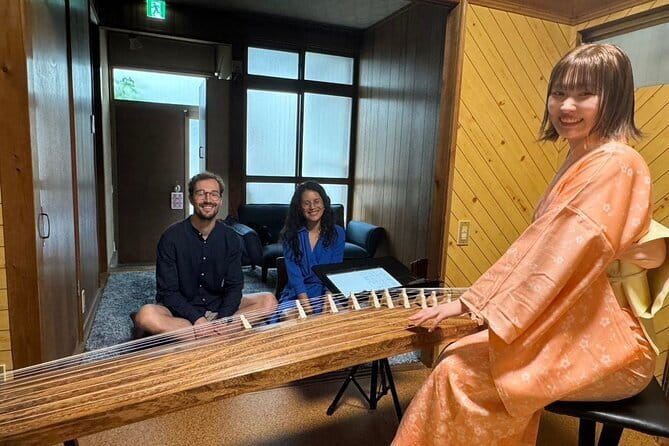
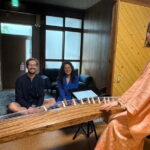
This concert takes place at Gen Home Saiin, a traditional Japanese home that gets turned into a stage for the evening. The setting matters. In a regular venue, music bounces off hard surfaces and you sit at a distance from the performers. Here, the house layout keeps you in the moment, hearing the instruments as something human, not just background ambience.
The experience is also described as private or small group. That usually means fewer barriers. You tend to feel more part of what is happening, especially when the program includes interaction after the main performance. If you like culture experiences that feel personal, this format is a strong match.
Instrument Lessons That Actually Help You Listen
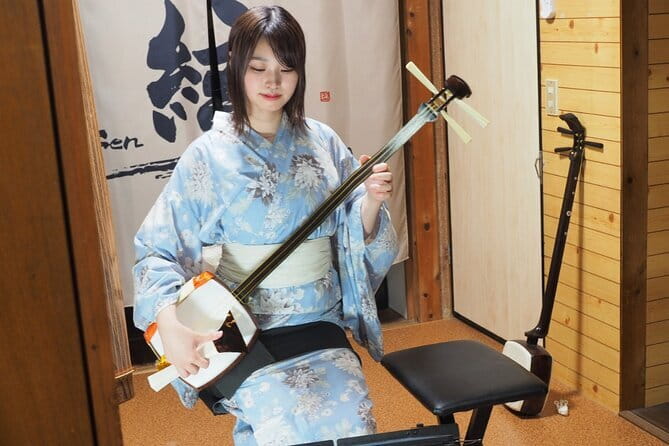
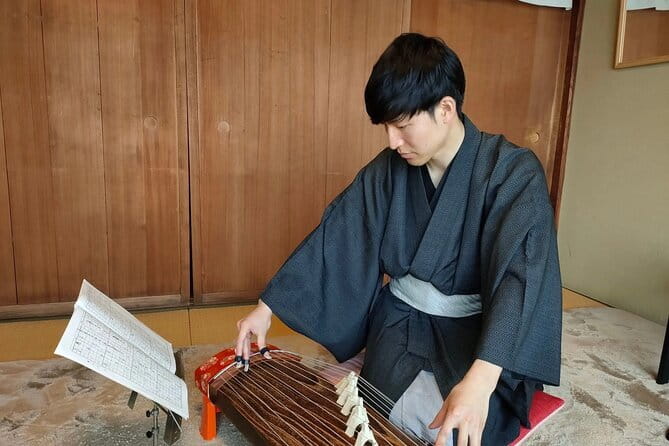
Before the music starts, you get an overview of two core instruments: the koto and the shamisen. This is the kind of pre-show explanation that pays off during the concert, because you start noticing how each instrument behaves instead of only reacting to the sound.
Koto and shamisen are easy to recognize once you know what to look for, but the lesson also gives you context for what you are hearing. You learn enough to follow along when the performer shifts between classical selections, modern pieces, and originals. The goal here is not trivia. It is helping you hear patterns and character in real time.
In the reviews tied to this experience, you will see a theme of clear organization and English explanations. That is exactly what you want. Even if your Japanese is limited, you should be able to connect to the music without needing a translator in your lap.
More Kyoto temple visits, food tours, tea experiences, and day trips to compare

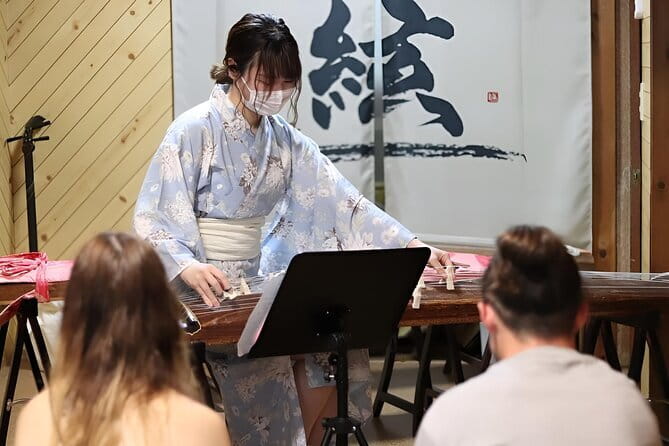
What Happens During the 50-Minute Show
The whole experience runs about 50 minutes. It is paced like a compact performance package, not a long sequence of random stops. You will attend a program featuring koto and shamisen, then transition into Q&A and photo-taking after the music.
Here is what the flow looks like:
- You start with the brief introduction and explanation of the instruments.
- You listen to the live performance at Gen Home Saiin.
- You then get time for questions and photos with the professional musicians.
That structure is practical for a day in Kyoto. You get a complete cultural experience without eating half the afternoon. It is also easier to keep your energy up, since it is not a marathon sitting indoors.
The Music Program: Classics, Modern Tunes, and Recognizable Melodies
One of the best parts is that the program is not locked to one time period. You will hear classical pieces, plus more modern compositions, and the performer may include originals. That range is useful, especially if you are new to Japanese traditional music. You will not feel like you are only learning one narrow style.
The concert includes named pieces such as:
- Chidori no Kyoku
- Rokudan no Shirabe
- Kajimakura
Even better, the experience is designed so you might recognize tunes. If you have heard these melodies on recordings or in pop culture references, the live version can click in your brain quickly.
The reviews highlight how powerful Chidori no Kyoku can be, with one guest saying it made them cry. That tells me the performance is not delivered like a museum display. It is performed with emotion, and you are meant to feel it, not just identify it.
The Q&A and Photo Time (How to Get More Than Just Listening)

The concert ends in interaction: Q&A and photo-taking. This is not filler time. It is when you turn passive listening into active understanding.
If you want the most out of it, come in with at least one question. For example:
- Ask what makes a particular piece feel slow or fast even when the instruments are subtle.
- Ask how the player approaches classical versus modern compositions.
- If you upgraded for hands-on koto, ask what part is easiest to practice first.
Since the musicians are the ones answering, you get perspectives you would never get from a brochure. And because this is in a home setting, the vibe is naturally more informal, which can make it easier to ask something simple.
Optional Upgrade: Hands-On Koto Session
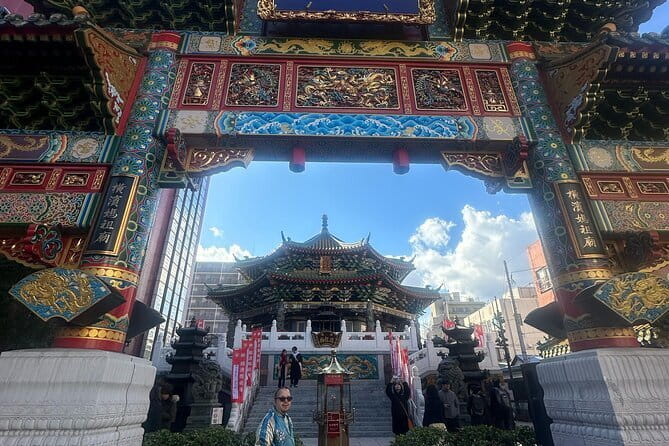
You can upgrade to participate in a hands-on koto session. The idea is you try playing a simple piece. This is a big deal if you learn best by doing. Even a short introduction to technique helps you understand why the music sounds the way it does.
The experience description keeps it approachable. The goal is not to turn you into a performer. You are there to try, get guidance, and connect your ears to your hands.
What you should expect from an upgrade like this is a short, guided moment rather than a full lesson. So if you want serious training, you would need a different kind of class. But for travelers who want one memorable, participatory moment in Kyoto, this is the right kind of upgrade.


Price and Value: Is $39.63 Worth It?
The price is $39.63 per person, for about 50 minutes, with a mobile ticket. It is not the cheapest entertainment in Kyoto, but it is also not priced like a tourist theater. The value comes from three things you do not always get in one package: pre-concert instrument orientation, a live performance, and structured interaction after the music.
Add the fact that it happens in a private home transformed into a stage, not a generic venue. That makes the performance feel closer and more personal. It also keeps the experience from feeling like a standard concert you could have anywhere.
There is also the optional upgrade. If you are even slightly tempted by hands-on learning, that turns the same event into something more than a watch-and-leave ticket.
Booking timing is another value clue. It is often booked about 33 days in advance on average. If you are visiting during busy weeks, booking earlier is a safe move.
Practical Logistics That Affect Your Comfort
You will want to think about logistics because this is a home setting. The listing notes it is near public transportation, which helps. You just need to plan enough time to get to Gen Home Saiin without rushing.
A couple more practical points:
- Coffee or tea is not included, so plan to grab a drink before or after if you need it.
- Private transportation is not included, so rely on your own plan to get there.
- A mobile ticket is used, so keep your phone charged and ready.
- WiFi on board is included, which can help while you are moving around in Kyoto, though it will not matter much once the concert starts.
If you come late to a home-concert style event, it can feel disruptive for everyone. So I suggest building in buffer time, even if the location is near transit.
Who This Experience Fits Best
This is a great choice if you:
- Want a Kyoto experience that feels personal, not mass staged.
- Like traditional Japanese music but do not want to feel lost.
- Appreciate interaction, Q&A, and a chance to ask questions directly.
- Prefer a short, focused activity that fits cleanly into a travel day.
It may be less ideal if you:
- Are looking for a long evening full of multiple segments and wandering time.
- Want a large-group party atmosphere, since the format is private or small group.
- Expect drinks included, since coffee and tea are not part of the package.
The best fit is someone who enjoys cultural interpretation, instrument-focused learning, and performances that connect music to emotion.
Quick Tips So You Hear It Better
You cannot control taste, but you can control how ready you are to receive the music. Here is how I would set you up for a better experience:
- Show up ready to listen. The pre-show explanation is there for a reason.
- Bring one question for Q&A, even if it is simple.
- If you upgrade for koto, treat it like a guided try, not a performance audition. Focus on the first step you are taught.
- If you recognize Chidori no Kyoku or other named pieces from recordings, keep an ear out for how the live version feels different.
Also, consider that the program can include classical, modern, and original compositions. That means you should keep your expectations flexible. The mix is part of the point.
Should You Book This Kyoto Koto and Shamisen Concert at Gen Home Saiin?
Yes, I think you should book it if you want a Kyoto cultural experience with real human connection, not just a ticket to a hall. The biggest draw is the combo of instrument orientation, a live koto and shamisen performance, and then the chance to ask questions and take photos. Add the home setting at Gen Home Saiin, and you get the kind of evening that feels rare even when you have seen a few shows already.
Book it soon if you are traveling during peak season, since demand is typically high enough that people book about a month in advance on average. And if you are on the fence about upgrading, consider doing it. Even a short hands-on koto moment can make the music stick in your memory longer than passive listening alone.
If you want a short, high-value, Kyoto-specific music experience, this is one of the better ways to spend your time.
FAQ
How much does the Kyoto koto and shamisen concert cost?
It costs $39.63 per person.
How long is the concert?
The duration is about 50 minutes.
Where does the concert take place?
It takes place at Gen Home Saiin in Kyoto.
What is included in the ticket?
The included items are landing and facility fees, WiFi on board, and participation in the koto and shamisen concert with a brief introduction and explanation.
Is there time for questions and photos?
Yes. After the live performance, there is a Q&A session and time for photo-taking.
Can I try playing the koto during the experience?
There is an upgrade option that lets you participate in a hands-on koto session where you try playing a simple piece.
Is coffee or tea included?
No, coffee and/or tea are not included.
Do I get a mobile ticket?
Yes, the experience uses a mobile ticket.
How far in advance is it typically booked?
On average, it is booked 33 days in advance.
Is free cancellation available?
Yes. You can cancel up to 24 hours in advance for a full refund.
More Concerts & Music in Kyoto
More Tour Reviews in Kyoto

Not for you? Here's more nearby things to do in Kyoto we have reviewed










Concerts, compared.
 ★ 4.9Traditional Concert at Townhouse or BathhouseFrom $32224 reviews
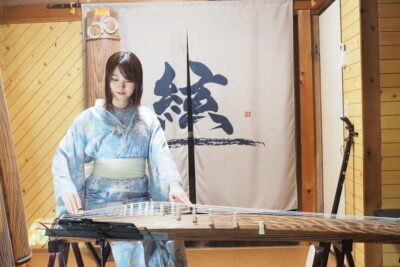 ★ 4.9Japanese Koto & Shamisen Concert and Koto ClassFrom $3831 reviews
 ★ 5.0Traditional Concert in Public bath near Kyoto StationFrom $325 reviews
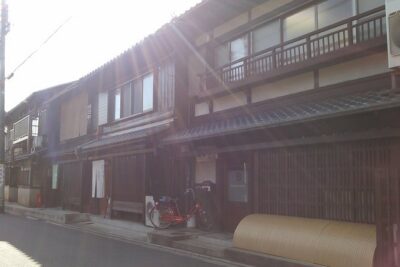 ★ 5.0Private Japanese music concertFrom $574 reviews
Browse the lists this tour appears in